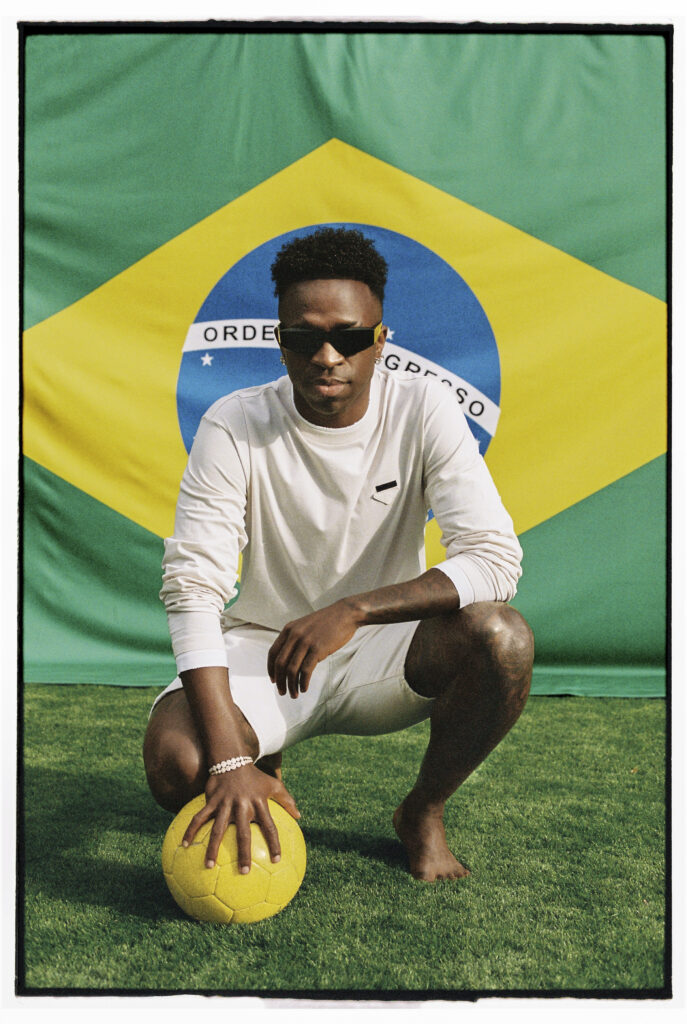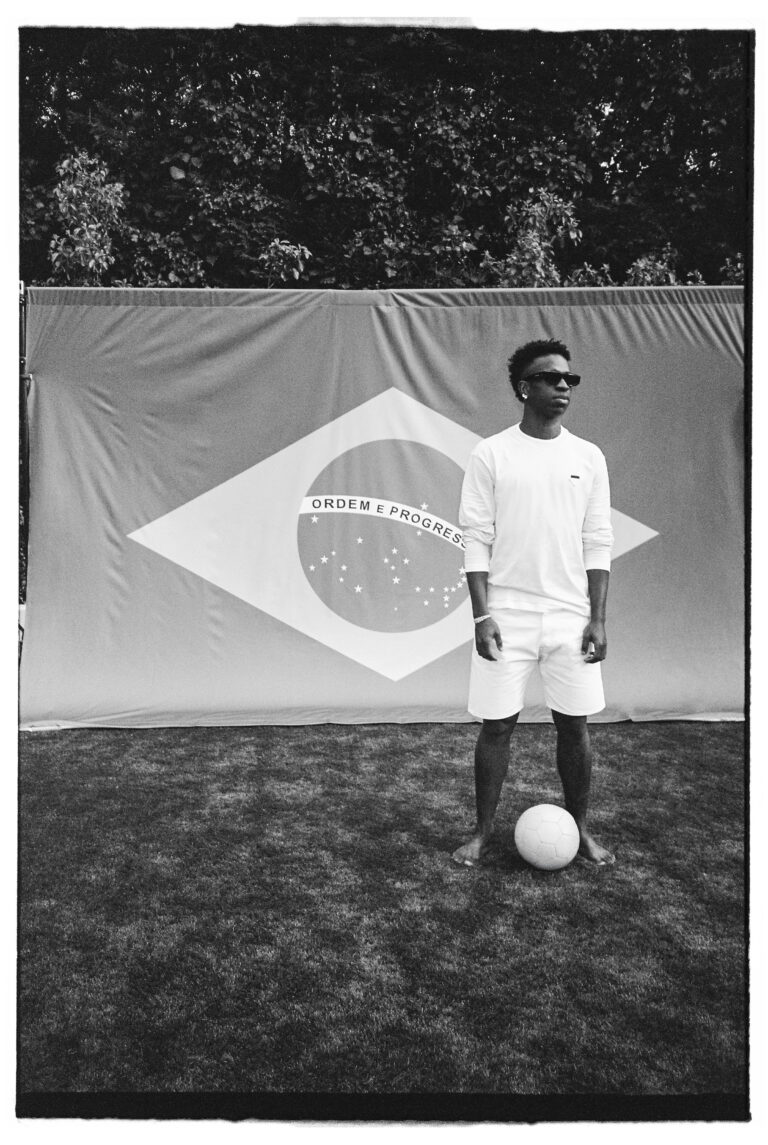

When Vinícius steps onto the pitch at this summer’s World Cup, it will be on his shoulders that the dreams of Brazilian fans rest. Carrying the hopes of the world’s most soccer-crazy and expectant nation is no small burden.
That burden will be nothing new as far as Vinícius is concerned. What sets him apart is how he has continually prevailed and excelled under unimaginable pressure, playing with a mesmerizing blend of dazzling skill and unbridled joy — joga bonito, as it’s known in Brazil — in spite of some of the beautiful game’s uglier characteristics.
There is a growing consensus regarding the pitfalls of modern soccer. An over-emphasis on tactics and data analysis increasingly forces players to curb their creativity for fear of not fitting into the ever more complex, cagey and limiting “systems” set forward by coaches. Another gripe among purists of the sport is the unsustainable workloads expected of elite-level players of the current day, with many at top clubs playing over 50 games per season, which rises when international games and pre- and post-season tournaments are included.
In England, which some consider to be the epicenter of global soccer, there’s an increasingly popular saying, whereby a commentator or fan will roll their eyes and say the “game is gone,” referring to the dearth of organic creativity, soccer player joy and player expression that now defines modern soccer.
If soccer really is still “the beautiful game,” many fans and insiders struggle to pinpoint the exact beauty that remains at the highest level of the sport.
But there is a select handful of players whose brilliance and natural inclination to play soccer with unbridled joy and flair is so extreme that they boldly eschew the sterile atmosphere of the elite contemporary game every time they step onto the pitch. Vinícius personifies the growing resistance to the direction in which the game has trended of late.
Others, such as Barcelona’s Lamine Yamal, instantly spring to mind in this regard, as does Chelsea Women FC’s Lauren James, Bayern Munich’s Michael Olise and Manchester City’s Rayan Cherki. What separates this group from other players who may possess fancy tricks or show skilful glimpses every now and then is the way they match their flair with discipline, supreme fitness, intensity and — most importantly — winning at all costs.
For Vinícius, his statistics and accolades speak for themselves. At 25 years old, he has won just about every honor the elite domestic game has up for grabs, save for the elusive World Cup and Ballon d’Or. Since joining Real Madrid as a teenager in 2018, Vinícius has gone on to win 14 major trophies and several other individual accolades, including two Champions League titles, three La Liga titles and two FIFA Club World Cups.
But Vinícius’ achievements far extend the laundry list of trophies, goals and assists he has racked up for Los Blancos. It’s the way in which he approaches the game of soccer, which will see him go down as one of the most memorable forwards of the modern era. His dazzling runs, flicks and tricks blended in with his clinical attacks and darting runs give opposing defenders nightmares. It’s the fact that he has remained steadfast in this style of play despite the many challenges he has faced in his young career to date.
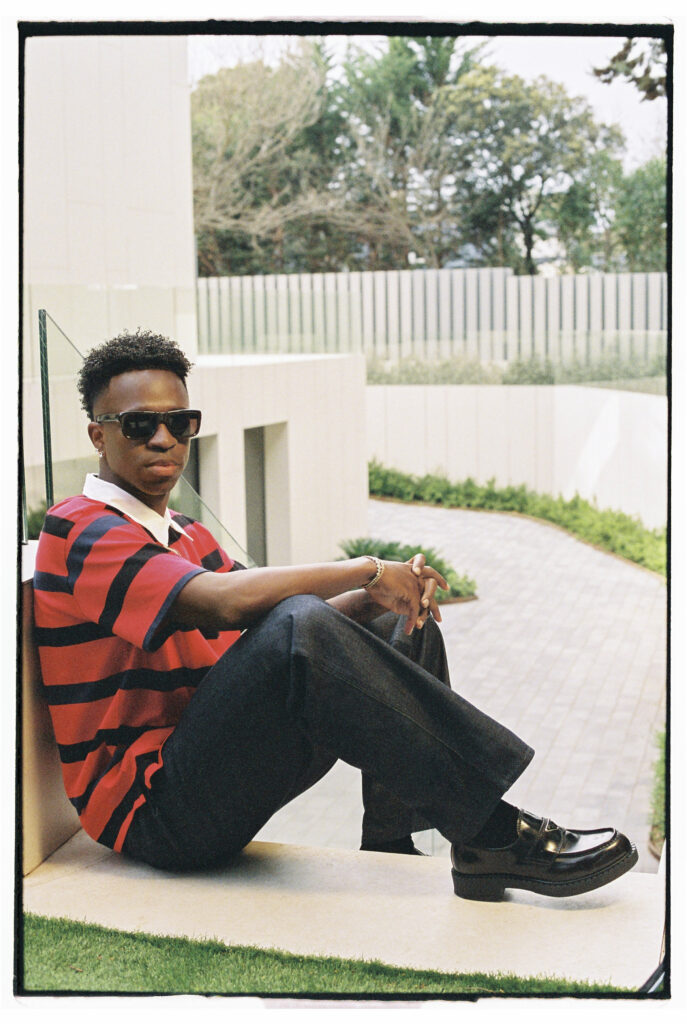

While trophies have evaded Vinícius on the international level, where he has also scored goals at a slower rate than for Real Madrid, he has nevertheless become a stalwart of the Brazil national team, for which he has made nearly 50 appearances in his career, at the time of writing.
It’s hard to overstate the weight of the expectations of greatness placed on Vinícius since he was a teenager. As a 16-year-old, he had barely completed a full season of first team soccer for his boyhood club, Flamengo, before Real Madrid came calling with a $54 million deal to sign him when he turned 18. What they saw in him was a skill and creative brilliance in carrying the ball that was balanced with physical resilience that came from playing senior soccer from a young age.
Back in 2018, that constituted an astronomical fee for a young teenager, even by Real Madrid’s standards. It meant that failure was simply not an option. Vinícius has spoken at length in the past about how he missed key developmental stages as a young soccer player, owing to the fact that he had played regular first team soccer — rather than youth soccer — since age 16. His first few seasons at Madrid saw him thrown into the most pressurized arenas in world soccer, where he had to simultaneously adapt to a new language, a fresh playing style, hold his own alongside his Galáctico teammates and live up to the dreams of the most unforgiving fan bases in sports.
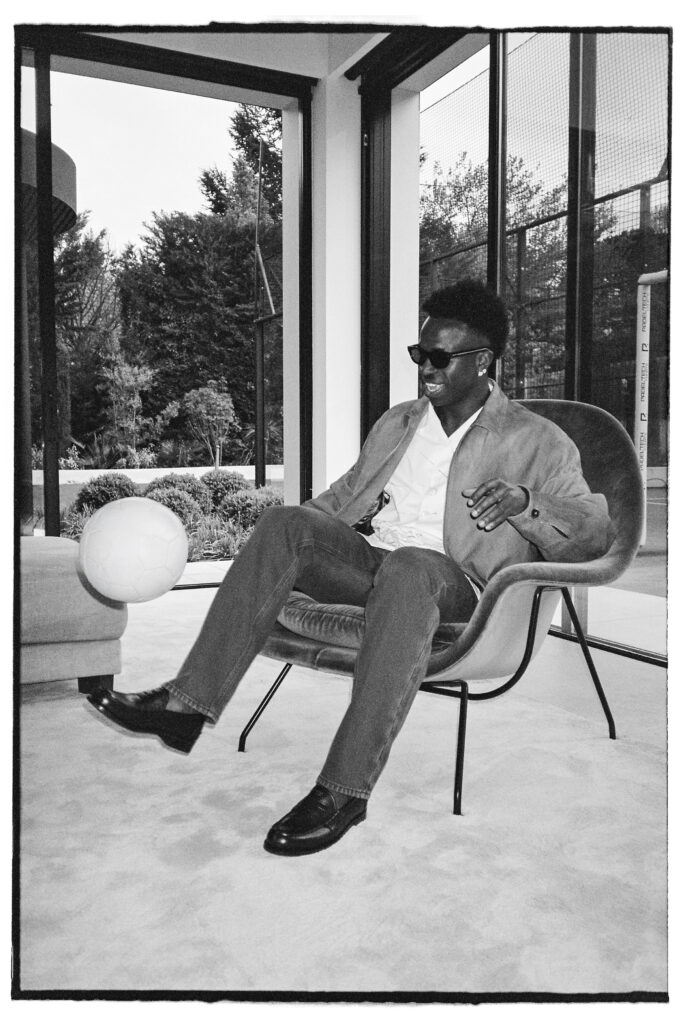
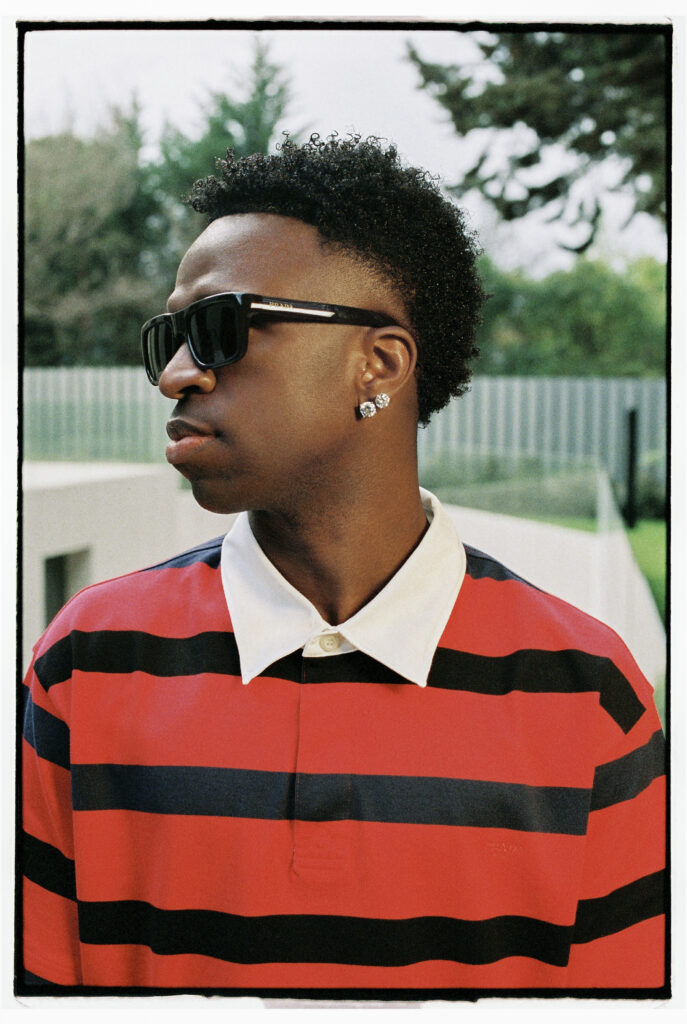
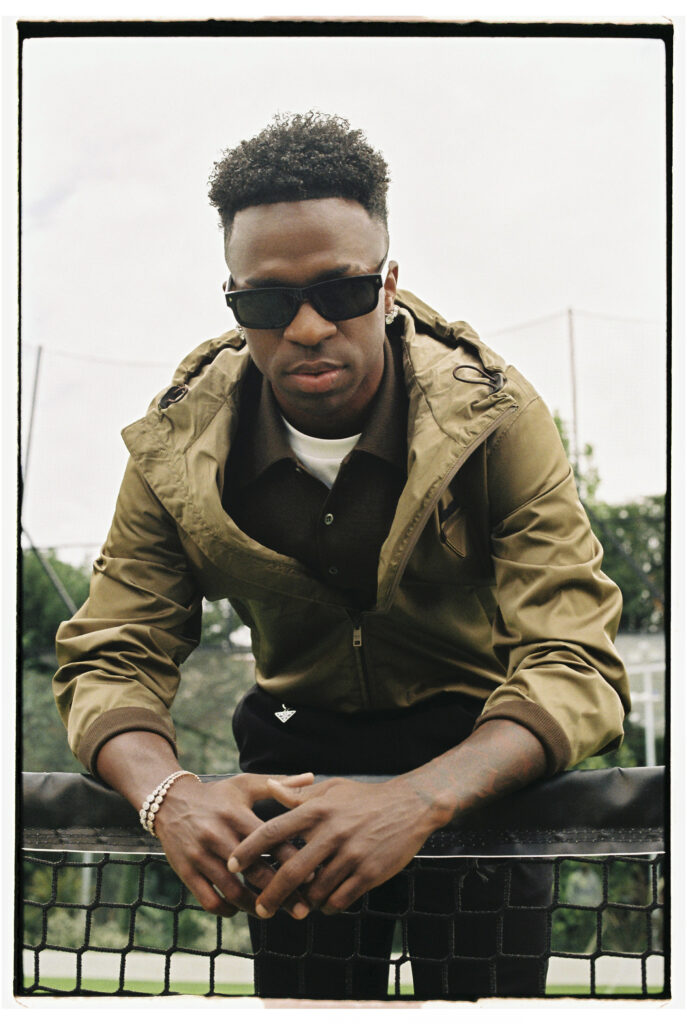
After an inauspicious first three seasons, in which he showed glimpses of what had piqued Real Madrid’s interest, he struggled to adapt to the style of soccer in La Liga, Spain’s top domestic division. His composure in front of goal and finishing ability were also widely criticized, with low-scoring tallies across his initial seasons at the club. But like all sporting greats, he managed to flourish in the face of blanket criticism and online chatter, quickly turning into one of the world’s most feared forwards, firing Madrid to numerous Champions League and La Liga titles in recent seasons.
It was this success that led him to one of the greatest honors of his career, when Real Madrid bestowed on him the number seven jersey in 2023, as a recognition of his importance to the organization. The burden of Vinícius’ jersey number is manifold. Inheriting the number seven — traditionally reserved for a winger or attacker — at any club denotes a level of significance to the team’s creative output that only select players can handle. Inheriting the number seven jersey at Real Madrid — at just 22 years old, from none other than Eden Hazard, who in turn inherited it from Cristiano Ronaldo, arguably two of the sport’s greatest players to ever wear the jersey — comes with untold pressure hard to appreciate for those uninitiated with the ways of Real Madrid fans.
The mark of any great number seven — think Ronaldo, Beckham, Eric Cantona — is having the ability to turn a game on its head with their individual brilliance. On soccer’s biggest stages, Vinícius has done exactly that. His goals in the 2022 and 2024 Champions League finals against Liverpool and Dortmund, respectively, are exactly the kind of performances which have written him into Real Madrid folklore already.
It hasn’t all been rosy. As with any great talent, Vinícius has his fair share of detractors. Typical criticisms from fans and commentators have centered on accusations regarding his mercurial on-pitch demeanor, his whining to referees, his alleged tendency to “dive” or simulate being fouled. Certain incidents haven’t helped to quell accusations of his petulance. For example, in October 2024, it was revealed that Vinícius, and by extension the whole Real Madrid team, had pulled out of traveling to the Ballon d’Or ceremony hours ahead of the start time, after it became apparent that he (the favorite to win soccer’s greatest individual honor) would not receive the award, in favor of Manchester City’s Rodri.
It would be fine — normal even, and perhaps even fair, given the nature of sports — if those criticisms of Vinícius’ character started and ended there. Sadly, that’s far from the case. Vinícius’ stellar career has been blighted by constant reminders of the ugly underbelly of racism that persists in European soccer. Along with constant online abuse, there have been numerous incidents of racist chanting directed at him from opposition fans in stadiums across Spain, including “monkey” chants and gestures from fans at Valencia and Atlético Madrid. Vinícius himself has estimated that he has suffered around 20 individual instances of racist abuse from fans while on the pitch. In 2023, four people were arrested following the hanging of an effigy wearing a Vinícius shirt from a bridge near Real Madrid’s training ground. The following year, they were found guilty of hate crimes. Just this season in a Champions League game, a Benfica player was alleged to have racially abused Vinícius while using his jersey to cover his mouth from the TV cameras.
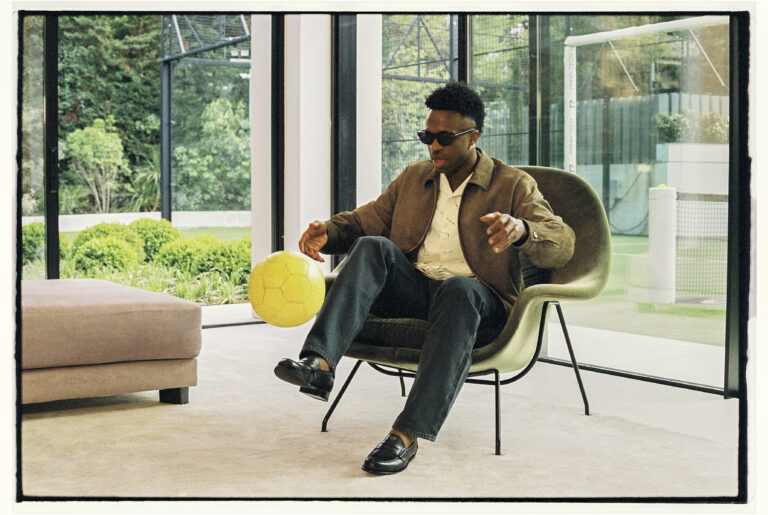
Just as he stood strong in the face of soccer criticism, Vinícius has remained steadfast in his refusal to let racism define his story. He has publicly called out the abuse, given direct testimony in court and pushed for legal actions that led to the first ever convictions for racist abuse in Spanish stadiums.
Back on the pitch, things haven’t transpired the way Vinícius would have hoped this season. After Real Madrid was eliminated from the quarterfinals of the Champions League by Bayern Munich, it significantly trailed its bitter rival, Barcelona, in La Liga.
Now, as Vinícius prepares to lead Brazil into one of the most anticipated World Cups in recent memory, hosted across the US, Mexico and Canada, all eyes are on him. Brazil is by no means a favorite to win the tournament, given the squad’s lack of depth and experience compared to France, Spain or Argentina.
That doesn’t mean fans back home will be demanding any less than total success on the biggest stage in global sports. It’s just as well that this level of pressure is what shaped Vinícius from a diamond in the rough to the jewel in soccer’s shining crown.