

Each year, Forbes drops its list of the world’s highest-paid athletes, and the numbers are staggering. In 2024, Cristiano Ronaldo topped the list with $260 million in combined on-field and off-field earnings; Lionel Messi, Kylian Mbappé and LeBron James weren’t far behind. But driving these jaw-dropping figures are powerhouse agents (or teams of them).
Agents aren’t the spectacle that sports fans think they’re paying to see, yet without them, there would be a game but there would be no spectacle. Agents are the ones negotiating the salaries, endorsement deals and equity stakes in companies necessary to make it big as an athlete.
THE BIRTH OF MODERN DEALMAKERS
In the 1920s, the fedora-wearing Christy Walsh —a former newspaper reporter — became baseball icon Babe Ruth’s business manager. With sharp media instincts and a network of ghostwriters, he helped commercialize Ruth’s image through endorsement deals and bylined columns that amplified his fame far beyond the diamond. For the first time ever, an athlete was a commercial commodity.
But it would take decades for the concept to fully mature. At the time, players in most Ameri- can leagues had little control over their careers. In baseball, the “reserve clause” bound athletes indefinitely to the teams that drafted them, while in football and basketball, similar rules kept salaries suppressed and movement tightly restricted. That changed with the advent of free agency in the mid-1970s — most notably after the Messersmith-McNally arbitration ruling in Major League Baseball — which gave athletes the ability to test the open market once their contracts expired. Alongside this changing legal and media landscape, the role of the sports agent began to transform, as well. Suddenly, teams had to compete for talent and salaries began to climb.
Meanwhile, changes were also taking place in the individual sports arena. Tennis players and boxers, for example, were never formally “owned” by teams, but they needed agents to negotiate sponsorships and navigate the often opaque network of promoters, tours and tournament organizers who controlled visibility and prize money. Mark McCormack — widely credited as the first modern sports agent — took this relationship to another lucrative level. In 1960, he formed a now-legendary handshake partnership with golfer Arnold Palmer that would evolve into IMG, the world’s first global sports marketing agency — spanning talent management, media rights, event production and brand licensing.
BIG MEDIA, MASSIVE MONEY
In the 1980s and 1990s, television turned sports into massive primetime media spectacles. Leagues clamored for booming revenue streams from broadcast rights and advertising, turning the NFL and the NBA into commercial juggernauts. Athletes became globally recognized household names. The movie Jerry Maguire, released in 1996, in which an agent breaks away from his buttoned-up firm to bring heart and personalized attention to a single player who rises from fringe to fame, is a reflection of the times.
The role of the sports agent expanded beyond negotiating salary contracts and traditional brand sponsorships. Agents were now architecting business empires for their clients. Some, like David Falk — Michael Jordan’s longtime agent — helped broker the original Nike deal in 1984 that birthed Air Jordan, now a brand that earned $7 billion in sales last year. (It was famously Jordan’s mother, Deloris, who urged him to take the meeting — a pivotal moment dramatized in the 2023 film Air.)
Others engineered crossover opportunities in film and media — Shaquille O’Neal in Blue Chips and Kazaam, Dennis Rodman in Double Team, Tiger Woods in the EA Sports’ Tiger Woods PGA Tour video game franchise, which launched in 1998 — positioning athletes as mainstream celebrities and not just sports figures.
DEALMAKING TO EMPIRE BUILDING
By the 2000s and 2010s, the rise of social media didn’t just amplify athlete fame — it gave athletes unprecedented control over their public image and direct access to fans. The smartest agents adapted fast, helping their clients monetize their influence.
Tony Godsick helped negotiate Roger Federer’s stake in Swiss sneaker brand On, where he is both a minority investor (Federer acquired 3% equity in 2019) and brand ambassador. When On went public in 2021, the company was valued at over $10 billion — making Federer’s stake worth several hundred million dollars. Others, like Maverick Carter, partnered with LeBron James to launch The SpringHill Company, a media and entertainment empire now valued at more than $700 million.
Some agents became entrepreneurs themselves. Rich Paul, who founded Klutch Sports Group in 2012, built a powerhouse NBA client roster — including James — and sold a stake to United Talent Agency in 2019, where he now sits on the board. Klutch helped redefine athlete representation and dealmaking, spanning sports, fashion, film and equity.
Today, Paul’s net worth is estimated at $111 million, according to Forbes — a figure that rivals many of the athletes he represents, and a testament to how far the role of the sports agent has evolved from negotiator to mogul.
Here, we spotlight 13 power brokers whose game-changing deals have built massive businesses for their clients and, along the way, changed the business of sport itself.
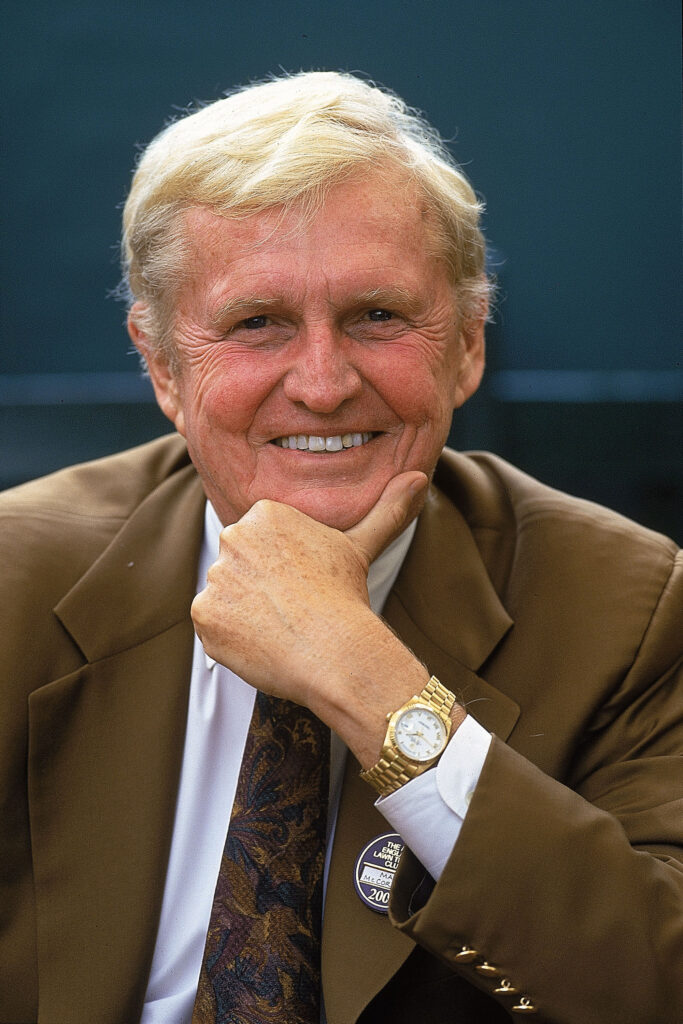
MARK McCORMACK
STAR CLIENTS: ARNOLD PALMER, JACK NICKLAUS, GARY PLAYER, TIGER WOODS
DATE ACTIVE: 1960S–’03
Mark McCormack, a lawyer based in Cleveland, Ohio, was widely credited for modernizing the role of a sports agent. In 1960, he struck a handshake deal to represent golfer Arnold Palmer that eventually led to a series of lucrative endorsement deals with Heinz and Coca-Cola, who spent their vast resources marketing Palmer. It transformed his client from an athlete into a brand and household name, a playbook that remains relevant today. McCormack’s founding of International Management Group (IMG), born out of his representation of Palmer, grew into a sports and entertainment global empire worth over $3 billion today.
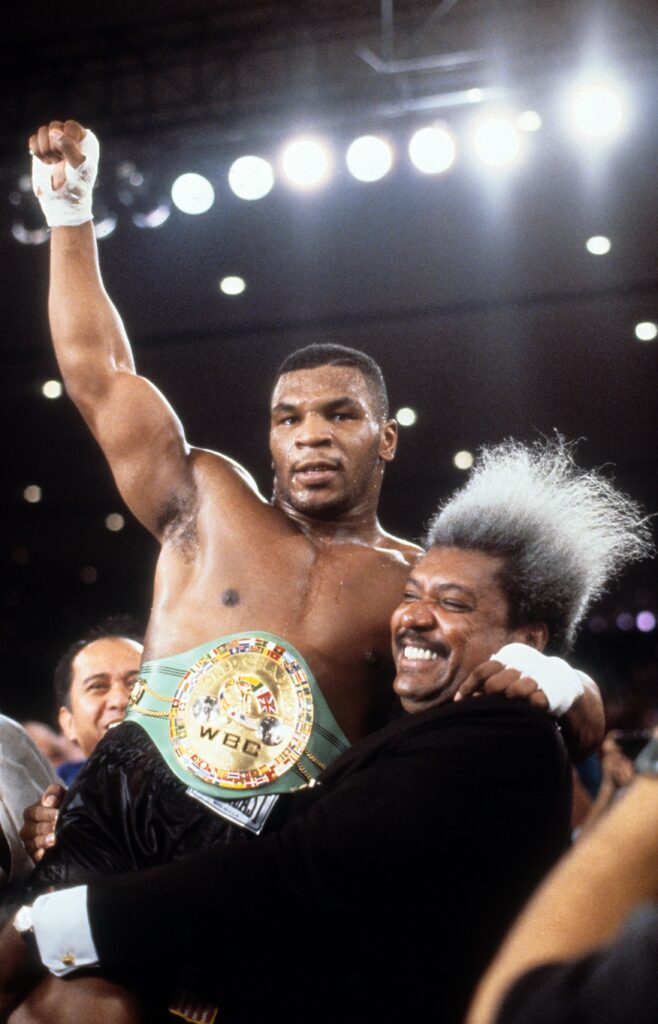
DON KING
STAR CLIENTS: MUHAMMAD ALI, MIKE TYSON, LARRY HOLMES, GEORGE FOREMAN
DATE ACTIVE: 1970S–’00
Don King grew up in Cleveland and first gained notoriety promoting local fights before vaulting to global fame with some of the biggest boxing spectacles ever staged. With his wild hair, booming voice and relentless hustle, King blurred the line between promoter and agent, becoming one of the sport’s most controversial yet impactful power brokers.
His breakthrough came in 1974 with “The Rumble in the Jungle,” Muhammad Ali versus George Foreman in Zaire. The fight became a global media event and a new blueprint for how boxing could be marketed as cultural theater. King’s career was riddled with disputes and criticisms, but his impact on boxing’s visibility and business model remains undeniable.
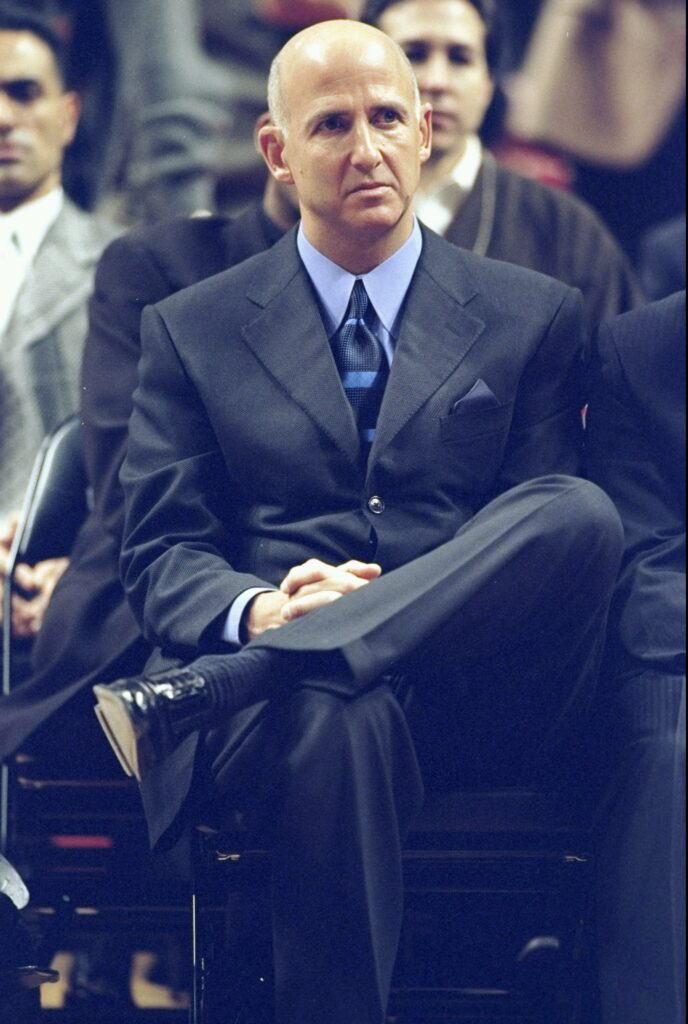
DAVID FALK
STAR CLIENTS: MICHAEL JORDAN, PATRICK EWING, ALLEN IVERSON, ALONZO MOURNING
DATE ACTIVE: 1980S–’00S
David Falk became synonymous with basketball’s boom years. A lawyer by training, he built his reputation as a bold and relentless negotiator, but his real genius lay in marketing athletes as cultural icons. With Michael Jordan as his cornerstone client, Falk saw opportunities where others saw only sneakers and jerseys.
In 1984, he helped broker Jordan’s groundbreaking deal with Nike. The partnership birthed Air Jordan, from which Jordan receives 5% of royalties from sales each year. The deal showed how athletes could leverage their global influence through signature products and create a fashion empire. In 2024, the Jordan Brand brought in $7 billion in revenue.
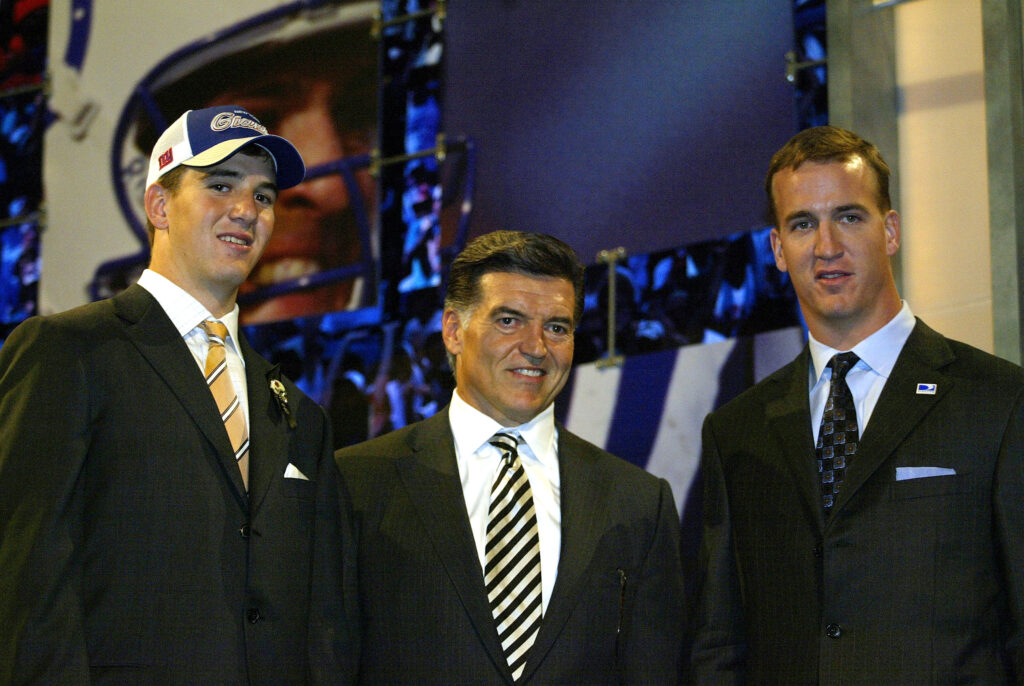
TOM CONDON
STAR CLIENTS: PEYTON MANNING, DREW BREES, ELI MANNING
DATE ACTIVE: 1980S–’10S
Tom Condon’s path was unique: He played offensive line in the NFL before becoming a lawyer and then a player representative. That experience gave him credibility few agents could match, especially when negotiating for the league’s most valuable position — quarterbacks. In 2012, he secured Drew Brees a five-year, $100 million contract with the New Orleans Saints, then the richest deal in NFL history. It reset the quarterback market and cemented the idea that elite QBs deserved compensation far beyond any other position. For decades, Condon’s measured but relentless approach made him the gold standard of NFL negotiation.
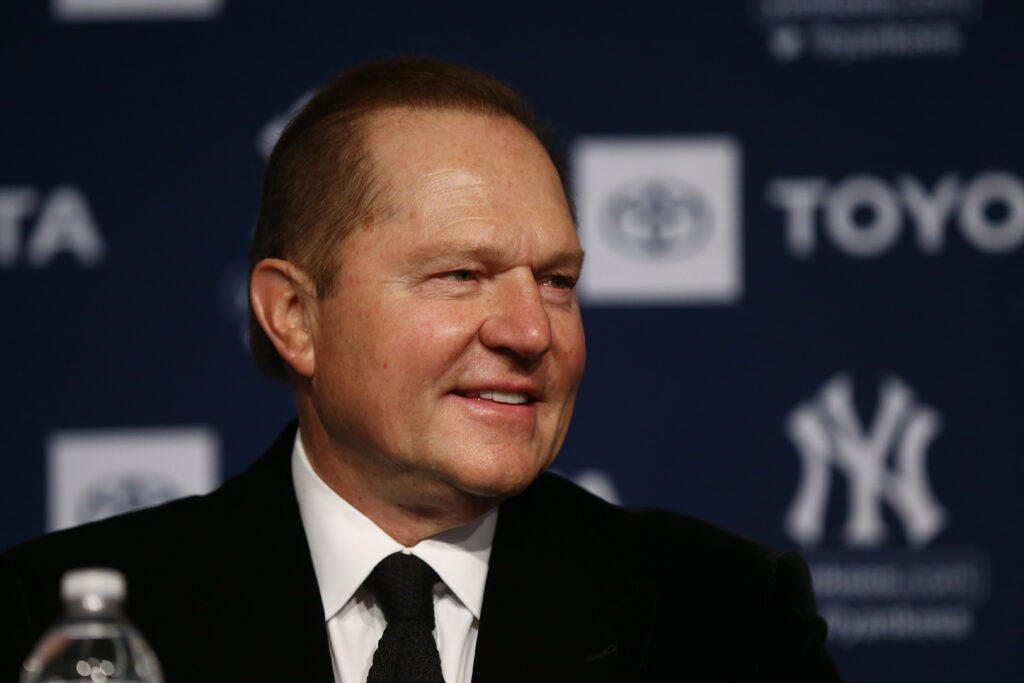
SCOTT BORAS
STAR CLIENTS:
BARRY BONDS, ALEX RODRIGUEZ, BRYCE HARPER, GERRIT COLE, MAX SCHERZER
DATE ACTIVE: 1980S–PRESENT
Scott Boras grew up in Sacramento, played minor league baseball and earned a law degree before realizing he could combine both worlds. Where others saw contracts, he saw leverage — and he built his reputation on patience and an ironclad refusal to compromise. Boras wasn’t just representing players; he was resetting the financial expectations of the entire league.
In 2000, he negotiated Alex Rodriguez’s 10-year, $252 million deal with the Texas Rangers, doubling the record for the largest contract in sports history. Nearly two decades later, he topped himself again with Gerrit Cole’s $324 million contract with the Yankees. With every negotiation, Boras forced owners to redraw the line on player value. For athletes, the equation was simple: If Boras was your agent, you were never settling for less.
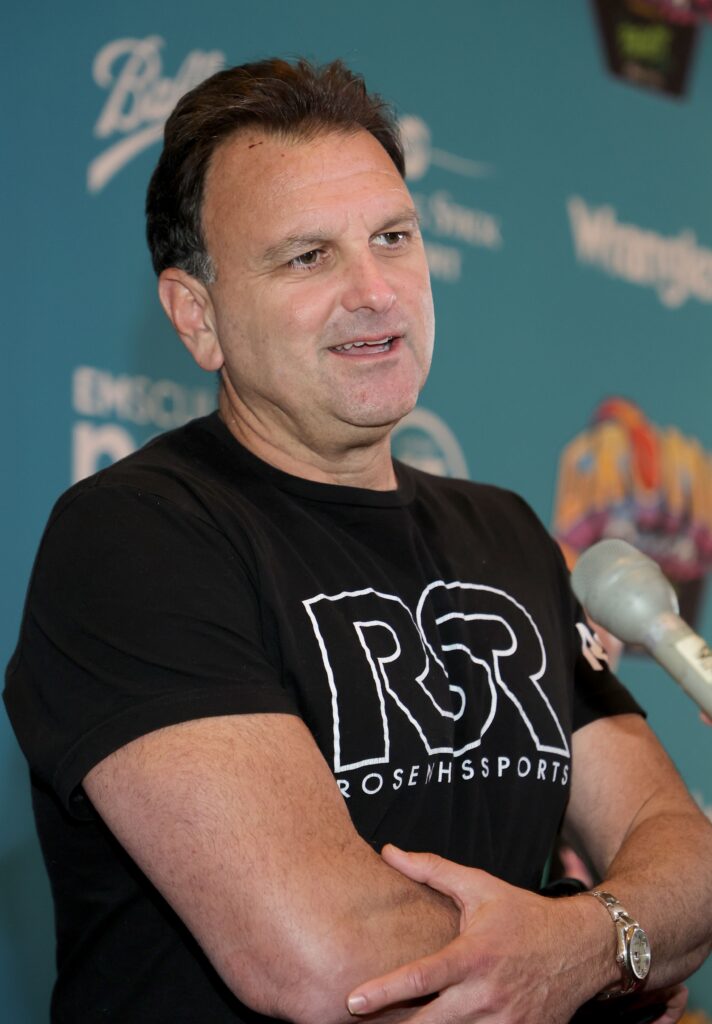
DREW ROSENHAUS
STAR CLIENTS: ANTONIO BROWN, TERRELL OWENS, FRANK GORE, ROB GRONKOWSKI
DATE ACTIVE: 1990S–PRESENT
Drew Rosenhaus was never one to hide in the background. With his brash personality and aggressive negotiating style, he became one of the most visible figures in the NFL, representing more than 170 players across his career. His philosophy is simple: Fight hard, speak loud, and never let a client fade out of the spotlight.
One defining moment came in 2010, when he found Terrell Owens a deal with the Cincinnati Bengals after a string of controversial team exits. Where others saw a lost cause, Rosenhaus found opportunity. Over and over, he revived careers and extended earning power, proving that persistence could be as valuable as polish. Love him or hate him, Rosenhaus made himself and his clients impossible to ignore.
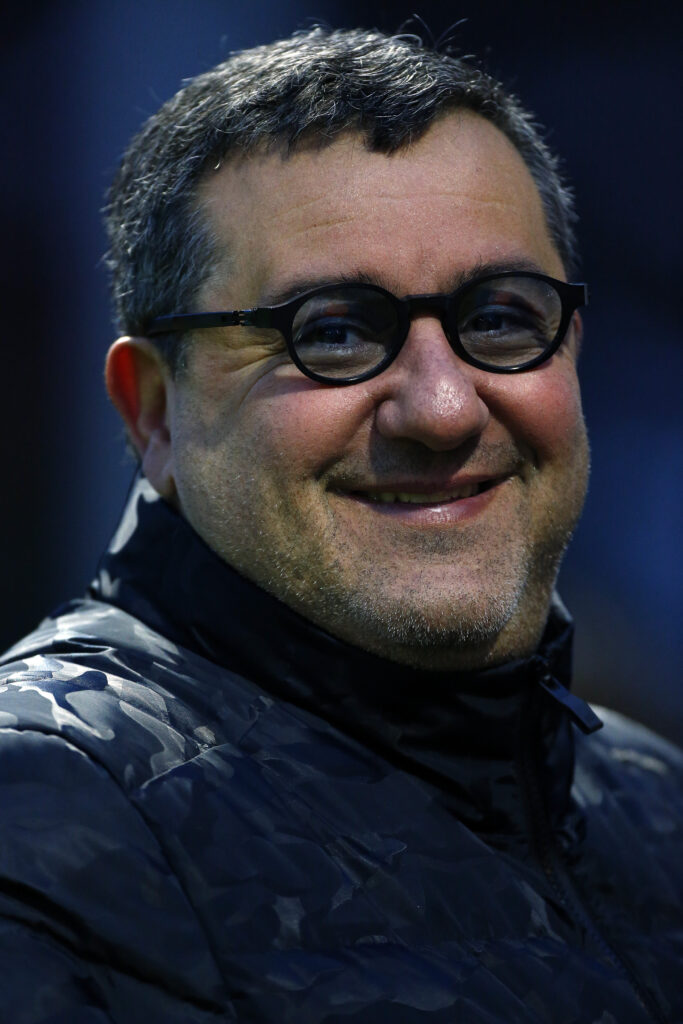
MINO RAIOLA
STAR CLIENTS: ZLATAN IBRAHIMOVIĆ, PAUL POGBA, ERLING HAALAND, MARIO BALOTELLI
DATE ACTIVE: 1990S–’22
Born in Italy and raised in the Netherlands, Mino Raiola started out running a pizzeria with his family before stepping into soccer representation. What set him apart wasn’t polish but loyalty — he cultivated deep, almost familial bonds with his players while battling executives with a ferocity that made him one of the most polarizing figures in the sport.
In 2016, he engineered Paul Pogba’s £89 million move to Manchester United. At the time, it was the most expensive transfer in soccer history, and Raiola’s reported £20 million commission ignited global debate about the unchecked power of agents. Beyond Pogba, he was at the center of deals that reshaped soccer’s balance of power, proving that a single agent could move markets.
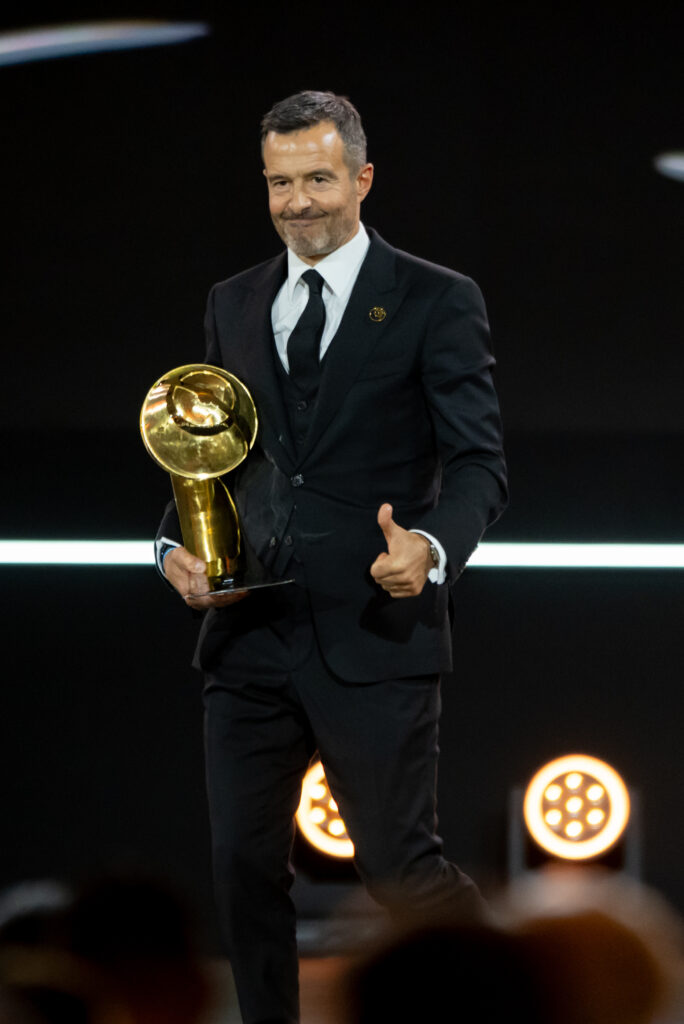
JORGE MENDES
STAR CLIENTS: CRISTIANO RONALDO, JOSÉ MOURINHO, JAMES RODRÍGUEZ, ÁNGEL DI MARÍA
DATE ACTIVE: 1990S—PRESENT
Jorge Mendes started far from the spotlight of elite European soccer. In Portugal, he managed a nightclub and arranged small transfer deals before founding Gestifute, which would grow into one of the most powerful agencies in the world. Mendes’ genius lay in building relationships across players, managers and clubs, positioning himself as the trusted connector in soccer’s biggest moments.
In 2009, he orchestrated Cristiano Ronaldo’s £80 million transfer from Manchester United to Real Madrid. At the time, it was the most expensive deal in soccer history — and it redefined how far clubs would go to secure the best talent. From Ronaldo to José Mourinho, Mendes has remained at the heart of soccer for more than two decades, the quiet architect of its super-deals.
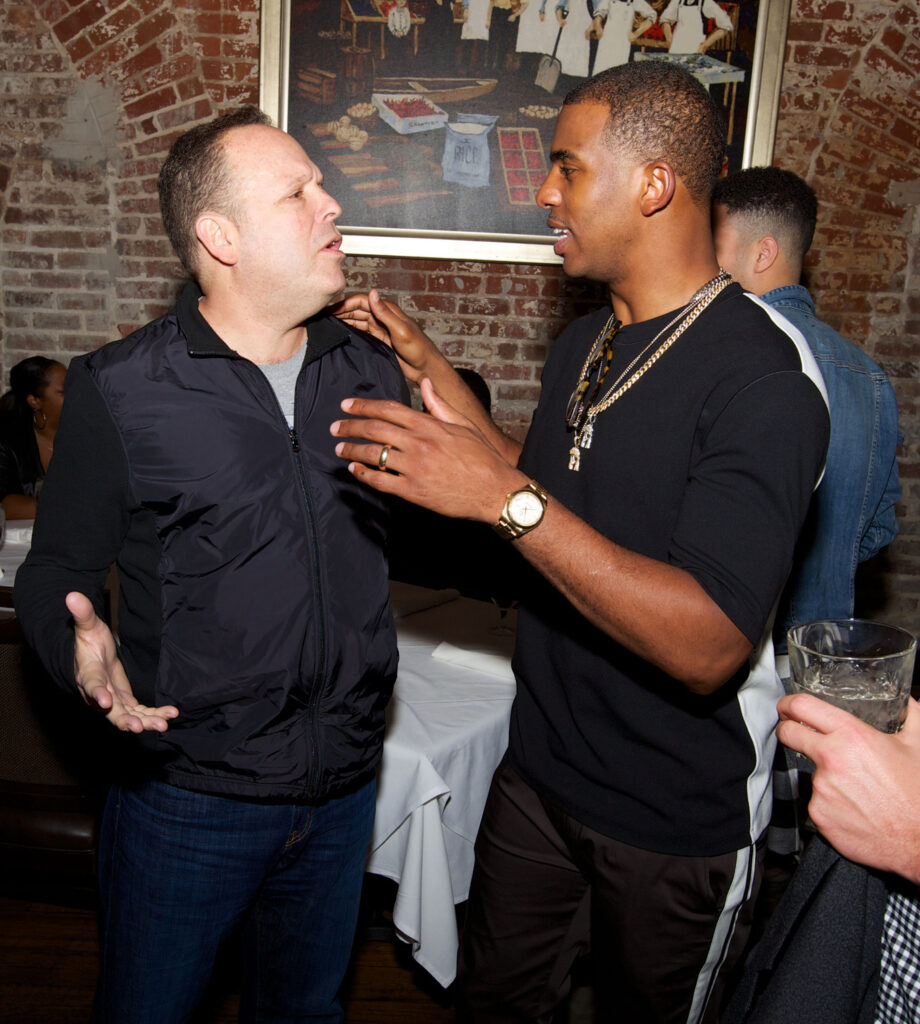
LEON ROSE
STAR CLIENTS: ALLEN IVERSON, LEBRON JAMES (EARLY CAREER), CARMELO ANTHONY, CHRIS PAUL
DATE ACTIVE: 1990S–’20S
Leon Rose started as a lawyer in New Jersey before moving into sports representation, eventually rising to prominence at Creative Artists Agency (CAA). Quiet and calculated, he earned the trust of some of basketball’s biggest names, navigating the shift from contract negotiations to full-scale brand management.
In 2006, he negotiated LeBron James’ $60 million extension with the Cleveland Cavaliers, ensuring James stayed through his first MVP seasons. Later, Rose represented Carmelo Anthony during his high-profile 2011 trade from the Denver Nuggets to the New York Knicks, placing his client at the center of the NBA’s biggest market. Rose eventually crossed into front-office power himself, becoming president of the Knicks — a move that showed how agent skills could seamlessly translate into running a franchise.
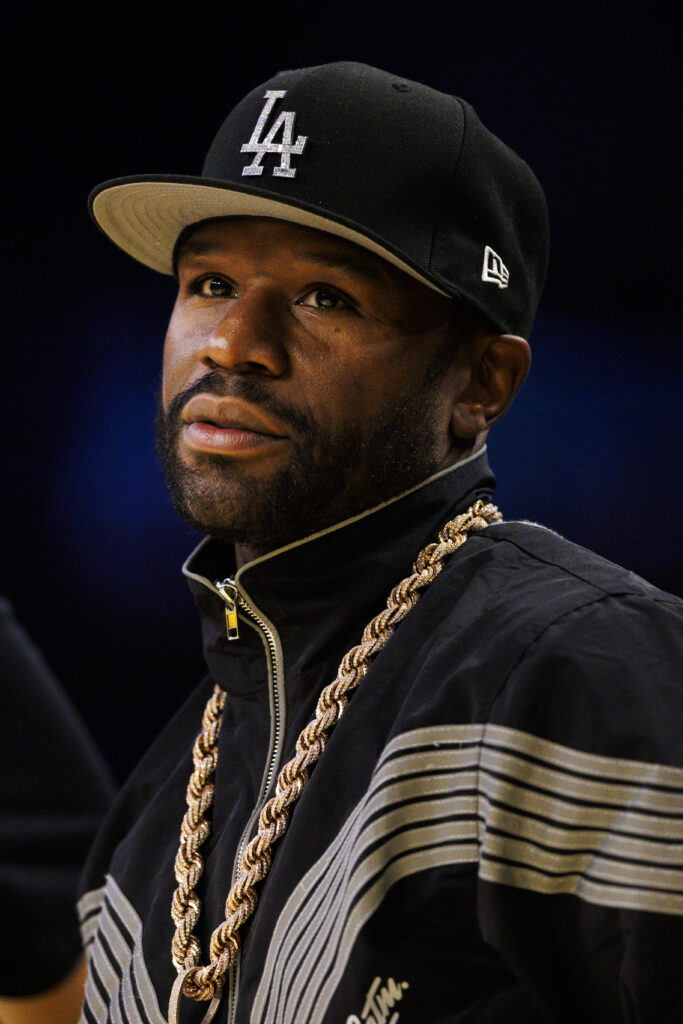
FLOYD MAYWEATHER JR.
STAR CLIENT: HIMSELF
DATE ACTIVE: 1990S–’10S
Floyd Mayweather Jr. flipped the script entirely: He became his own agent. After breaking away from traditional promoters, he launched Mayweather Promotions and turned himself into both the fighter and the business. By eliminating middlemen, he claimed the lion’s share of the revenue and full control of his career.
In 2017, he fought Conor McGregor in a crossover boxing and MMA event. Mayweather secured more than $275 million for himself, proving that an athlete could control not only the action inside the ring but the entire economic engine around it. His career remains the ultimate example of self-representation: The most powerful agent can sometimes be the athlete themselves.
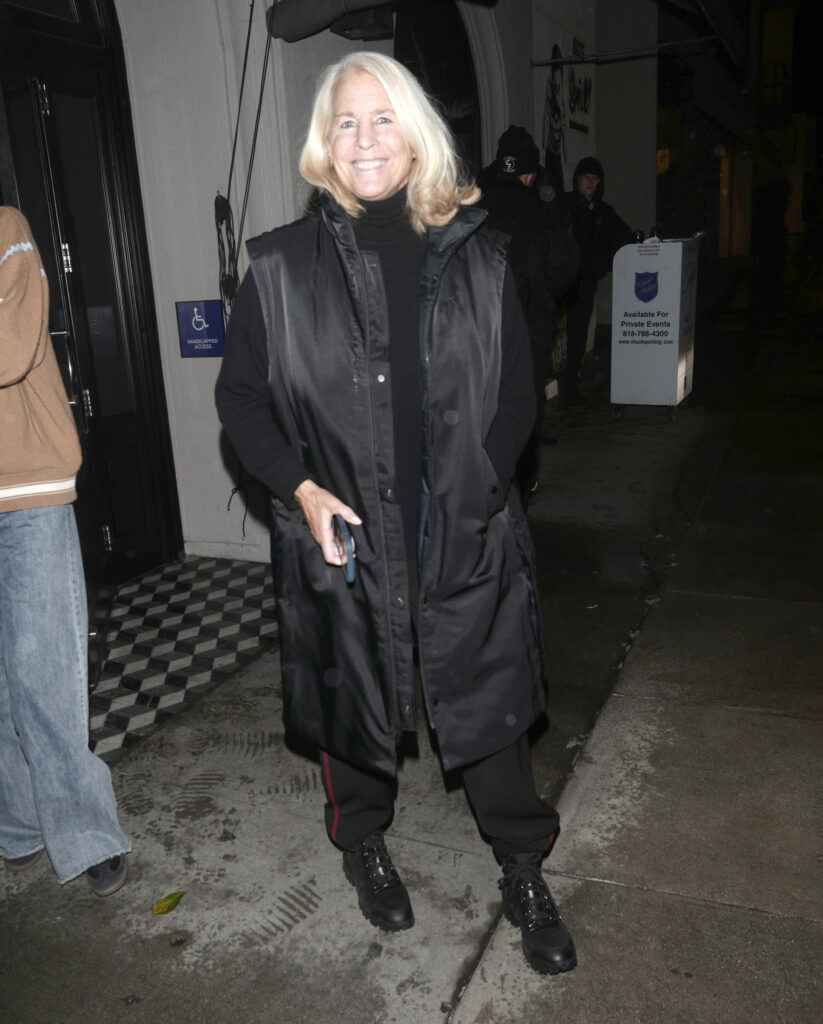
JILL SMOLLER
STAR CLIENTS: SERENA WILLIAMS, ALLYSON FELIX, SABRINA IONESCU
DATE ACTIVE: 1990S–PRESENT
Jill Smoller’s journey began on the court — she played professional tennis before transitioning into sports management, a background that gave her an intimate understanding of an athlete’s needs. Breaking barriers in a male-dominated industry, she became one of the most influential agents in the business.
In 2003, she negotiated Serena Williams’ pioneering endorsement deal with Nike, a lucrative partnership and reported eight-year deal for $55 million, the highest for any female athlete at the time. The deal also allowed creative flexibility so Williams could express herself with Nike kits. Smoller’s work has been pivotal in proving that female athletes could command the same cultural and commercial power as their male counterparts, opening doors for the next generation.
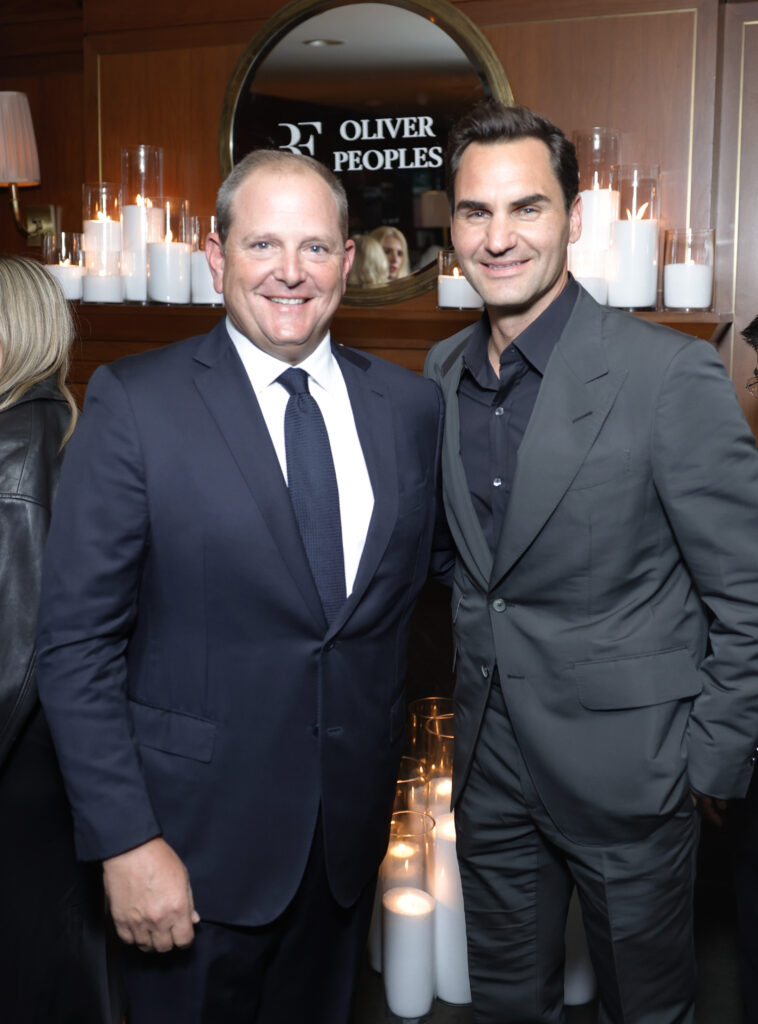
TONY GODSICK
STAR CLIENT: ROGER FEDERER
DATE ACTIVE: 1990S – PRESENT
Tony Godsick built his reputation in tennis not by managing dozens of players, but by going deep with one: Roger Federer. As Federer’s longtime agent, and later co-founder of Team8, Godsick pioneered a different model — one focused on brand longevity and global influence rather than short-term wins. For most of Federer’s career, he was with Nike. But in 2018, Godsick helped negotiate Federer’s landmark $300 million, 10-year apparel deal with Uniqlo at the tail end of his playing career, proving that an athlete’s commercial power could extend into retirement. Godsick also guided Federer’s stake in Swiss running brand On, which went public in 2021 at a $10 billion valuation, turning Federer’s investment into a windfall worth hundreds of millions of dollars. Godsick’s approach wasn’t about chasing quick endorsement checks; it was about Federer’s brand value.
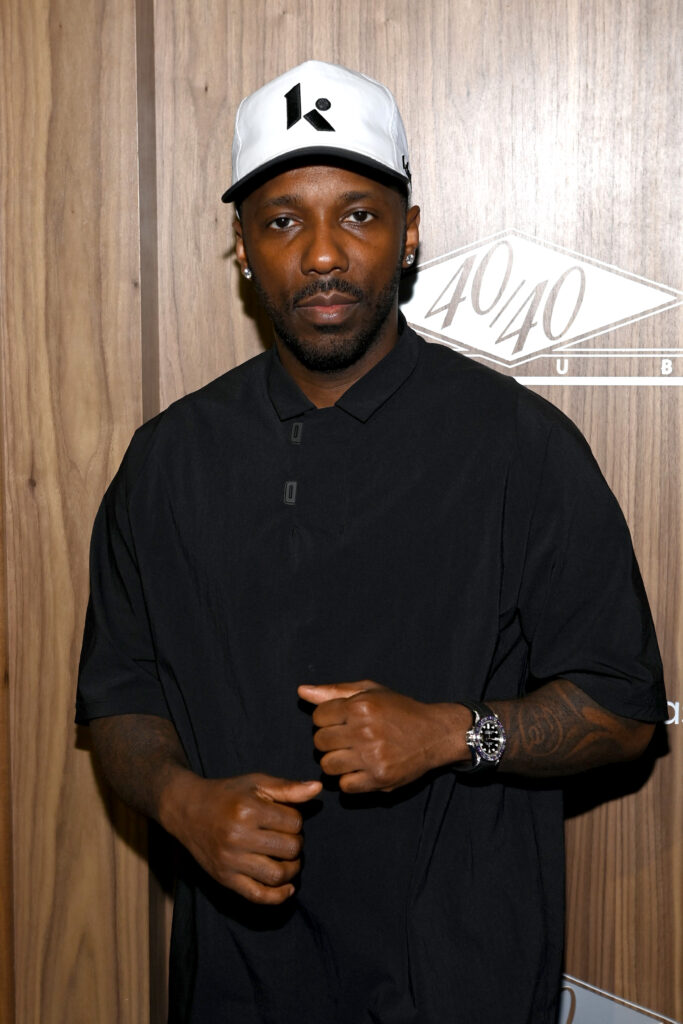
RICH PAUL
STAR CLIENTS: LEBRON JAMES, ANTHONY DAVIS, DRAYMOND GREEN, BEN SIMMONS
DATE ACTIVE: 2010S – PRESENT
Rich Paul grew up in Cleveland, selling vintage jerseys before forging a friendship with LeBron James that would change his life. In 2012, he founded Klutch Sports and turned it into one of the most influential agencies in basketball. More than contracts, Klutch became a cultural brand — a reflection of Paul’s vision that players could command power well beyond the court.