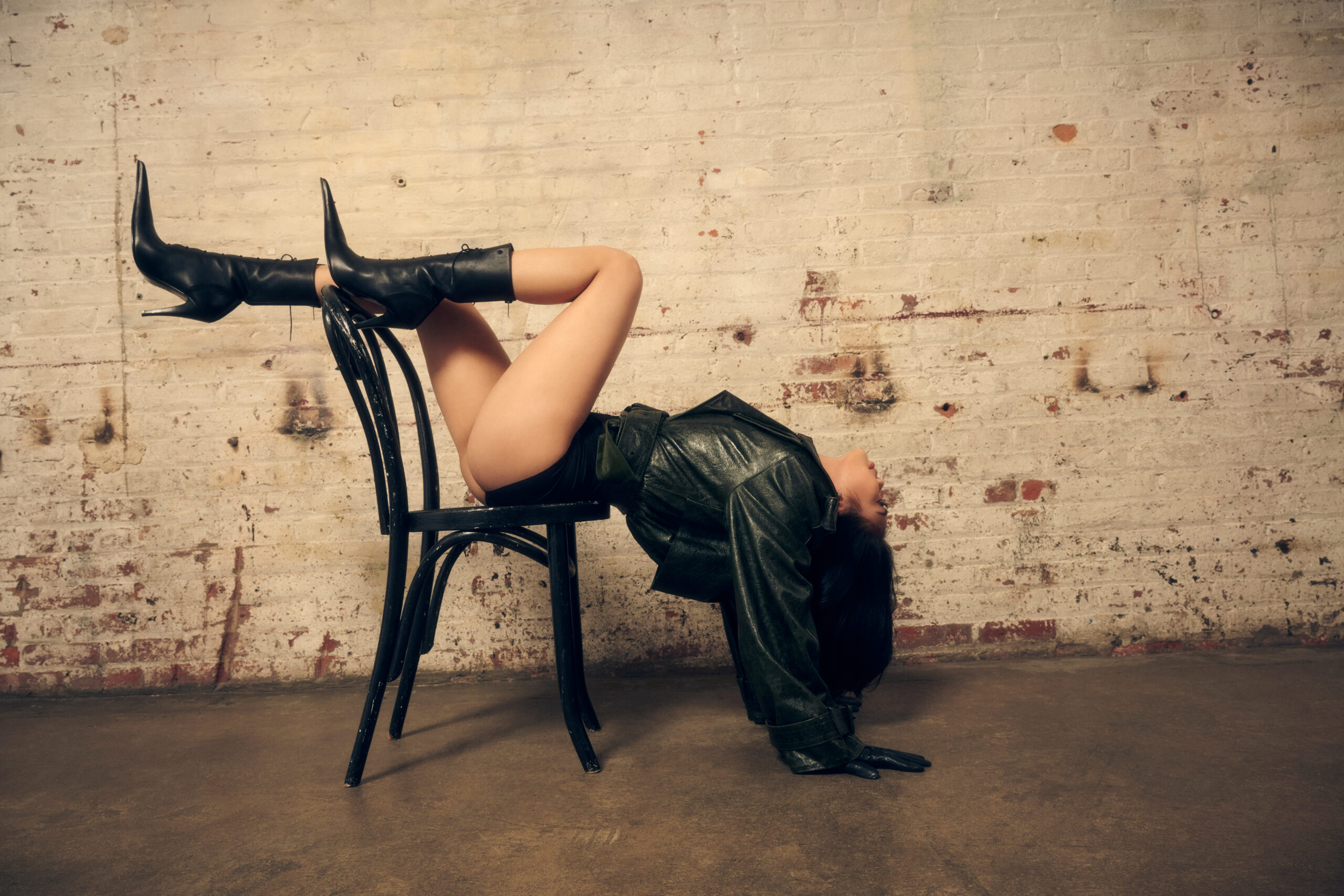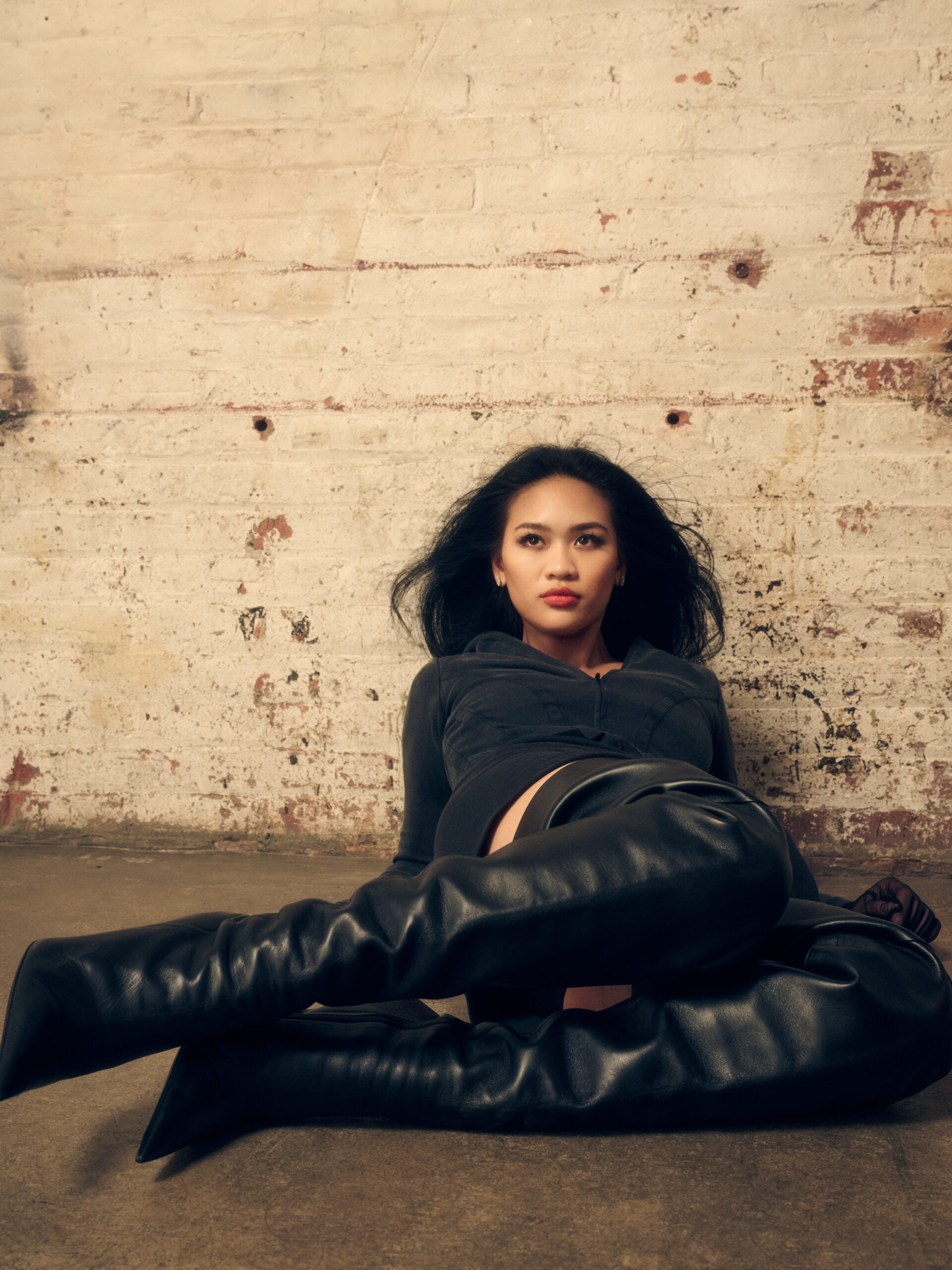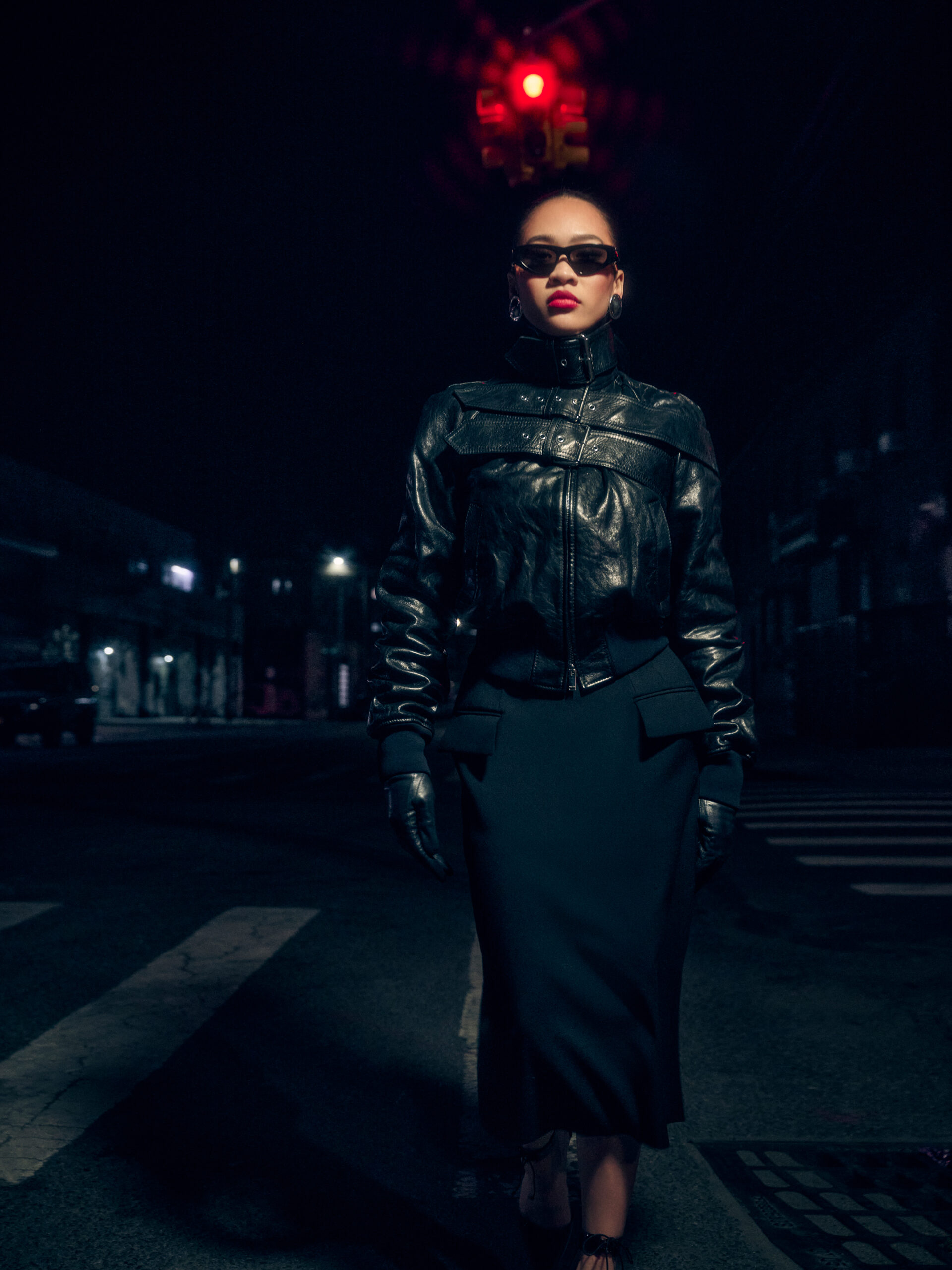

Gymnastics is arguably the hardest sport. It takes superhuman levels of strength, flexibility and coordination, as well as balance, stamina and mental fortitude. A gymnast might leap from the uneven bars while contorting her body front to back. She might do four backflips in a row over a four-inch-wide beam or sprint across a mat before launching some 10 feet in the air, twisting three times and landing on her feet. Gymnasts regularly pull off maneuvers so technically demanding and precise that sticking them can mean the difference of a fraction of an inch or a millisecond. And they make it look effortless — even when the slightest misstep could lead to serious injury.
The rate of injury in gymnastics is higher than most probably realize. In 2021, Simone Biles, the most decorated artistic gymnast of all time, withdrew from the all-around finals at the Tokyo Olympics citing a case of the “twisties.” Industry jargon for a mental health condition that afflicts gymnasts, the twisties are when an athlete becomes disoriented midair, putting them at high risk. But when Biles withdrew, critics were quick to condemn her, pointing to gymnastics legend Kerri Strug as an example of an athlete who pushed through pain to victory. Famously, Strug sprained her ankle on her first vault at the 1996 Olympics in Atlanta, and instead of withdrawing, vaulted again, landing on one leg, face twisted in agony. It was a career-ending injury, but still she’s held up as an example of Olympian effort. That’s gymnastics.
Though the sport has changed, and Biles’ decision to withdraw is now more widely viewed as an act of courage than defeat, pain is still part of the package. In a 2007 study published by the Journal of Athletic Training, women’s gymnastics had the second-highest practice injury rate of
the 15 NCAA sports included (the highest was men’s football).
This says nothing of the trials an athlete endures outside the gym. And there are few better examples of just how much a gymnast can endure while also achieving than 22-year-old Sunisa “Suni” Lee. Hardworking and dedicated, with a World Championship team gold already under her belt in 2019, Lee hit a new level of fame after stepping up at the Tokyo Olympics in 2021, where she won gold in the all-around and helped her team win silver. “There was so much pressure,” Lee said. “And it was my first time [at the Olympics]. Knowing that I was able to work through that, I’m just so proud that I never gave up and I trusted and believed in myself.”
In 2024, Lee helped her team capture the gold medal. She also took home a bronze in the uneven bars and in the all-around.
Whether or not she’ll try for the 2028 Olympics, however, remains to be seen. “I think a part of me is just, like, ready to move on with my life,” she said. “I’m in New York, I love it here.”
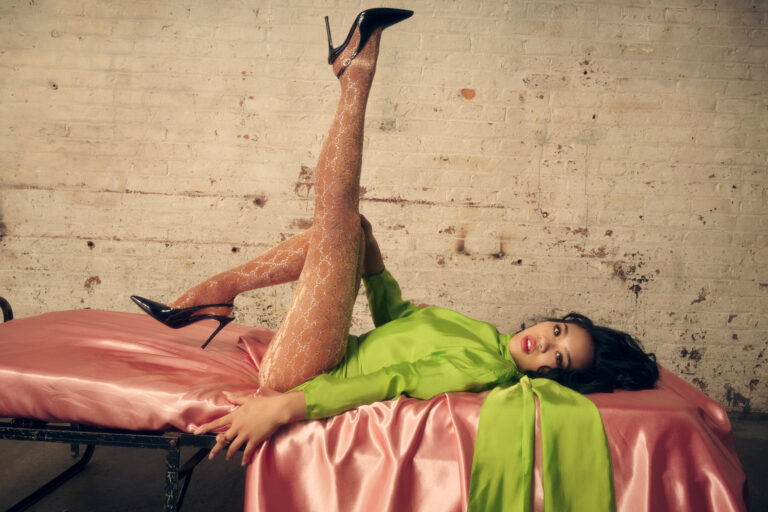
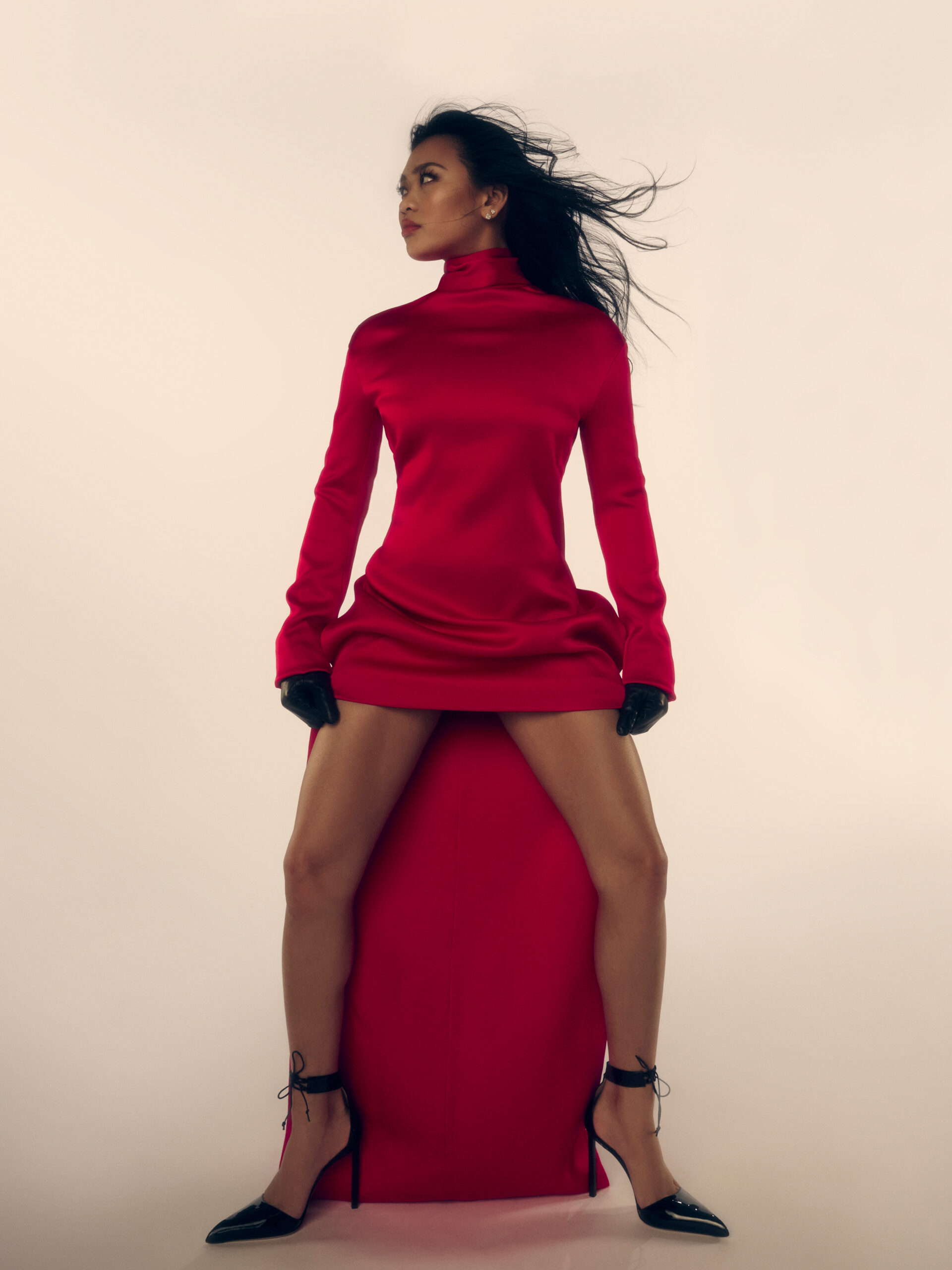
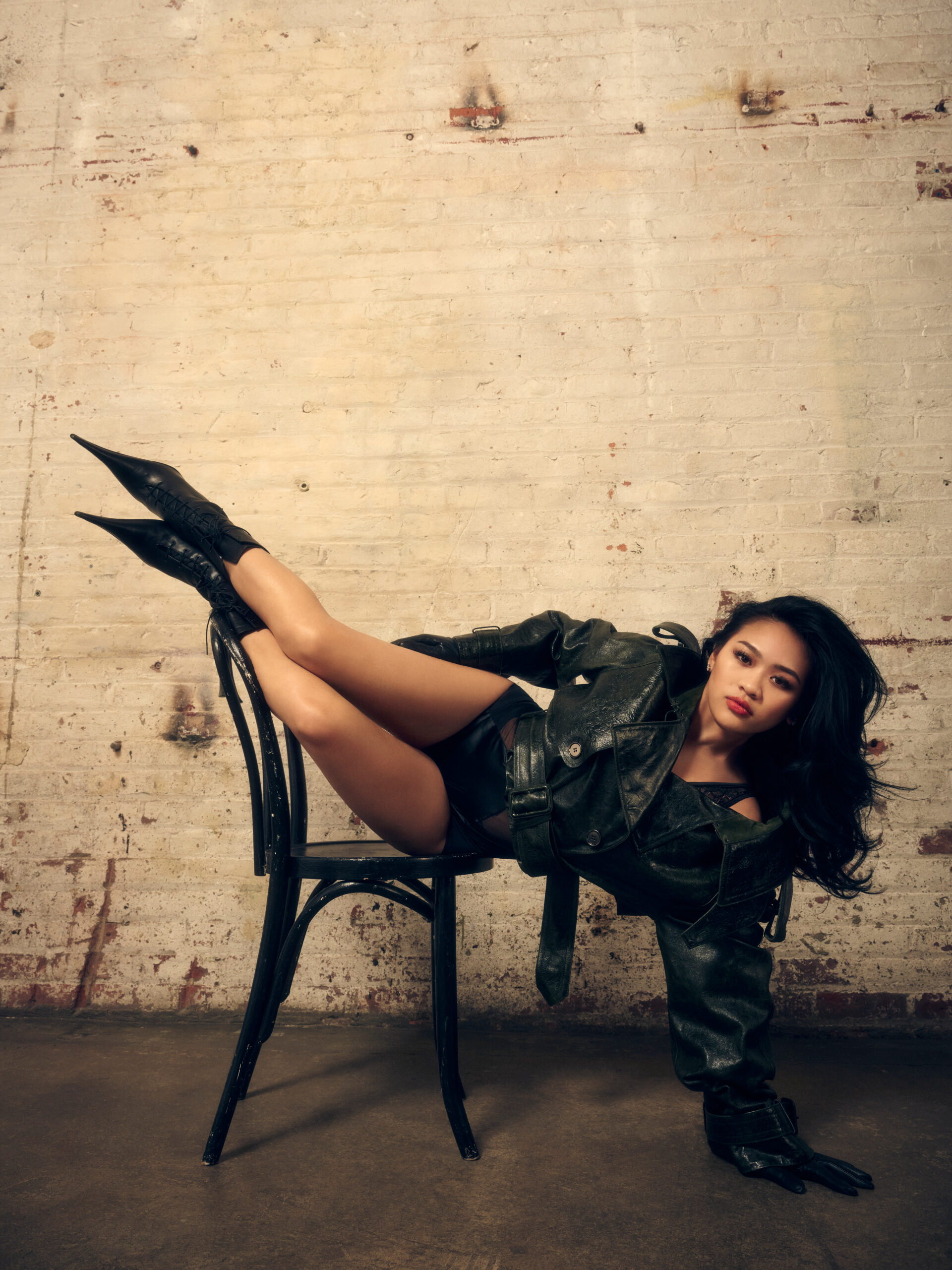
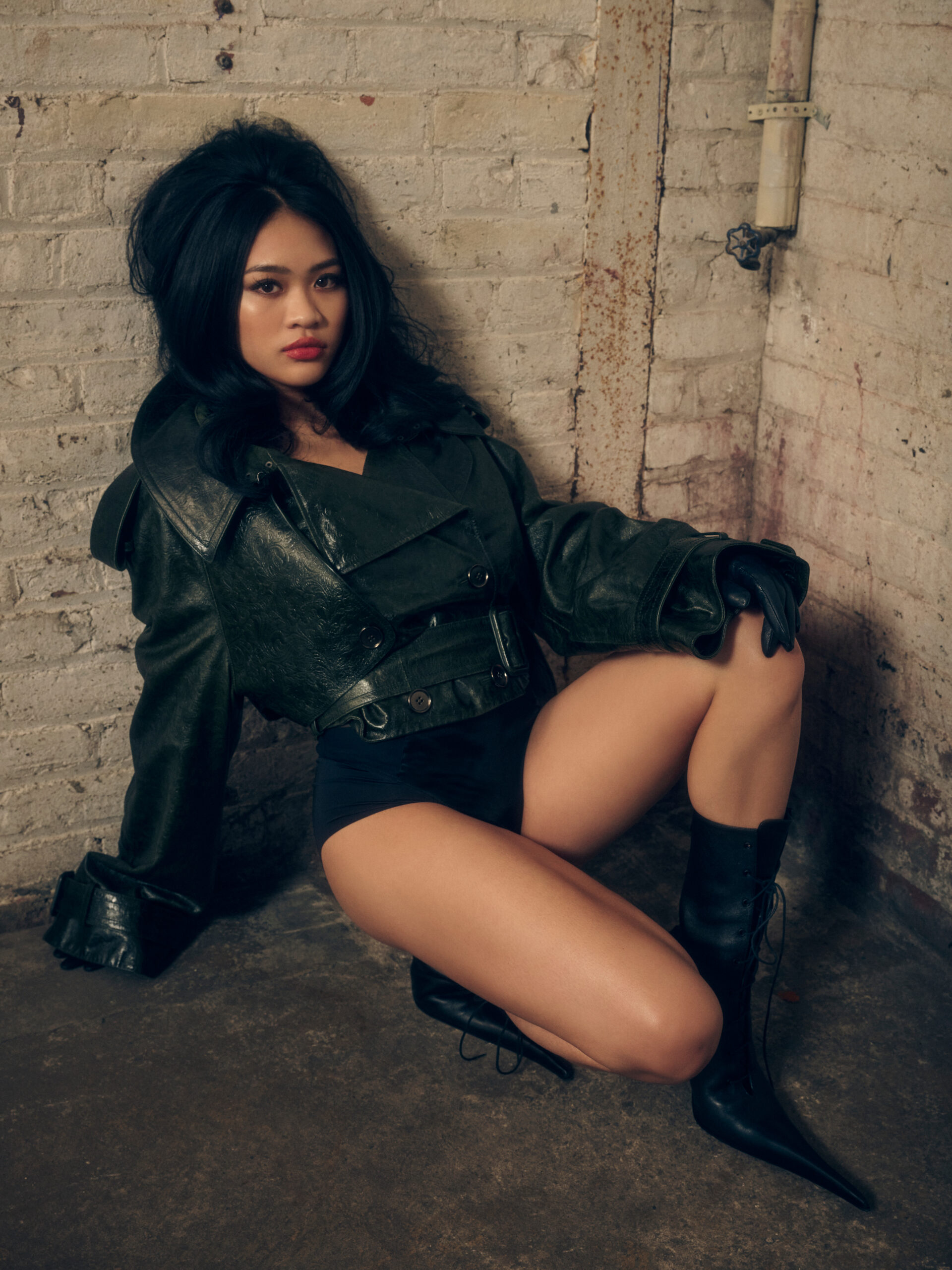
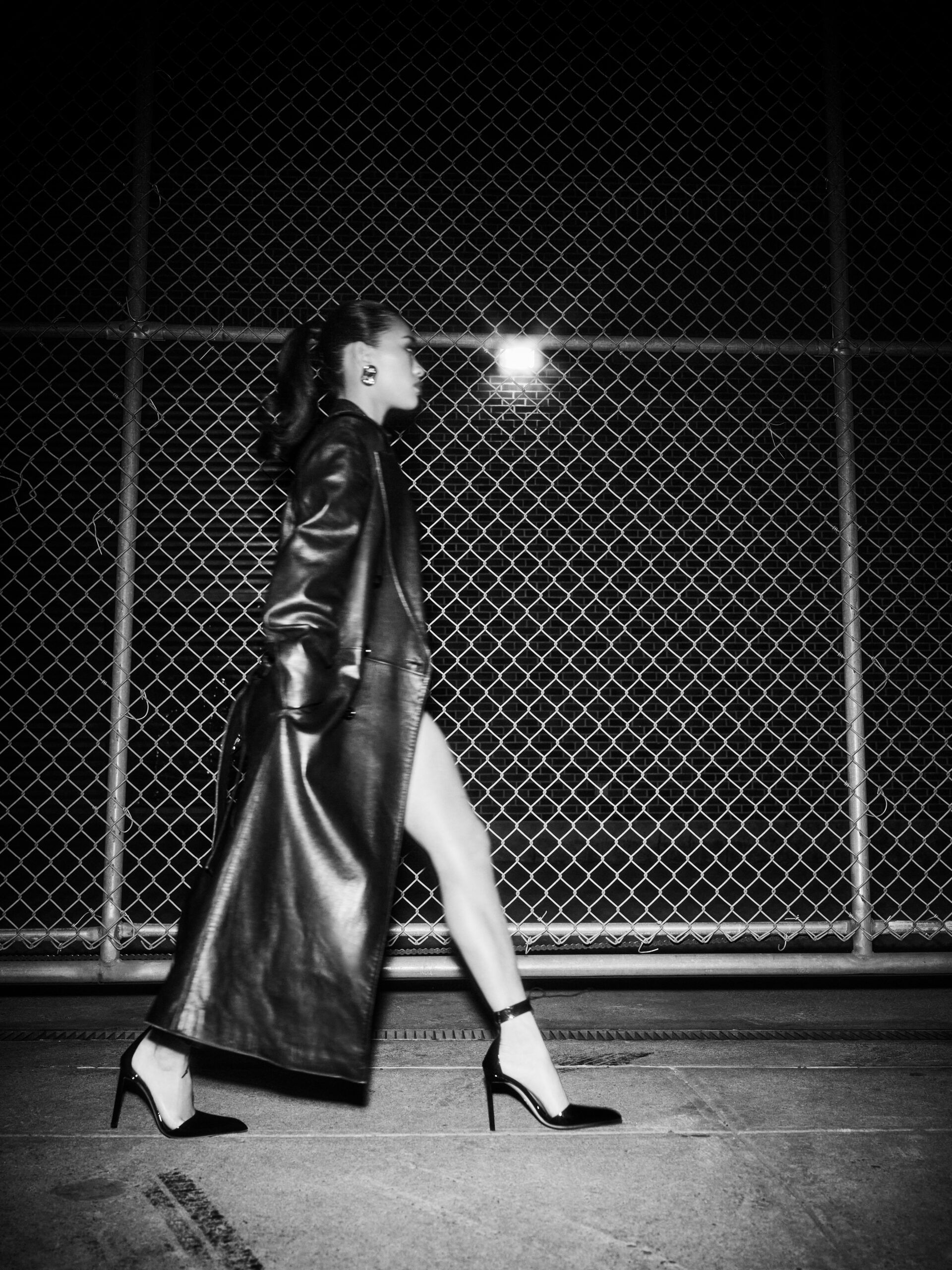
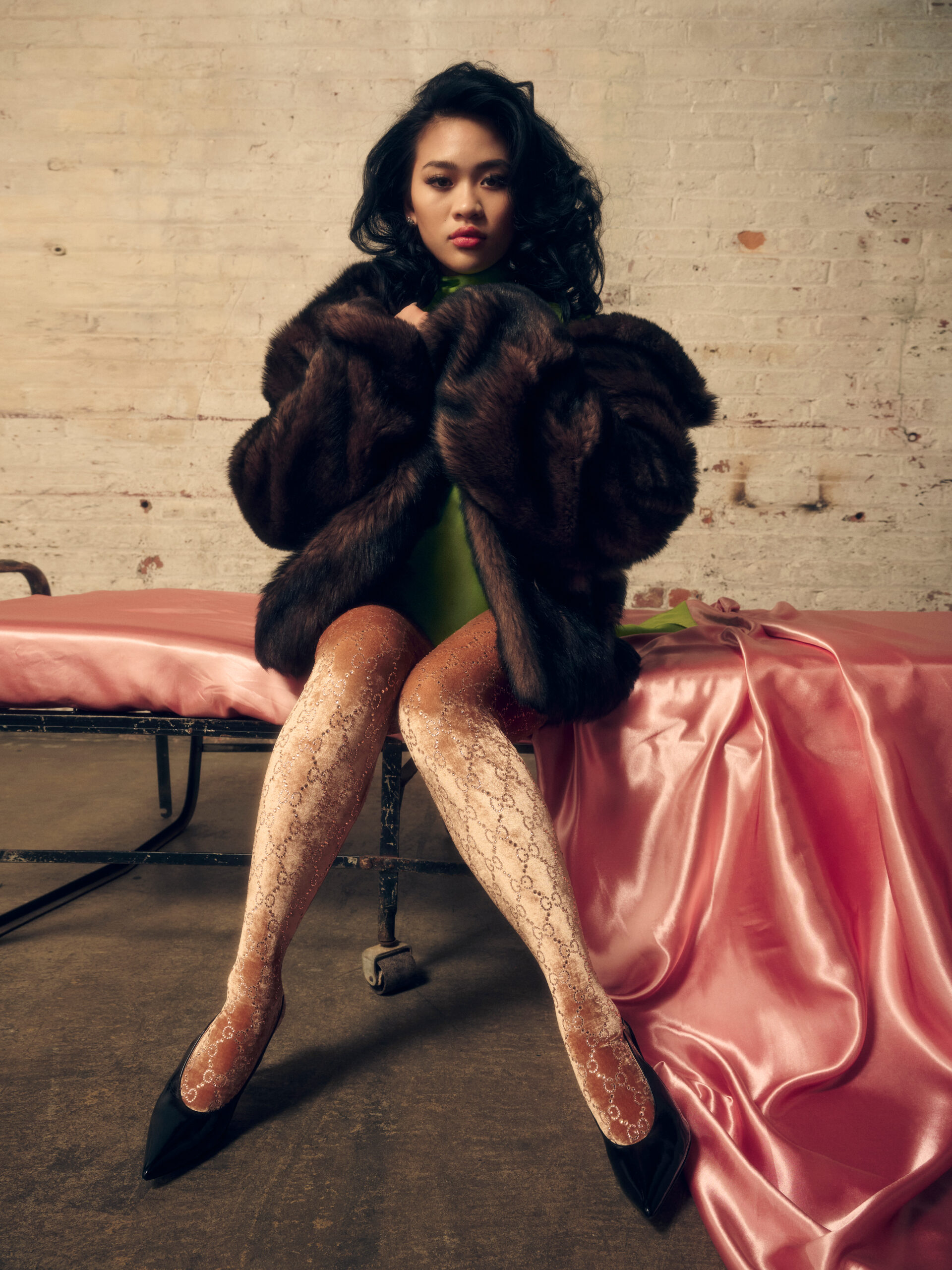
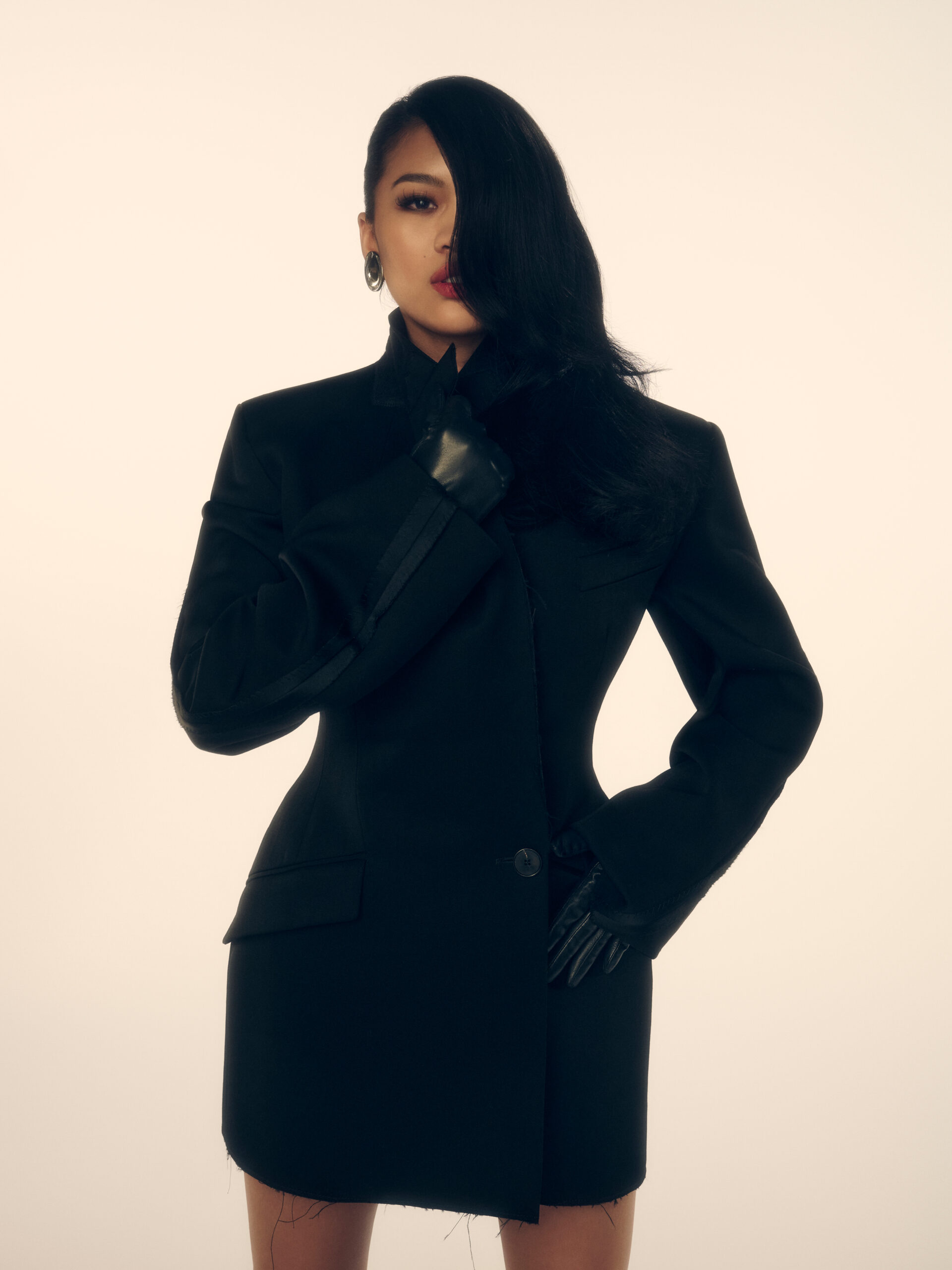
She’s getting into fashion, exploring new opportunities and taking time to be a twentysomething out in the world. But not a normal twentysomething. Recently, Lee made headlines as one of the first athletes to walk in the Victoria’s Secret Fashion Show. She was also the first Hmong American to have graced that particular runway. “I think especially being among the first Hmong Americans to ever do that, it was so cool. I was so happy.”
Like everything she’s accomplished so far, it wasn’t exactly easy. After the VS show, Lee faced intense criticism about her height and body type. In response, she posted a video on TikTok lip-syncing to Ariana Grande’s “Successful” with the caption “Can u guys stop bullying me,” and it became national news. “I was kind of making a joke, but at the same time, I was being serious because there were a lot of people in my comments just being like, ‘You’re so fat. You’re not tall and skinny. Why are we having athletes on the runway?’” she said. “I was like, why are you guys getting mad at me for my height? Like, it doesn’t make sense, but whatever. Everybody is open to their own opinion, but it was overwhelming, especially because I was already nervous and uncomfortable. But, now looking back, I’m so happy that I didn’t listen to them.”
Add it to the list of hurdles Lee has overcome outside her gymnastics career. The eldest child of her mother, Yeev Thoj, a Hmong immigrant, Lee took her stepdad John Lee’s last name when she was a teenager and considers him her dad. John, also from Laos, has been Suni’s greatest champion, and her parents put their all into supporting her talent from the get-go. But in 2019, just days before the U.S. National Gymnastics Championships, her dad fell off a ladder, and the resulting spinal-cord injury put him in a wheelchair. “I thought he was going to pass away when he was in the hospital,” Suni told The New York Times in 2020. “But he told me to go, that he really wanted me to go. So I did.”
Then, in 2023, shortly before she turned 20, Lee woke up to a swollen face and body. After an exhausting series of allergy tests and a biopsy, she was finally diagnosed with two types of rare kidney disease. Though an ankle injury had kept her out of play in 2018, the diagnosis would have a much greater impact on her training. A week before the 2024 Olympic trials, she had to have an infusion. It was a rough and perilous journey to the podium, the extent of which only those close to Lee really knew.
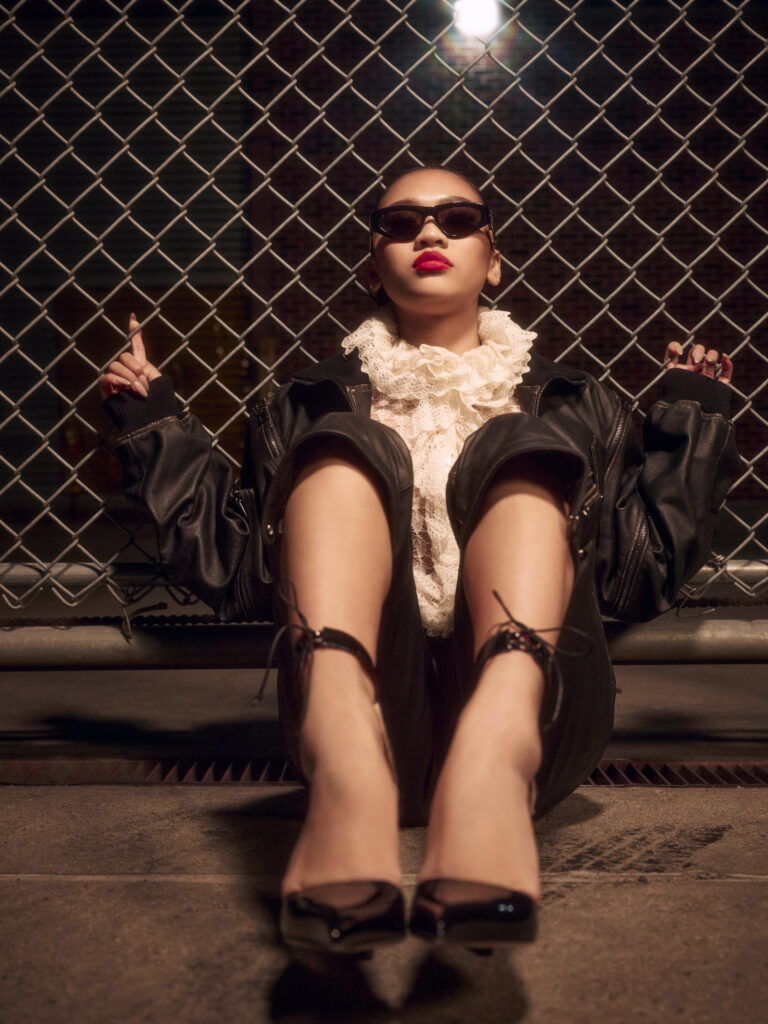
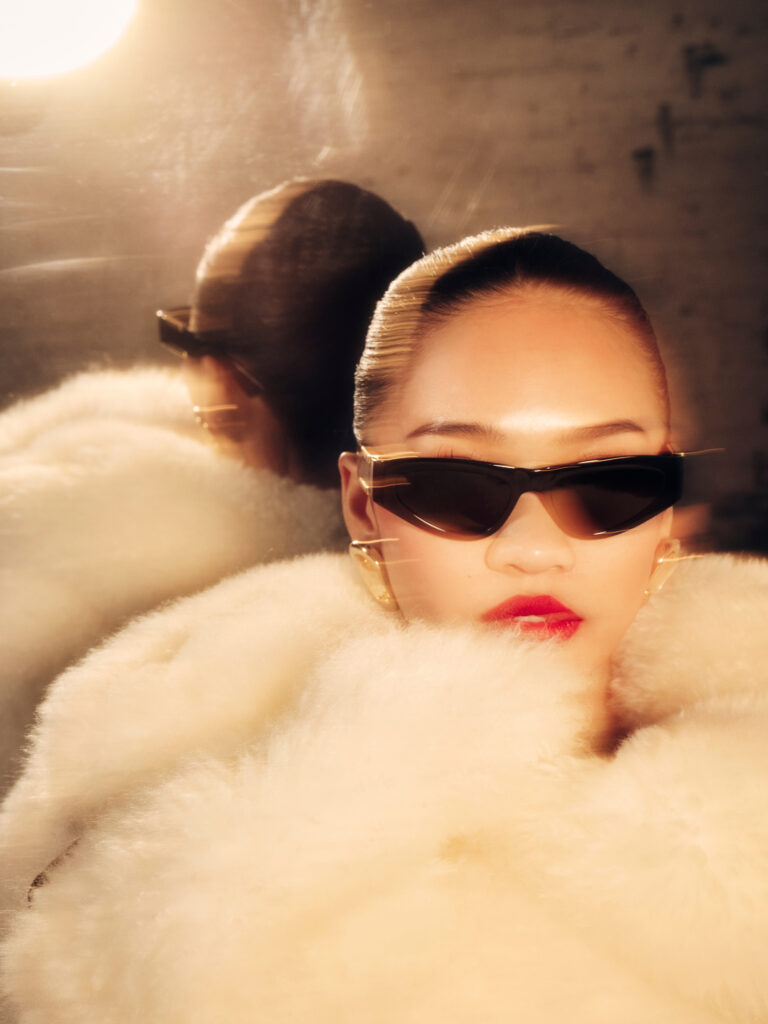
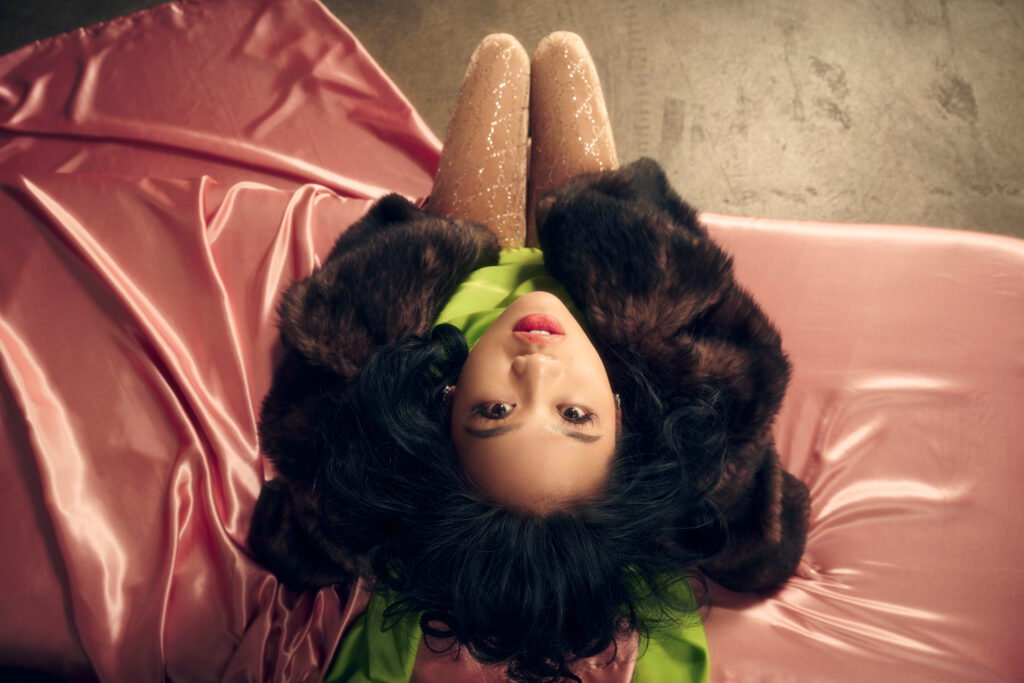
Now, Lee is ready to give her mind and body a break. She’s also ready to have some fun. “I’ve already done two [Olympics], so I don’t know if I want to continue to put my body through that. It’s a matter of not wanting to sacrifice my freedom again, and having to move back home, but we’ll see. Right now I’m trying to enjoy my twenties as much as I can.”
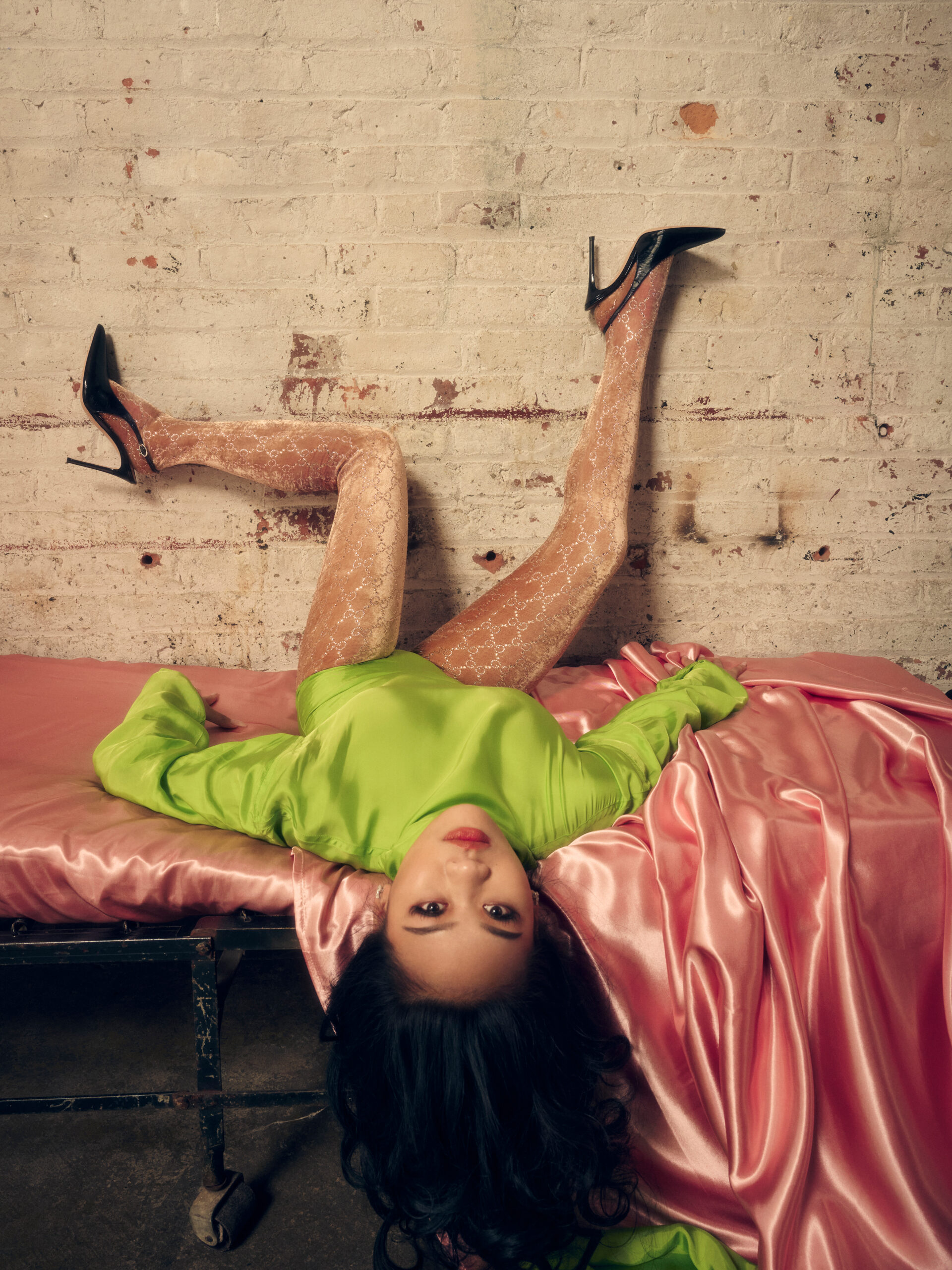
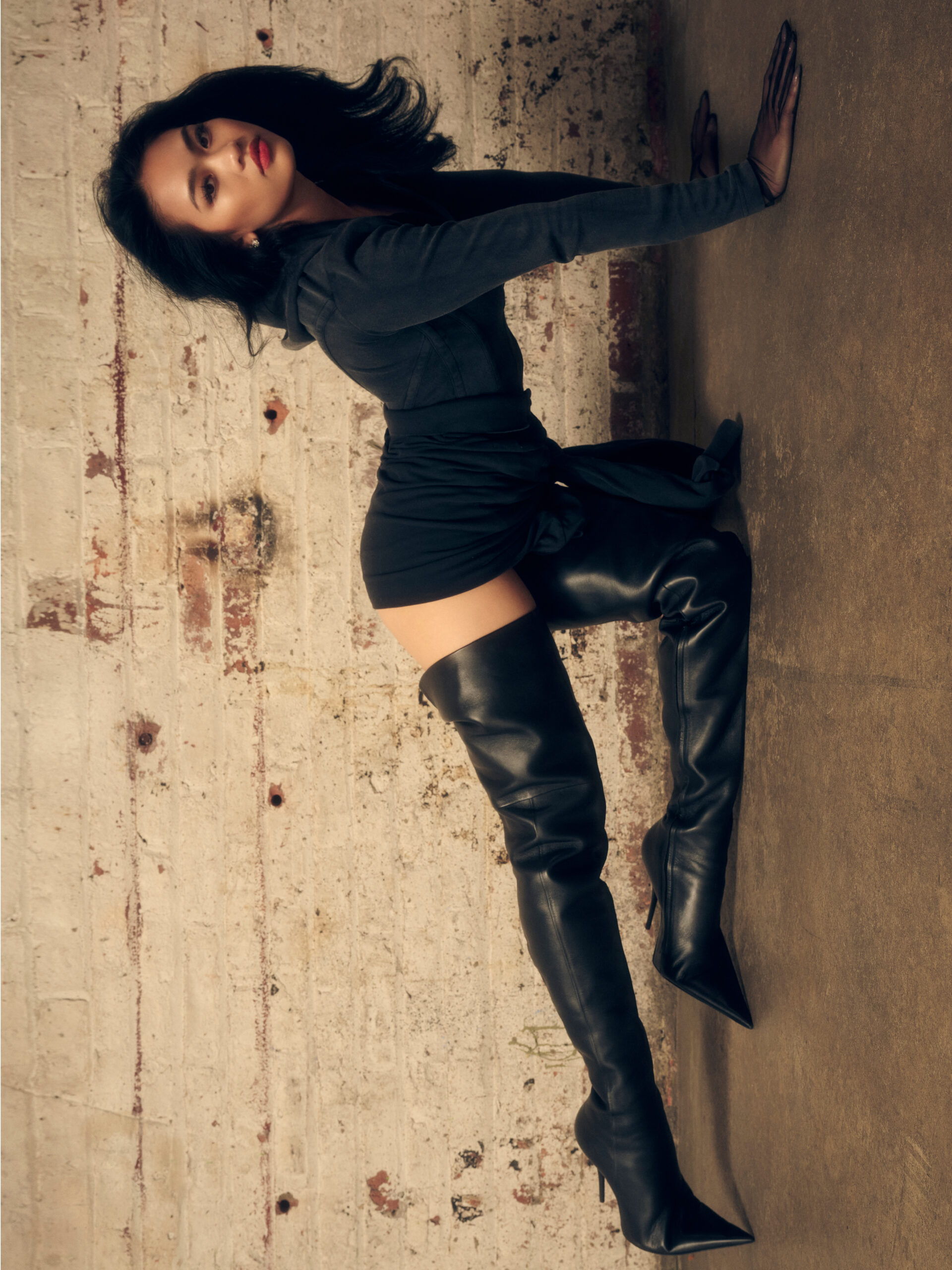
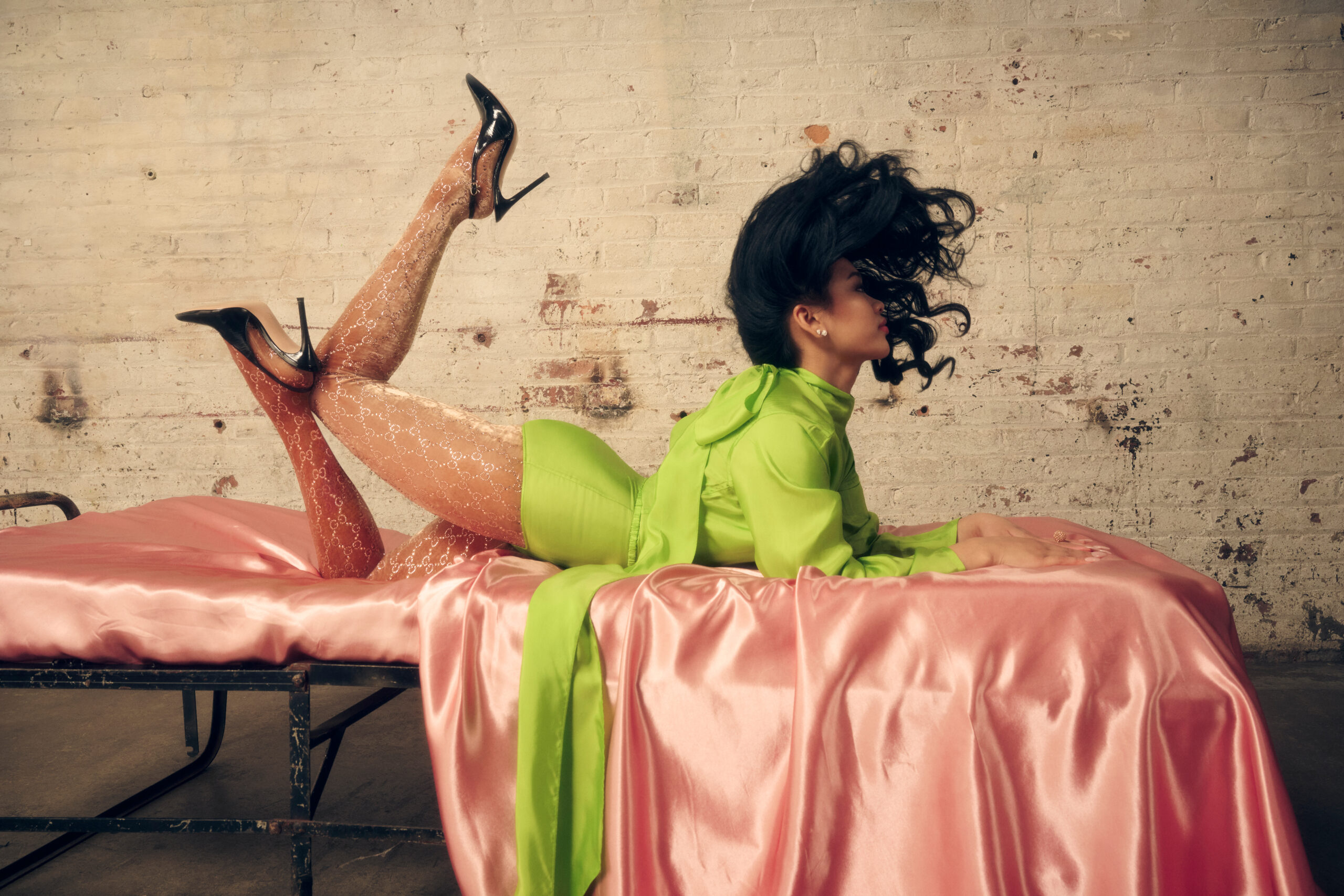
This has meant things like showing up for New York Fashion Week, dipping her toes into acting and saying yes to new opportunities like the VS show. “It’s definitely keeping me busy, so I haven’t been thinking about gymnastics as much.”
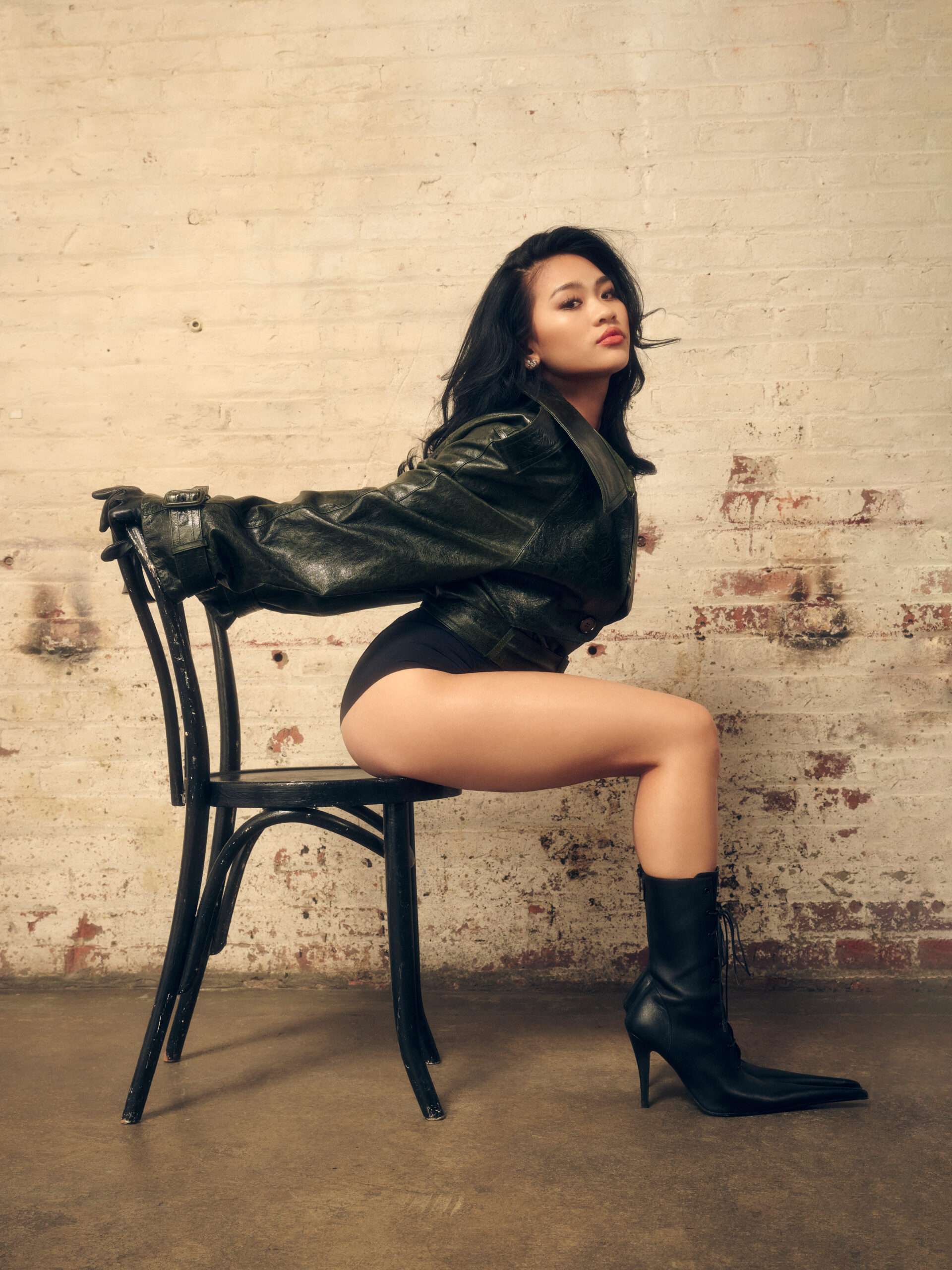
The drive to test her own limits, however, clearly doesn’t end with gymnastics. “It’s funny because anything I do now is scarier than anything I did at the Olympics,” she said. “I struggle [with], like, going to a dinner. My team knows this: I struggle going to dinners and talking to people and walking into places by myself… Doing things like fashion and the VS runway or even photo shoots, I get so nervous. People ask me all the time if it’s harder than gymnastics, and a lot of the time I say it’s harder, just because I haven’t done it as much.”