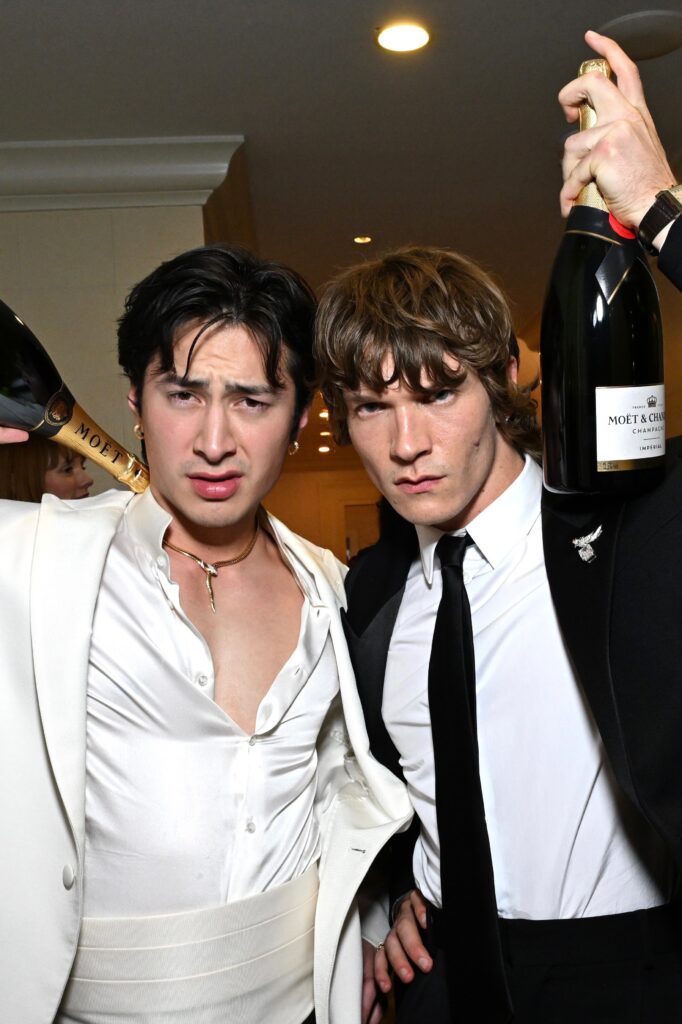

Sports are inherently romantic. Sure, the sheer volume of sports data (and the speed at which it’s analyzed) has skewed our view of the professional leagues. In a post-Moneyball world, the statistician’s view of the game has reigned — until now.
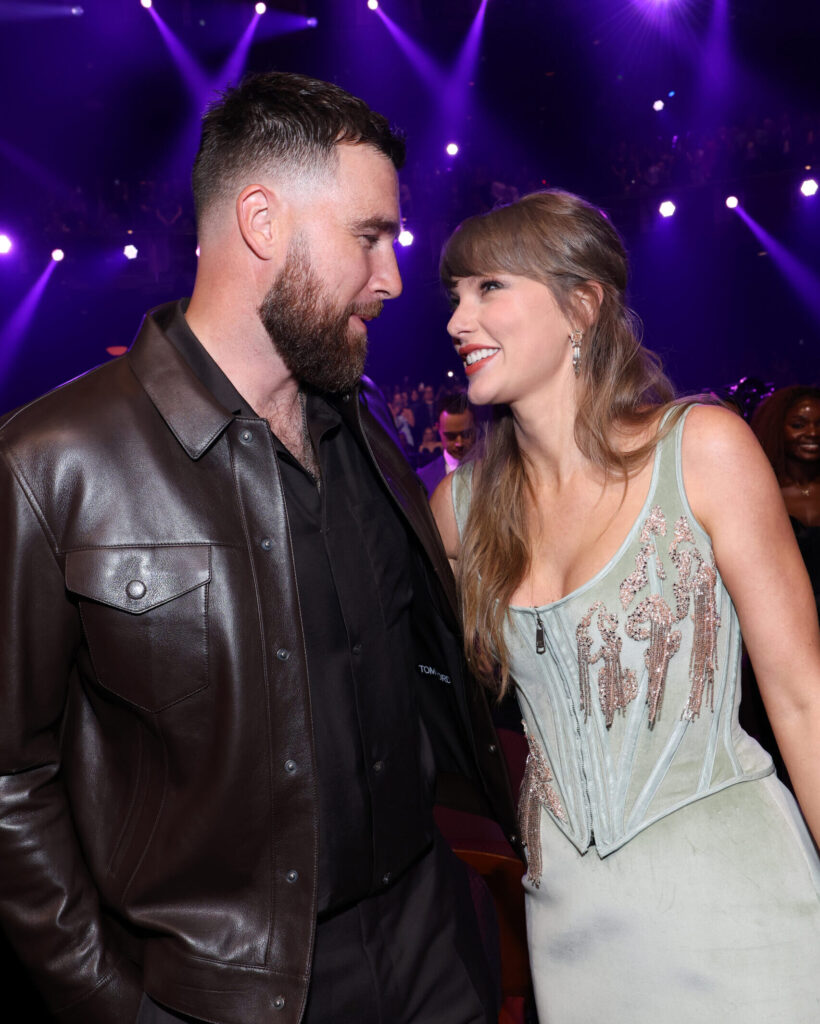
Case in point: Travis Kelce, once considered the top tight end in the NFL, statistically disappointed at every level in the last season, with declining yardage and receptions dutifully noted on ESPN. But everywhere else, especially on social media? There’s no metric for how meteoric Kelce’s blooming romance with Taylor Swift (they’re engaged and rumored to get married this summer) has been, causing a “spike in all female demographics, from teens to college age to the over-35 set, per Nielsen and NBC ratings,” according to Variety. This cohort is clearly interested in far more than stats.
So, it’s no surprise that as the sports statistician’s era is fading, in its place, a renewed era of sports romance in entertainment is exploding. This is thanks in no small part to the unexpected fandom for Heated Rivalry, a steamy and semi-sexually graphic romantic drama series following two pro hockey players. The show spotlights quiet, amiable, and serious Shane Hollander (Hudson Williams), a mixed Japanese-and-white Canadian pro hockey player and captain of the fictional Montreal Metros, and loud, brash Ilya Rozanov (Connor Storrie), the Russian star center and captain of the also-fictional Boston Raiders. The unexpected streaming hit is getting everyone from wine moms to sorority girls to, well, gay men themselves quite horny.
There’s no denying that since their inception, there has been a ruthlessly beating heart at the center of sports. Long before the pitch clock came to be, let alone online betting markets, John Irving made the romance and poetry of baseball, America’s first sporting pastime, clear enough in his classic novel A Prayer for Owen Meany.
Irving writes that it “is a game with a lot of waiting in it; it is a game with increasingly heightened anticipation of increasingly limited action.” That sounds a lot like… love itself: a protracted longing for the brief kiss, messy first sexual experience, and goosebump-inducing moment of genuine connection. It’s a pitter-patter not unlike eagerly hoping the crack of a baseball against a bat will become a home run for your team that eventually turns them into World Series champions.
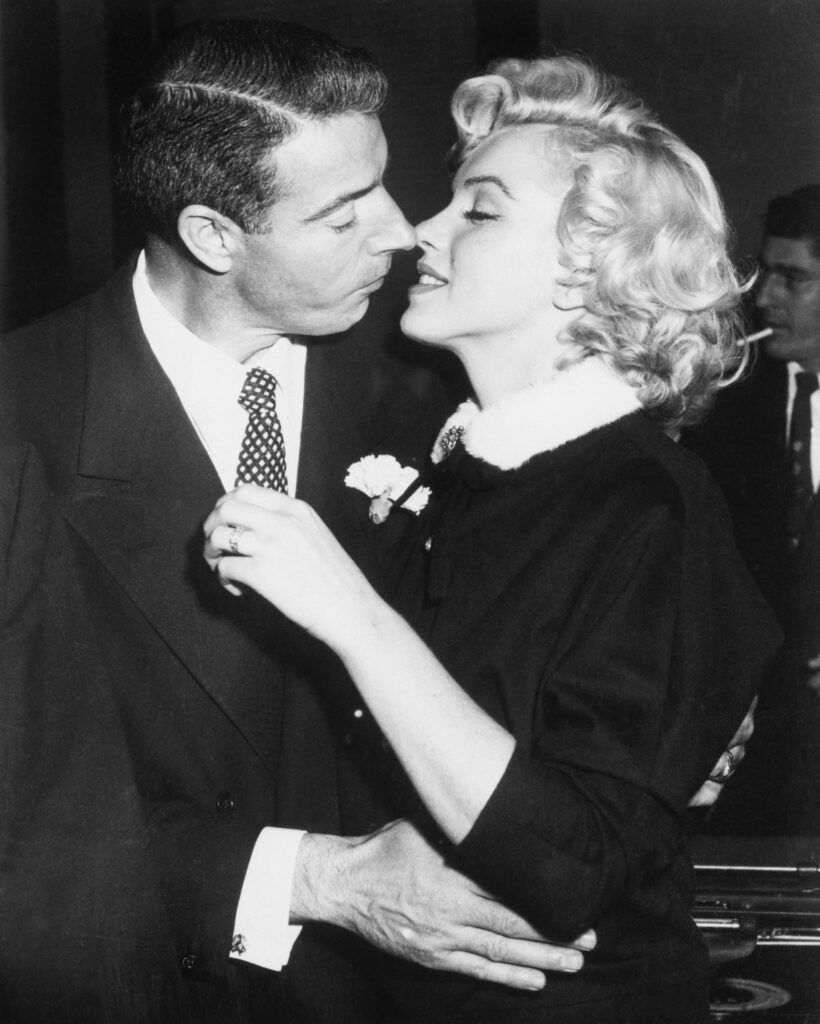
Decades preceding the numbers-obsessed analysis of financial journalist Michael Lewis and statistician-icon Nate Silver, baseball epitomized swoony American pop culture, going back to the starry, infamously tumultuous relationship and eventual marriage between Joe DiMaggio and Marilyn Monroe in the 1950s. In the ’90s, novelist Susan Elizabeth Phillips essentially devised the modern sports romance category with her witty, character-driven, award-winning books like the Chicago Stars series, in which a woman with no sports knowledge inherits a pro football team.
The new rise in sports romance takes the baton from Phillips, adding more quirks, nuances and diverse representation. Among the big sellers: the Game Changers series of novels by Rachel Reid, on which Heated Rivalry is based; Elle Kennedy’s Off-Campus series (college hockey); and Kennedy Ryan’s Hoops series (basketball).
On Heated Rivalry, our two ice kings develop, in fits and starts over several years, a sexual and romantic relationship (one of the clever tricks of the direction and editing is how it makes protracted time jumps feel completely natural). But their pairing is troubled by the fact that both feel the need to keep their love for each other under wraps, as fears of career suicide by coming out in the NHL — along with broader societal homophobia — are still very real.
A modestly budgeted Canadian series from streamer Crave (4.1 million subscribers), Heated Rivalry was licensed and simultaneously broadcast on HBO Max (128 million subscribers) starting on November 28. It quickly became the biggest debut ever for an original series on Crave. It’s also among the top five most-watched scripted debuts on HBO Max in 2025 and the streamer’s largest ever acquired debut for a non-animated series, Slate reports.
“I’ve been so consumed by HR that I don’t even remember a time before it,” a Reddit user wrote on the series subreddit in late December, as the show’s wild success was being cemented. (The subreddit boasts 460,000 regular users as of this writing.)
“My brain literally cannot recall a time where I was not obsessed,” another fan said, “when I know for a fact I only learned about HR like two weeks ago.”
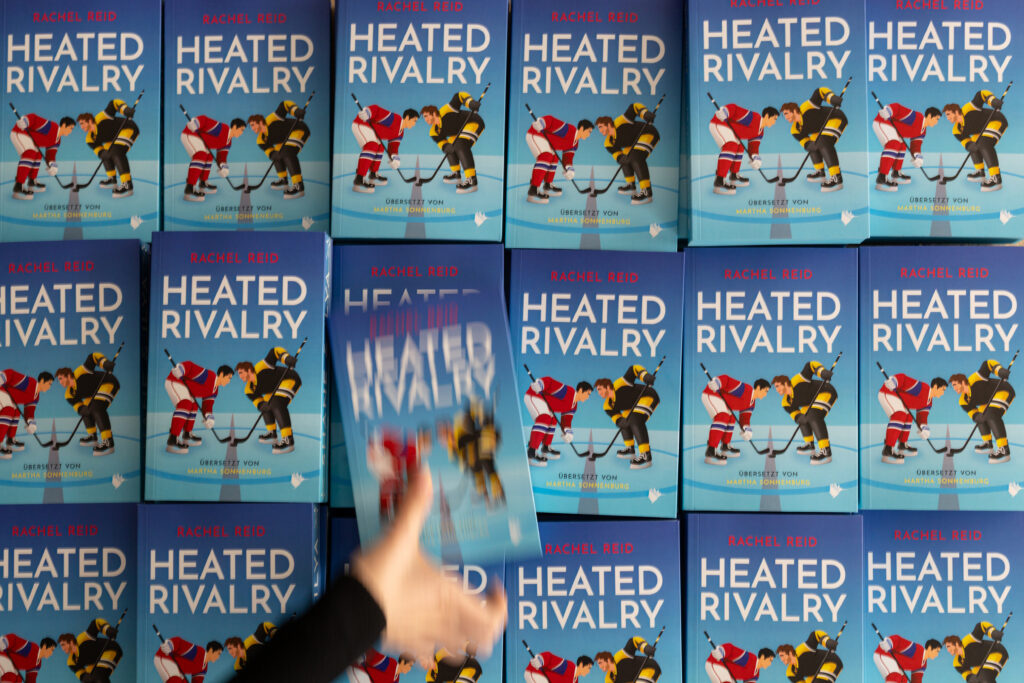
The not-so-secret sauce of the Heated Rivalry surge is that it appeals, massively and surprisingly to some, to women. Using Reid’s already-popular series of romance novels, which started with 2018’s Game Changer, as the source material, the show is based on and titled after the second book, released in 2019.
Reid’s novels became bestsellers, with sales of 650,000 copies under Harlequin (owned by HarperCollins), but the publisher was blindsided by the scale of the TV audience charging forward. The books soon sold out on Amazon, though they’re currently back, with Heated Rivalry boasting a No. 20 ranking on the overall Amazon Charts.
The book sales keep slap-shotting. According to The Hollywood Reporter, HarperCollins announced in its fiscal second quarter earnings in February that revenue grew by 6% to a new record of $633 million, with credit largely going to Reid’s Game Changers series. Robert Thomson, the CEO of parent company News Corp (yes, the same one controlled by Rupert Murdoch and his son Lachlan, conservative media owners of Fox News), said on the earnings call: “Ice hockey stereotypes are melting away as players pursue each other, and a puck.” That’s one hell of a blurb.
Now, the unofficial theme song of Heated Rivalry, the 2002 t.A.T.u. hit “All the Things She Said,” which was played during a club scene in the fourth episode, is being blared in NHL arenas in solidarity with the fandom.
But it’s not just Reid’s series that has the subgenre hot. According to Circana BookScan data, sports romance was among the two fastest-growing romance subgenres in the print book market in 2025 (the other being romantic fantasy, aka “romantasy”). Romance in general showed the most growth of any adult fiction subject, fueled by the social power of so-called BookTok on TikTok.
Nothing about this phenomenon is surprising to Lauren Rowe, a bestselling author in the contemporary romance genre. Based in and having grown up in San Diego, she started rooting for the NFL’s Chargers from childhood (though they’re dead to her ever since the team moved to Los Angeles in 2017) and became obsessed with HBO’s long-running Hard Knocks, a docuseries starting in 2001 that goes inside an NFL team during training camp, revealing hidden career struggles and demands as the season approaches.
Rowe’s latest book, Chasing the Ring, is about a runaway bride who, after meeting a hunky NFL quarterback on vacation in Hawaii, is thrust into the inner sanctum of pro football as they fall for each other.
Though it was published in late January 2026, and is presently ranked in several Amazon best-seller categories, she can’t deny the fortuitousness of the timing. Rowe had no idea if Chasing the Ring would hook readers when she started working on it a few years ago. The novel is now being expanded into its own series, called Football and Feels. The follow-up, Chasing the Rush, which she’s still writing, is expected to come out July 28, 2026.
Similar to what Heated Rivalry did for hockey, Rowe hopes to “peel back the curtain a little bit more on football — and what I’ve learned from watching [Hard Knocks] those 20 years.” Chasing the Rush will center on aspiring NFL analyst Chelsea Parker and pass rusher Luca Maguire, a player on the bubble, who are forced to interact during training camp.
Rowe also tips her hat to the elephant couple in the room, the union of Swift and Kelce, which permanently transformed the NFL in ways fans love and hate, driving up viewership especially among female fans and younger people.
“That was a major steroid shot to the whole thing,” Rowe says. “I wrote Chasing the Ring long before they got together. But when I saw all these people excited to watch the games and wearing Travis Kelce jerseys when they’d never watched a football game before, I [thought], ‘Oh man, this is incredible. Chasing the Ring is going to find an audience, 1,000%.’”