
Not so long ago, it was customary for athletes to fill a very specific role in society. As recently as the 1990s, athletes were supposed to play well, sign autographs for fans and, beyond that, keep their heads down.
But a confluence of cultural headwinds helped revolutionize the notion of what being an athlete can mean, and a new generation has been emboldened to be unapologetically forthright with their images, political beliefs and commercial endeavors. A not small part of this is thanks to social media, which has given athletes direct lines of communication to their fans, and thus upped their value as ambassadors. More and more, brands look to athletes — rather than celebrity figureheads like actors or musicians — for collaborations, deals and even creative direction. For example, 2025 NBA champion Shai Gilgeous-Alexander was tapped as the creative director of Converse’s basketball division, while seven-time Formula 1 champion Lewis Hamilton has co-designed menswear collections with Dior.
Now, the sports industry is witnessing the emergence of a new athlete vanguard: sports stars pushing the boundaries of their respective disciplines, and not just from an athletic standpoint, but culturally as well.
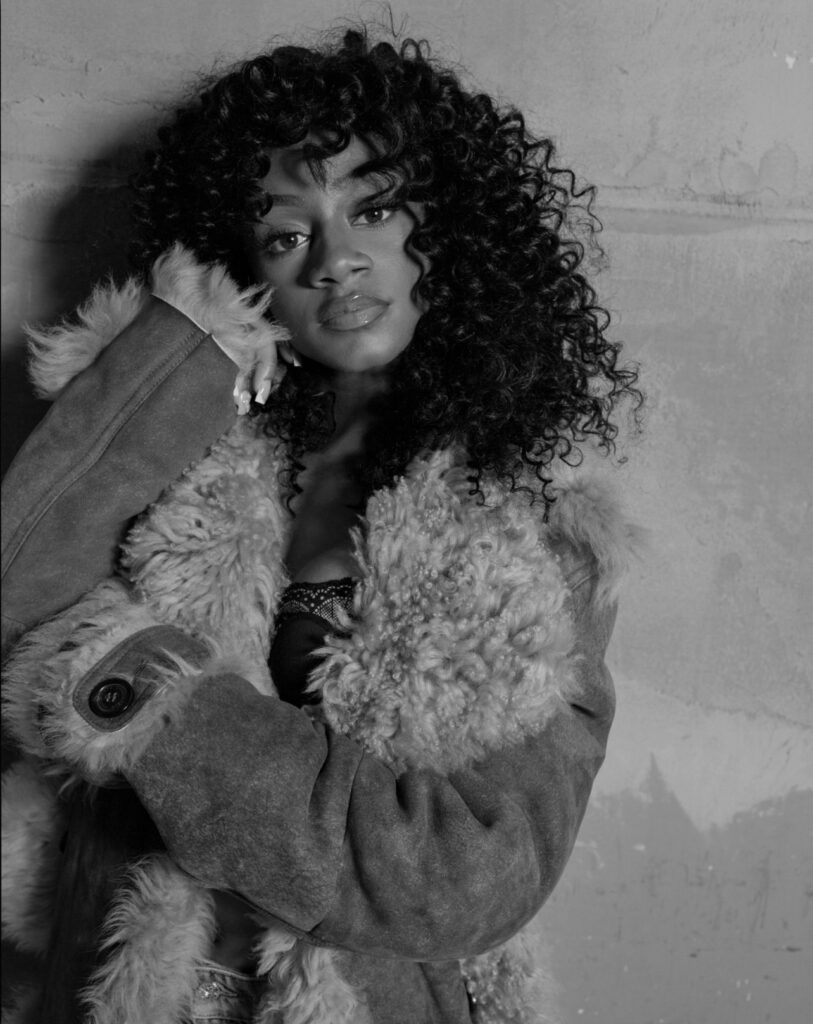
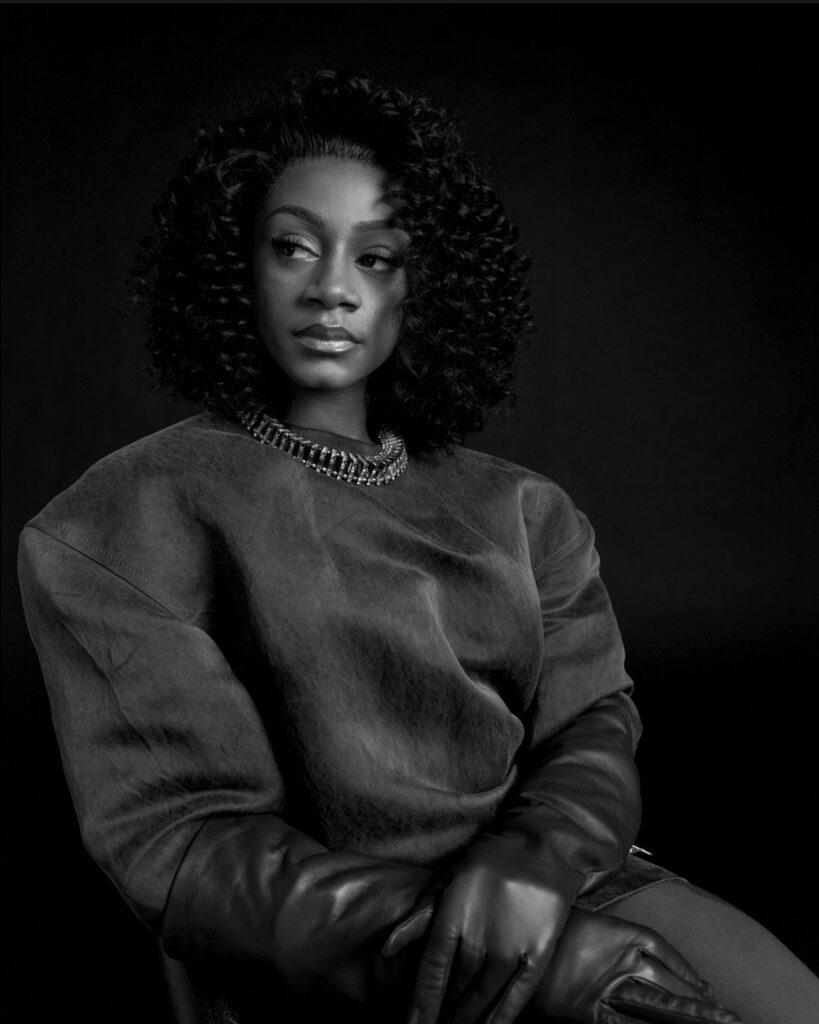
At the forefront is, without a doubt, Sha’Carri Richardson. Born in Texas and shaped by Louisiana State University — which has produced a never-ending pipeline of next-gen athletic talent in recent years, from Angel Reese to Joe Burrow to Livvy Dunne to Mondo Duplantis — Richardson burst onto the scene as a freshman at the 2019 NCAA Championships, setting a then-collegiate record in the 100 meters, clocking a time of 10.75 seconds.
Since turning pro and shooting to global superstardom thanks to her unapologetic flair, image, charisma and on-track dominance, Richardson has experienced both the highs and lows of life in the spotlight — from Olympic medals to a month-long suspension from the sport in 2021.
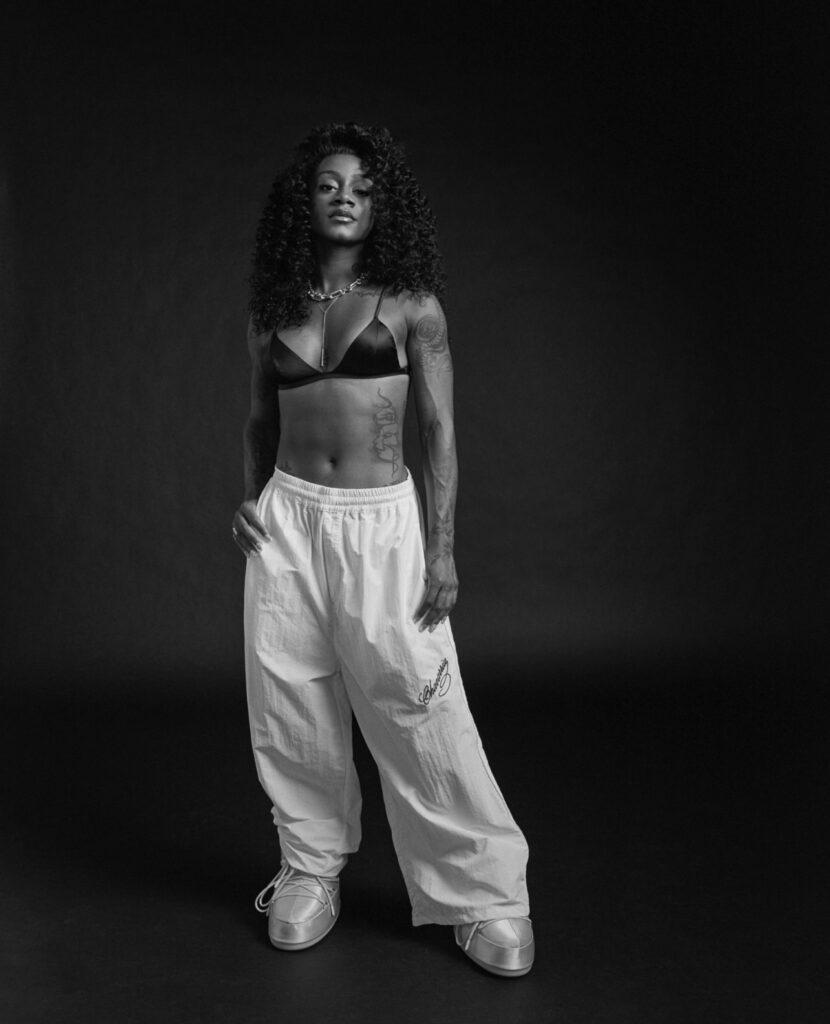
After picking up a gold and a silver medal at the 2024 Olympic Games in Paris, Richardson’s 2025 season has arguably been one of the more challenging campaigns of her career to date, littered with injuries, performances falling below her high standards (such as her fifth-place finish in the 100m at the World Athletics Championships) and off-track controversies conspiring to stutter her progress. A low point came with her arrest in July following a public altercation with boyfriend and fellow USA athlete Christian Coleman at an airport in Seattle, though the case was swiftly dropped and the pair subsequently expressed their support for one another. Nonetheless, a quick search online brings up countless news outlets and social media posts detailing the 25-year-old’s “year to forget.”
But many of the most successful athletes’ careers are nonlinear ascents — full of challenges, bumps, bruises and knock backs, which serve to strengthen their mindsets. If it was a challenging year for Richardson, it certainly wasn’t evident from her accolades and achievements. At the same World Athletics Championships in Tokyo, Richardson held off Jamaica’s Jonielle Smith with her searing pace in the anchor leg of the 4×100 relay, even in the torrential rain, to bring home gold for Team USA. By the fall of 2025, Richardson proved she could dig deep to end her season on a high note.
Meanwhile, and parallel to Richardson’s career arc, the world is seeing a long-overdue cultural reawakening in track and field, a sport that soared in the imagination of the general public during the ’80s, ’90s and early 2000s, but fizzled due to a lack of investment and a vacuum of genuinely transcendent athletes in the post–Usain Bolt era. Along with her peers, including fellow USA Olympic gold medalists Gabby Thomas, Sydney McLaughlin-Levrone, Masai Russell, Tara Davis-Woodhall and Noah Lyles, Richardson is part of a cadre of track and field athletes bringing a natural star power to the sport. As public figures, they are adept at parlaying a dominance in their sport into fluid cultural cachet that infuses their activism, content creation or work in the fashion industry. Together, they’ve bucked the trend of track and field’s intermittent, Olympic-cycle relevance. The World Athletics Championships, for example, saw sold-out crowds almost every night. “I see myself shaping the view of track and field as something that doesn’t just happen every four years, but literally is followed each and every year,” Richardson said. “I do that by treating every meet like the [Olympic] Games, and showing up with my best energy, my strongest exterior, physically, mentally, emotionally on point and treating track and field like it’s just as important and just as exciting as any other sport.”
It was no coincidence that Richardson was tapped to be one of the faces of Nike’s high-budget “So Win” campaign, an empowering flex of the brand’s female athletes and stars, which launched earlier this year with a splashy Super Bowl spot. “Women’s sports have always been here,” said Richardson. “But that Nike campaign really showed that finally we are getting the eyeballs, the investment and the general respect.”
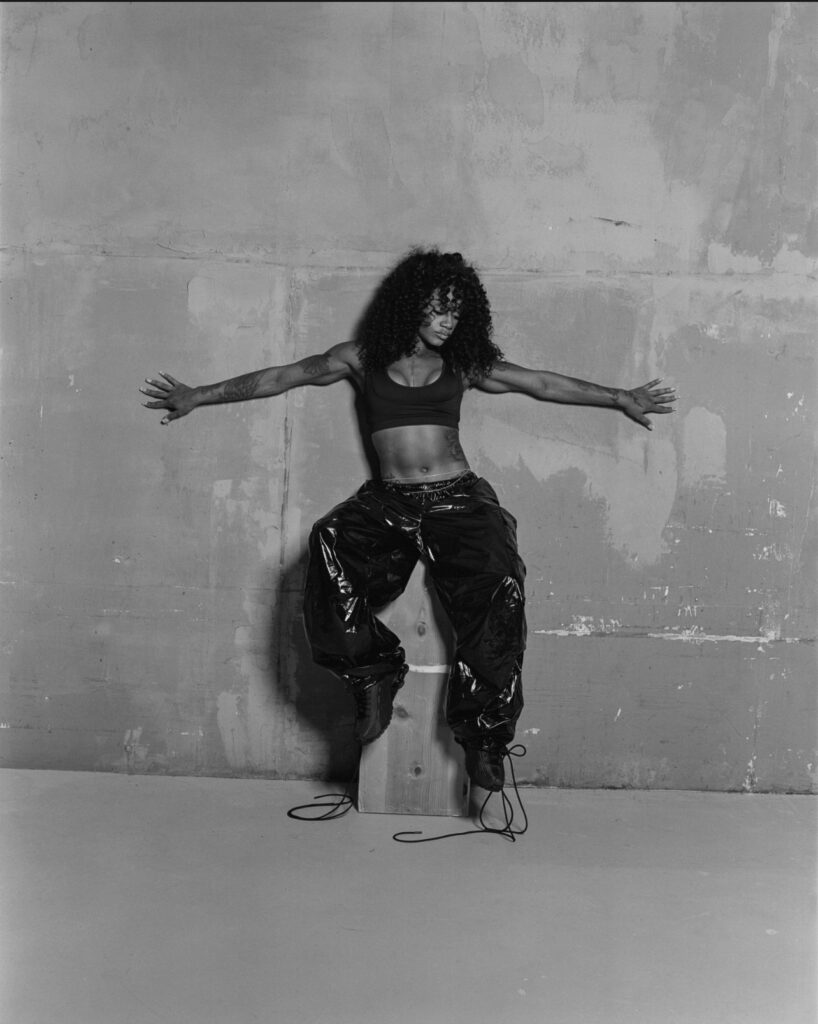
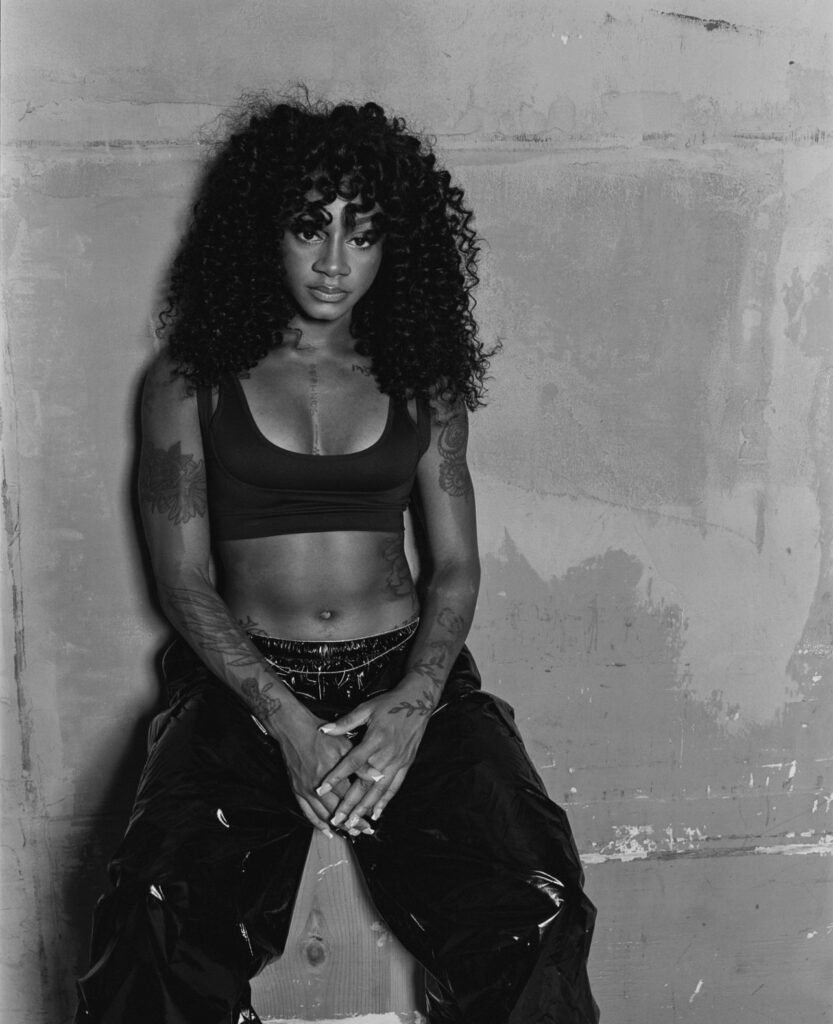
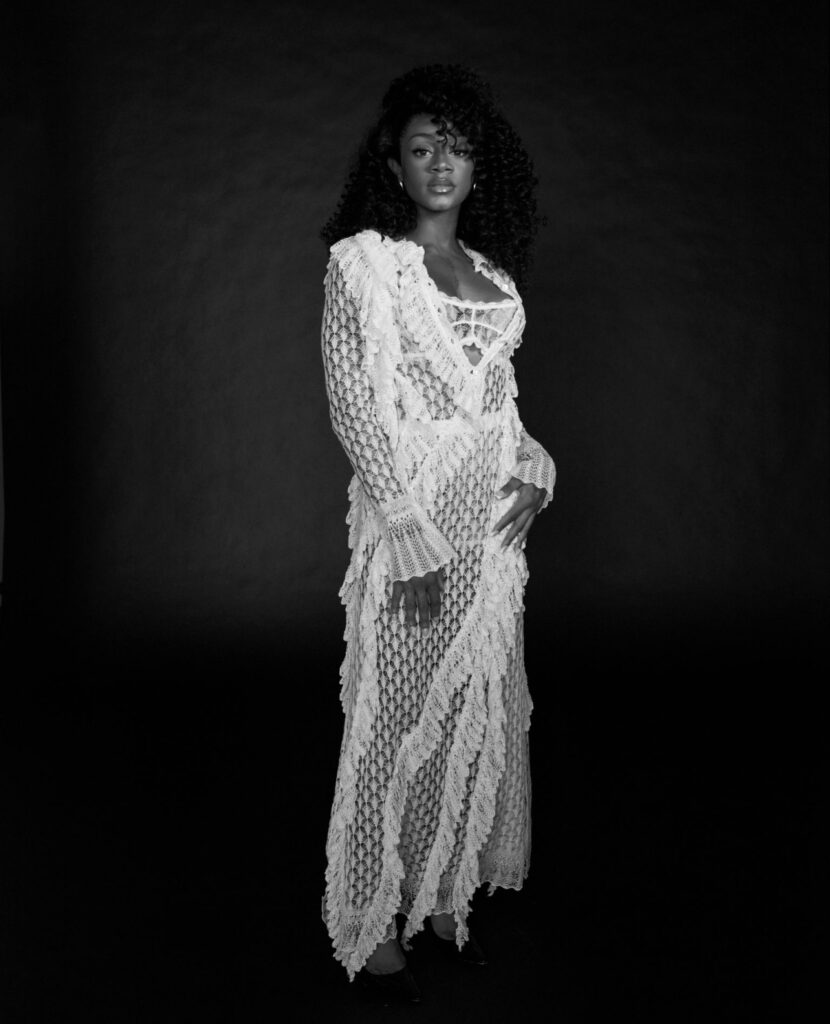
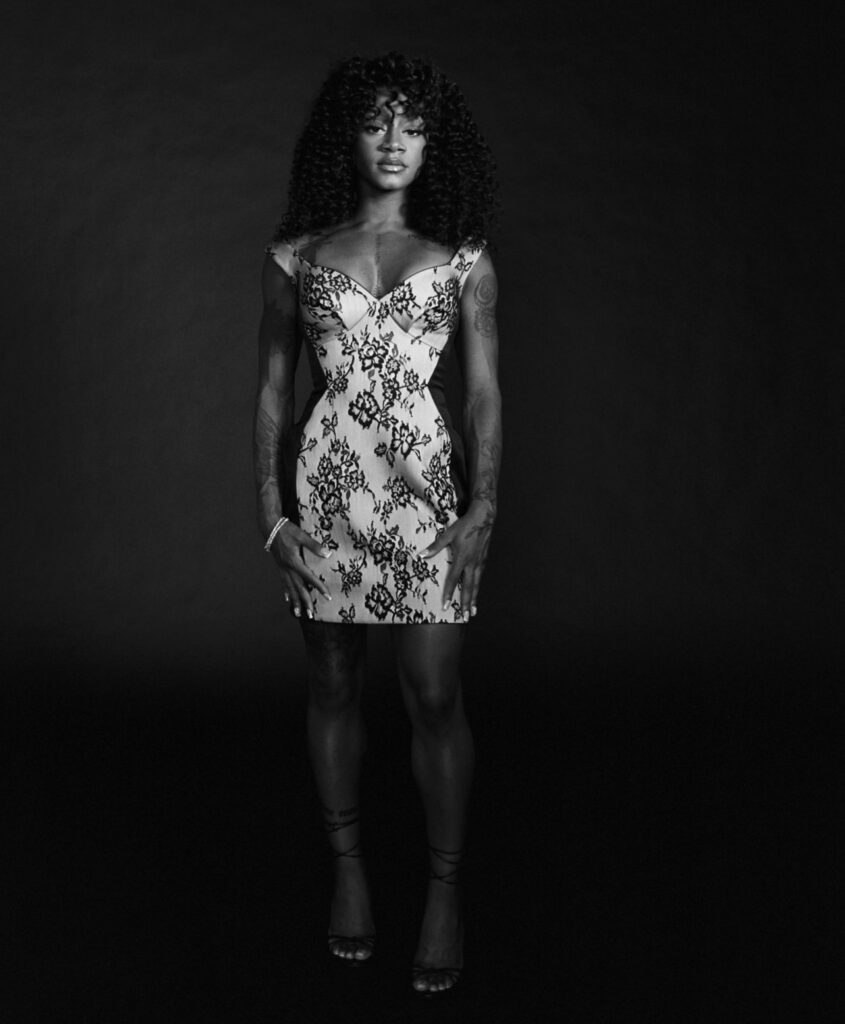
Nike’s positioning of Richardson has underscored her value as a cultural force far beyond running. As did her central role in the launch campaign for the inaugural NikeSKIMS collection, the brand’s partnership with Kim Kardashian’s shapewear megabrand. Though Richardson’s flair set her apart from the outset, campaigns like these have helped demonstrate how important self-expression, and fashion, really is to the world of sports. “It’s the freedom of creativity that comes with fashion which draws me in,” she said. “It’s relevant to me because it reminds me of the freedom you search for when you’re running on the track, the softness, the flow.”
But even Richardson has a hard time believing that the things she’s done naturally — incorporating her personal style even into her race-day looks, whether with her long, colorful nails (customized for the occasion) or her hair — have become hallmarks of athletic stardom. “It continues to shock me that I’m more than just a runner,” Richardson said.
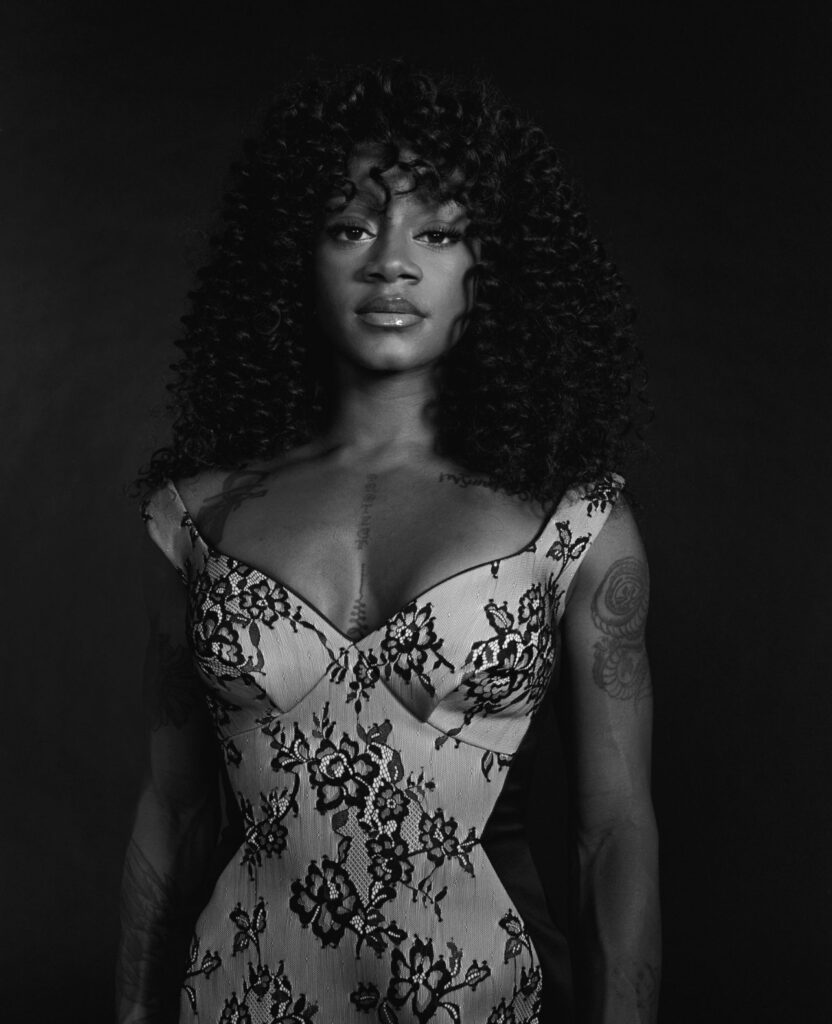
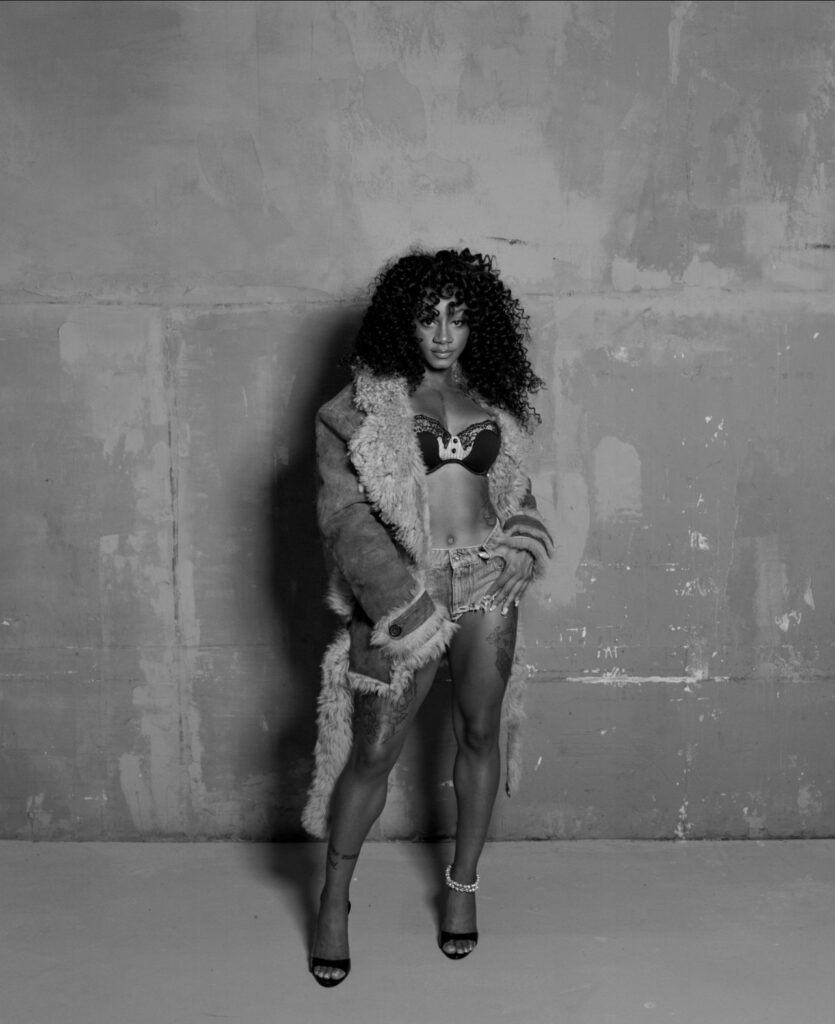
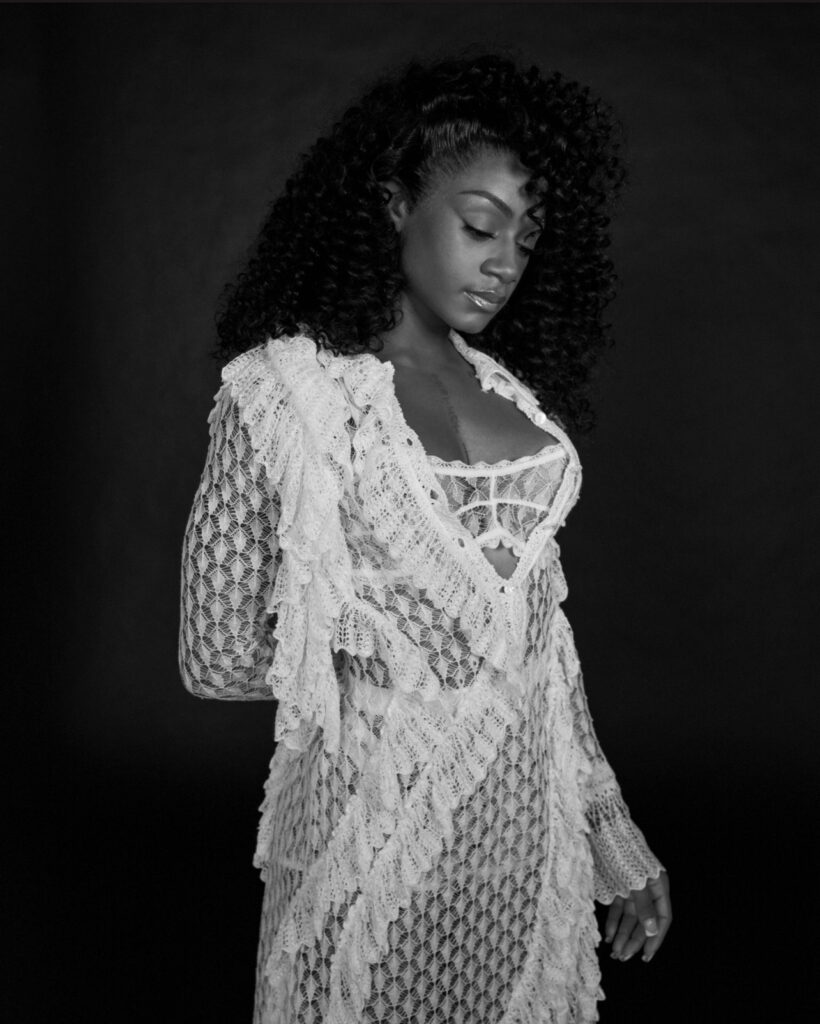
Another hallmark of this new generation of athletes is a desire not only to be aligned with fashion and beauty brands but to be part of the business behind them, as well. In May, Richardson announced her involvement in Athlos, the New York–based track-and-field start-up tournament founded by Alexis Ohanian, which boasts one of the largest prize purses for a women-only track event in the history of the sport. Richardson was granted equity and became an advisor-owner alongside Thomas and Davis-Woodhall. Richardson sees it as part of her mission to push the sport forward.
Athlos mirrors similar athlete-led endeavors across women’s sports — such as Napheesa Collier and Breanna Stewart’s Unrivaled basketball league — in its efforts to transform the things that have long affected female athletes, such as lower pay packages and less marketing opportunities compared to their male counterparts. In track and field, these issues have become more pronounced than most as investment from the top of the sport continues to shrink, dwindling pay packets across the board and reducing appearance fees, even for Diamond League meets. The presence of Athlos, however, could very well signal a change already underway, one that impacts the sport as a whole.
“I’m excited to be a part of this athlete-led platform [Athlos],” said Richardson. “The opportunities we’ve shown we can create in this sport, not just for athletes but for the business partners, show that track and field can be an investment that is just as lucrative as any other sport right now.”
Clearly, 2025 is not a year to forget. By fall, Richardson’s highlights included: coming back from individual disappointment at the World Athletics Championships to clinch gold in the 4×100 relay; becoming an athlete-advisor to Athlos, track and field’s most exciting (and best-paying) competition; and becoming a central figure in Nike’s marketing efforts to court more female consumers, alongside legendary sporting figures like Serena Williams. That’s the mark of a champion.