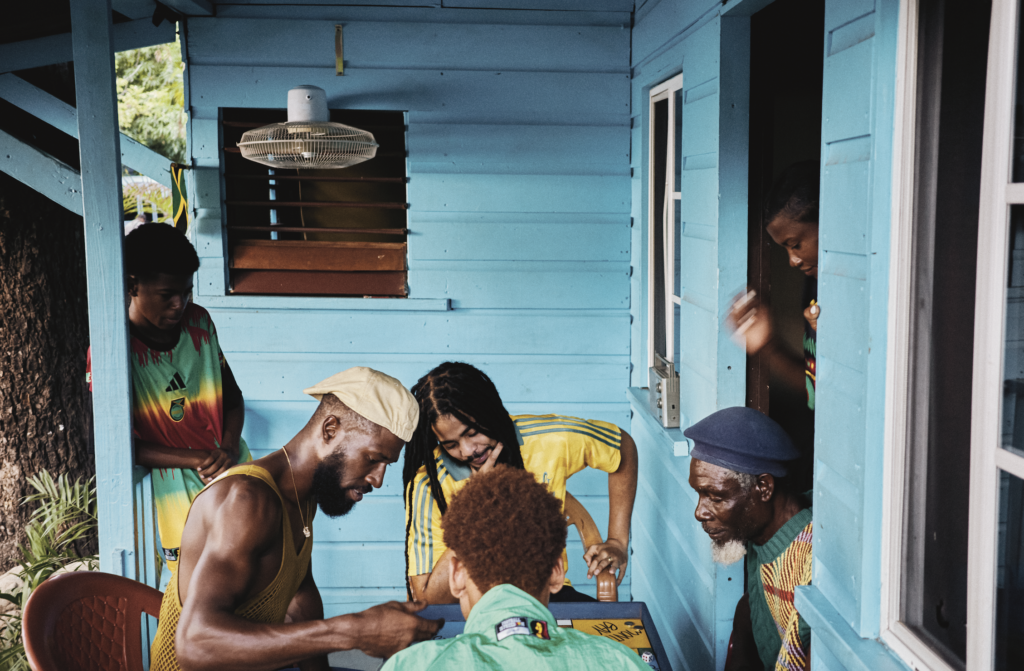
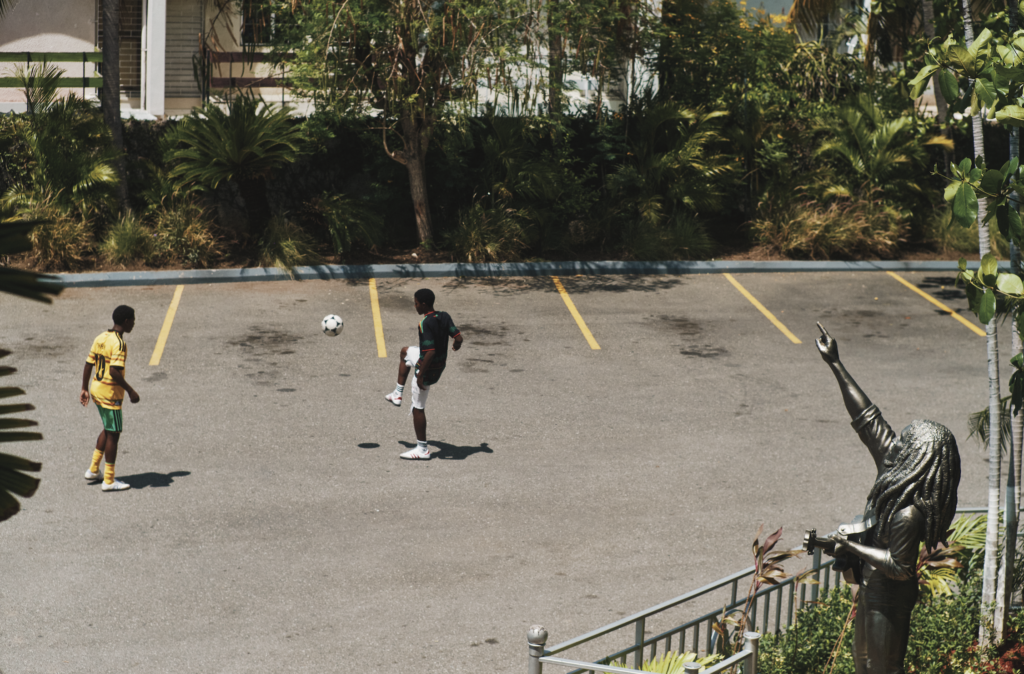
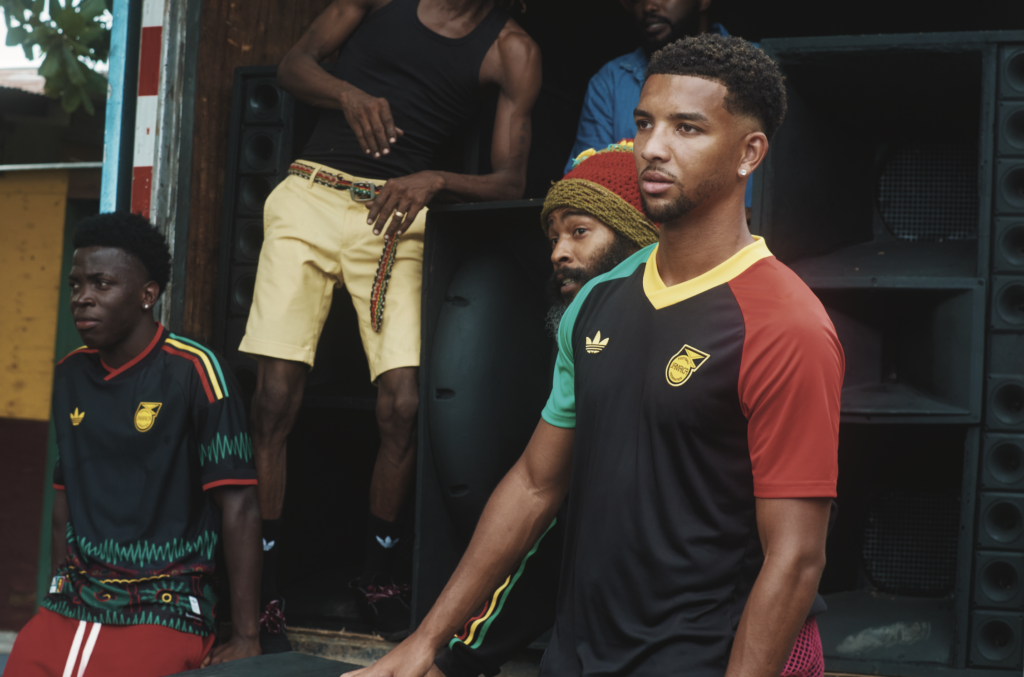
For photographer John Temones, who was there that day, taking the video and shooting the team at the Marley house, the moment carried weight. “It felt really special, almost celebratory,” he said. “Like people were there honoring him, his legacy, his love of the sport.”
Still, soccer never took off in the country the way track and field did. “I think we view success as going to the World Cup, and we’ve not had that since 1998,” said Mason Holgate, a player on the Jamaican national team. “But with this squad, it’s got a positive feel about it, and it might be the first time in 26 years that we get to the World Cup, and that’s going to bring a whole generation of people to see the sport and hopefully get them into football.”
The chance had been real. But in the intercontinental playoff this past March, Jamaica fell 1-0 to DR Congo on a goal in the 100th minute. In the end, they just narrowly missed qualifying.
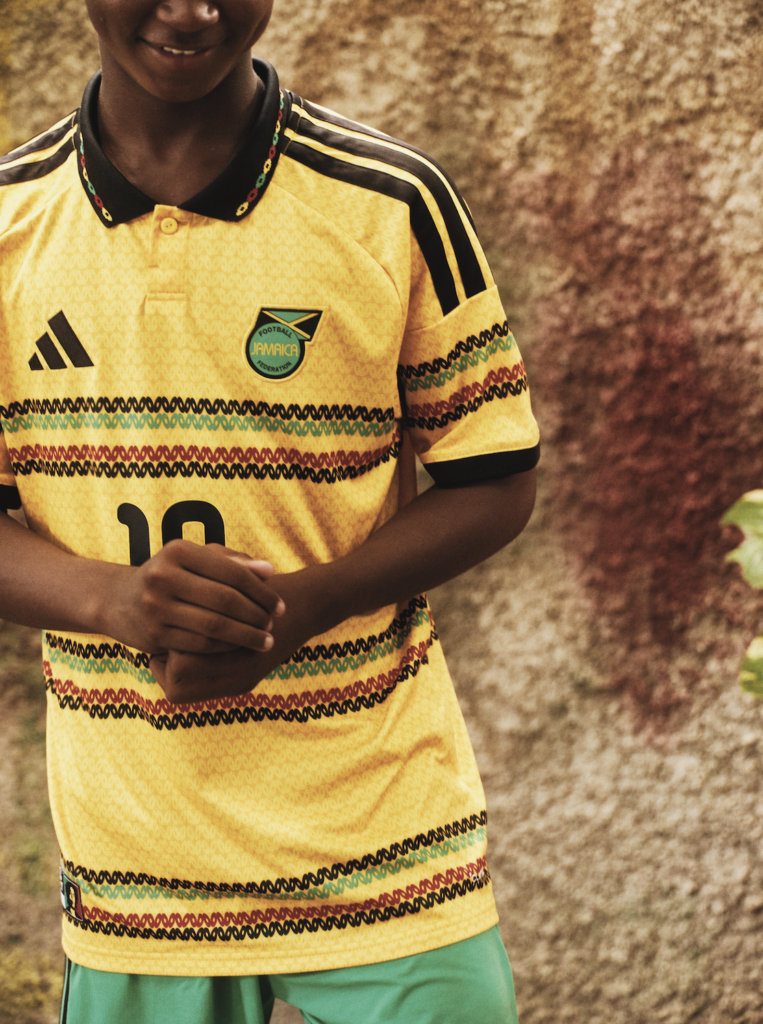
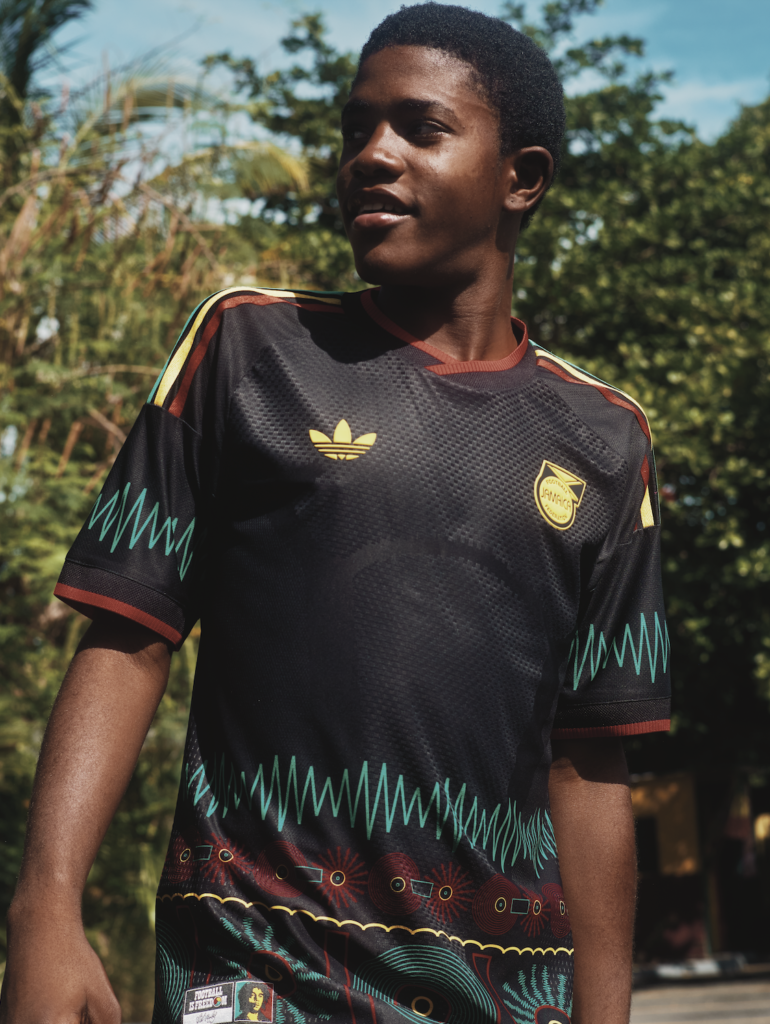
For Kaheim Dixon, Holgate’s teammate, a World Cup berth isn’t a prerequisite for impact. “I know this is the sport that can change a community,” he said. That belief is stitched into the Jamaican Football Federation’s kit, designed by Adidas in collaboration with the Bob Marley Foundation.
It declares Jamaica a contender, a world-stage player, World Cup berth or not. “This kit means everything to me,” Dixon says. “I’ll die for this kit. I’ll go to war for this kit.”
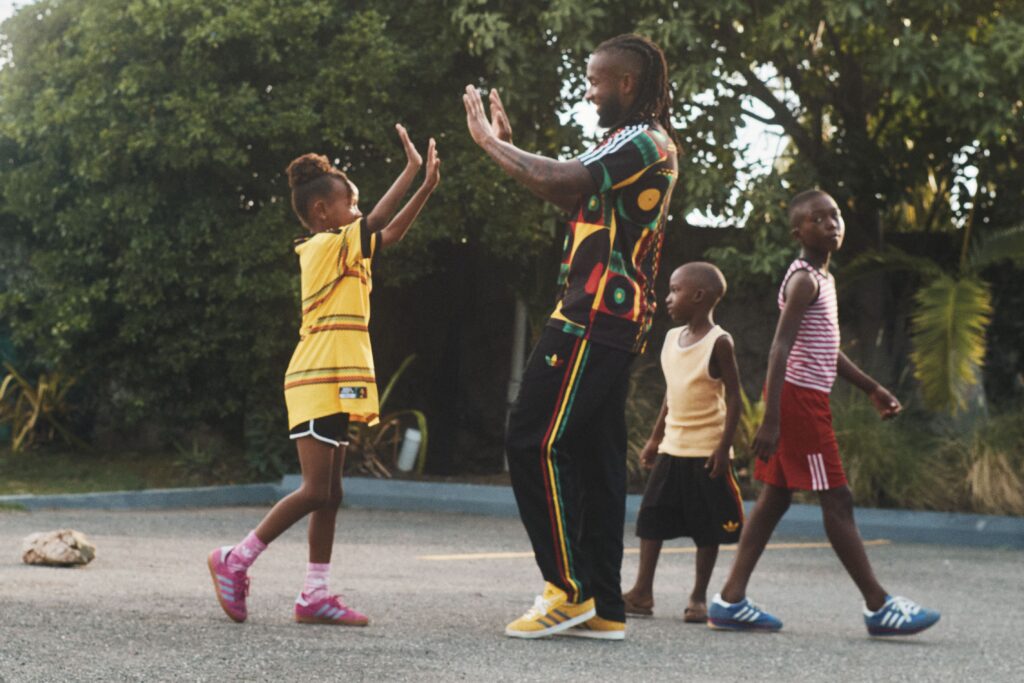
By late afternoon at the shoot, the kids had gathered. They moved fast in the heat, the ball passing between them. “You kind of see this generational thing happening,” Temones said. “An immediate connection, two generations, through soccer.”
Beyond the pitch, Emprezz Golding, a local TV and radio host, sees soccer as a broader opportunity for young Jamaicans to build careers, and not only in sports but also in many other disciplines. “We need to put a special focus on football,” said Golding. “It is a pathway to degrees, to scholarships — it’s just so much.” She believes that like track and field, soccer can give Jamaican youth a bright future, too.
By dusk, the Jamaican national team players left. The kids stayed. And the ball kept moving in the parking lot where Marley used to play.