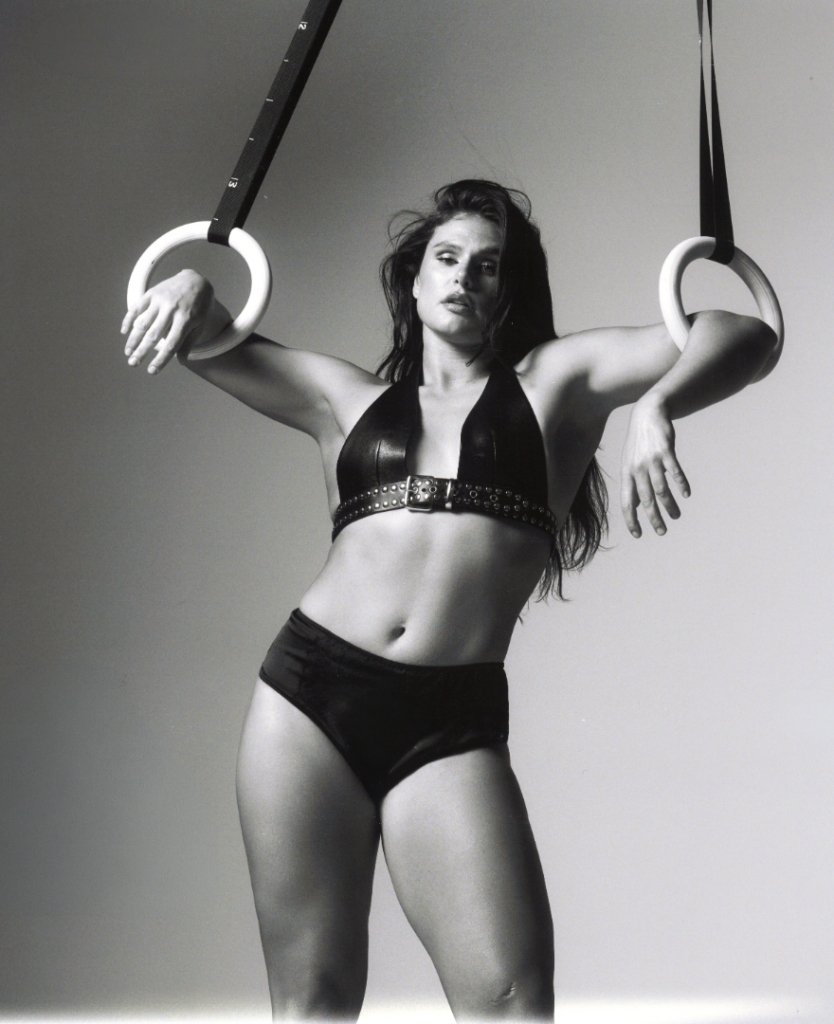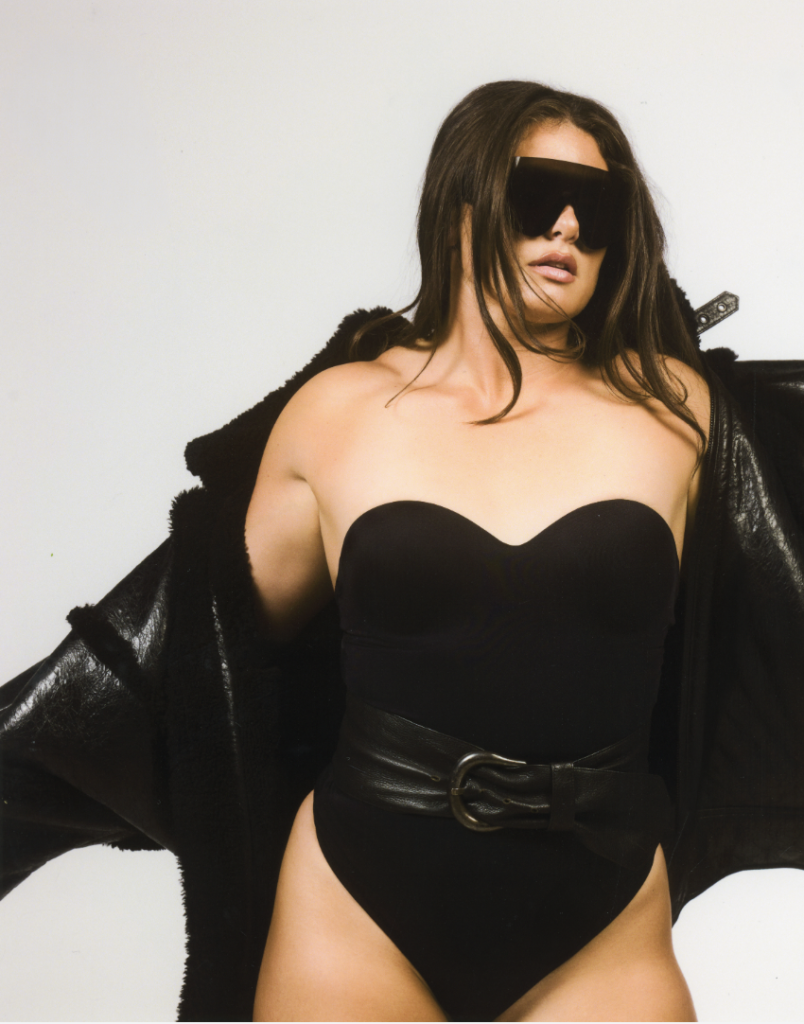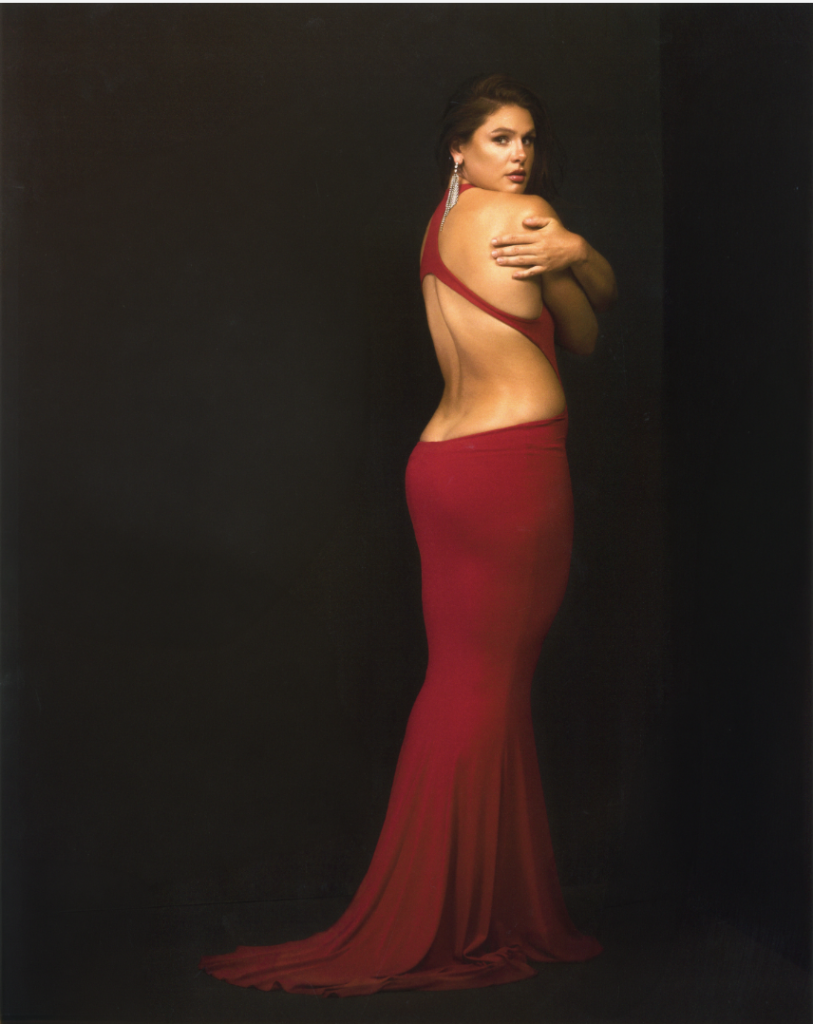
It is a testament to the level of Ilona Maher’s cultural significance that despite being arguably the world’s most famous rugby player, much of her audience might only be vaguely aware of the actual sport she plays.
To some, she might be Ilona Maher, the charismatic contestant who finished as runner-up on Dancing With the Stars. To others, she could be Ilona Maher, the body-positivity, beauty and lifestyle creator who pops up on their social media pages on a near-daily basis. But Maher’s 10 million followers across Instagram and TikTok still comfortably make her the most followed rugby player of all time, even if rugby seems to be more of a footnote to her overall appeal. (In comparison, the second-most followed rugby player on Instagram is South African legend Siya Kolisi, who has 1.6 million followers on the platform compared with Maher’s 5.6 million.)
This makes sense. After all, most Americans would probably mistake a rugby ball for a football, and they probably don’t know anything about the sport beyond the fact that it’s … kind of like football.
Nonetheless, Maher’s stardom is felt in the rugby world. Her involvement during a 2025 stint playing for the Bristol Bears in the top tier of English rugby teams drew record crowds on such a consistent basis that certain squads relocated games to larger stadiums to accommodate the demand.
Many people, according to Maher, understandably assume that being the most famous practitioner of her sport should allow her to generate the kind of income enjoyed by other megastars: the likes of A’ja Wilson, Simone Biles or Naomi Osaka.
In reality, that couldn’t be further from the truth.
“I’m kind of losing money from playing rugby,” Maher said, speaking to PLAYERS from her base in San Diego.
It turns out that the world’s most famous rugby player never even played the sport until the age of 17, during her senior year of high school.
“I don’t think it was until my senior year of college that I thought of it as something I could do,” Maher said. “People kept telling me I could play for the national team. I thought, ‘But that’s not going to pay the bills.’”
As a result, Maher focused on what she describes as a more realistic pathway in life: “Why dream of being a professional athlete when I hadn’t seen it yet, and there was no money in it? I just dreamed of a normal life.”
Maher graduated from college and became a registered nurse in 2018. After being persuaded by college coaches and peers to pursue rugby professionally and receiving the blessing of both her parents and trusted college professors, she joined the Team USA training program that summer. In her early years as a rugby player, there was no indication that her career choice would deliver her the profile or the income that it has today.
“Even for years after I came to the [USA] training center, I never thought, ‘This is what I’m going to do for the rest of my life,’” Maher said. “Most of us don’t have the privilege, as women athletes, of thinking that when we retire we’ll be set for life. Some of my teammates have no money in the bank when they retire, and they have to go back to regular jobs.”
After all, the equitable pay reckoning in women’s sports is still a shockingly recent phenomenon. In 2025, the National Women’s Soccer League, the top division of the sport in the US, approved a last-minute rule change to allow Washington Spirit’s Trinity Rodman to remain in the league by letting teams spend up to $1 million outside of their salary caps to retain “high impact players” and keep them from going overseas for better paydays.
Meanwhile, a landmark collective bargaining agreement (CBA) was reached by the WNBA Players Association and the league earlier this year, which radically improved player remuneration and saw 31 athletes receive base annual salaries of $1 million or more. Under the previous CBA, there wasn’t a single player in the league who received that.
And in October, the Women’s Tennis Association announced that its players would receive equal prize money to that of their male counterparts at combined WTA 1000 tournaments in 2027.
Yet while money begins to flood in for women athletes in mainstream sports, the likes of rugby — with a far smaller profile in North America — are still playing catch-up.
As recently as 2022, even after a breakout moment at the postponed Tokyo Olympics a year earlier, Maher completed an MBA in business administration and management to secure a more senior position in the nursing world should she need to rely on it after her playing career.
Then Maher’s life changed forever.
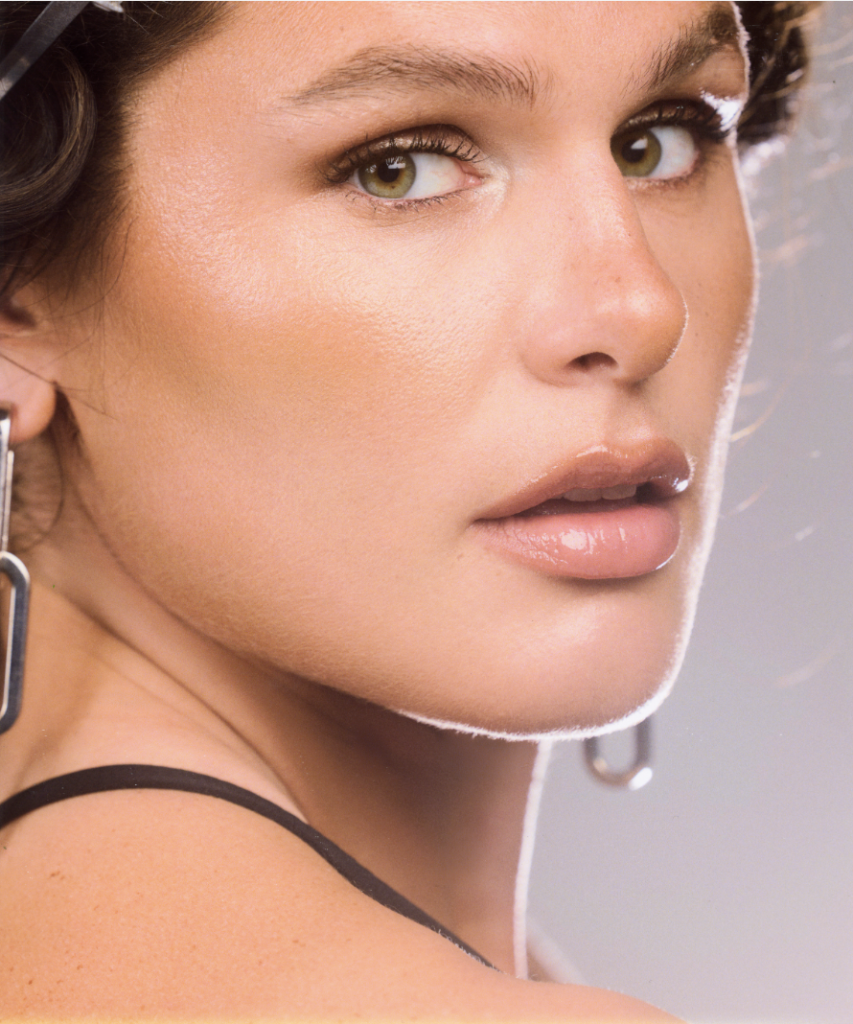
The Making of Brand Ilona
At the Tokyo Olympics, Maher started posting on TikTok, taking fans behind the scenes in the Covid-bubble Olympic village: She tested and reviewed the strength of the famous cardboard beds, made content with other athletes and posted witty takes on the less glamorous realities of isolation. After just a handful of TikToks, though, people began to recognize Maher on the streets, and she realized there could be a pathway to making money from online content — a potential revenue stream that could allow her some financial support that rugby alone never would.
“I realized I needed something that sets me apart from other people, something people are going to take notice of,” she said. “It was through my personality, humor and social media that people wanted to get to know me, and that opened the door for brands as well.”
Maher’s brand deals supplemented the few thousand dollars a year she made playing for the national team. But it wasn’t until 2024, when Maher led Team USA to a historic bronze medal at the Paris Olympics, that her stardom truly exploded. It was the first Olympics during which many people around the world experienced and fell in love with their favorite athletes via social media and behind-the-scenes content, rather than simply relying on traditional TV broadcasts. Maher found herself perfectly positioned to capitalize on this and the concurrently surging interest in, and commercial value of, women athletes.
“People’s lives are changed because of it,” Maher said. “Social media has allowed me to continue to play my sport and also to live the life I want to live, making money and saving up for the future, which a lot of my teammates don’t have the privilege to.”
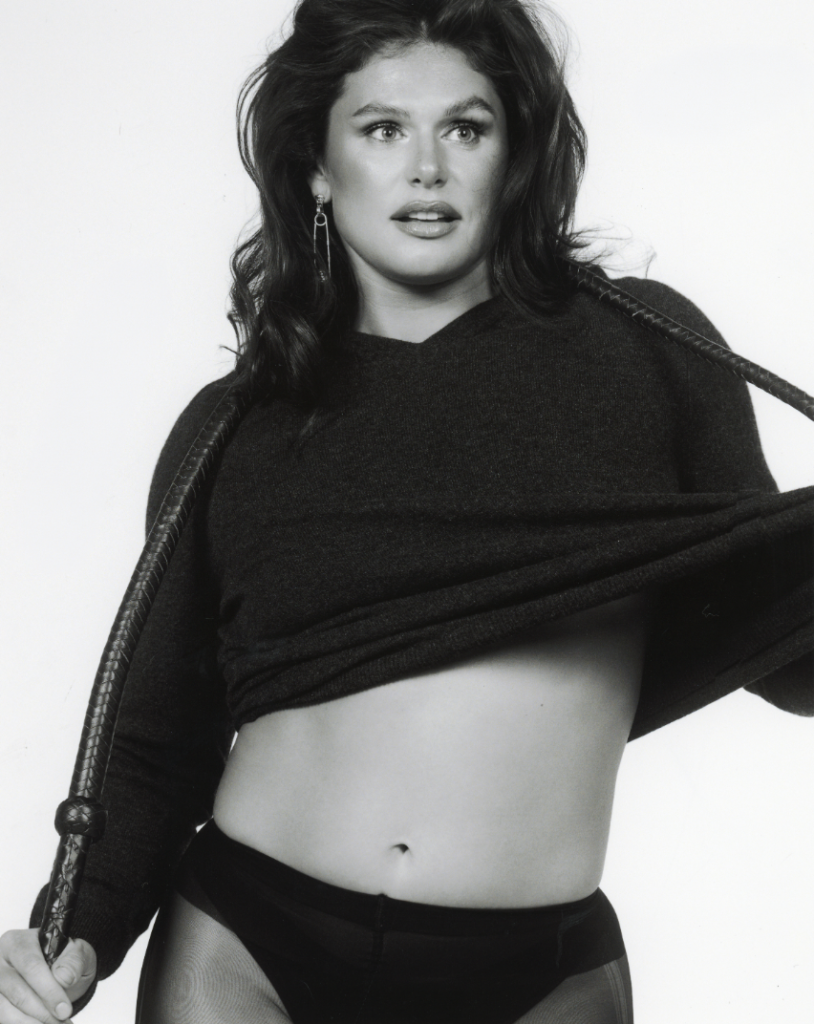
Building Beyond Rugby
Maher is now 30, the age when many athletes begin considering what comes next after sports. Of course, she’s been doing this ever since she got her nursing degree, just like so many other women athletes do. And now that she has some financial stability, she’s able to think bigger.
Maher is committed to being selected for Team USA at what will be a momentous 2028 home Olympics in LA. While she sees it as another invaluable opportunity to grow her own brand, she’s also hoping to use the quadrennial to raise rugby awareness in North America. The US will host the men’s and women’s Rugby World Cup in 2031 and 2033, respectively, providing a further chance to carry this momentum forward. This has only been possible thanks to her ability to generate life-changing money from outside of rugby, which has changed her relationship with the sport for the better.
“Now, I just have the joy of playing rugby,” she said. “I get to play rugby for fun. I don’t have to be there. I can choose it. For my teammates, this is their livelihood. But how cool is it to play rugby out in the sun with your friends all day? You have to make a few sacrifices for it, but now I get to play because I genuinely want to, whereas I’m still making money outside of it. It’s not ‘I have to,’ it’s ‘I get to.’”
Much of Maher’s appeal in the eyes of her millions of fans is her wit and her positive disposition, whether that’s posting lighthearted TikTok dances or empowering body-positivity content. Her secret sauce, which comes across in both her interviews and her online content, seems to be a combination of her glass-half-full approach, a hint of pragmatism and a gritty determination to succeed at all costs — not just as an athlete, but as a businesswoman as well.
Having been inspired by women like Michele Kang, who has poured investments into women’s soccer and owns teams including the Washington Spirit, OL Lyonnes and London City Lionesses, Maher has her eye on getting into team ownership herself in the near future.
As a resident of San Diego, she has also seen prominent women investing in local sports teams, such as Issa Rae and Tems’ role as shareholders at San Diego FC, and Kwanza Jones, who became the first Black woman majority owner of a Major League Baseball team following her acquisition of the San Diego Padres in August.
“I’m exploring it now. I’m not at the place where I’ve just signed a $100 million deal and can give a million here, a million there. But I want to work to where I can still give what money I have in a meaningful way,” Maher said. “When I think of the future, those are the women I want to be. I see them as the gold standard.”
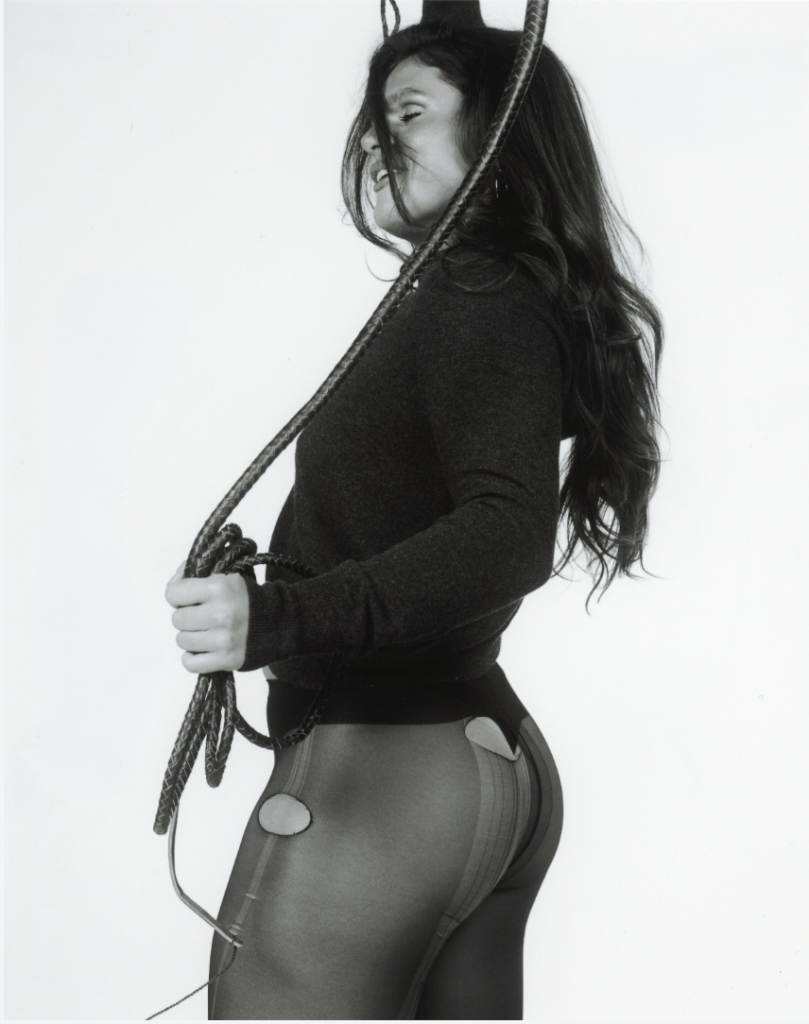
Yet as far as Maher has come, the hunger is still there. She wants to play in the Olympics in 2028, and she wants to reach the heights of sports superstardom. So what if she had to invent her own path to get there? The end goal is still the same as that of so many others:
“I’m in a sport that not many people take notice of in America,” she said. “And I want to be up there with the greats, able to make money from my sport in a way that maybe a men’s athlete would.”