

In 2002, the WAGs were christened by hotel staff at the Jumeirah Beach Club in Dubai. The staff needed a nickname for the wives and girlfriends of visiting soccer players bonding ahead of the World Cup, reported a 2002 Telegraph article. Among them was none other than British pop sensation and Spice Girl member Victoria Beckham. As the wife of superstar soccer player David Beckham, together they were arguably the Adam and Eve of WAG-dom. Their marriage in 1999 served as the sport’s own Book of Genesis: the moment the soccer player’s partner as a cultural figure entered the public imagination, and from which all else would follow.
By 2006, WAG-mania had arrived. During the World Cup in the sleepy German spa town Baden-Baden, the partners of the English squad turned what was meant to be a quiet retreat into tabloid theater. Allegedly, some $77,400 was dropped in a one-hour shopping spree. Champagne popped well into the early hours. A spray-tan technician was flown in as essential personnel. The press called them “hooligans with credit cards”; the Spanish newspaper ABC preferred “hooligans with visas.”
The loudest criticism of WAGs was that they were a distraction from the grave matter of soccer itself. Their role as a spectacle was a cardinal offense to commentators, and they were widely blamed for England’s elimination in the quarterfinals. But what was framed as annoying female excess was simply an extension of their diva partners on the pitch. Blaming women for losing a match they never played is, after all, quite the performance itself. The difference was that the women worked a different side of the pitch.
Whatever their reception, the benefits of WAG-dom paid dividends, which some have openly embraced. Coleen Rooney, wife of England striker Wayne Rooney, secured a $3.5 million fashion campaign for George at Asda, a bestselling fitness DVD, magazine columns and her own ITV series, all before turning 25. But not all were pleased with the WAG designation. “WAG is a dated term because we’re not defined by what our husbands do,” Rebekah Vardy, wife of striker Jamie Vardy, told Grazia in 2018. “We’re individuals.”
Incidentally, Rooney and Vardy would later face off in court. “Wagatha Christie,” as Rooney was dubbed by the press, had used her Instagram to out Vardy for leaking stories to the tabloids in 2019. A few years later came the libel suit, then a documentary.
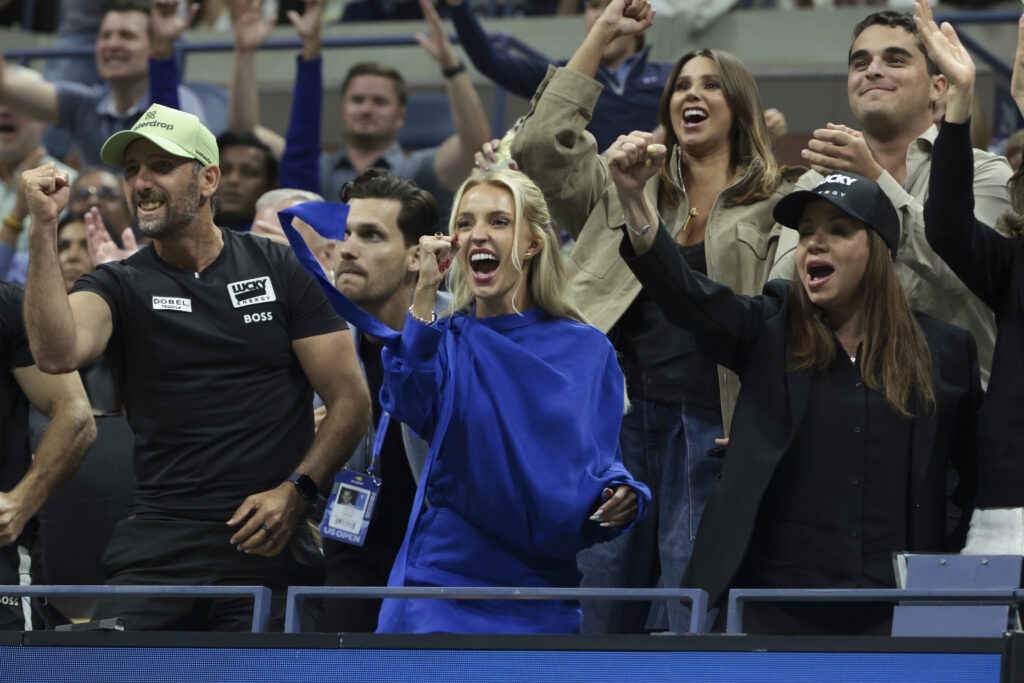
Since its emergence, WAG-dom has ballooned into an industry. American television recognized the commercial potential early: VH1’s Basketball Wives, executive-produced by Shaunie Henderson (NBA legend Shaquille O’Neal’s former wife), has run for 12 seasons since 2010, pioneering a reality TV ecosystem that now spans E!’s WAGS to Netflix’s W.A.G.s to Riches. Where British WAGs were observed by tabloids they never controlled, American WAGs became their own press. Recently, Taylor Swift changed the game by bringing megastardom to WAGdom. After appearing in a Kansas City Chiefs suite in September 2023, female NFL viewership spiked 53% among teenage girls and Travis Kelce’s jersey sales rose 400%.
By the 2020s, deep into the era of social media, the stigma of WAG-dom had shifted. Take Morgan Riddle (currently the ex-girlfriend of tennis player Taylor Fritz), for instance: The American internet personality started posting TikToks in 2022, asking her followers to help her pick outfits for the Australian Open while admitting to knowing little about tennis in the first place. Setting aside the backlash, Riddle was eventually hired by Wimbledon to host an official fashion series at the tournament called “Wimbledon Threads.” She has “always embraced the WAG thing,” Riddle told Harper’s Bazaar in 2025. “I knew no matter what my feelings were on it, that’s what I’d be called — so I never wanted to attach anything negative to it. Instead, I wanted to shift people’s perspective on the word.”
Like Riddle, Paige Lorenze showed that the generation that grew up on social media were savvier than WAGs of the previous era. Lorenze, former ski racer turned influencer, had already launched her lifestyle brand Dairy Boy in 2021, one year before she started dating her now-fiancé, American tennis player Tommy Paul. But tennis expanded her brand’s ecosystem when she opened a Dairy Boy pop-up at the US Open in 2023, and by 2026 she launched the athletic line DB Sport. In the NFL, Kristin Juszczyk, wife of San Francisco 49ers fullback Kyle Juszczyk, went from self-taught designer to official NFL licensee after Swift wore her custom puffer jacket to a playoff game in January 2024.

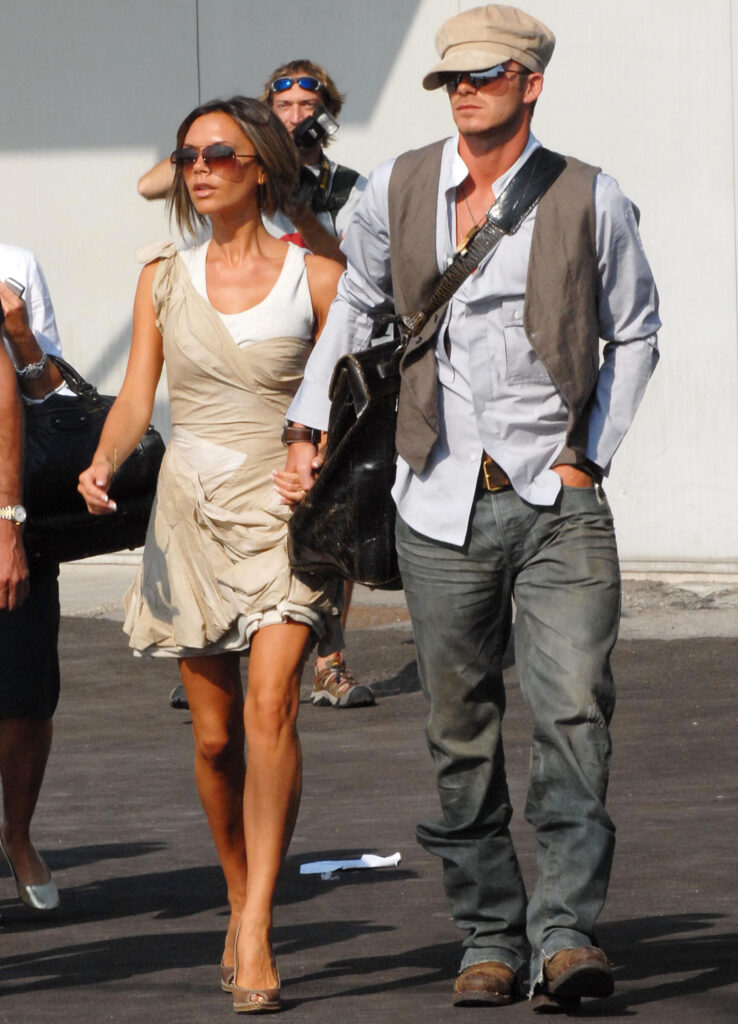

Already famous and rich when she was Posh Spice, Victoria Beckham built an empire for herself rather than coast on Spice Girls fame or the Baden-Baden tabloid circus. She launched her eponymous brand in 2008, followed by her beauty line in 2019. By 2024, Victoria Beckham Holdings — her combined fashion and beauty empire — reported $151.8 million in revenue, a 26% increase on the prior year.
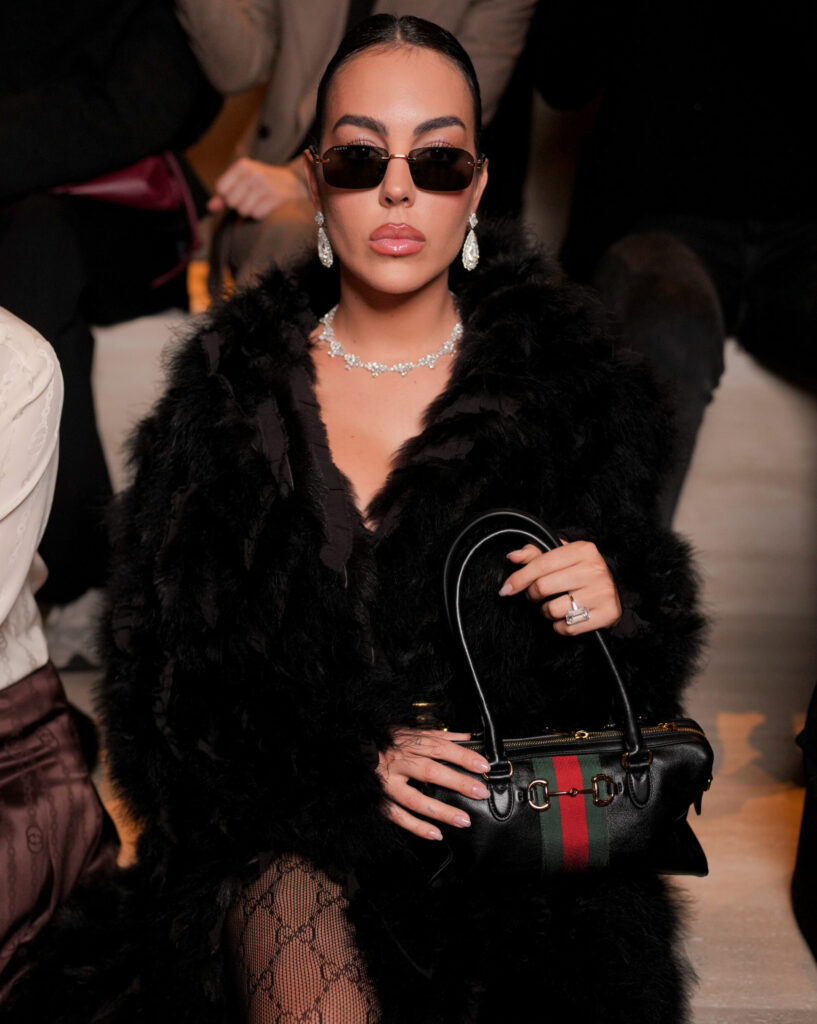
In soccer, Georgina Rodríguez went from sales assistant at a Madrid Gucci store to Netflix star and luxury brand ambassador, all in the decade since meeting Cristiano Ronaldo in 2016. Yet a former shop girl will always be scrutinized differently than an art student in the F1 paddock.
But perhaps the most revealing chapter is Formula 1. Alexandra Saint Mleux, who married Charles Leclerc earlier this year, is 23 years old, has 4.4 million Instagram followers and partners with L’Oréal and Rhode. Mleux may be a WAG, but she is, first and foremost, a personal brand. Likewise, Kelly Piquet, who has been with Max Verstappen since 2020, has graced the cover of Vogue Netherlands. These women are not dancing on tables in Baden-Baden; they are poised, polished and commercially formidable.
The difference between these latter-day WAGs and their foremothers is largely class. English soccer is a working-class sport, and the original WAGs came from that same world: Rooney is the daughter of a bricklayer from one of Liverpool’s most deprived areas; Vardy was homeless at 15. When working-class women lived lavishly inside a working-class sport, the response was derision. The assumption was that access was their ticket to celebrity –– and that they were working it. Formula 1’s audience skews affluent, with Paddock Club hospitality running up to tens of thousands of dollars a weekend and Monaco being its spiritual home. If any of the F1 WAGs are seen partying on a lavish yacht, nobody would call them hooligans or strivers. That would be blasphemous.