90 Minutes and a Lifetime

Lucky charms, generational loyalty and matches that swing between euphoria and devastation – soccer super fandom is the inheritance that keeps on giving.

BY Rand Al-Hadethi

It is almost impossible to separate a man from his soccer team. Such loyalty is rarely a choice; more often, it’s an heirloom received at birth. Decades of research by psychology professor Daniel Wann at Murray State University and his colleagues have shown that family is the single biggest influence on which team a child grows up supporting, especially when it comes to fathers. In a 2026 La Liga study, 52% of Spaniards said soccer fandom is mainly passed down within the family, and 93% consider it important to pass that loyalty on to the next generation.
 
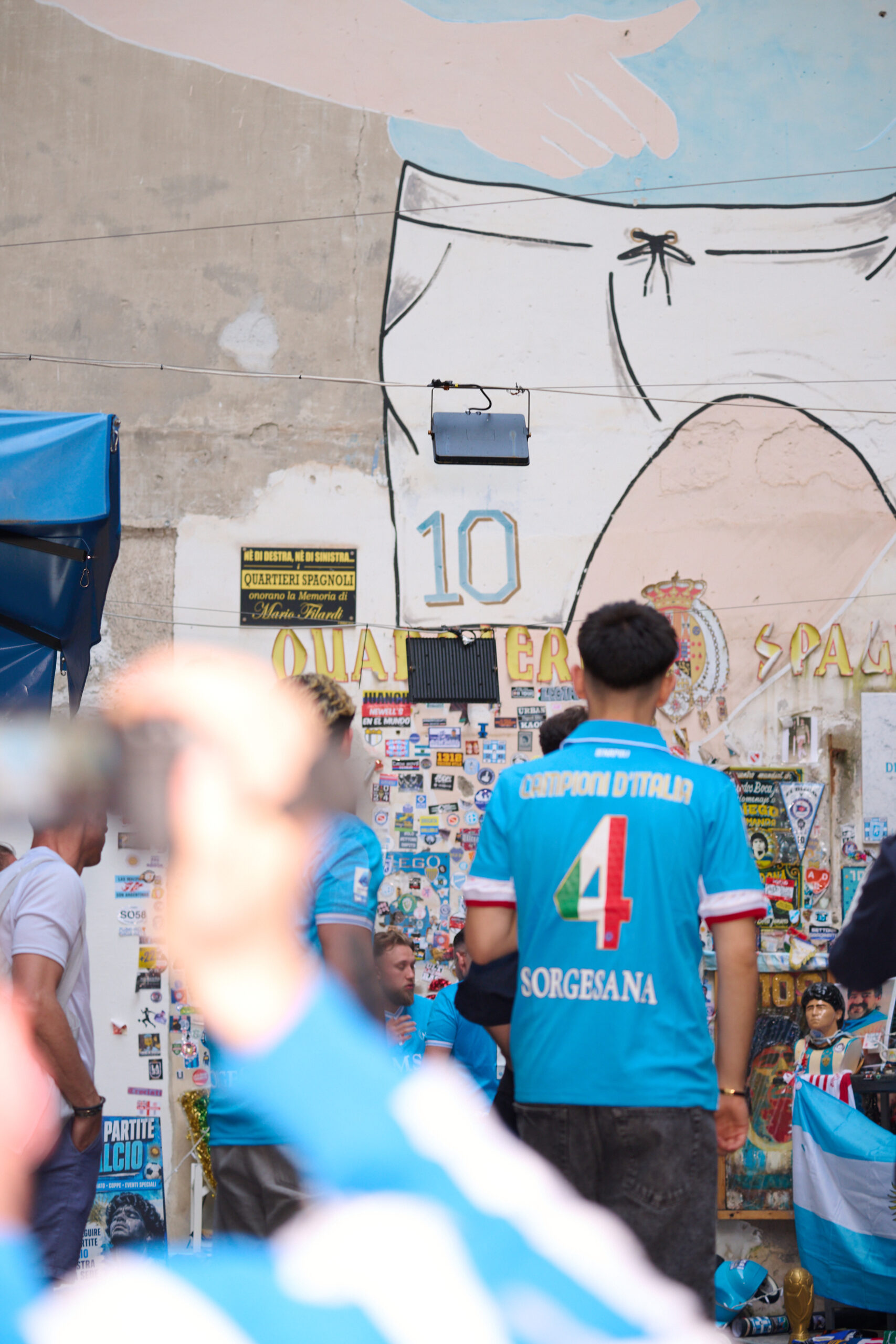
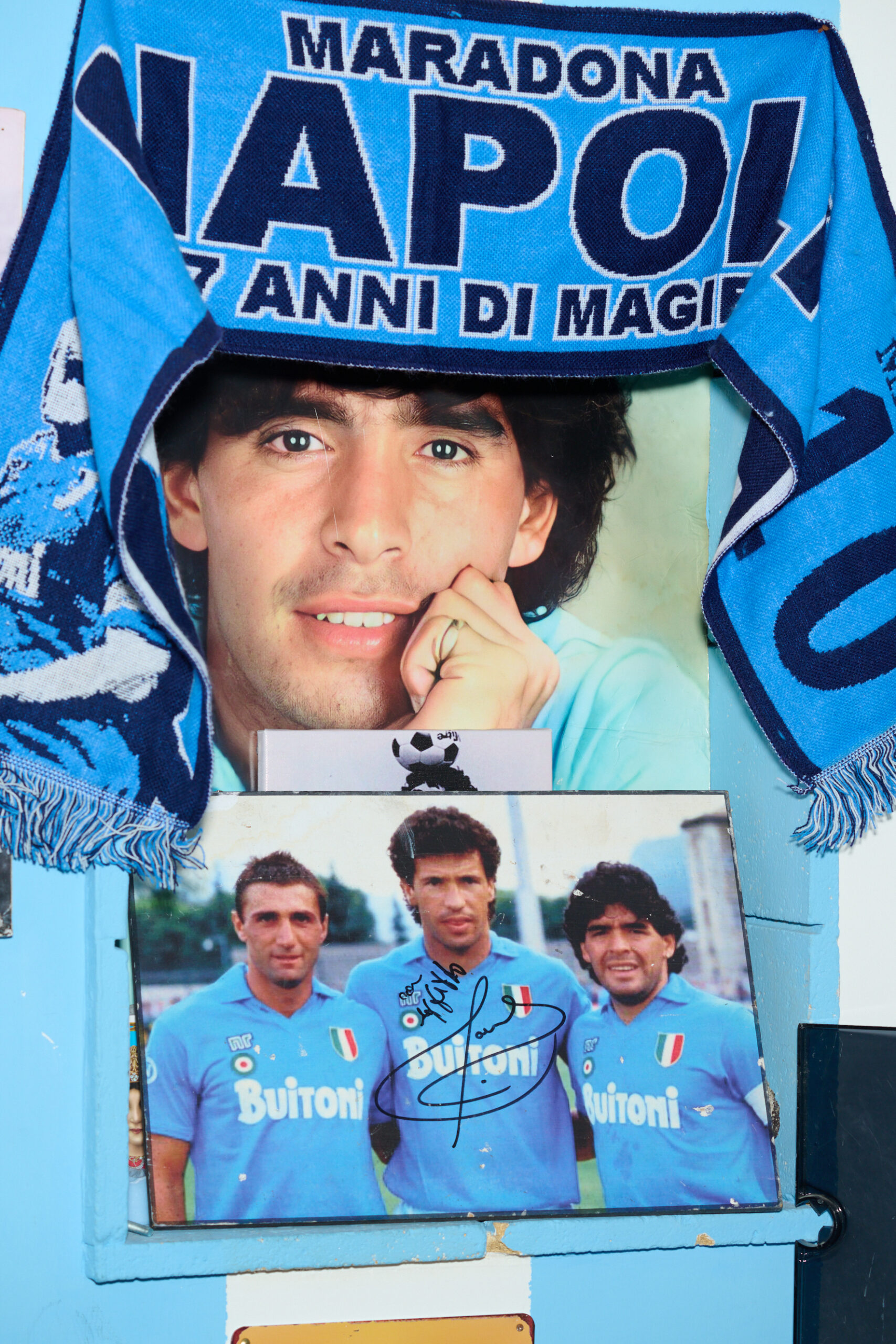
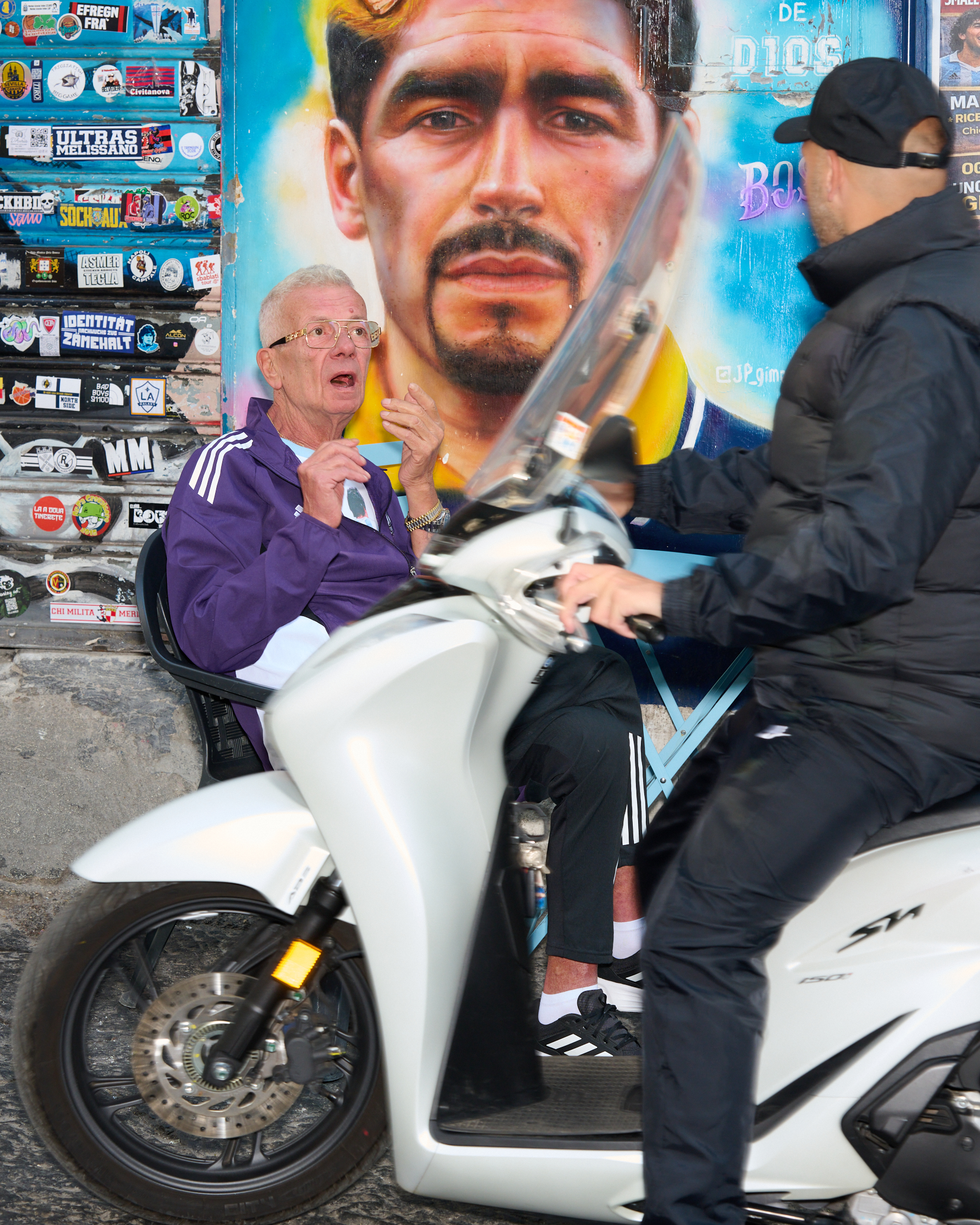
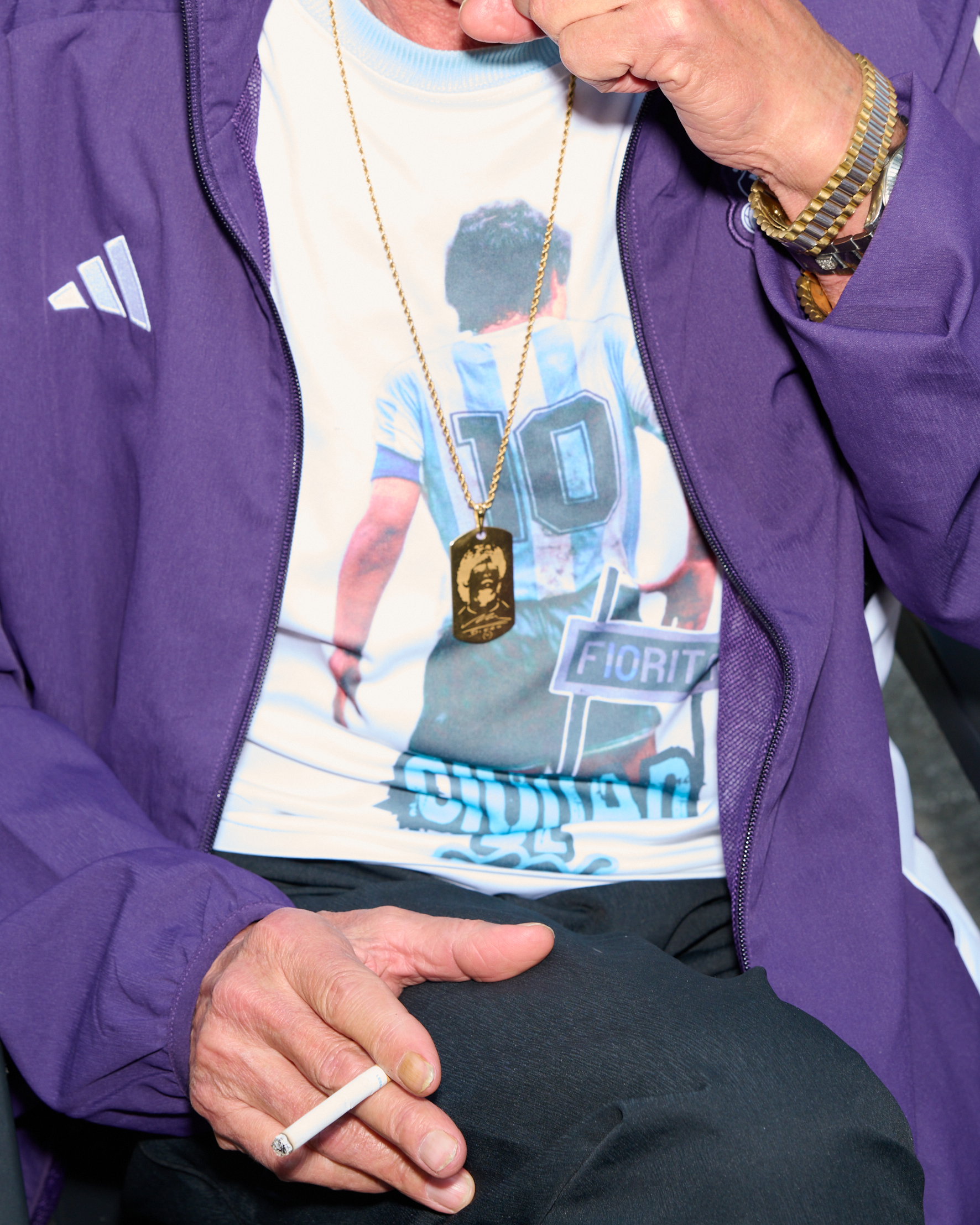
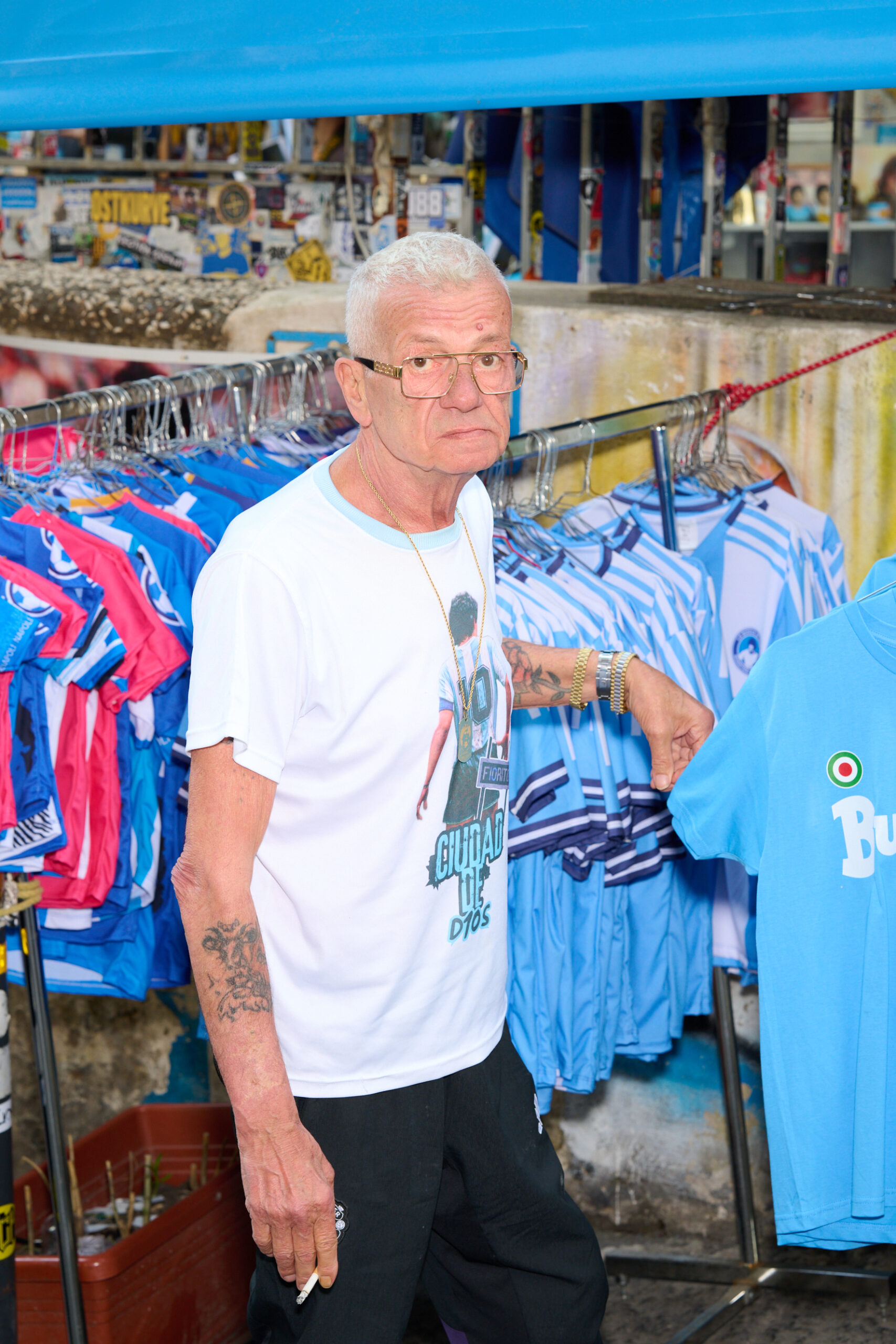
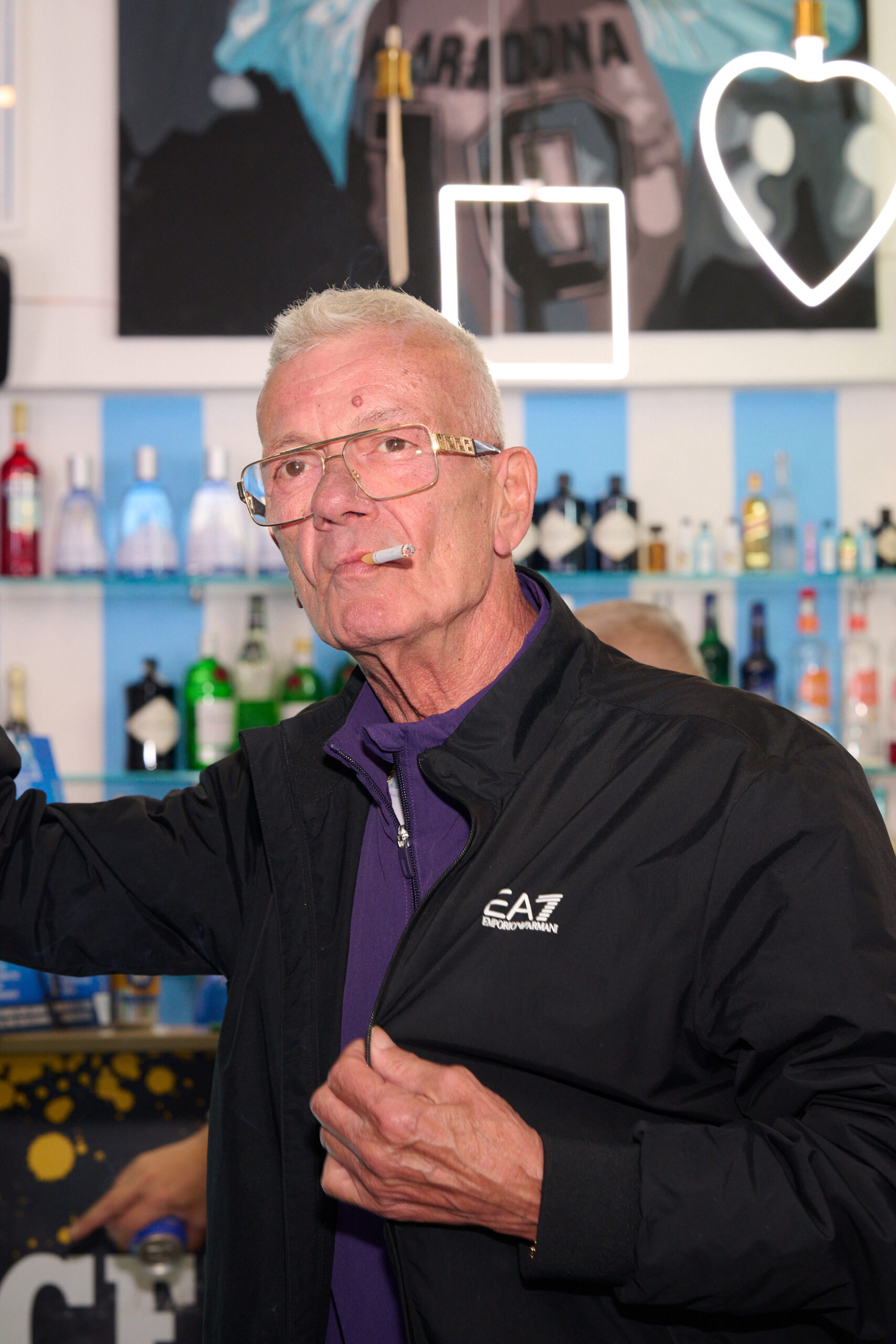
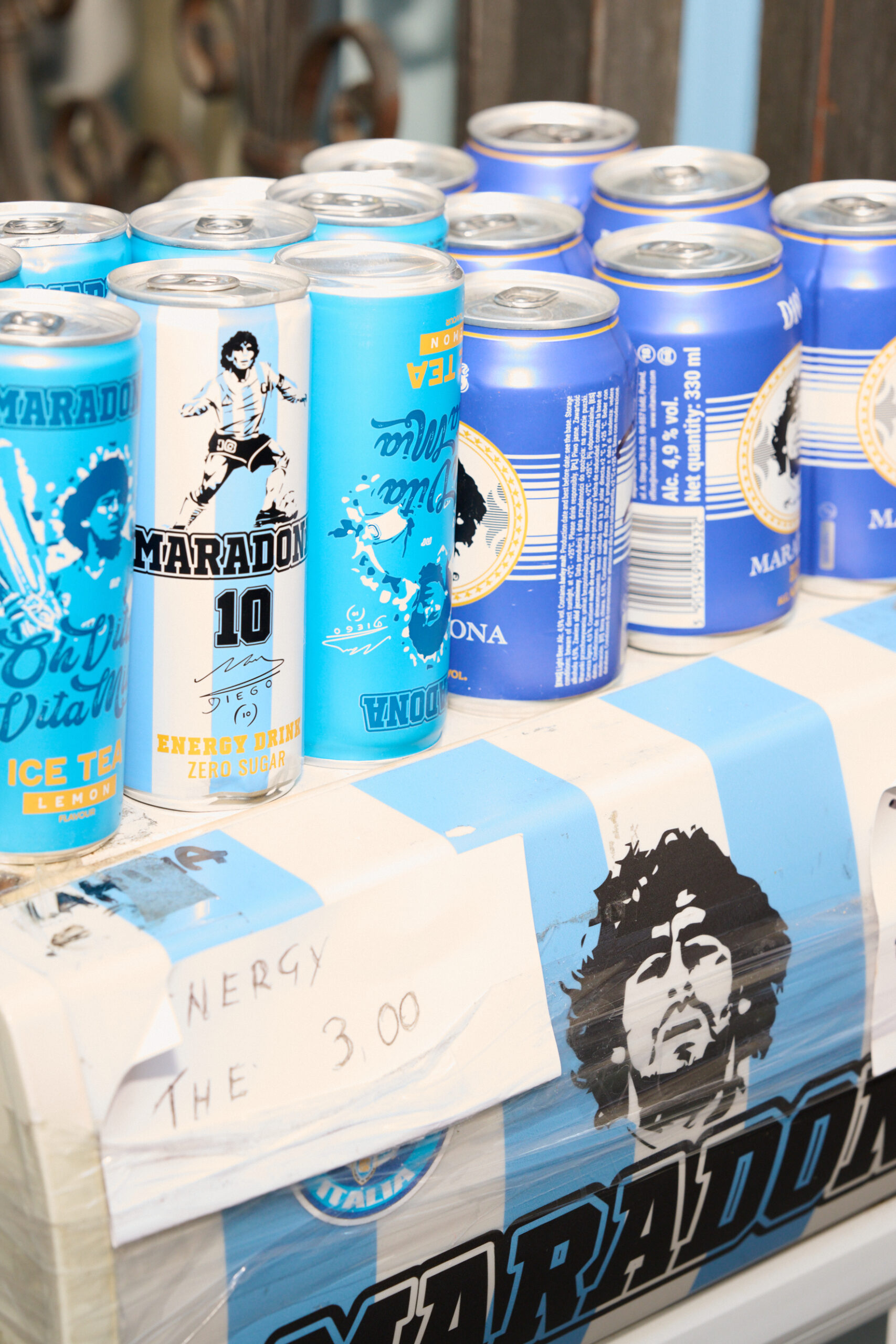
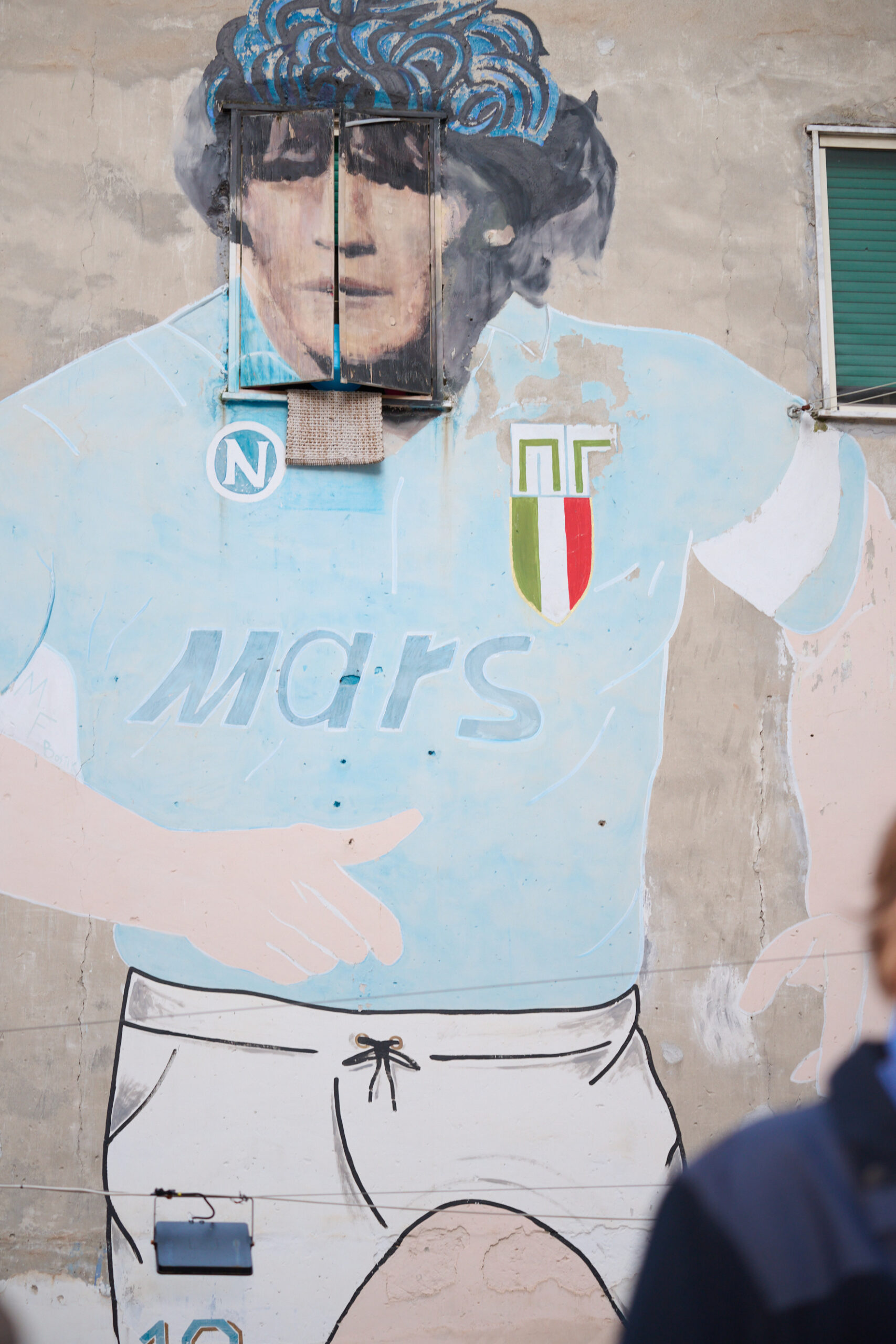
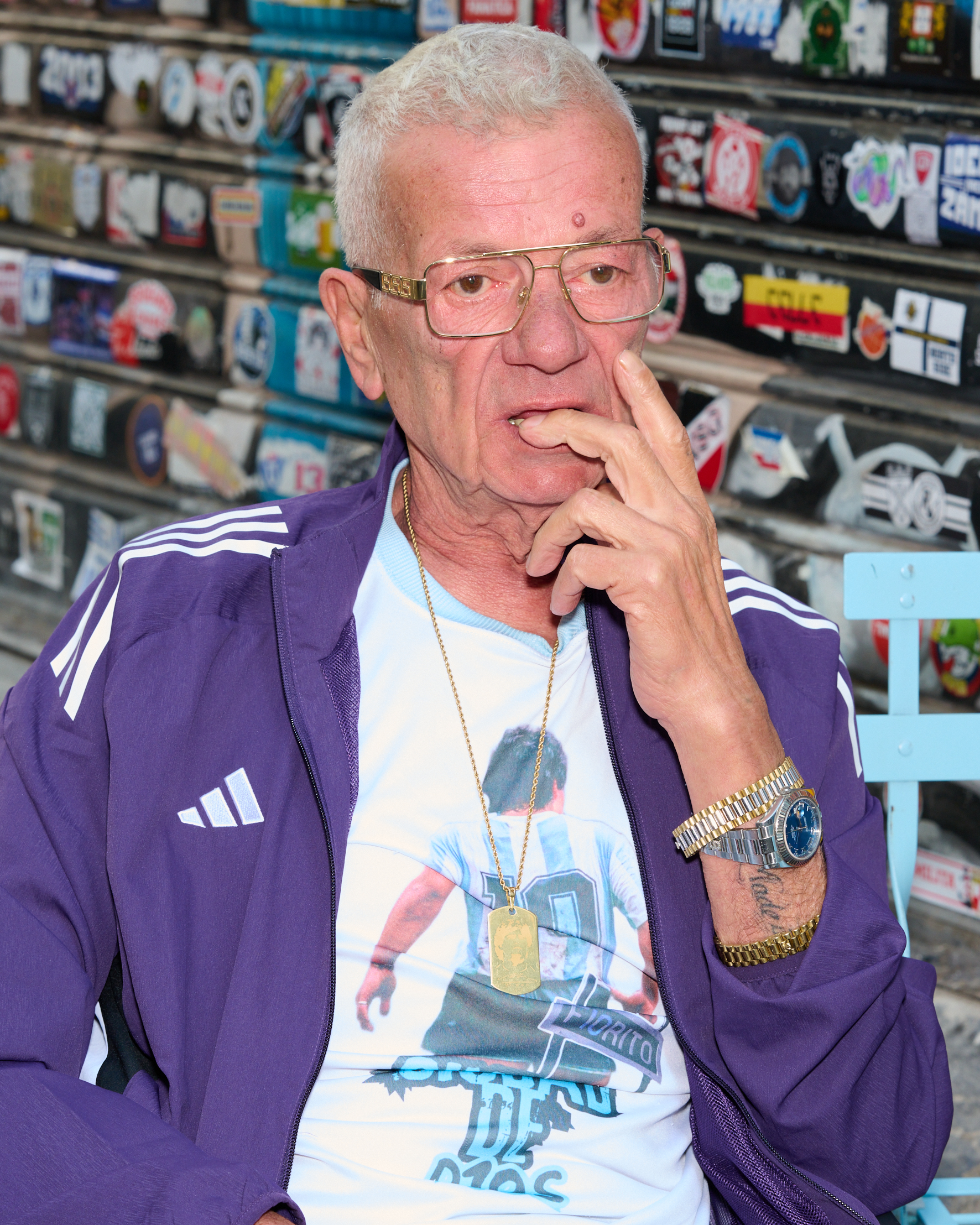
In Naples, Italy, lifelong Napoli supporter Antonio Esposito shared that it’s been a tradition in his family. “It has always been that way, ever since I was little,” he said. “Everyone in my family has supported Napoli for generations.” His earliest memory of being a fan? “I don’t have one. I’ve always been a fan. Since I was born.”
 
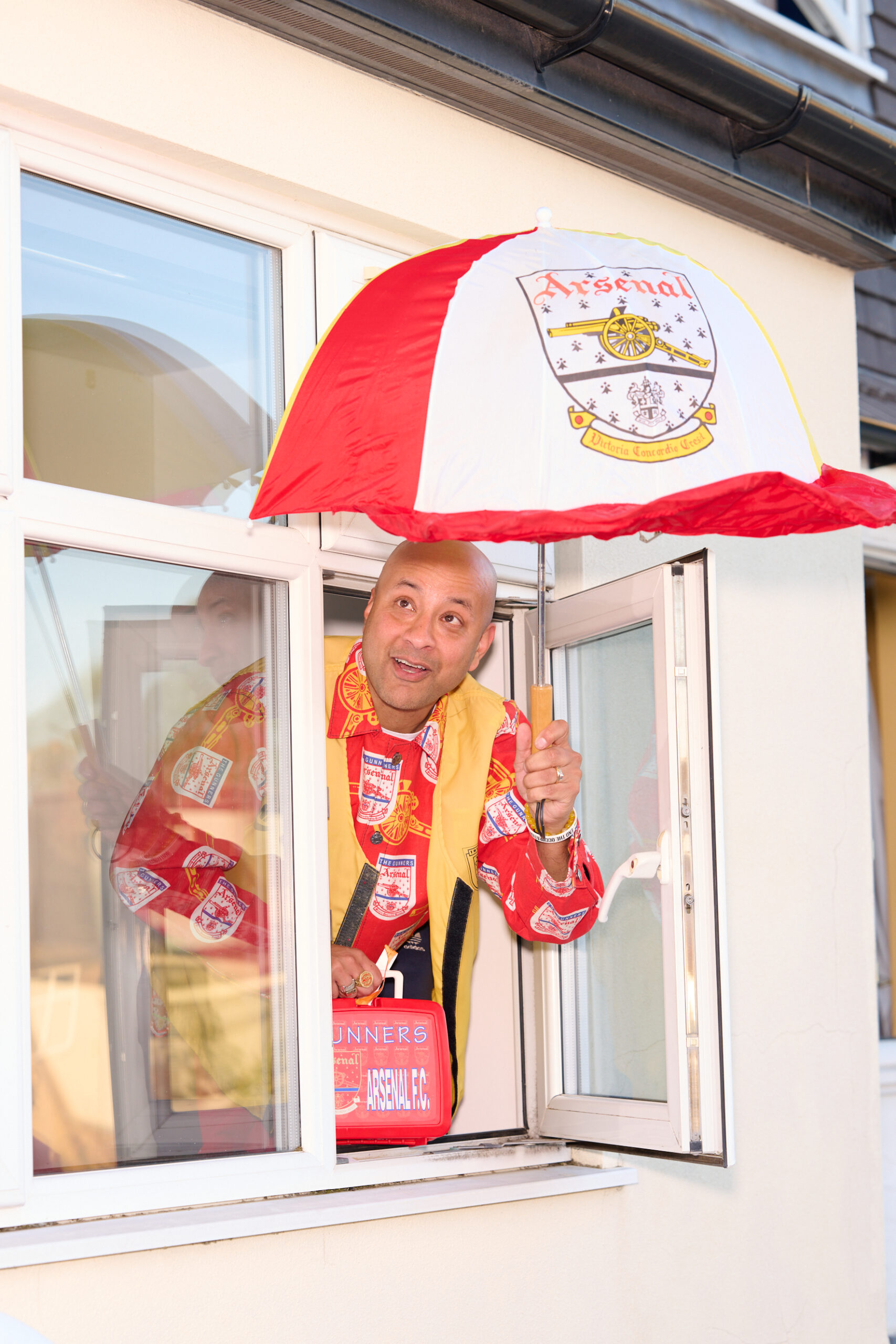
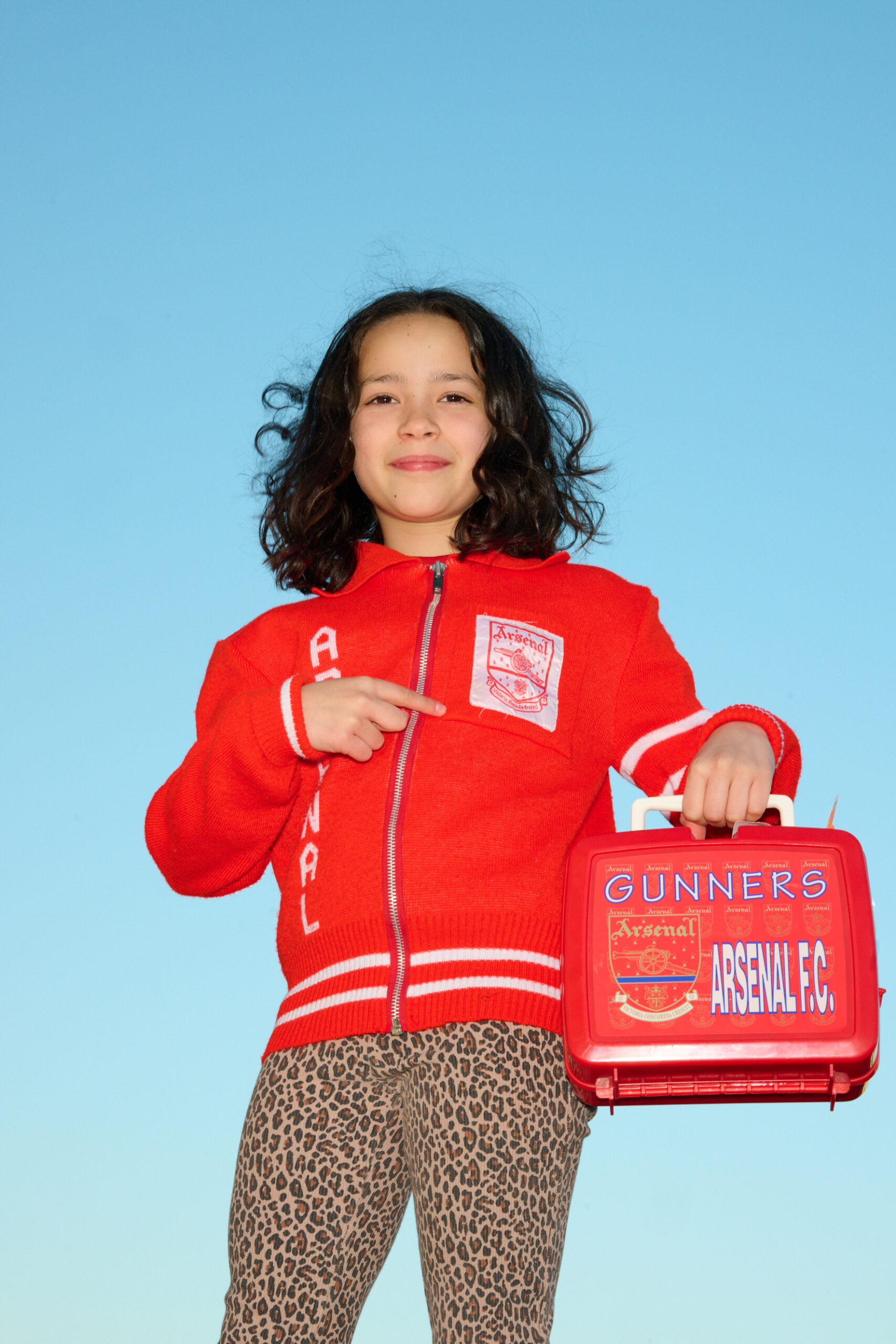
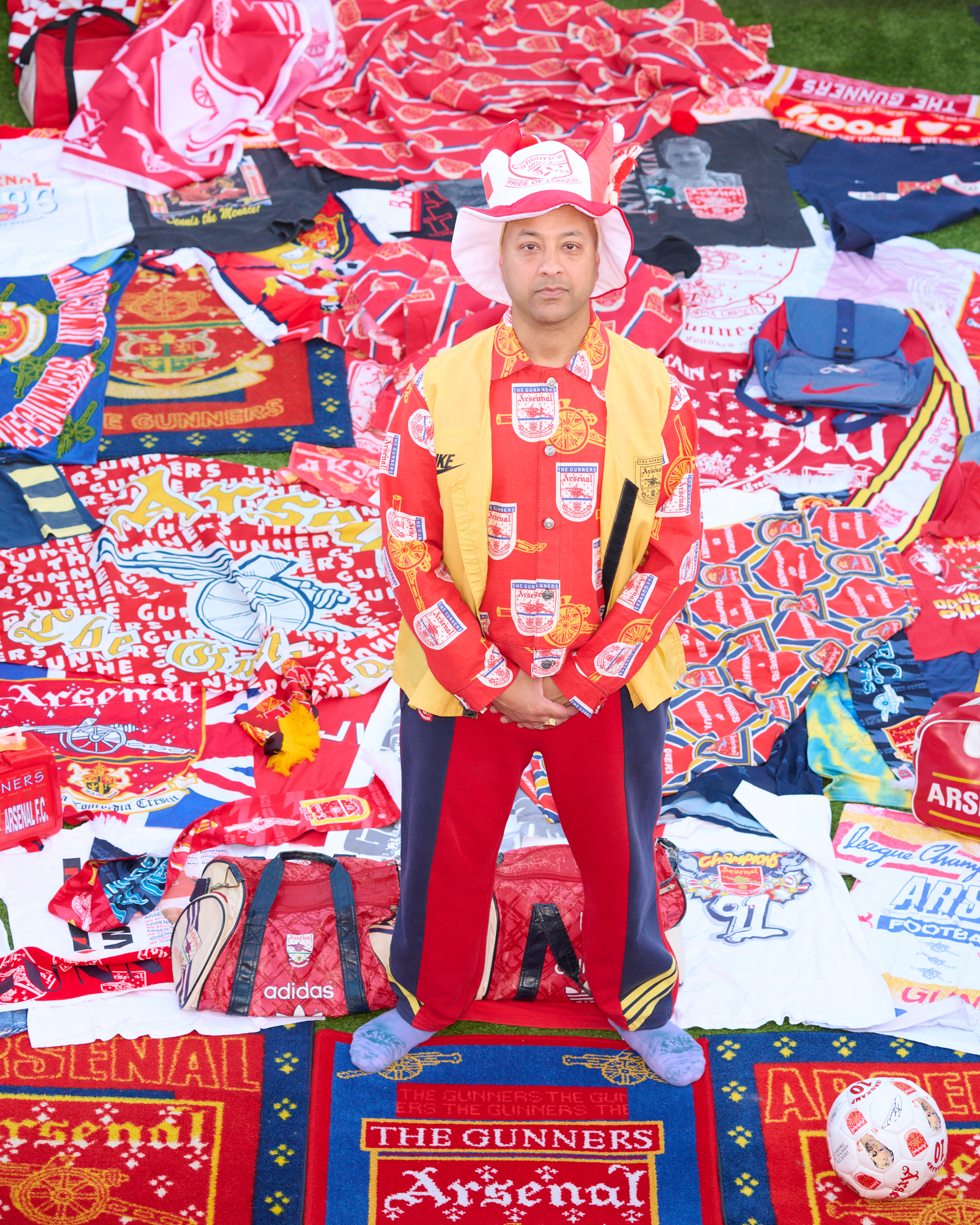
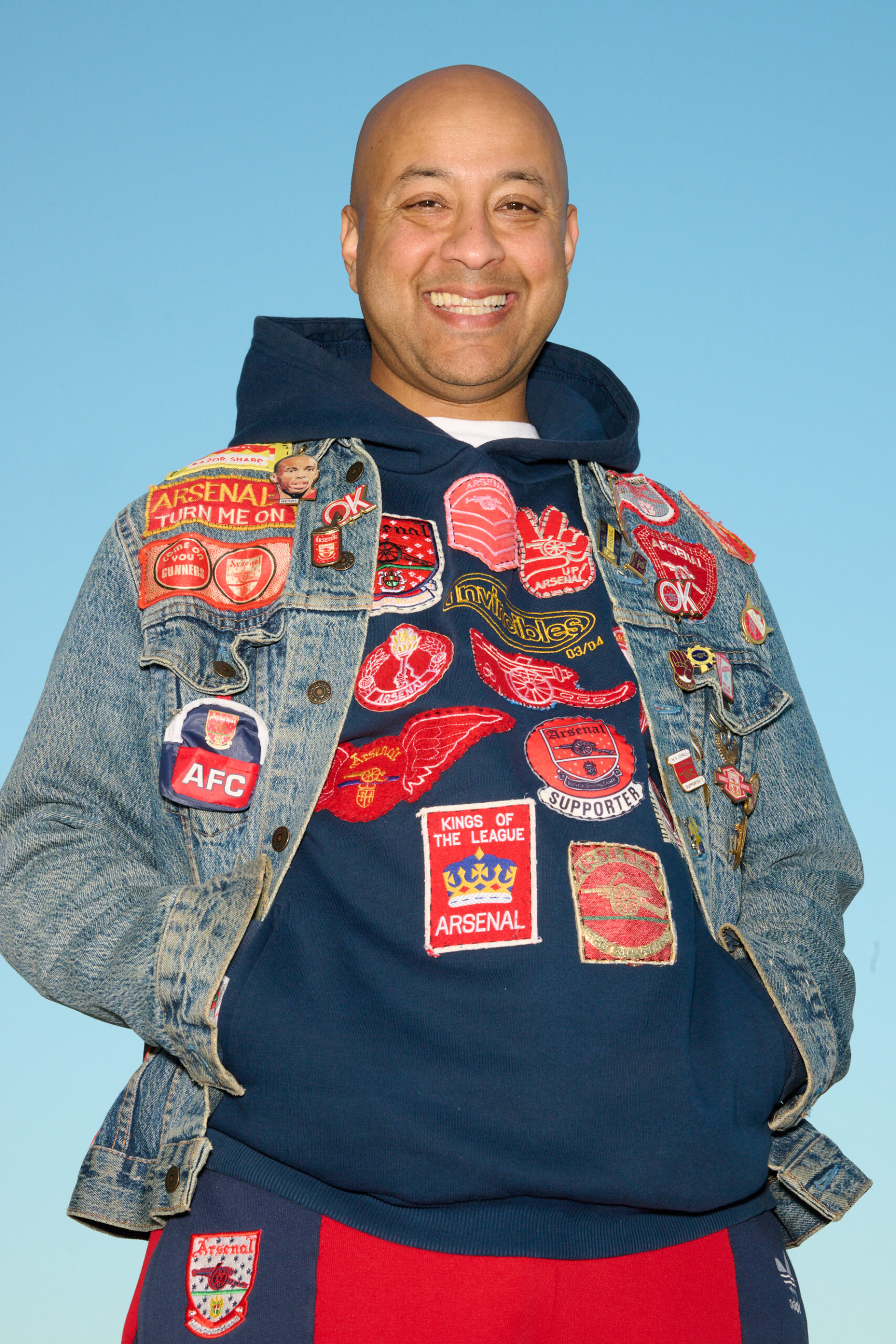
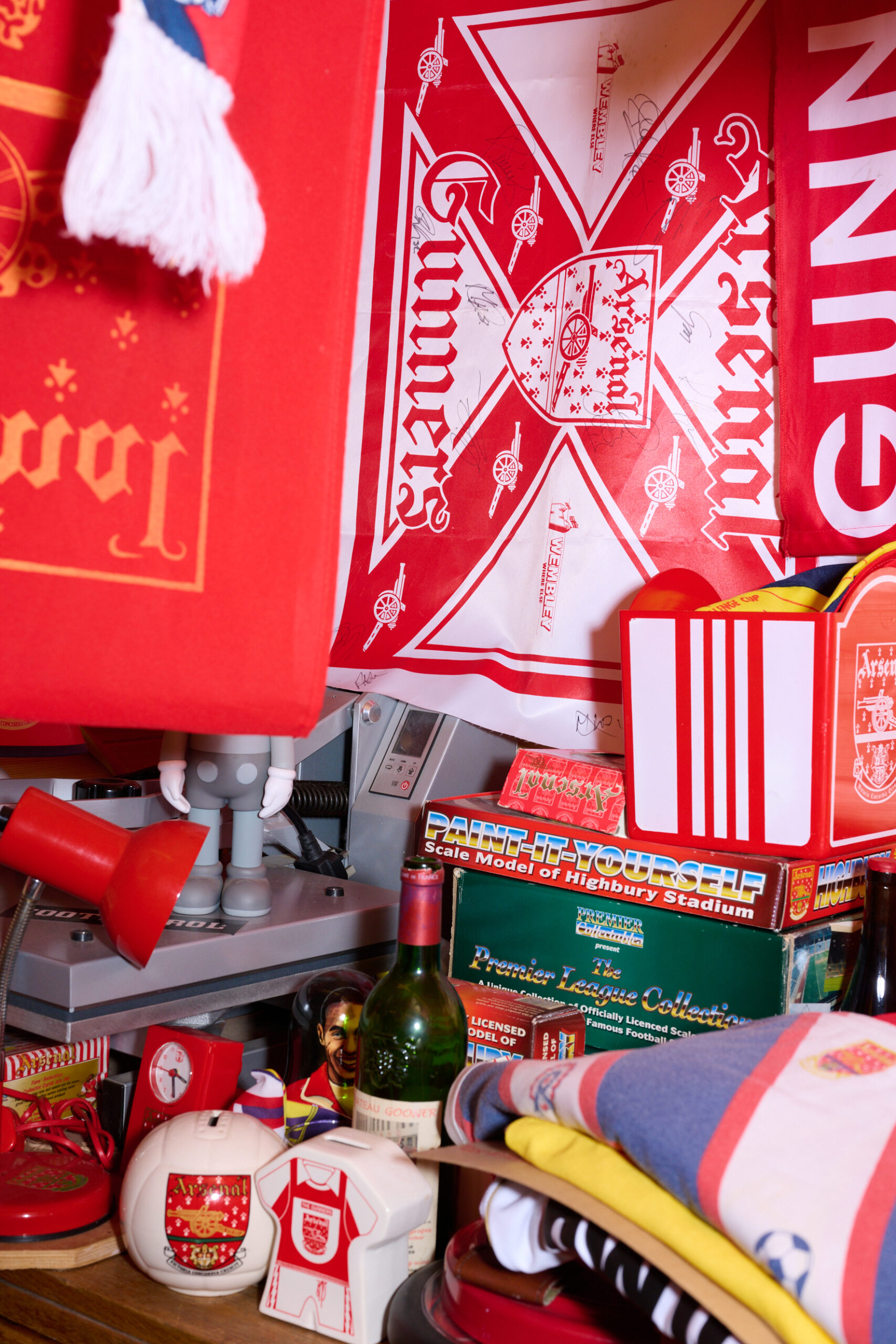
If not the exact loyalty, the devotion is inherited just the same. In London, Arsenal supporter Shane Delpeche, in his forties, did not grow up in an Arsenal-supporting household. “My dad was a big Man United [fan],” he shared. “I used to remember family parties in the late ’80s, early ’90s, all Man United fans sitting in the garden. My dad would be decked out in his hats and T-shirts, blasting music. I’ve been an Arsenal [fan] for over 40 odd years now, and converted my brothers. That really pissed off my dad, but my dad lives opposite me, so when it’s Man United versus Arsenal, it’s a lot of flag putting up, and who has the best flags in the house and the windows. Although he doesn’t have sons to watch Man United with, we definitely have a little bit of banter together.”
Since the 1880s, fans of fandom — or super fans — have emerged to cheer the game in ways that distinguish them from mere fans. They’ve created clubs, asked for T-shirts, defined rituals, and built the sport of super-fandom.
 
If super-fandom has a precise origin story, it probably begins in England, where working-class men, factory workers and northern industrial clubs dominated the game. By the 1920s, Argentina’s first fan groups, called barra bravas, had begun forming at clubs like San Lorenzo and would harden into the violent, organized barra bravas on certain occasions. In Brazil, the torcidas organizadas – which traced back to the 1940s and brought drums, choreography and carnival-like spectacle – electrified a group of Korčulan sailors. After witnessing it at the 1950 World Cup in Brazil, and just months later, they went home and founded Torcida Split – now the oldest organized supporter group in Europe. Italy’s ultras claimed the curvas in the late 1960s, with Sampdoria’s Ultras Tito Cucchiaroni being the biggest (and possibly the first) group to actually call itself “ultras,” in 1969. France’s organized fan culture started in the late 1970s, but the country’s first true ultras group, PSG’s Boulogne Boys, didn’t form until 1985.
 
For more than a century, soccer fans have kept reappearing and multiplying across continents. Humans are tribal animals, marking territory through sound, bonding by shared enemies. The basic instinct of being loud or even barbaric is what drives fans to keep showing up, generation after generation. It’s also what tips a fraction of them into hooliganism, the darker side of fandom that comes with destructive riots, hate speech, fires, and sometimes even racial abuse, but that is an entire sect of its own. Strip away the chants, the scarves, the rivalries and the ritual of being a fan, and it’s a biological act of the human machinery –– dressed up in club colors.
 
In the sport’s early years, shirts strictly belonged to players. That changed in 1973 when Leeds United became the first club to sell a replica kit to supporters. The commercialization wave that followed in the 1970s and 1980s turned fan identity into a business asset, and by the 1990s, the replica shirt had become a match-day totem of soccer’s global grip and camaraderie. 
 
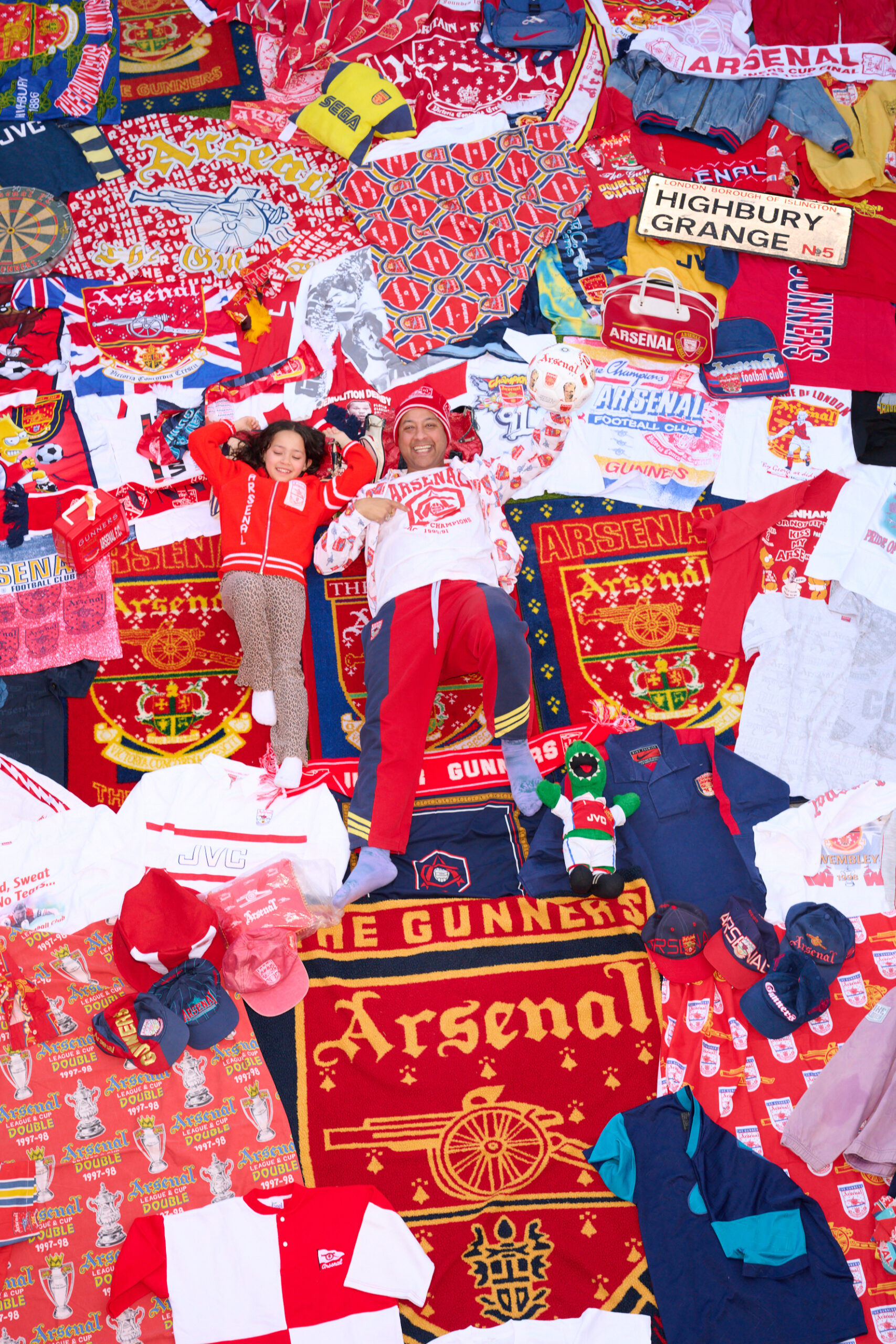
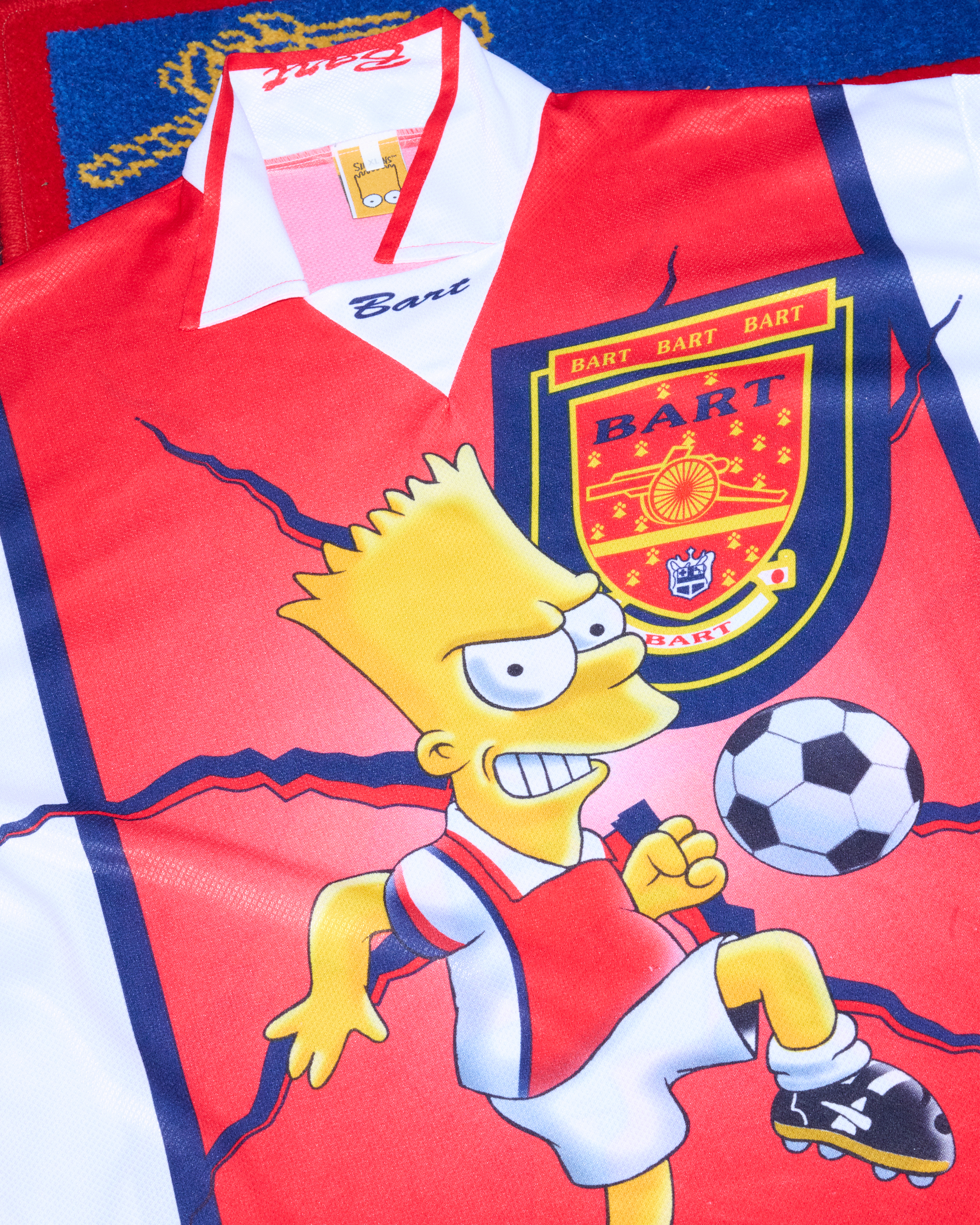
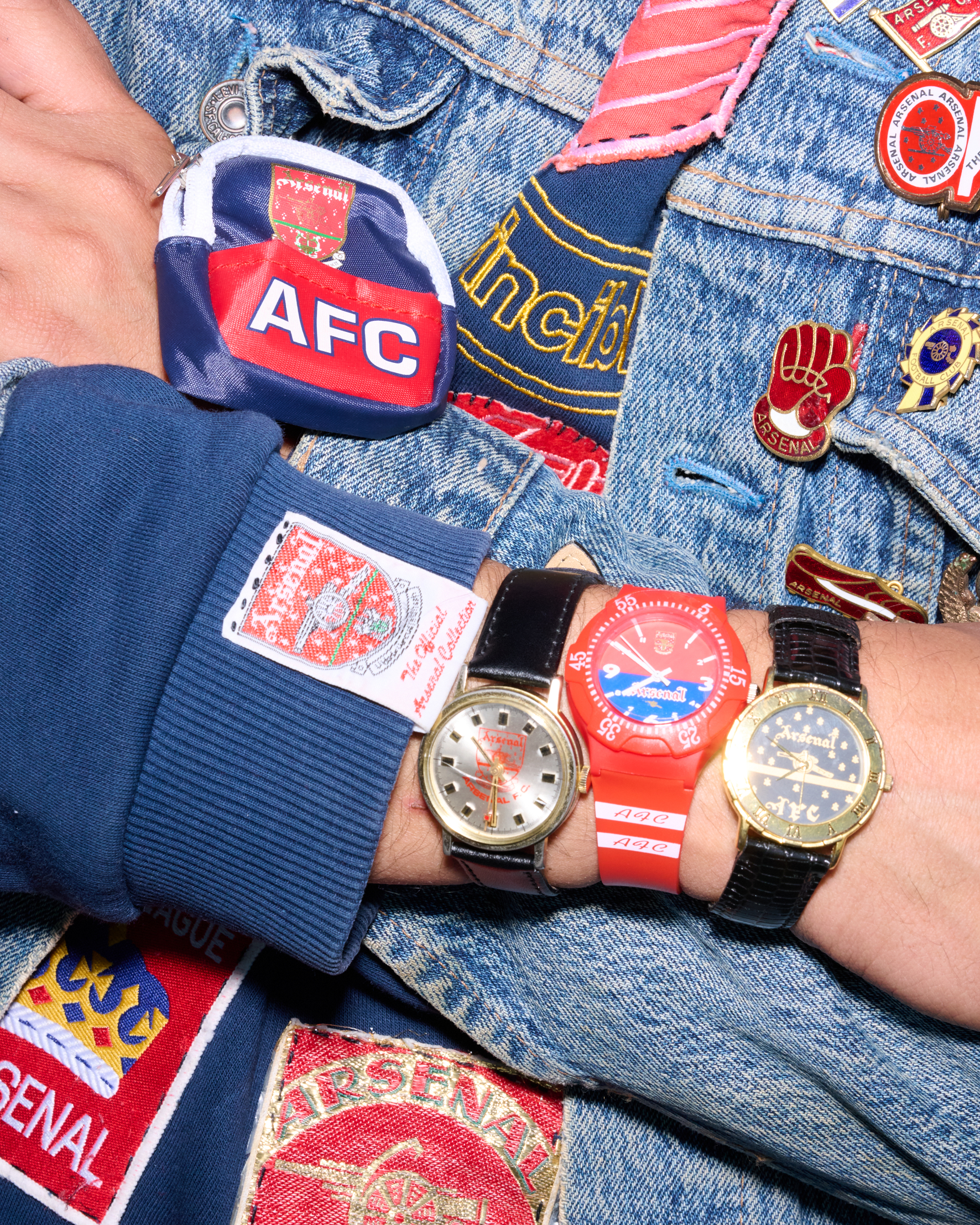
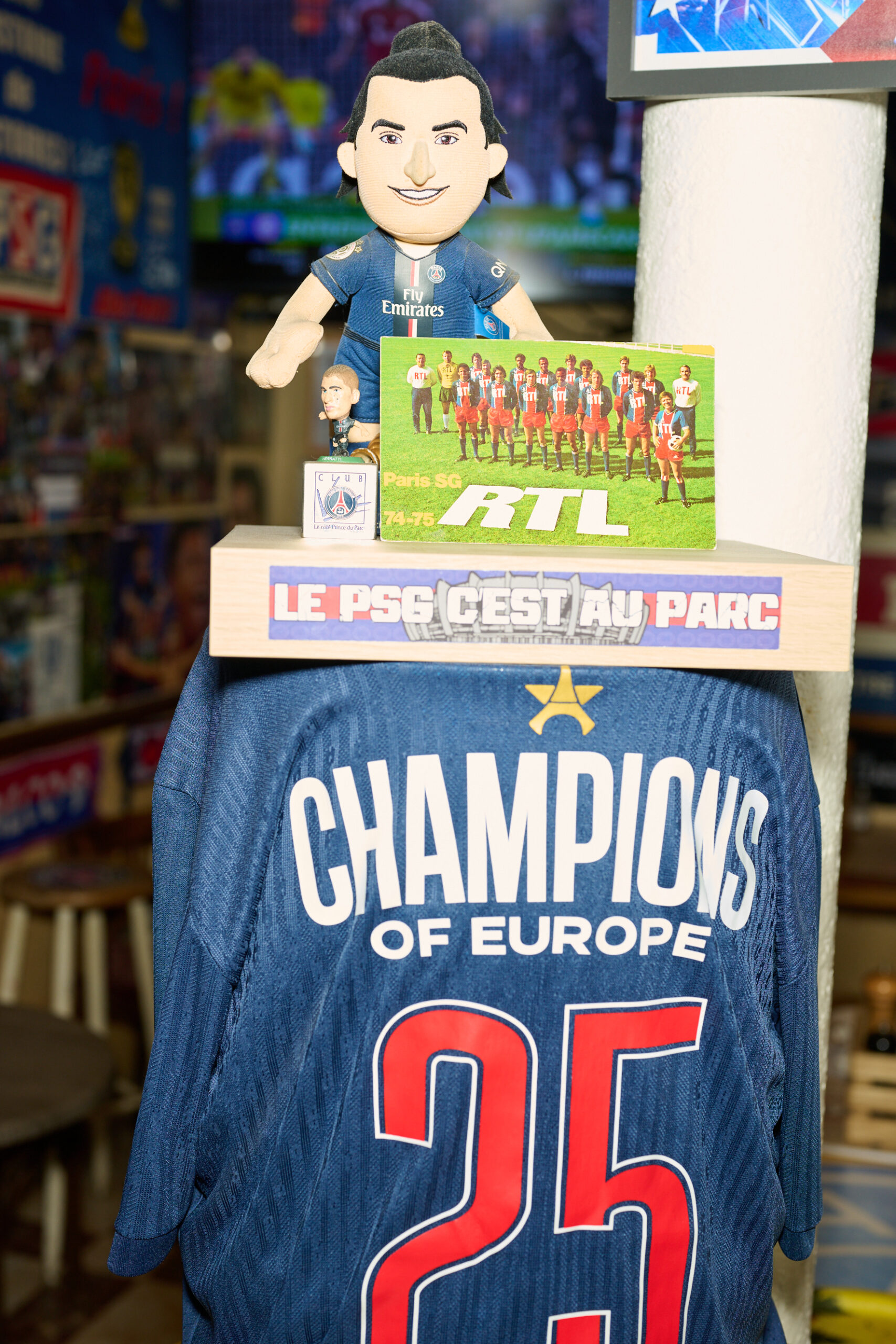
Over the years, fans – whether at the stadiums or at home – have built rituals, collected lucky charms, and developed private ceremonies to will their team to victory, experiencing each match with an almost quasi-religious devotion. Delpeche’s living room tells you everything. “Away games, I watch at home with my three lucky rugs,” he said. “The living room is all flagged up. Lucky mascots everywhere.” 

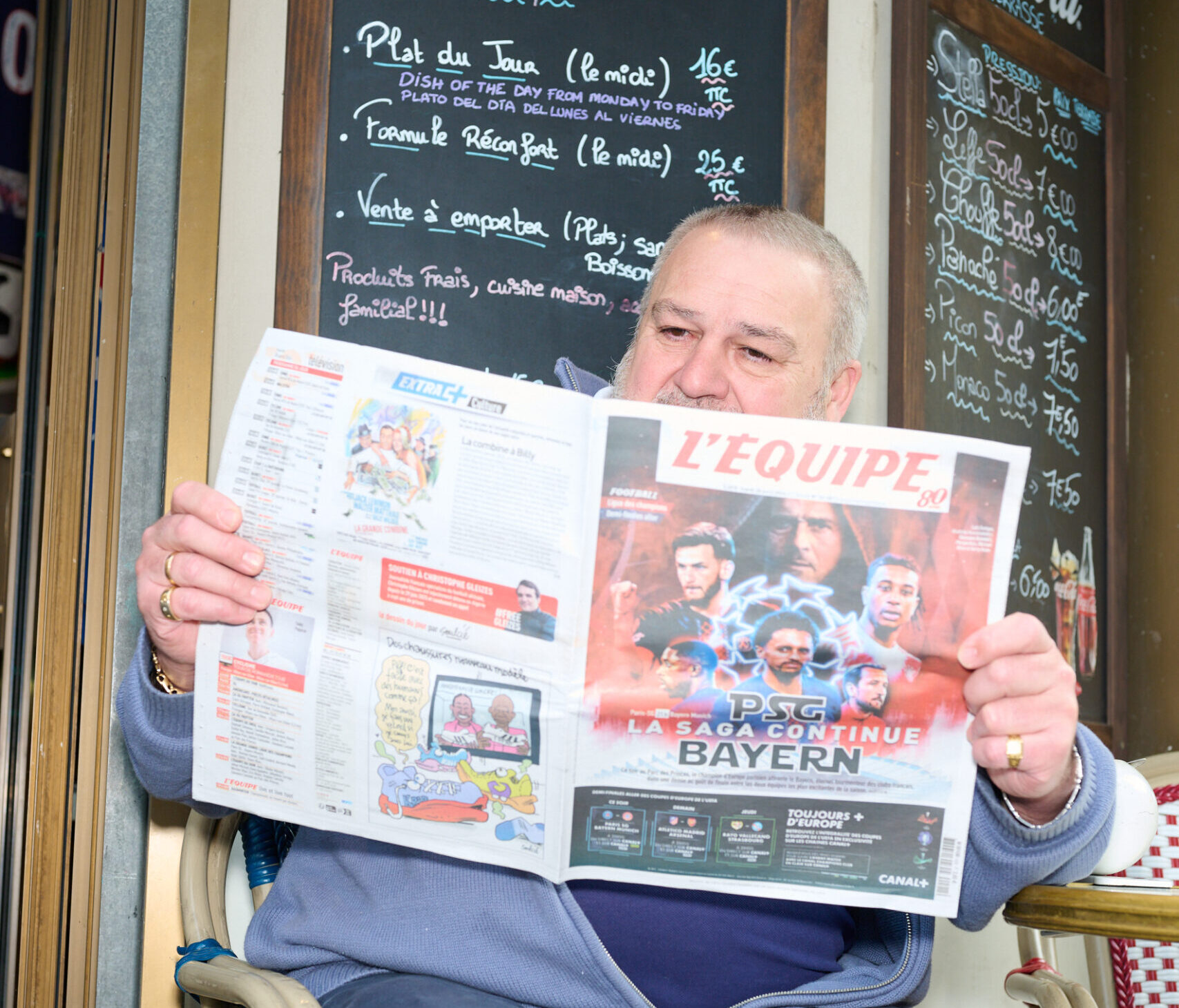
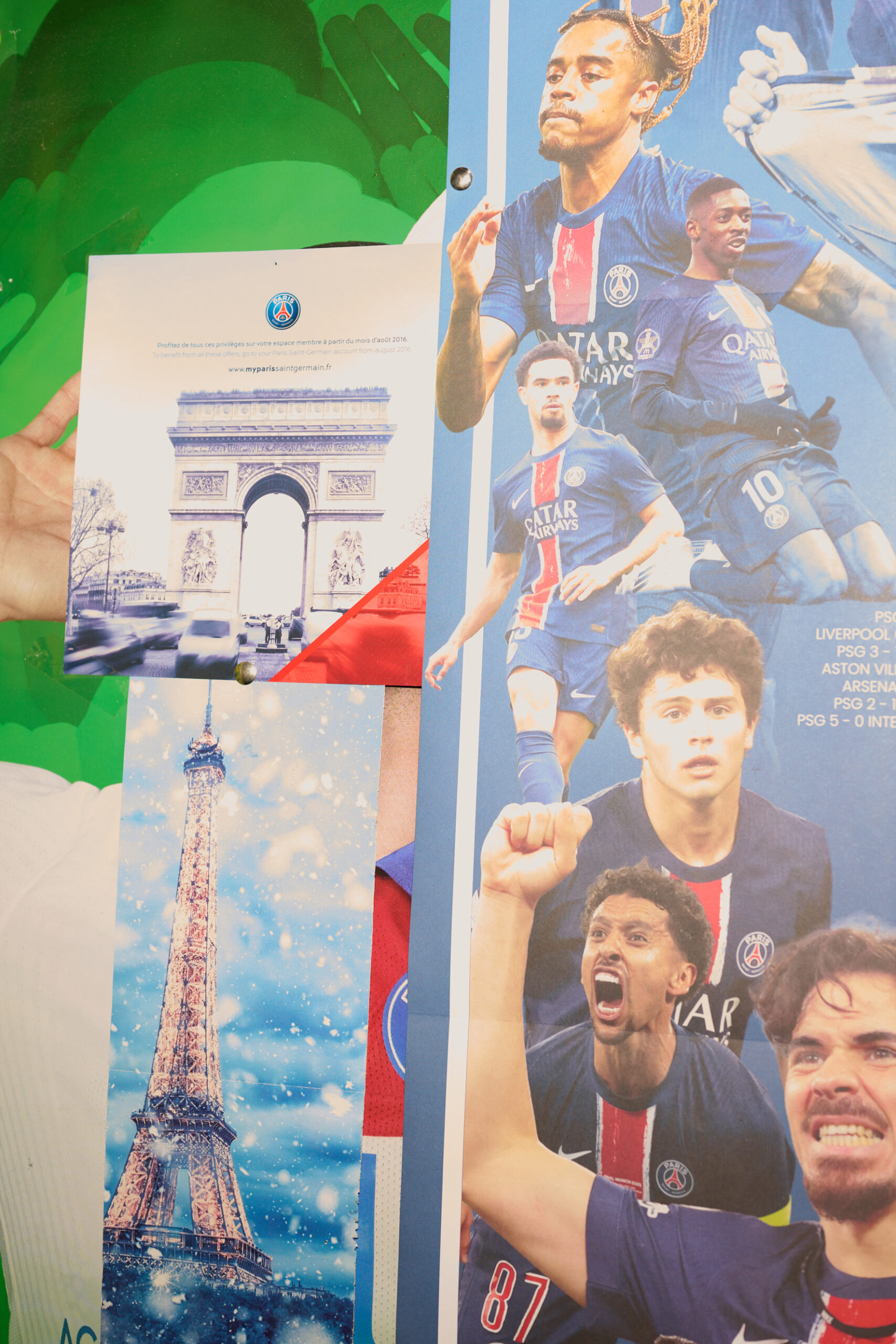
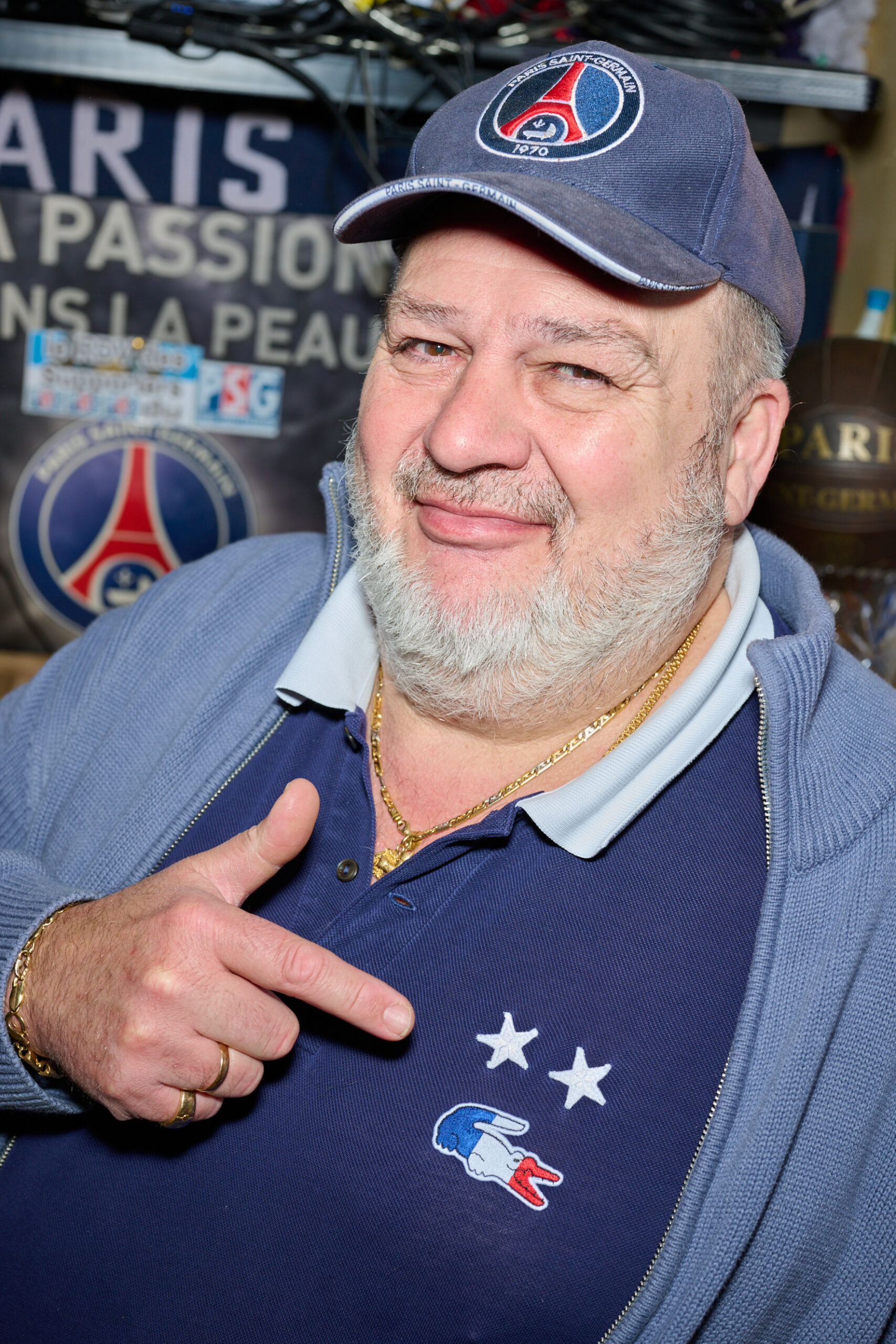
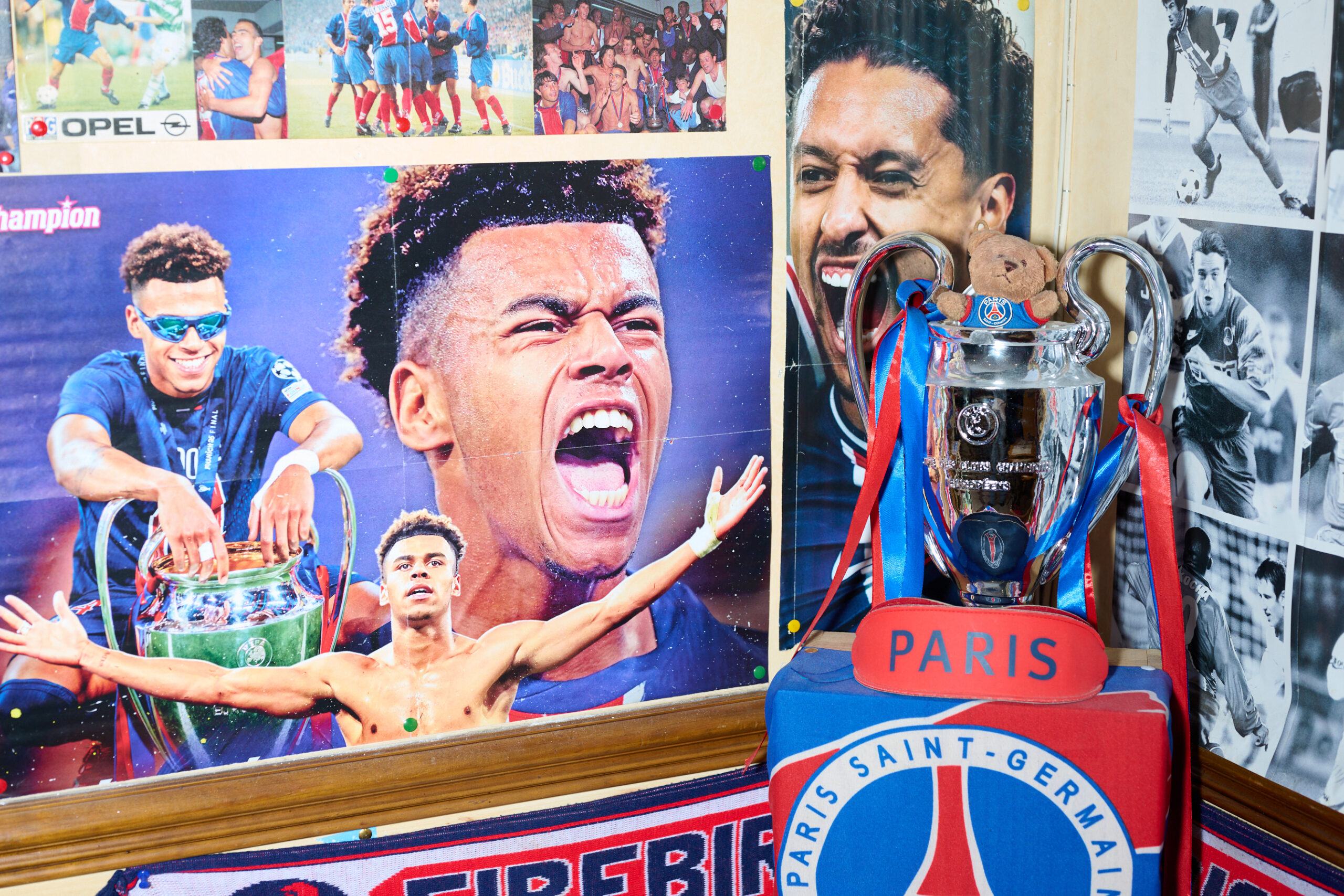
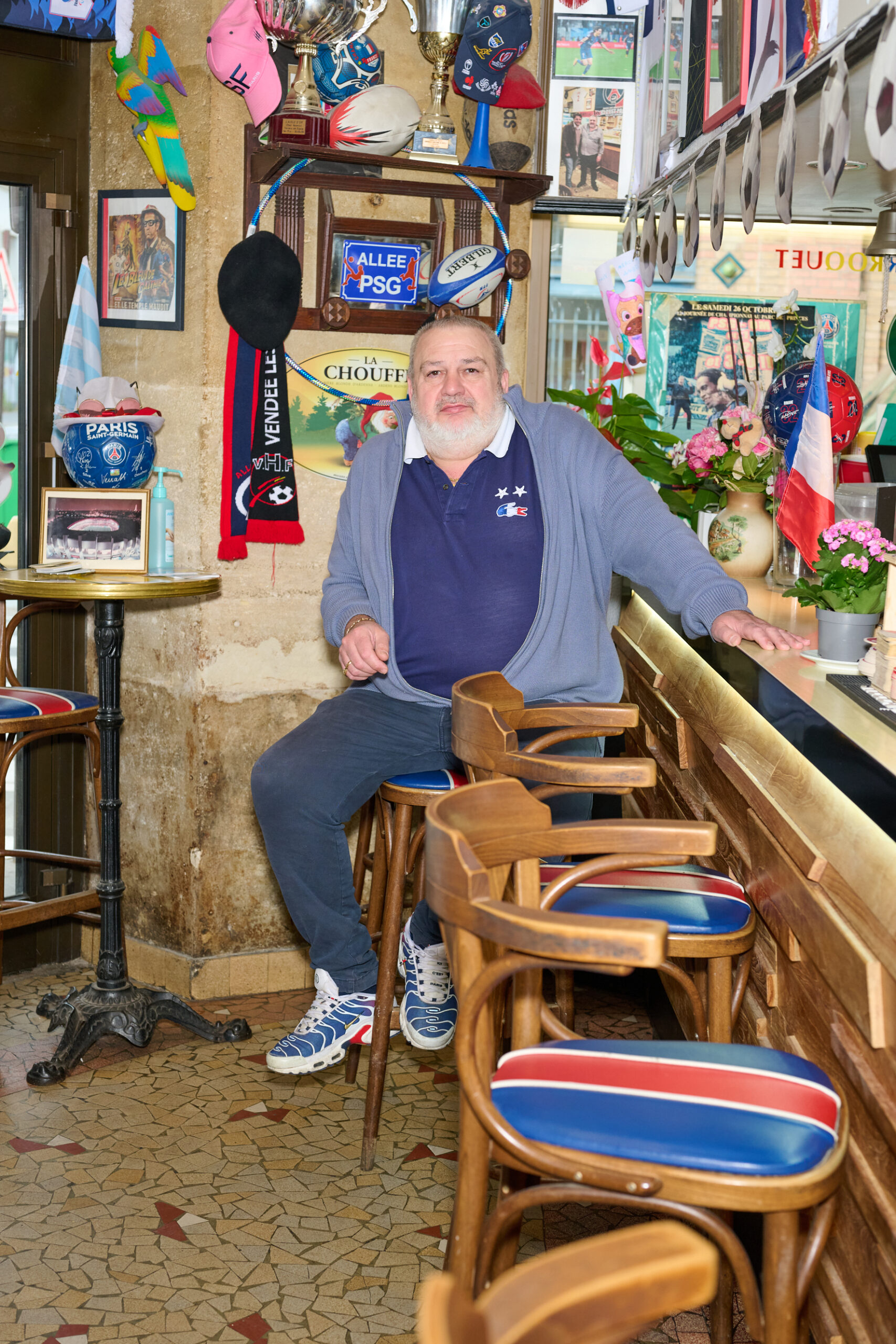
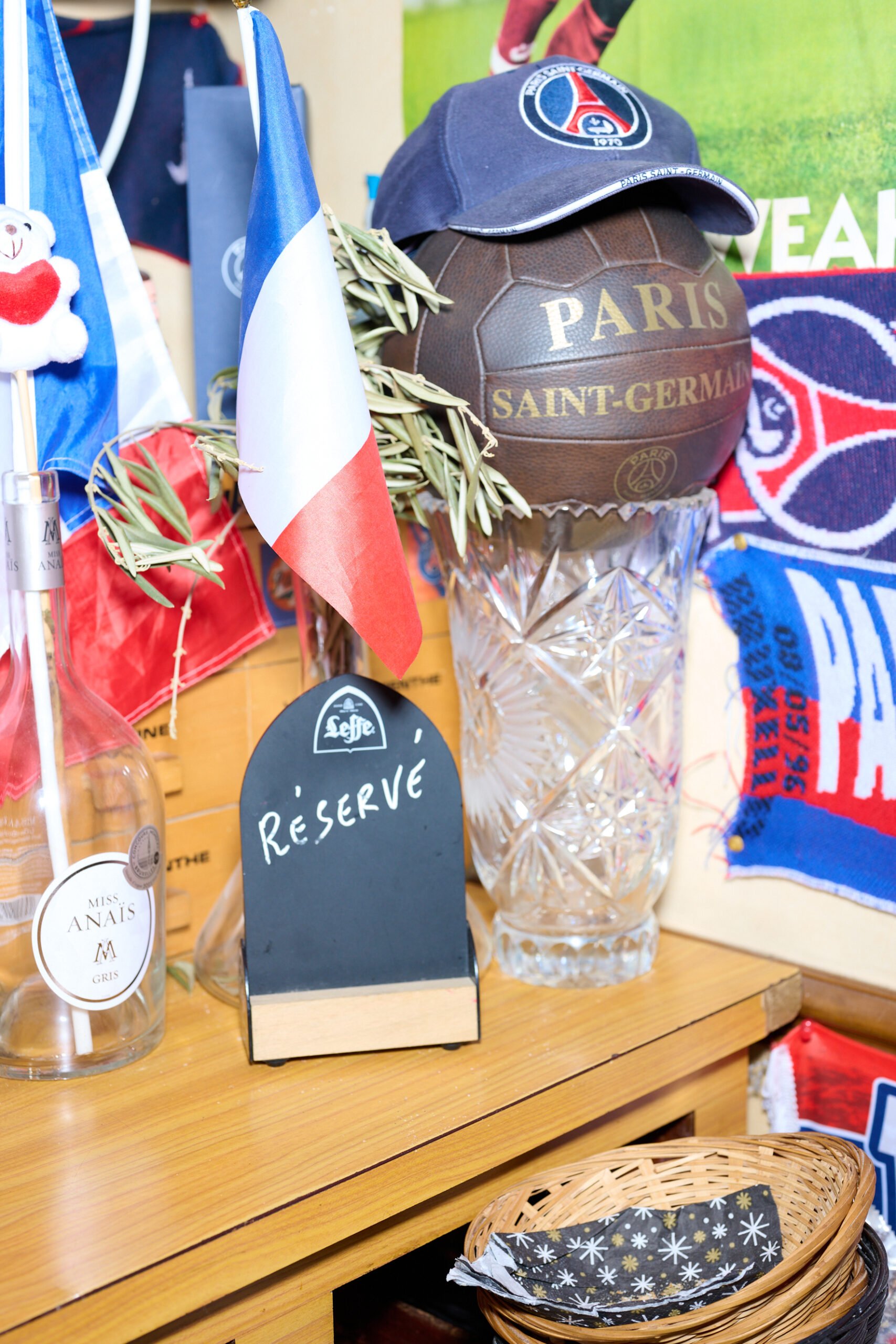
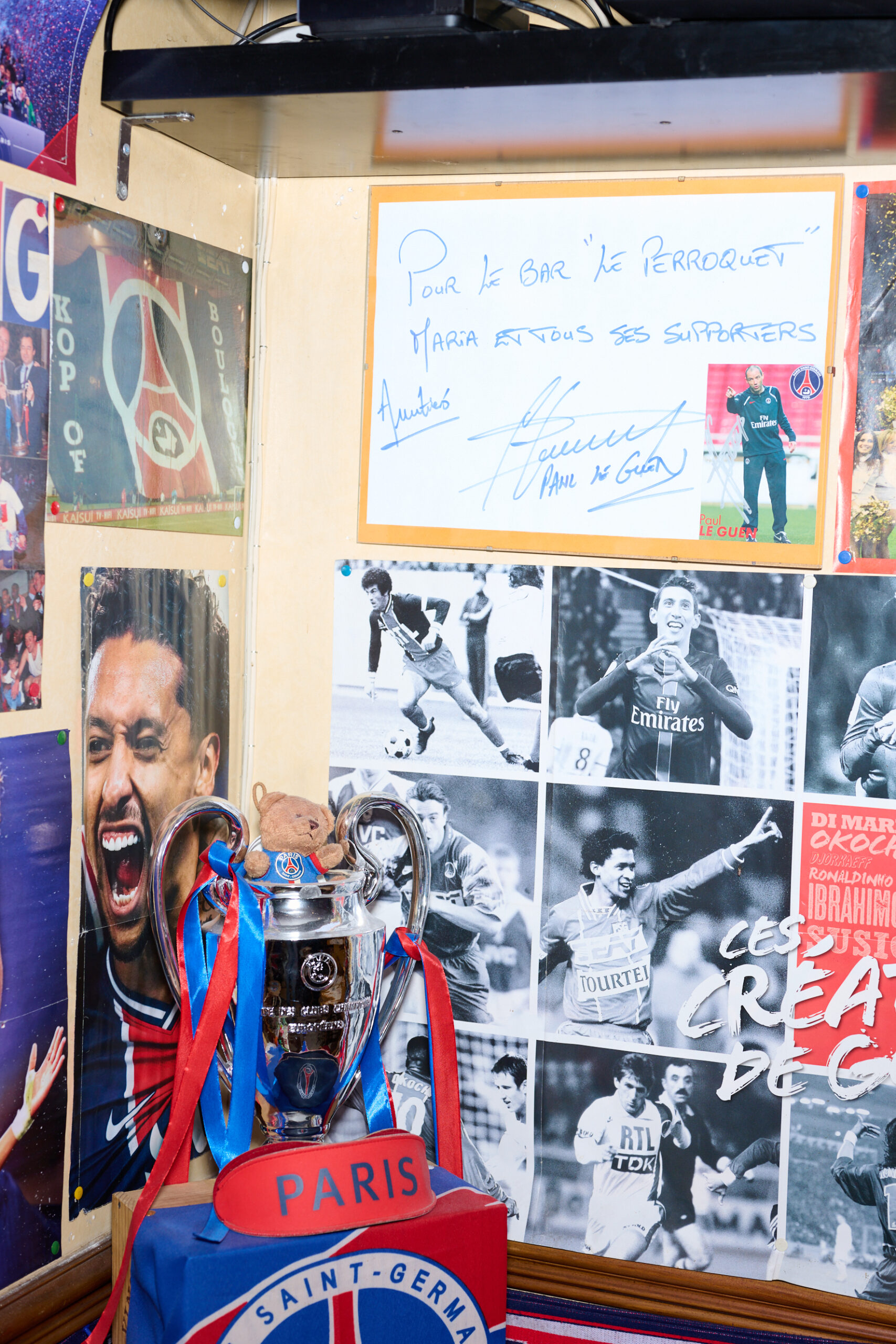
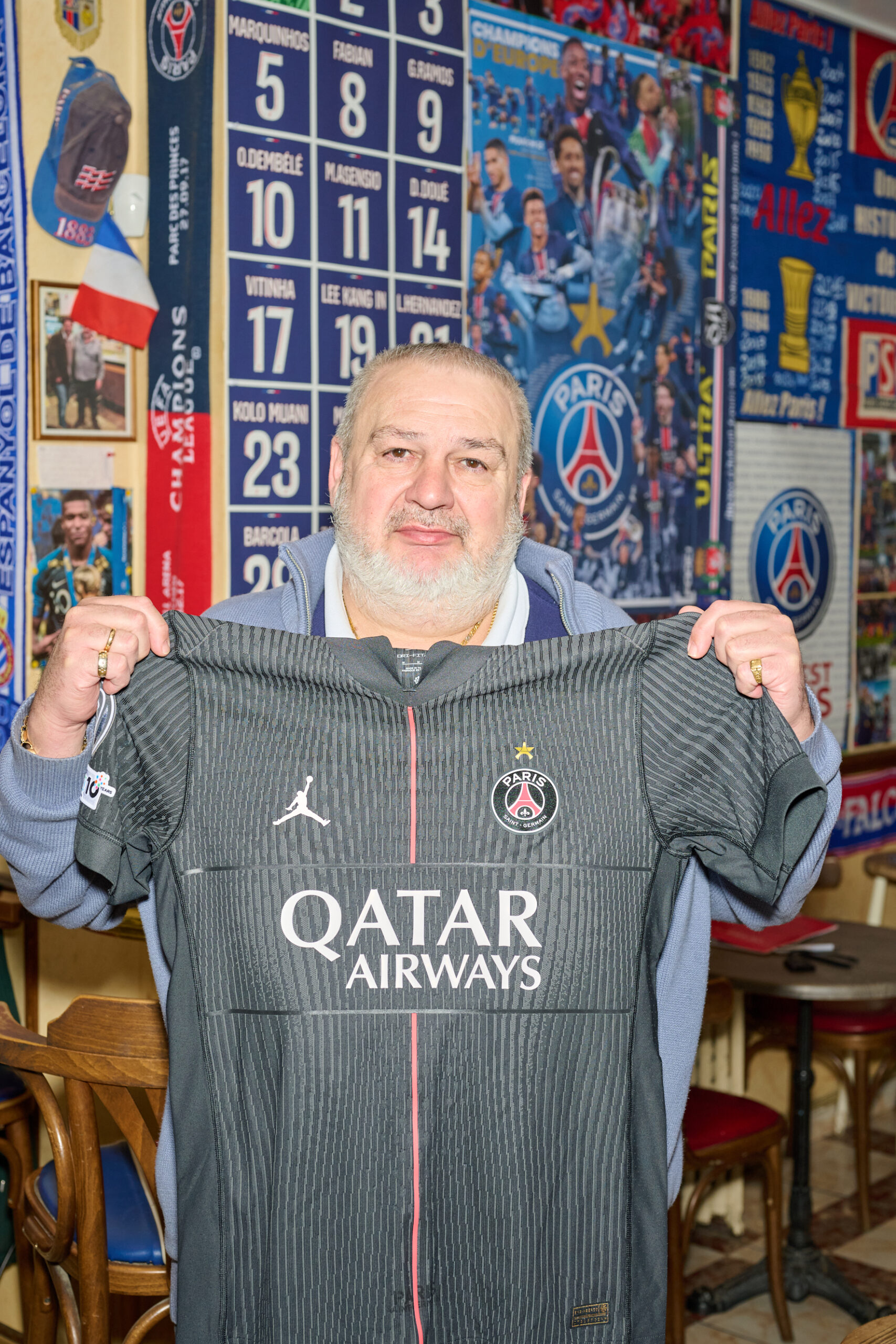
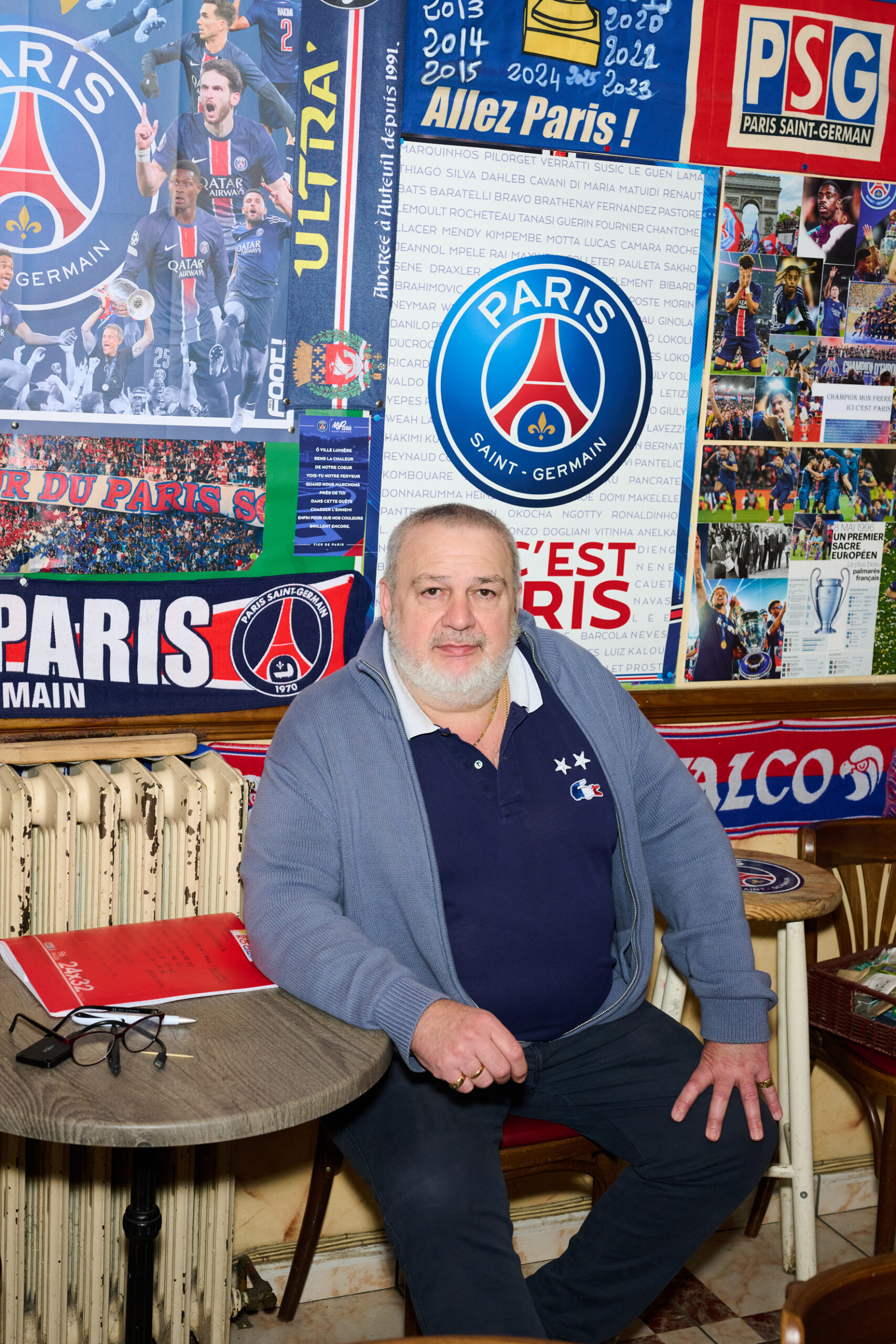
In Paris, a bar owner named Patrick Mathieu has supported PSG ever since he fell in love with the city. His most prized possession is a small trinket marked “Paris Saint-Germain,” given to him by a stranger the night the club won the Cup Winners’ Cup  30 years ago. “Since that day, I’ve kept it,” he said. “Wherever I am to watch the match, it’s with me.”
 
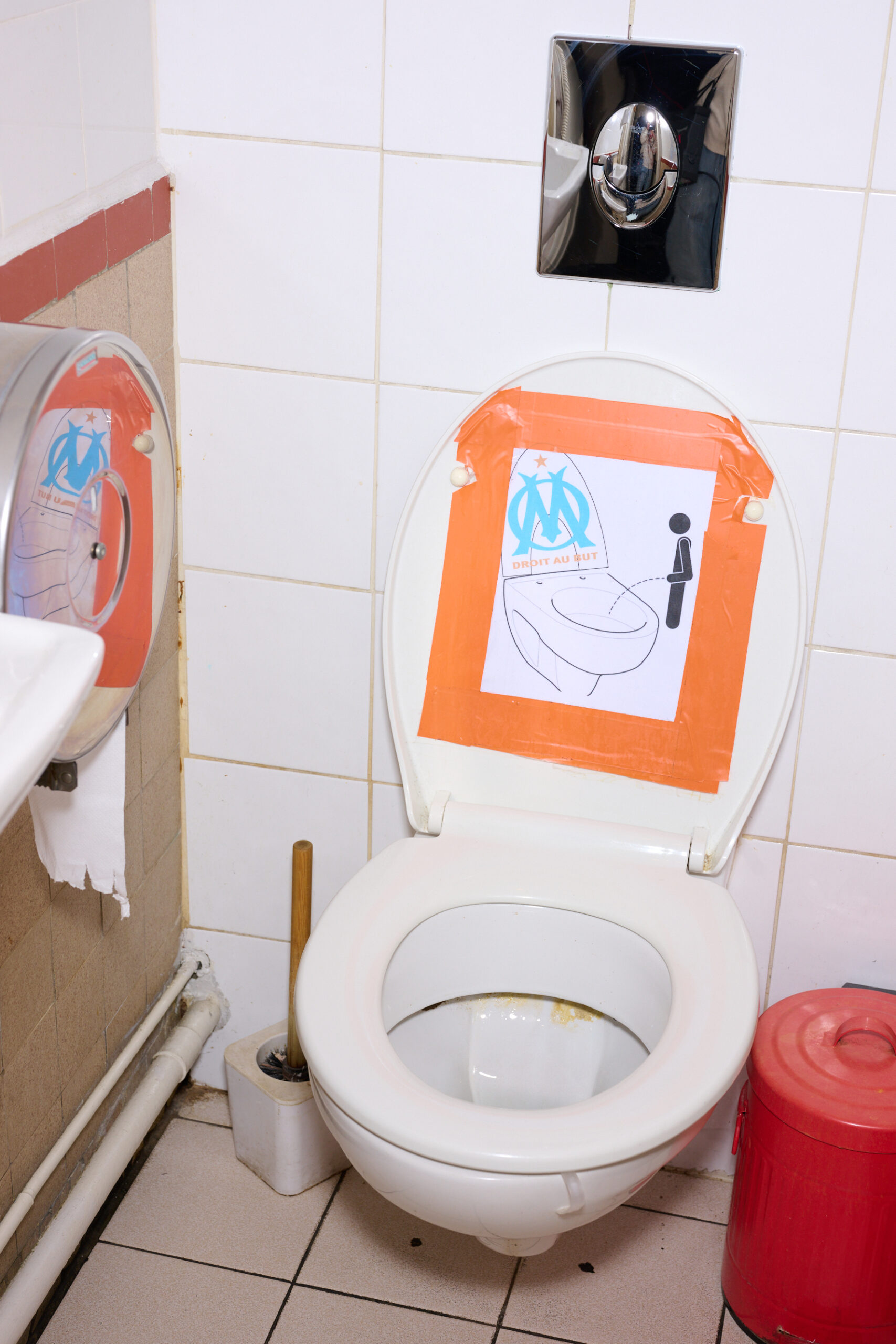
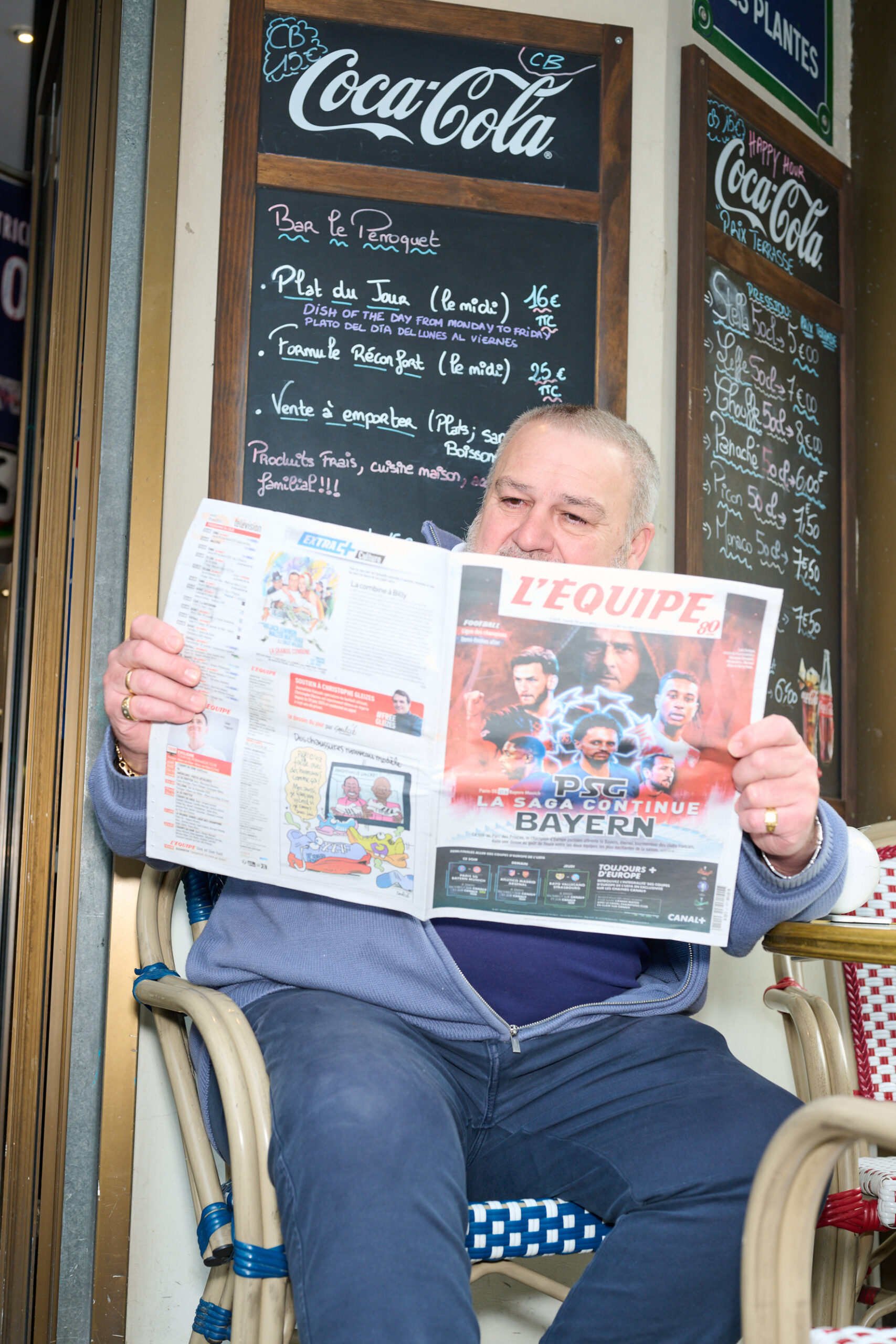
His devotion has shaped his livelihood and the way he operates his bar as well. “On the day of a big match, I open my café earlier than usual. I have a smile on my face; I’m happy to see my team play that evening. Many people come into my bar and ask: ‘What’s your score for tonight? Do you think we’ll win?’ I always have a prediction before the match, but I never say it. It stays inside my heart,” Mathieu shares. “After my service, I take a short nap, drink my double espresso, then set up my room for the evening with a big smile. I change the layout of my bar to accommodate as many people as possible. I love watching the match with everyone from the neighborhood. Even the day after the match, people stop by to tell me: “Patrick, we won!” It’s motivating to work that way.”
 
Delpeche also has his own outside-the-house match-day congregation. For home games, he joins his circle at Hybrid Library, a bar opposite the Emirates Stadium. “We’re all drinking, vibing, talking, laughing. It’s like meeting up with best friends or family,” he shares. “When we win, it’s crackers. When we lose, there are people to console. And you know, it’s just, yes, a total vibe. It’s all love. It’s lovely. It’s fantastic. You just gotta be there to witness it and feel it.” He can, though. He described it perfectly. “My wife could leave me, but I definitely know Arsenal would never leave me. It dictates everything. It takes my emotions, moods, everything. It’s beyond. Its more than a passion. It’s a way of life. It’s not just supporting a football club or watching 11 men kick a ball around the pitch. It’s much more than that. It’s deep. It’s ingrained. It is part of my life.”
 
Mathieu describes a similar sentiment in a few different words. “It’s my second heart. I have one heart for my children and one heart for PSG.”
 
Whether any of these men would describe themselves as emotional beings is another matter entirely. But soccer can be one of the few spaces where men permit themselves to be exactly that – to scream or cry out of joy or to embrace a stranger without ever having to name what they’re feeling. It provides a parallel game. There is a reason clubs call their fans “the twelfth man” because the effect is easily measurable. When Bastian Schweinsteiger – former German soccer player and one of the best of his generation – was once asked before a match against Borussia Dortmund whether he feared the opposing players or their coach more, he chose neither and referred to the 25,000 fans standing as a single block behind the goal, saying, “It’s the Yellow Wall I’m most afraid of.” 
Words by: @rundoozz
Talent Antonio Esposito, Patrick Mathieu, Shane Delpeche
Photography @RaphaelBliss
EIC @vladimirrestoinroitfeld
Fashion Director @carineroitfeld
Creative Director @e.mman
Editorial Director @rob_cord_
Senior Editor @genevieve.g.walker 
Fashion Editor @sofia.mottaa
Talent Casting @2holymollyx
Digital Director @scovvv
Associate Editor @kat.harron
Art Director @guillaumesbalchiero
Production @williamromeoproduction
Executive Producer: @adrienwilliamromeo