
September 2025. The mood inside Accor Arena at UFC Paris was electric, particularly for the main event.
Nassourdine Imavov, a French middleweight known for his crisp hands, was up against Caio Borralho, a beastly Brazilian who belongs to the celebrated Fighting Nerds team out of São Paulo. Imavov was the underdog: In a gym full of monsters, Borralho is perhaps the most fearsome, a high-level fighter with remarkable jiu-jitsu skills who happens to be built like a semi-truck. His physicality is made even more formidable by his intellect; before he became a full-time professional fighter, he taught math and chemistry.
Imavov was undeterred. He very quickly took the center of the cage, using his jab to probe for openings before lighting up Borralho with his hands: lightning-quick two- to three-punch combos that kept the Brazilian off balance, never able to find his rhythm. For pretty much five rounds straight, Imavov beat him up.
The final horn sounded and the fighters hugged. The Fighting Nerd, face puffy and bloodied, couldn’t help but clap for his opponent. When Imavov’s hand was raised — the French fighters would go undefeated that night, four for four — the message was clear: France had arrived as a major force in the world of MMA.
The French are considered newcomers to the sport. Banned in France until 2020, MMA has long been dominated by fighters from Brazil, the United States and Russia.
Yet the Parisian fans brought the noise as if this were the kind of F1 race or soccer match they’d grown up watching. They were loud, as Daniel Cormier, an analyst and former UFC champion himself, would say after the fight. “I’m telling you, it bolsters the fighters,” he said. “They can hear it. They feel excited.”
France has historically had a rich history of martial arts, particularly judo. (Mikinosuke Kawaishi, a Japanese transplant who moved to Paris in 1936, is credited with popularizing judo throughout Europe.) Judo is so popular that Paris Saint-Germain opened its own dojo in 2024 in hopes of developing the next generation of competitors.
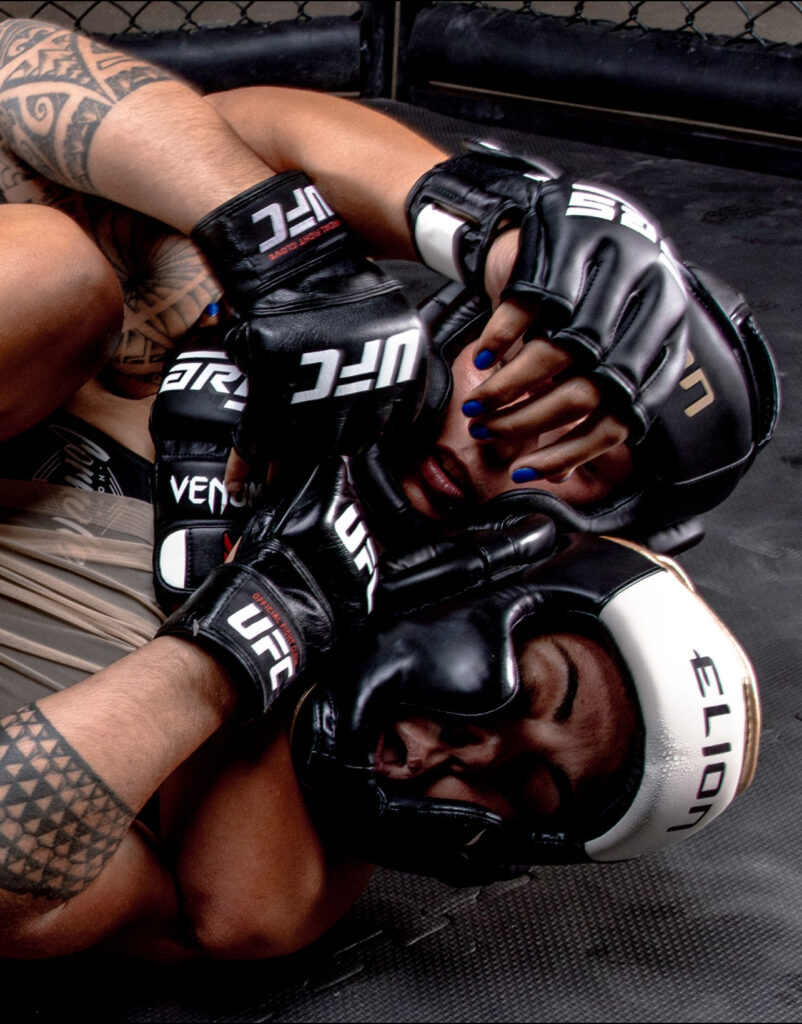
MMA, on the other hand, was viewed as too savage, too bloody, too at-odds with French sophistication and values. Which is understandable: This is a sport where two competitors are locked into a cage like animals and fights often conclude with one fighter smashing the other’s face while they’re wrestling on the ground.
“It was perceived as too violent, with not enough regulation,” says Xavier Marin, the chairman of ARES Fighting Championship, a multi-pronged MMA organization that is changing the fighting landscape throughout Paris. “So it took a lot of time to work.”
MMA was formally decriminalized beginning on January 1, 2020 — despite the fact that the sport was still practiced all over the country. (Not to mention that France had already produced a few champions, including former UFC heavyweight king Francis Ngannou.) Yet the change was symbolic, made possible in part by Roxana Maracineanu, the former minister of sports and an Olympic swimming champion herself, who said in an announcement that “this reality had to be taken into account in order to better supervise and apprehend it.”
MMA is a sport of high drama, after all. The closest theatrical distillation we have to a fight to the death. Marin and his team at SLAM Fund saw an opportunity to build an entirely new ecosystem throughout France and invested in ARES MMA: a 360-degree platform that includes training clubs, athlete management, media content production and a fight league, with the singular goal of transforming the country’s MMA fighters into global stars that can compete at the highest level — that is, the UFC.
Marin, in particular, feels like MMA can compete with F1 and soccer in France in terms of star power. “One of the reasons MMA is so successful and popular is because you have action — a condensed, short format,” he told me. “It’s a young audience. You have a lot of really cool 18- to 34-year-olds, which make the sport very, very attractive.”
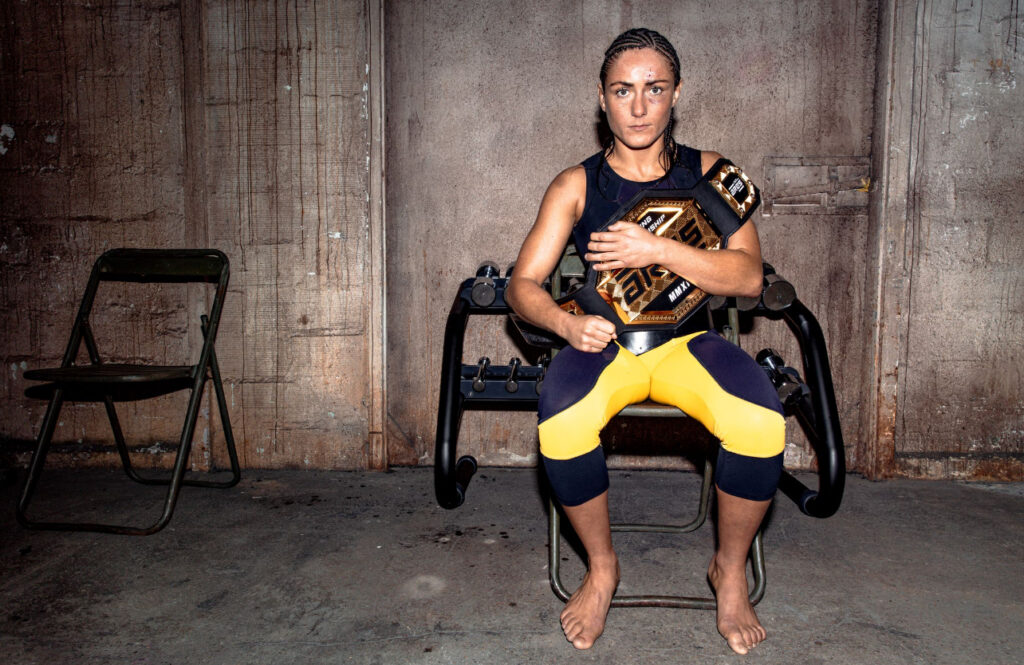
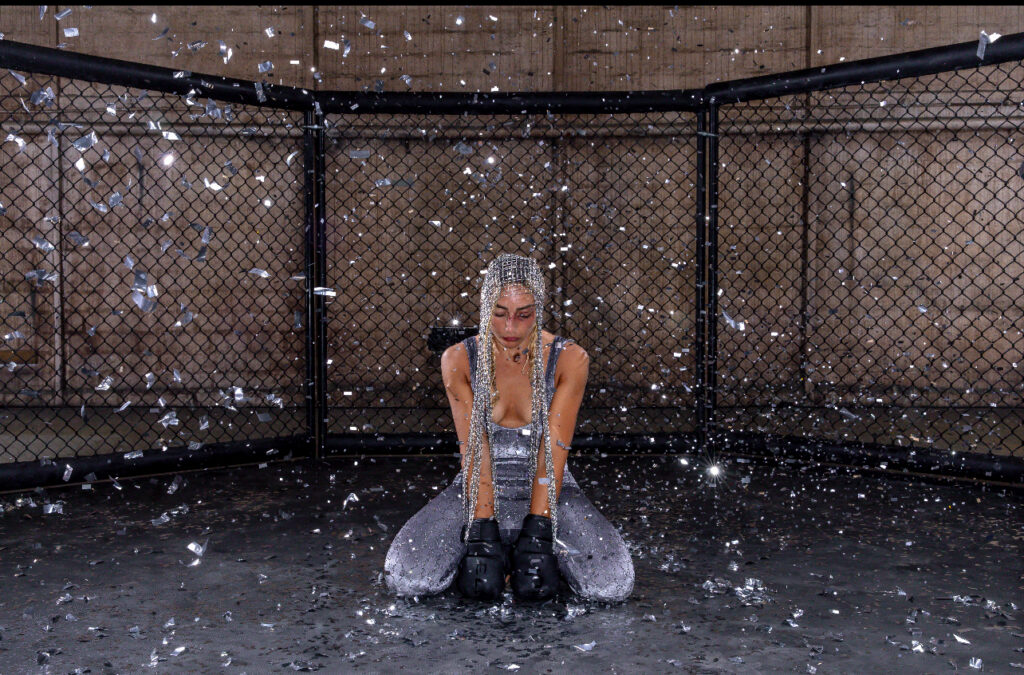
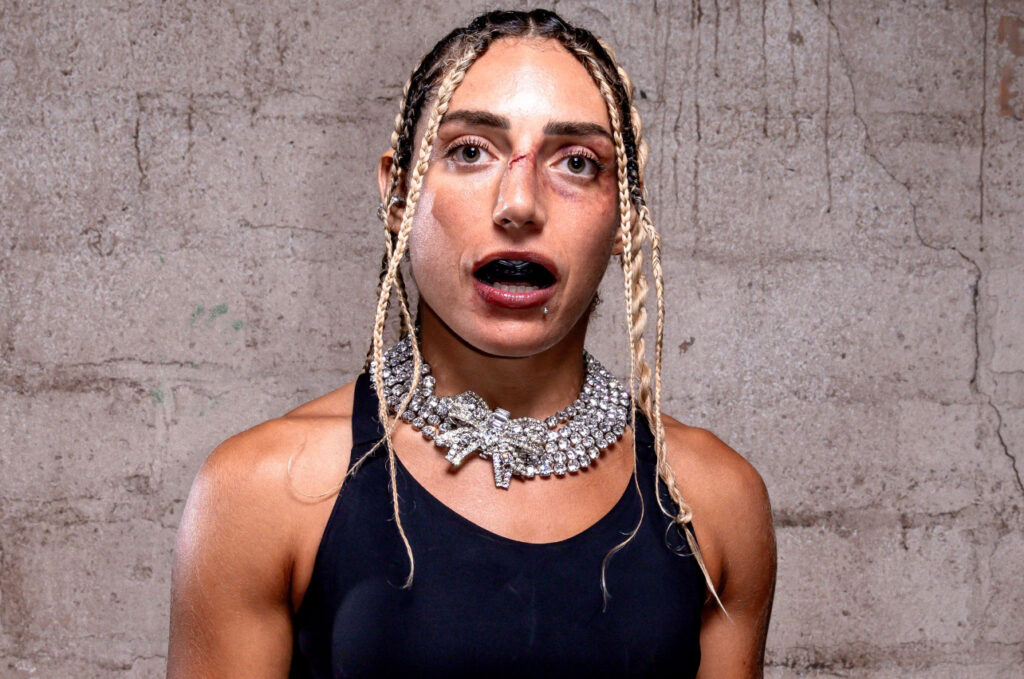
Particularly, it turns out, to women. Since the sport was legalized, French women are joining MMA gyms and finding new opportunities to build themselves into world-famous athletes — opportunities that they are seizing with hunger and aggression. ARES MMA is helping to usher in a new generation of women competitors who are redefining what it means to be a professional fighter. So, we talked to three female rising stars from ARES MMA about why the brutality of the sport lit a fire in them — and why France’s martial artists are built different.
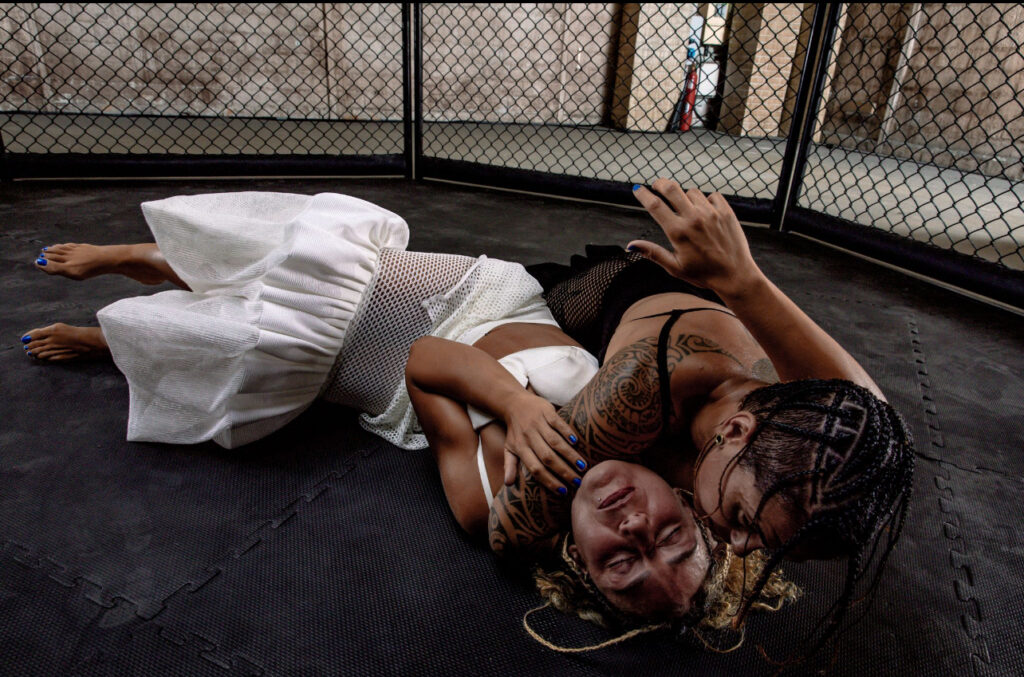
NORA CORNOLLE, 35
The Hooper Who Fell in Love With Muay Thai
Chris Gayomali: You played basketball before finding Muay Thai. What drew you to martial arts?
Nora Cornolle: I have practiced different sports since five or six. I never knew sports without competition. It was martial arts like judo, taekwondo and jiu-jitsu when I was younger, to do everything like my big brother. I was a tomboy when I was younger and a brawler. I was fighting all the time. I was a fan of video games, Tekken and Soulcalibur, so I guess I wanted to copy that in real life. I kept going with basketball until I turned 21. I started kickboxing for a year and a half, but I was unhappy there, and one of my friends told me about her sport, Muay Thai. It was absolutely unthinkable for me: elbows, knees… Too violent, I thought. I had to leave France during my studies and ended up as an intern in an advertising agency in Bangkok, and guess what: I started Muay Thai there in 2013.
CG: Why did you decide to make the jump from Muay Thai to MMA?
NC: I was very attached to Muay Thai initially, but I was thinking more and more [about] MMA since 2017, seeing some of my friends training. I was also number one in two weight classes in France at the time, so the challenges were almost nonexistent. In the 2021 post-COVID era, the Muay Thai market in France was also very dead. No more big events, and it wasn’t easy to make money. I’ve always wanted to make a living from this sport I was so good at, and MMA appeared as the new path to take with a bigger and greater market, and a new world to conquer.
CG: Who are the fighters who have influenced your style the most?
NC: If I might pick an athlete as an inspiration, it would be [basketball player] Allen Iverson: my forever crush since I’m a teenager. He changed the game forever, inside and outside the court, by being unapologetically himself. His personality and his style, disrupting the business… That would be my aim today as a UFC fighter.
CG: What makes French martial artists special? Why do you like training in France?
NC: Frenchies are hungry! We’re a different breed because the sport has been forbidden for so long. We are going for the win, very technical, very aggressive and smart in our games, and in my opinion, because of all of this, we are special. MMA was, until a few years ago, just an entertainment mix of violence and a show, which is so far from the traditional sports that French people are used to watching on TV. So we will still need some time to educate them and “undemonize” it. But baby steps. We are on the way!
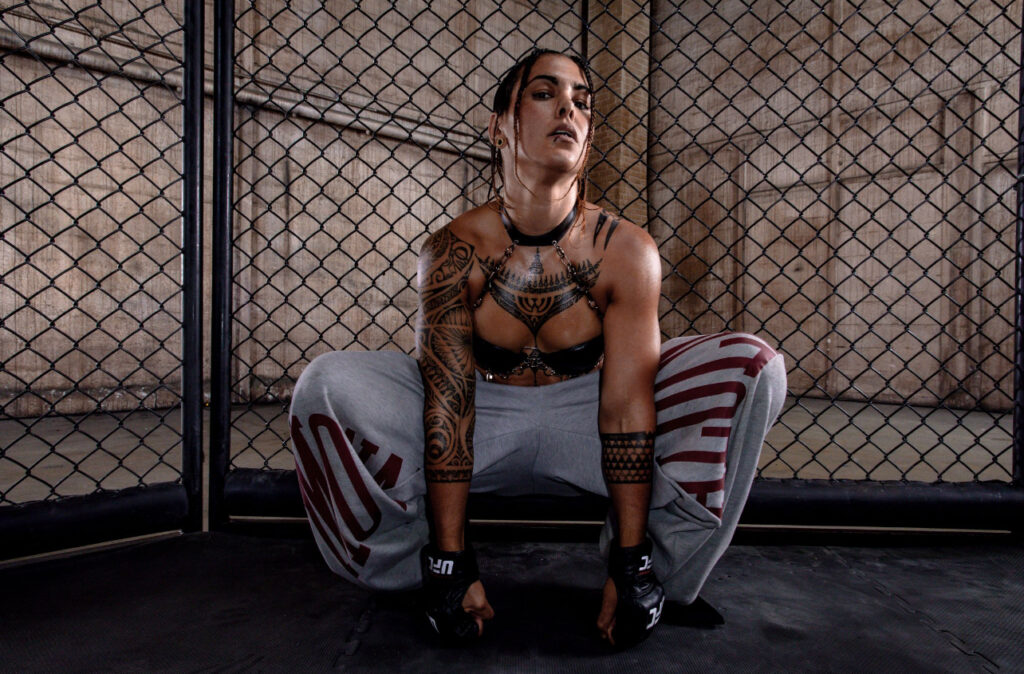
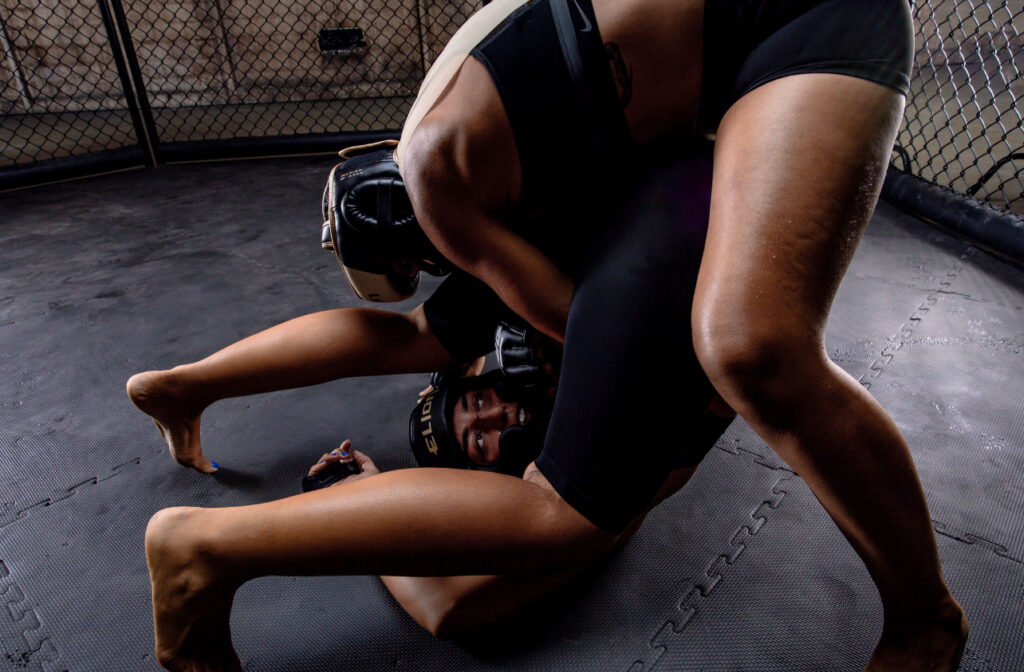
DELPHINE BENOUAICH, 30
The PE Teacher Who Trains Like a “Psychopath”
Chris Gayomali: What were you doing before you started MMA, and what drew you to the sport?
Delphine Benouaich: Growing up with three older brothers in a Moroccan-Italian family, I was always roughhousing and scrapping — it basically turned me into a fighter from day one. Professionally, I became a certified PE teacher in Essonne, France, where I still teach and inspire kids to push their limits every day. MMA found me by accident: A friend bailed on a Brazilian jiu-jitsu class that doubled as an MMA tryout, so I went alone. The rush of combining striking, grappling and strategy hooked me instantly. It felt like the ultimate test of everything I’d built up — mental, physical and that raw competitive fire from my brothers.
CG: What is it about your gym that makes it special?
DB: I train primarily out of Fight Industrie in Évry-Courcouronnes, with my first coach Adama Koné, who gave me solid striking basics. Then I met Nicolas Ott with the MMA French team and became one of his pupils for MMA and specialized work. What sets Fight Industrie apart is that family vibe — it’s not just a gym, it’s a crew that feels like home. Everyone’s got your back, whether you’re grinding through double sessions or recovering from a tough spar. And my head coach, Nicolas Ott, is on another level. Nicolas is the French MMA genius — he’s a step ahead of everyone when it comes to training methodology and strategy.
CG: How did you develop your high-pressure style?
DB: My style comes from that “psychopath of training” rep I’ve earned — two intense sessions a day, six days [a week], no excuses. I started with grappling, diving deep into Brazilian jiu-jitsu to master ground control and transitions. It’s that heart and mindset, paired with endless reps at Nicolas Ott’s trainings and at Fight Industrie, that’s shaped my style into something opponents can’t handle. Relentless pressure. Sparring with bigger, tougher partners at the gym forced me to close distances fast and dictate the pace, turning defense into offense. Watching my fights, you’ll see it: I swarm forward, mix strikes with takedowns until blood comes. Pure grit.
CG: Who are the MMA fighters who have influenced your style the most?
DB: As a French fighter, I’m inspired by the wave of talent coming out of our country — guys who bring that tactical edge and relentless drive I chase in my own game. Nassourdine Imavov is a standout; his versatile mix of sharp striking from distance and opportunist wrestling has shaped how I want to blend pressure with smart transitions to control fights.
CG: What mentality do French martial artists bring into the Octagon that makes them special?
DB: French fighters carry this unbreakable discipline forged from our judo roots and that no-quit military mindset. We’re tactical chess players with a brawler’s heart: We adapt on the fly, stay composed under fire and turn pressure into our weapon.
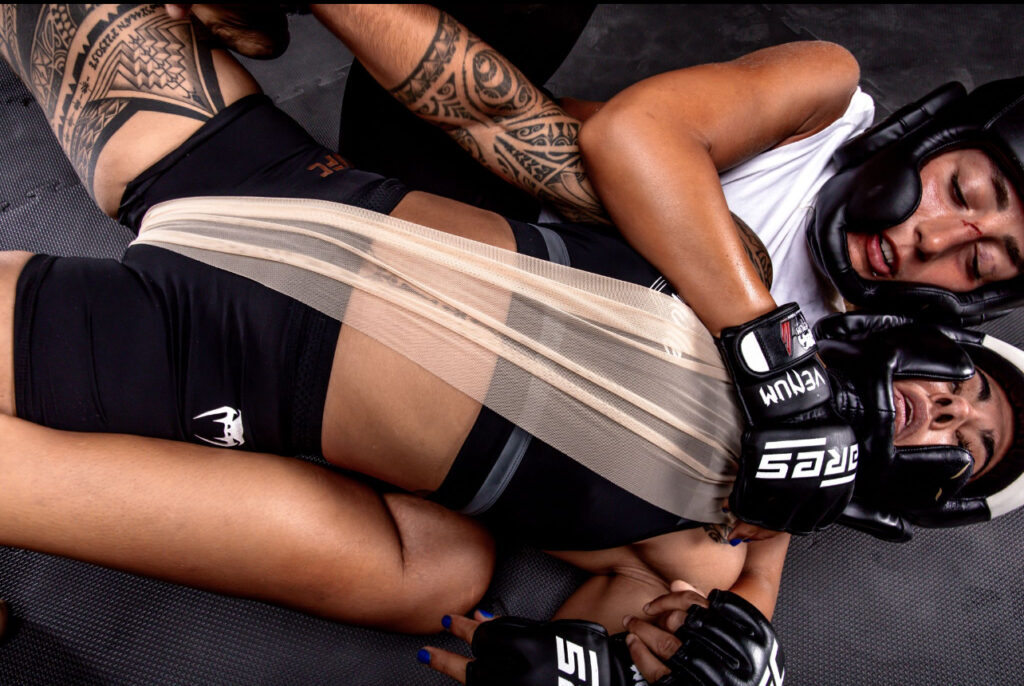
LISA ZIMMO, 32
The Jiu-Jitsu Expert Who Would Love to Open a Bakery (Someday)
Chris Gayomali: What were you doing before MMA, and what drew you to the sport?
Lisa Zimmo: Jiu-jitsu was my gateway into MMA. What drew me in was the individuality of it — the idea that your results ultimately depend on your own hard work, discipline and resilience. MMA demands everything from you, but it also gives back the chance to shine on the biggest stage. For me, it was the perfect mix of challenge and opportunity. Growing up, my idols were Cris Cyborg and Amanda Nunes — two women who didn’t just win fights, they changed the perception of what women can achieve in a male-dominated sport.
CG: What makes France’s MMA scene special? What is it about the fighters that sets them apart?
LZ: French fighters have this hunger, this extra edge, because they’re fighting not just for themselves but to prove their place on the global stage. The fact that we already have multiple French athletes in the UFC so quickly speaks volumes about the country’s talent.
CG: When did you fall in love with fighting?
LZ: I’ve always believed in balance. I studied law in London before fully stepping into the world of fighting, but it was there that I first tried jiu-jitsu. I fell in love instantly with the competitive edge of combat sports and quickly found success, winning multiple national gold medals. My love only grew as I transitioned to MMA — suddenly it wasn’t just about one discipline, but about mastering striking, wrestling and everything in between. What really hooked me was the cage itself. Walking into that space, knowing it’s just you and your opponent — it’s the purest form of competition, and it’s where I feel most alive.
CG: What would you like to do once you are done fighting?
LZ: Outside of the cage, I have a softer passion, too: I’d love to open a bakery where I can experiment with creating desserts. Fighting and baking might sound worlds apart, but to me, both are about creativity, dedication and leaving people with something unforgettable.