

There are few grails in sport as sacred as the FIFA World Cup.
The chance to win soccer’s greatest prize only comes around once every four years. The select few who lift the golden trophy undergo a unique metamorphosis that occurs only to those who have won the tournament. After winning, these players pass from being mere athletes to national heroes to cultural icons and custodians of the sport itself. World Cup Winner is a title you hold in perpetuity; World Cup heroes are enshrined forever in the annals of the tournament’s rich history.
Soccer fans need only to close their eyes to recall the players or teams who left their indelible mark on the game, thanks to World Cup exploits. Stories proudly retold by older generations lucky enough to have witnessed them live, crowded around a radio, TV or even at the stadium itself, take on mythic proportions in the imaginations of younger generations who heard about crowning moments in the sport from long before they were born.
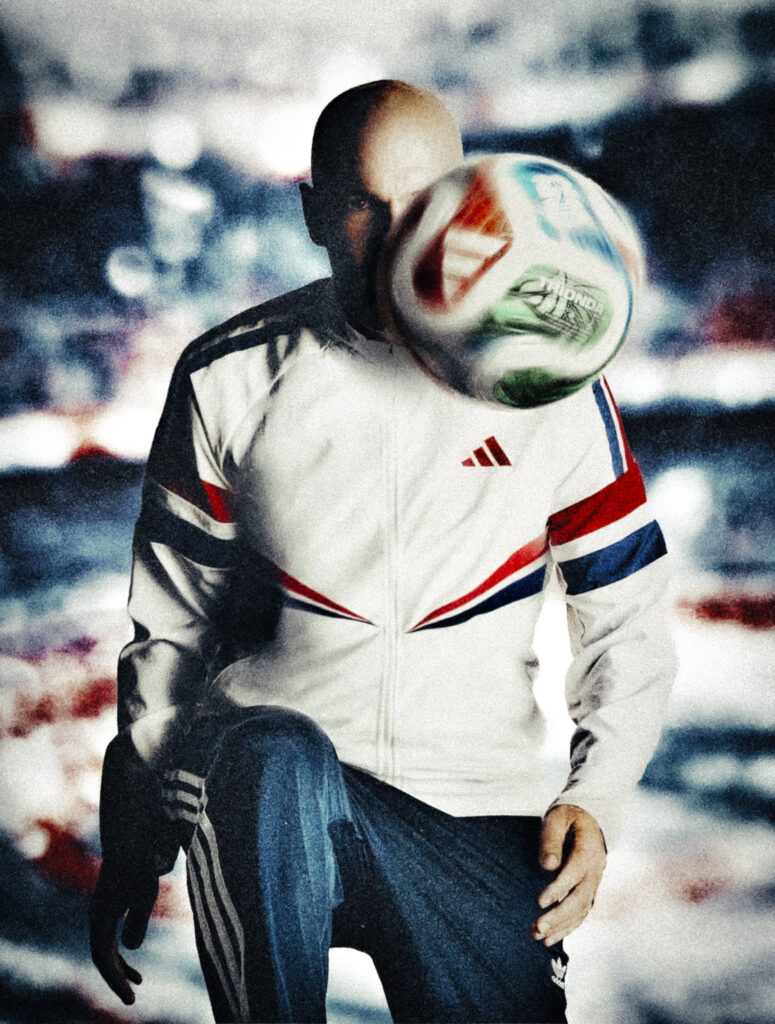
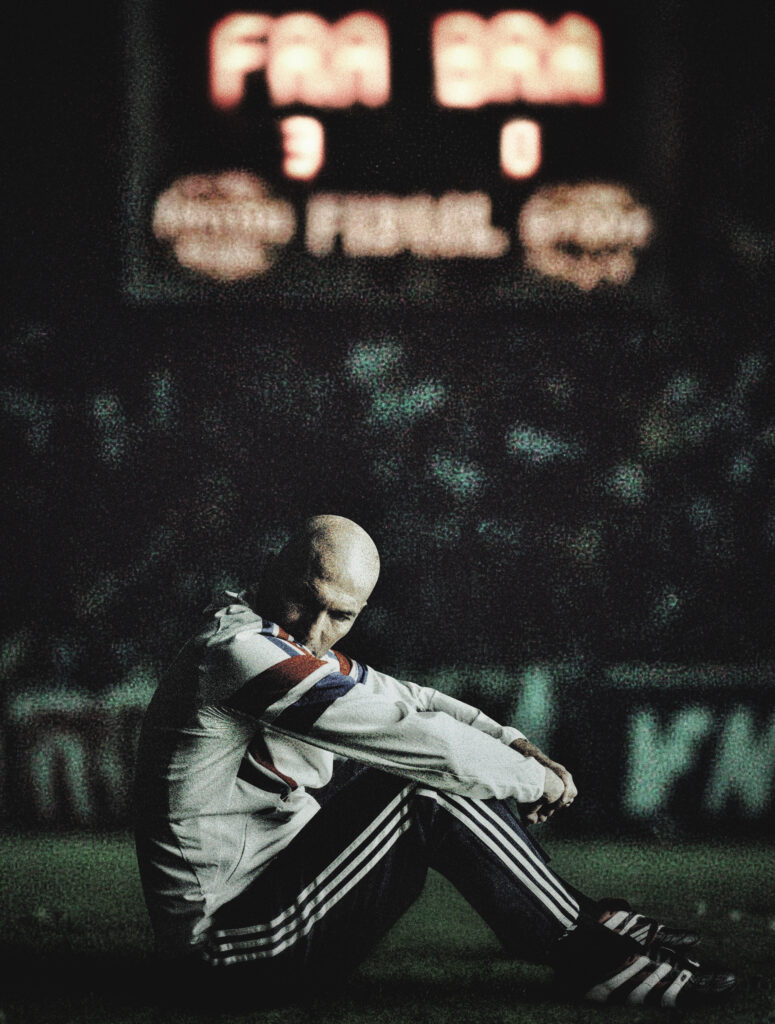
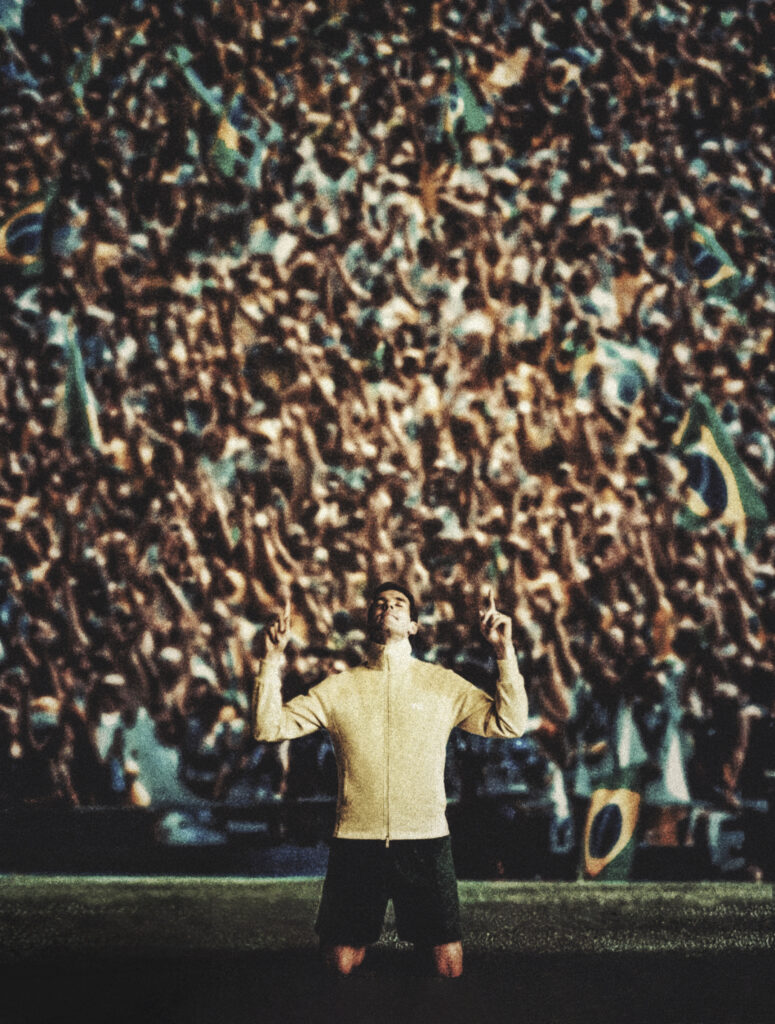
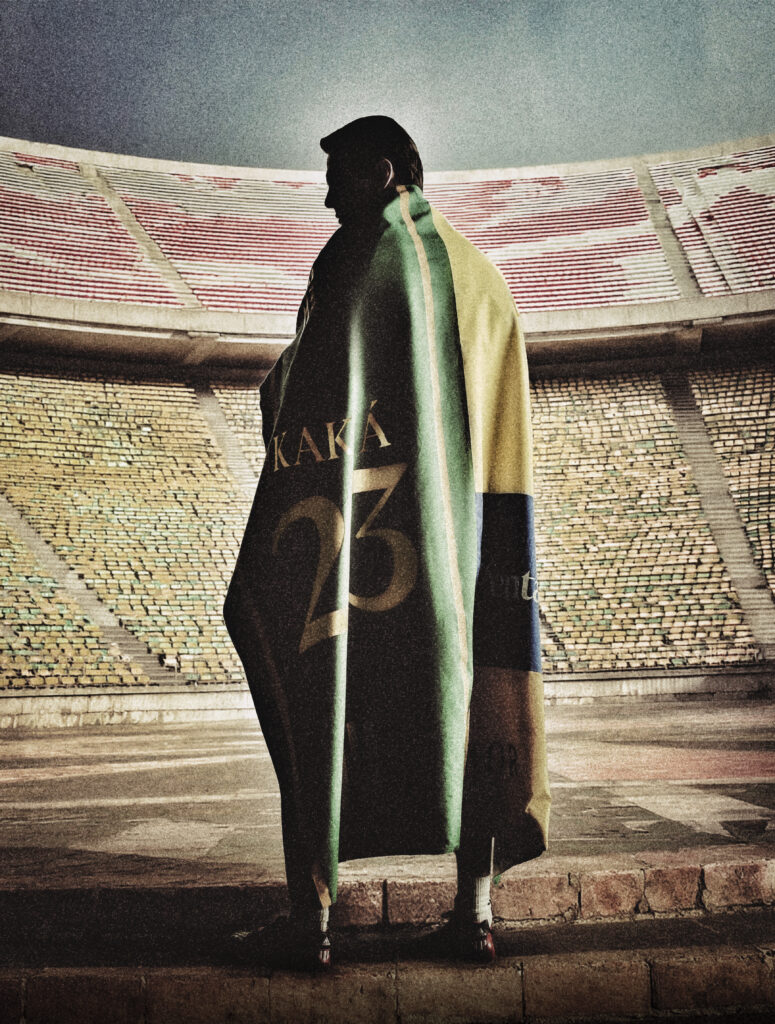
There was the late Brazilian maestro Pelé, who has long held the honor of the greatest soccer player of all time, thanks to his three World Cup wins (in 1958, 1962, and 1970) — a record that will likely never be beaten. There was Diego Maradona’s infamous “Hand of God” incident in Argentina’s quarter finals match against England in 1986. And Roger Milla’s memorable corner flag dance after scoring against Colombia in 1990 as Cameroon announced itself as the first African nation to ever reach the World Cup quarter finals.
Zinedine Zidane, who graces the cover of this issue of PLAYERS, propelled himself into sporting greatness in the 1998 final, scoring two headed goals in a 3–0 beating of Brazil to clinch France’s first-ever World Cup. It was especially poignant that Zidane, of Algerian descent, would have a standout impact on the tournament played on home soil, underscoring the multiculturalism of the French team of that era, many of whom hailed from the African and Caribbean Francophone diaspora. It was just one of many examples over the years of how impactful the World Cup is on a societal level, far beyond sport.
And of course, there was the 2022 World Cup final in Qatar, arguably one of the most scintillating finals ever played, decided by penalties as Argentina triumphed over France — despite a Kylian Mbappé hattrick — with Lionel Messi finally lifting the last major trophy that had ever eluded him in the game of soccer, thus cementing himself, without any doubt, as one of the greatest to ever grace the sport.
To revel in the hysteria of the World Cup as a spectator is one thing. To actually take part in one, and to go all the way, ascending the throne of soccer immortality, is an unimaginably different prospect altogether.
As attention turns to the 2026 World Cup, set to be hosted in the US, Canada and Mexico and featuring more participating national teams than ever before, PLAYERS sat down with some of the greatest soccer players to ever grace the men’s game in order to understand what it takes to win sport’s greatest prize.
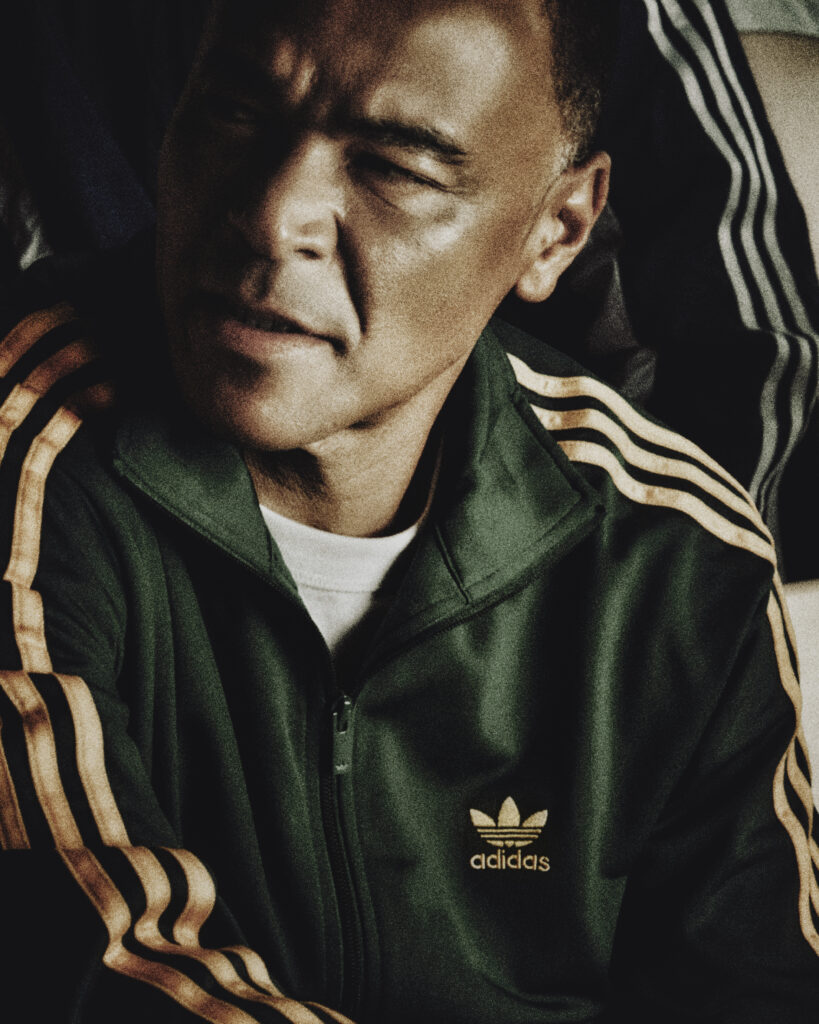
CAFU
COUNTRY: BRAZIL
POSITION: FULL-BACK
APPEARANCES: 142
HONORS: WORLD CUP (1994, 2002); WORLD CUP RUNNER-UP (1998)
DANIEL-YAW MILLER: You’re one of the few players to captain Brazil to a World Cup win. Were you aware of the significance at the time?
CAFU: I knew how much winning a World Cup meant. I knew how much being captain of the Brazilian national team meant. I knew how much representing my country in a World Cup meant. I was aware of the magnitude of my responsibility, and I was never one to shy away from responsibility. That’s why lifting the trophy in the ways we did was so rewarding.
DM: The Brazil teams that you played with are remembered for their flair and joga bonito. How did style play into that identity?
C: I am from the 1980s and 1990s generation [of Brazilian soccer]. It was an era when football was truly beautiful, it was a spectacle. Not just Brazilian soccer, but world soccer in general. I feel very proud to be part of such a select group that played beautifully, won beautifully and had fun with football — a time where people in the stands had fun, didn’t get into fights; where on the field the players had fun and didn’t fight. I knew the responsibility that came with competing at the highest level, but there was respect between the fans and the players.
DM: You revolutionized the position of the fullback, bringing an attacking dimension down the right-hand side into what had traditionally been a defensive role. Do you think attacking full-backs, now commonplace in soccer, owe something to your generation?
C: My goal was always to get a lot of space on the wings, driving towards and reaching the byline, cutting inside toward [the] goal, making decisive crosses. I wasn’t ever afraid to play. One of my strengths was that I wasn’t afraid of anything. So I attacked and defended with equal ease. That’s why it’s very natural for us to get to the byline, to attack and defend.
DM: What’s one piece of clothing, kit or footwear from your playing days you’d love to see brought back?
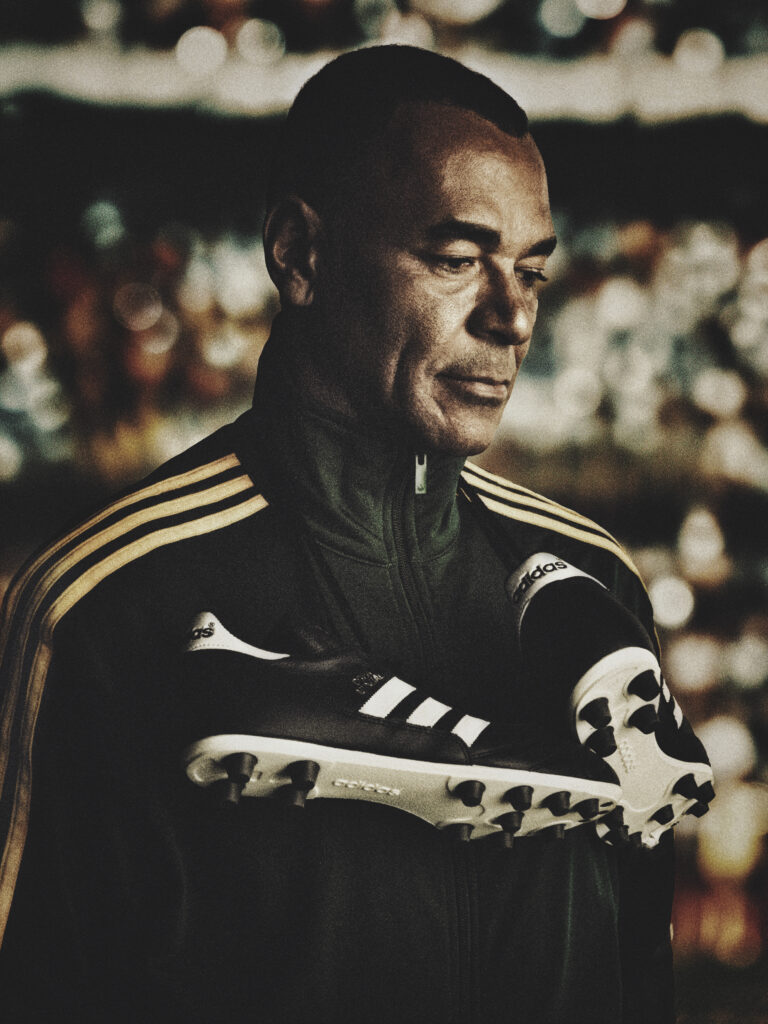
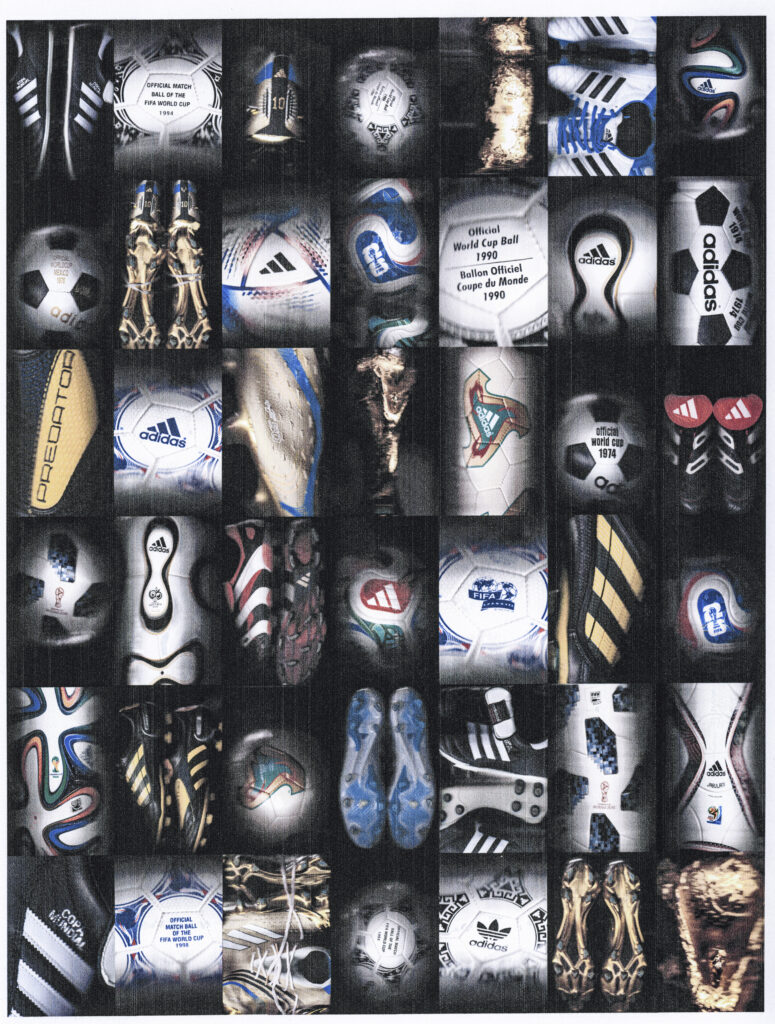
C: Man, I had the privilege of playing with the first Adidas Copa Mundial football cleats [boots]. They were fantastic boots that, in our day, were among the best jacket, pant and trainers in the world. So, bringing back Copa Mundial.
KAKÁ
COUNTRY : BRAZIL
POSITION: ATTACKING MIDFIELDER
APPEARANCES: 92
HONORS: WORLD CUP (2002)
DANIEL-YAW MILLER: You were just 20 years old when you won the World Cup. How did that experience shape your career and your life?
KAKÁ: Well, the experience of winning the World Cup in 2002, for me, was really amazing. I was 20 years old, playing for the best national team in the world. And for me, it was a great experience to play in such a strong team, especially alongside [Brazil legends] Ronaldo, Ronaldinho and Rivaldo. I say those players because they played in my position, so I used to watch them training, playing. I took a lot of lessons from them. And of course, for my career, to have that experience so early was really nice. I could take a lot of lessons for my entire career, and of course, for my personal life, too. Amazing.
DM: How did it feel to become one of the Galácticos at Real Madrid?
K: Oh, it’s amazing. I played for Real Madrid for four years, four seasons — it was incredible. That was the start of the new Galácticos, the second generation. I arrived with Cristiano Ronaldo, Xabi Alonso, Karim Benzema. Sergio Ramos was already there, so a lot of these players arrived together, and then a few years later, others joined us. It was unbelievable for me to have this experience to play for Real Madrid, one of the best clubs in the world. It was incredible.
DM: Which moment from the 2002 win stands out the most in your memory? And why?
K: Well, it’s when the referee blew the full-time whistle in the final. That is the most iconic moment in my mind, and of course, the moment that I held the trophy, and the moment that I played in the third game against Costa Rica. I played 23 minutes. I remember every single moment in that game. So these three moments for me in 2002 were the best. Of course, 2002 has a lot of good memories and emotions. But these three were incredible, amazing.
DM: And in your opinion, who are the future game changers of Brazilian soccer?
K: Well, I think we have a lot of good players. Brazil is still producing a lot of amazing players. We are very happy with Vitor Roque. He had a great season last season with Barcelona. Of course, we have Vinicius Jr., and one that I really like is Endrick. I think Endrick is one who can give us in Brazil a lot of joy. So I can name these three. But of course, Brazil has a lot of good players.
DM: What has it been like taking on a role as a muse for Adidas soccer and working with Kith, Ronnie Fieg and others?
K: Yeah, it was really nice for me, because I always had this relationship with fashion and football. I had a very good relationship with Armani for seven years, during the period that I was playing for AC Milan. Of course, after that, Dolce & Gabbana had an agreement with Milan, so fashion and football came together for me. And then when I had the opportunity to do the Kith project, it was amazing. A lot of things in football are related to fashion and style — numbers, boots and all of those things. It was really nice. A great experience.
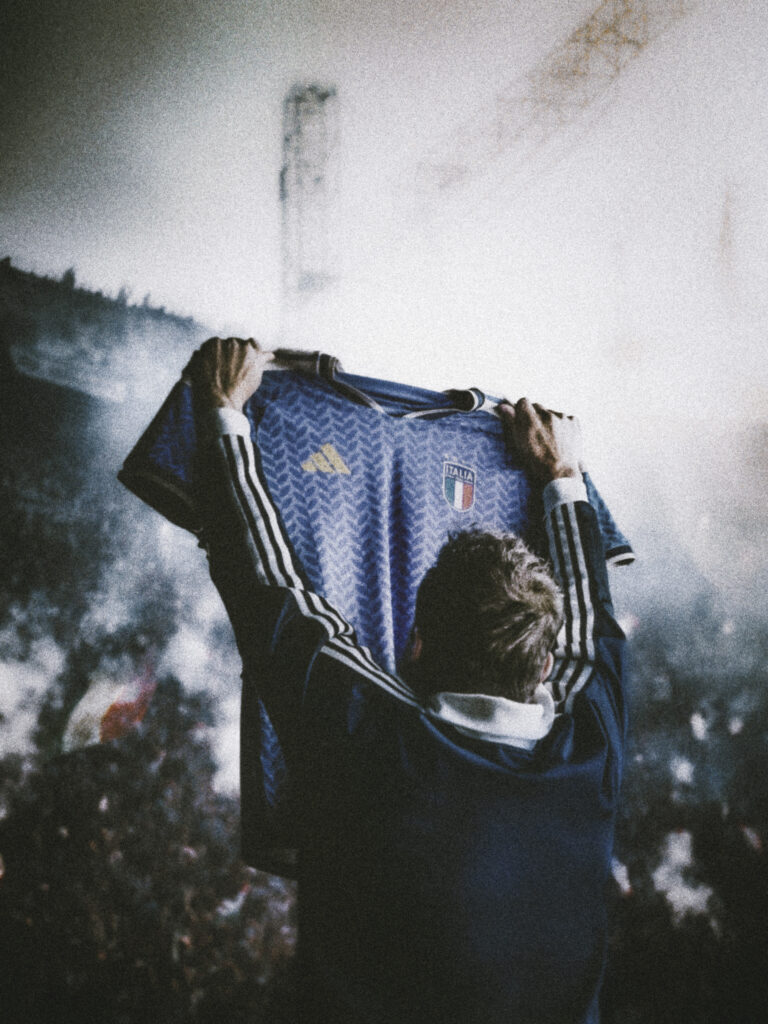
ALESSANDRO DEL PIERO
COUNTRY: ITALY
POSITION: FORWARD
APPEARANCES: 91
HONORS: WORLD CUP (2006)
DANIEL-YAW MILLER: The 2006 World Cup final was high on drama and ended with penalties. What was going through your mind?
ALESSANDRO DEL PIERO: Well, I can’t say what exactly was in my mind. … There were thousands, millions of things during those minutes, in the 90 minutes, and then the extra time, and then the penalties as well. Penalties even more, because of the level of attention, the importance of the game, the rivalry between us and France, the past between our two nations. Having a lot of friends and former teammates who played for France, as well — it was full of emotions. It’s even tough to describe some of them because they were so intense. Nothing that I had ever experienced before.
DM: Italian soccer has always had a reputation for style. How did that translate into the way you and your teammates presented?
ADP: I mean, we come from a nation, Italy, where we are definitely, let me say, the best at wearing things. With all the amazing maestros we had, from Valentino to Giorgio Armani to Prada, and many more, we have this inside us. It’s part of our history. Growing up, we tried to bring all the time a good taste for things, not only clothes, but every single thing. The way that we make coffee, for example, is a mix between style and traditions. We want to continue that. It’s part of our culture, and we do it naturally, to be honest.
DM: Looking back, what’s the first thing that comes to mind when thinking of the Azzurri [Italian national team] in 2006?
ADP: Well, definitely unity. That’s the first word that came to my mind because we were 23 players, plus staff, plus coaching staff and so on, but we ended up as one person, one soul. And that’s the beauty of that experience, and why also we won.
DM: Looking to the next generation of Italian soccer, who are some players from your nation who stand out to you and you think will be the leading force, the game changers? Who’s on your radar?
ADP: Oh wow, that’s not easy. I think we are living in a completely different moment of football in Italy. From the captain, [Gianluigi] Donnarumma, to other talents we have, I think all of them will try to find their spot. We’ve been going really up and down, which is very unusual for us. Missing [failing to qualify for] the World Cup not only once but twice [2018 and 2022] is something not even thinkable in our past — you couldn’t imagine it. But in every situation, Italy historically has made incredible comebacks. And this is what happened with the Euros, that we ended up winning [in 2021] between two missed World Cups. This is how sometimes we perform the best, you know, in the middle of the mess, we find solutions. And I don’t want to tell you one or two or three players that maybe can carry this, but I want to wish them what I just said, because that’s the key for everything from my point of view.
Credits
Talents @alessandrodelpiero @kaka @paulpogba @toni.kr8s @xavi @zidane @cafu2
Photography @mariusgonzalez
EIC @vladimirrestoinroitfeld
Fashion Director @carineroitfeld
Creative Director @ricardogomesinst
Editorial Director @rob_cord_
Fashion Editor @sadie_davies
Digital Director @scovvv @toranorth
Senior Editor @genevieve_g_walker
Graphic Designer @guillaumesbalchiero
EU Executive Producer @adrienwilliamromeo
Production @divisionglobal
Fashion @anamurillas
Line Producer @cavabarder_
Production Coordinator @carla.suissaa
Marius Gonzalez Producer @ernestbouvier @divisionglobal
Light @richardandrestills
Digital Antoine Bernard
Post Production @connecticutparis
Post VFX @paume.p
VFX Artist @v.o.l.e @melkiaur @titouan_fourreau
Production Assistant @benoitbarranco