

When the camera company Canon cast 20-year-old tennis bad boy Andre Agassi in its now-iconic 1990 ad campaign, “Image is everything,” it signaled a shift: style was becoming key to shaping an athlete’s public image. At the time, Agassi had yet to win a Grand Slam. What set him apart was the way he’d gone about breaking the sport’s country club image with neon-and-denim Nike fits, signature Oakleys and long rockstar hair (later revealed to be a wig).
He pulled in over $10 million a year in endorsements — more than triple his career prize money. He would go on to win eight Grand Slam titles by the time he retired in 2006, solidifying his legacy as one of the game’s all-time greats, but it was pop stardom that first put him on the cultural map.
Agassi was an outlier, but today’s athletes — many raised on social media — instinctively understand what he helped pioneer: fashion is one of the most powerful tools for building a personal brand. It’s also become an important part of how, and why, sports are consumed.
As NBA commissioner Adam Silver noted at a recent press conference, fans engage with sports via highlights on platforms like TikTok and Instagram. For Millennials and Gen Z, in particular, athlete fit checks and GRWM reels are extensions of an athlete’s on-court persona. Passively served up by algorithms, both types of content appear in a grid, thus boosting their entertainment value.
The evidence is everywhere. The NBA’s tunnel walk has become a runway. The NFL recently hired celebrity stylist Kyle Smith as its first-ever fashion editor. Teams across leagues — from PSG in soccer to the Phoenix Suns in basketball — now employ creative directors and social producers to help shape athlete personas and package style moments for fans.
But before style became as central to fandom as the games themselves, a handful of athletes — we’re highlighting 55 — pioneered how sports figures dress and, in turn, how they want to be seen.
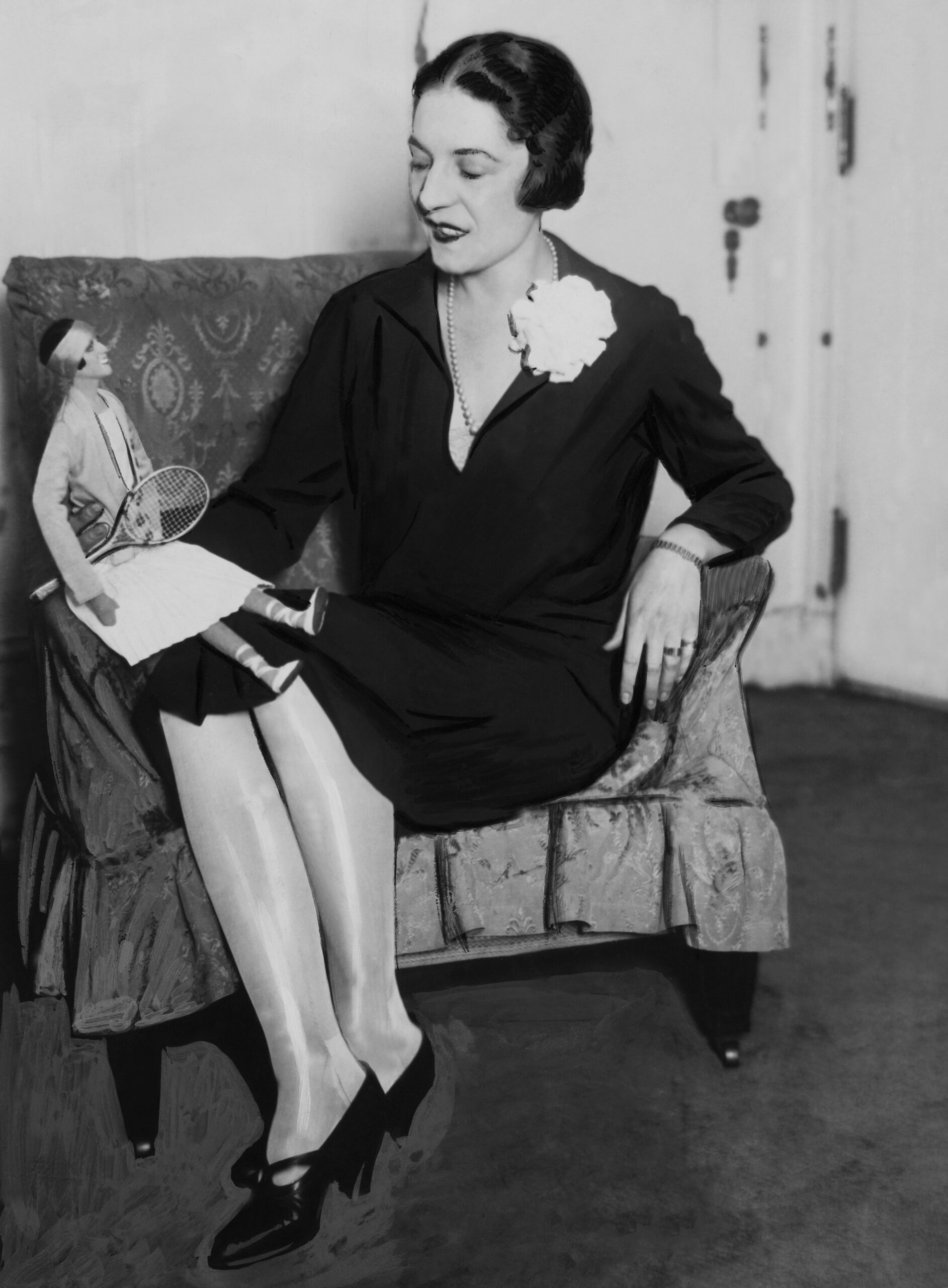
Suzanne Lenglen, Tennis
Years Active: 1914–’26
The French eight-time Grand Slam champion was the sport’s first global female icon. Lenglen’s game was often described as dancing on the court; she was known for her crisp one-handed backhand and precise ball placement.
In the 1920s flapper era, she revolutionized fashion in collaboration with French designer Jean Patou—ditching the corset for a bra and stepping onto the court in shorter pleated skirts that changed how women dressed and saw themselves.
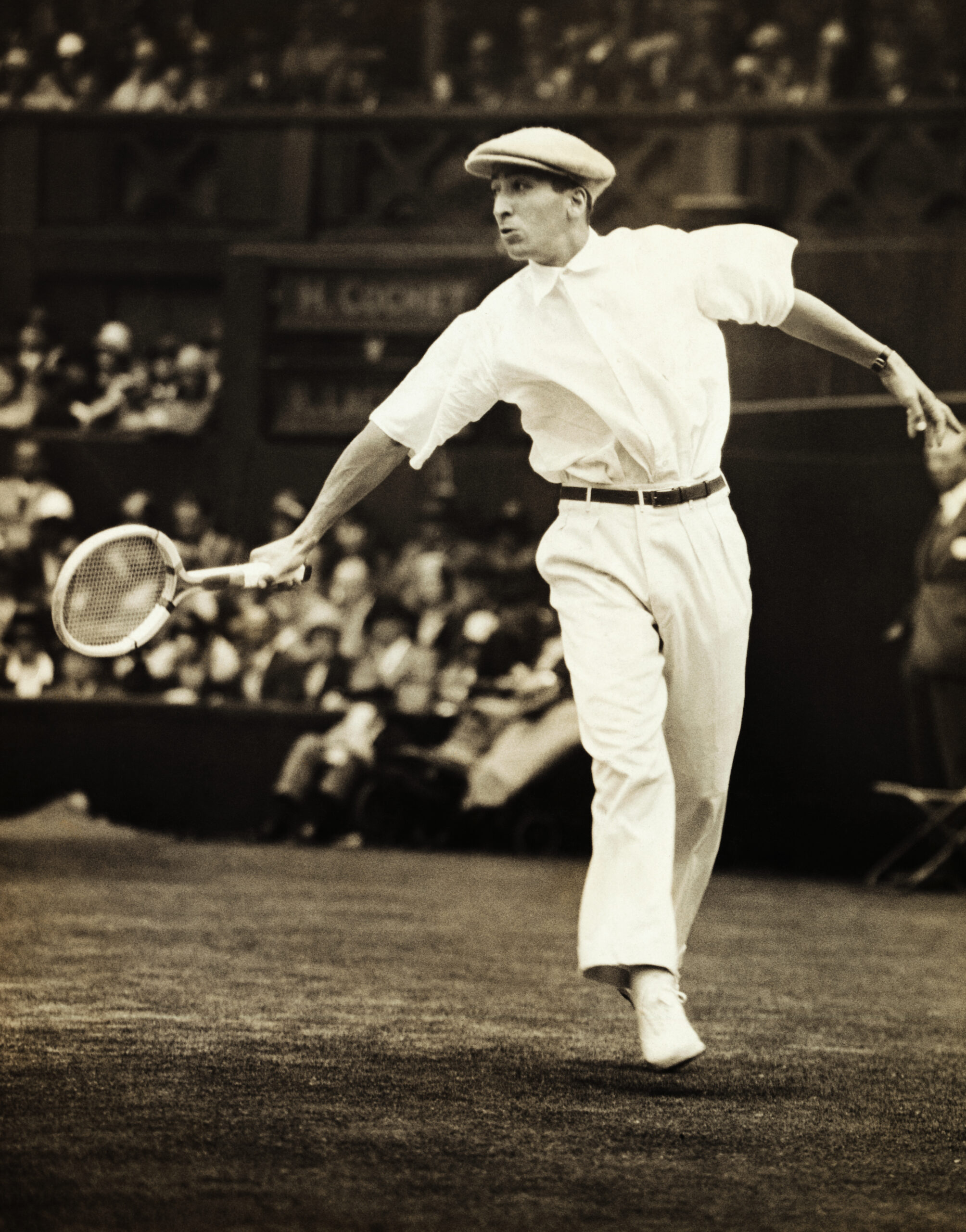
René Lacoste, Tennis
Years Active: 1923–’29
Known for his steely determination and ability to retrieve almost any shot, Lacoste earned the nickname “The Crocodile.” It later inspired the iconic logo for his namesake brand, which became a global symbol of effortless sporty-chic fashion.
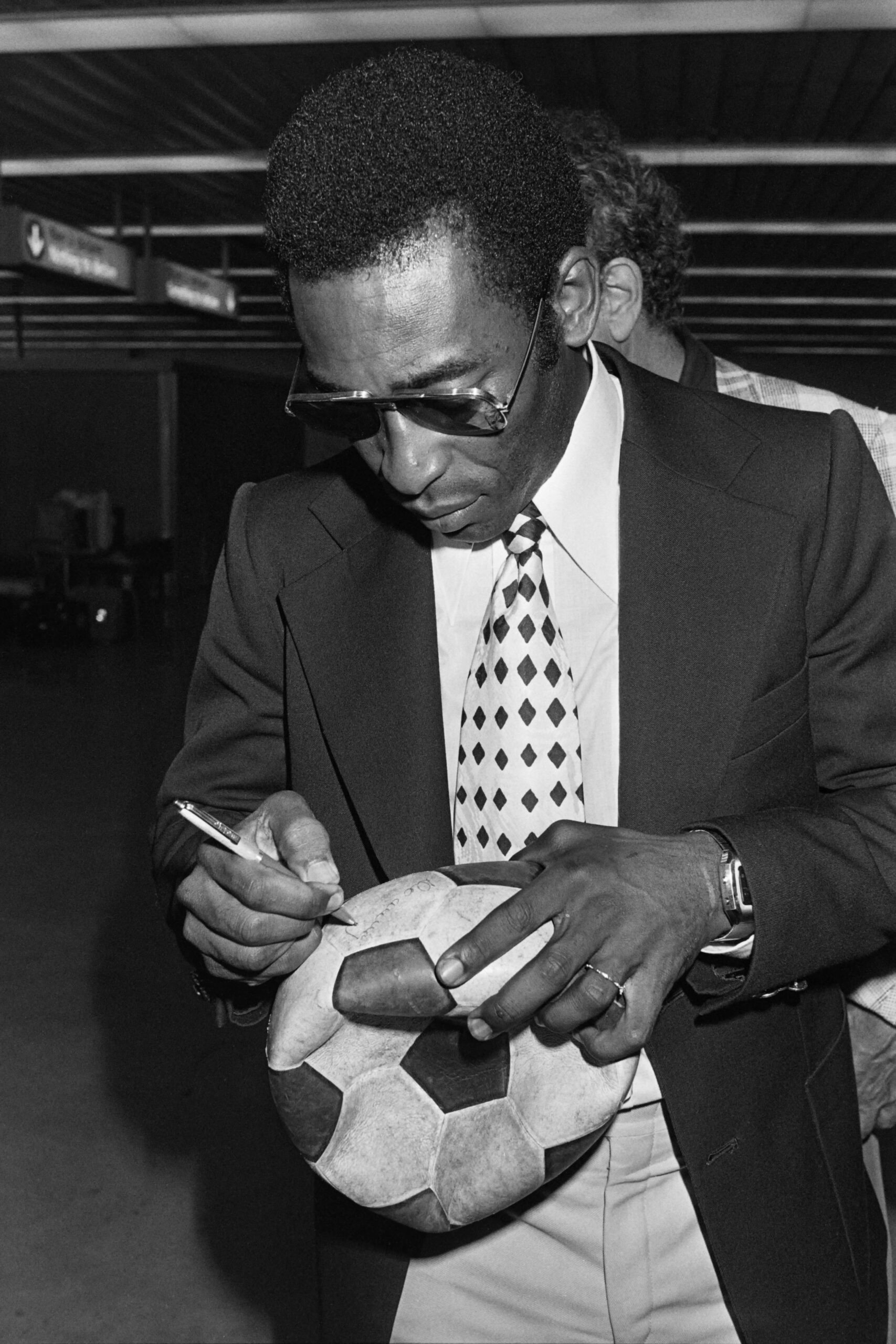
Pelé, Soccer
Years Active: 1956–’77
When Pelé lifted his third World Cup trophy in 1970 (a feat no player has matched), he wasn’t just the heart of Brazil’s beautiful game—he was soccer’s first truly global superstar. On the pitch, he played with a hypnotic blend of instinct, grace and precision.
Off it, his style was equally composed: crisp white polos, razor-sharp suits and gleaming leather shoes reflected his polished and charismatic public persona, winning the world over.
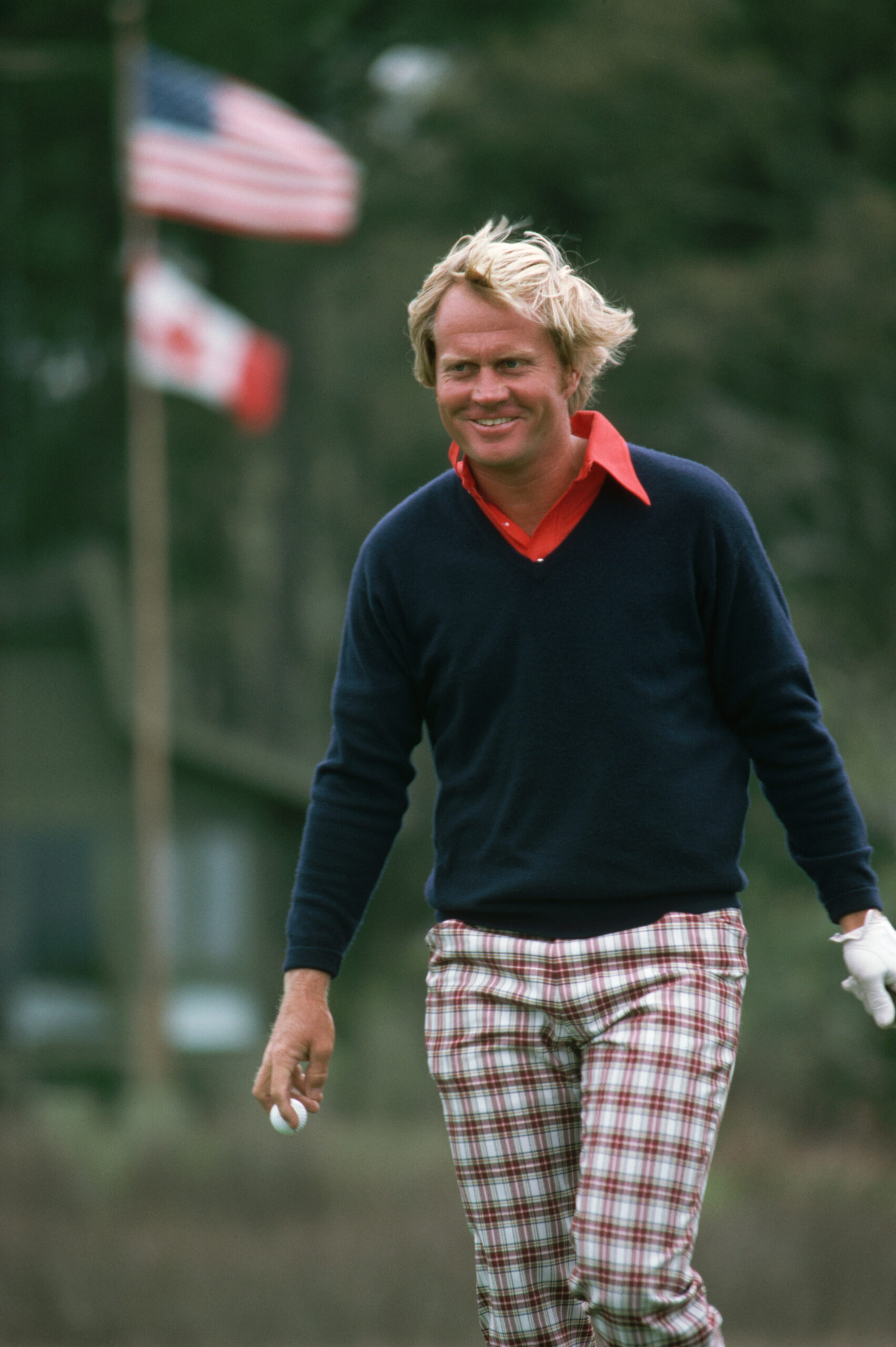
Jack Nicklaus, Golf
Years Active: 1957–’05
Nicklaus’ 18 major championships set a benchmark in golf that still stands. His on-course attire was quintessentially classic: crisp collared shirts, neatly pressed slacks—often in subdued tones—and a visor or cap perched just so, embodying the sport’s traditional aesthetic of discipline and understated elegance. His no-frills personal style set the standard for generations of golfers.
Wilt Chamberlain, Basketball
Years Active: 1959–’73
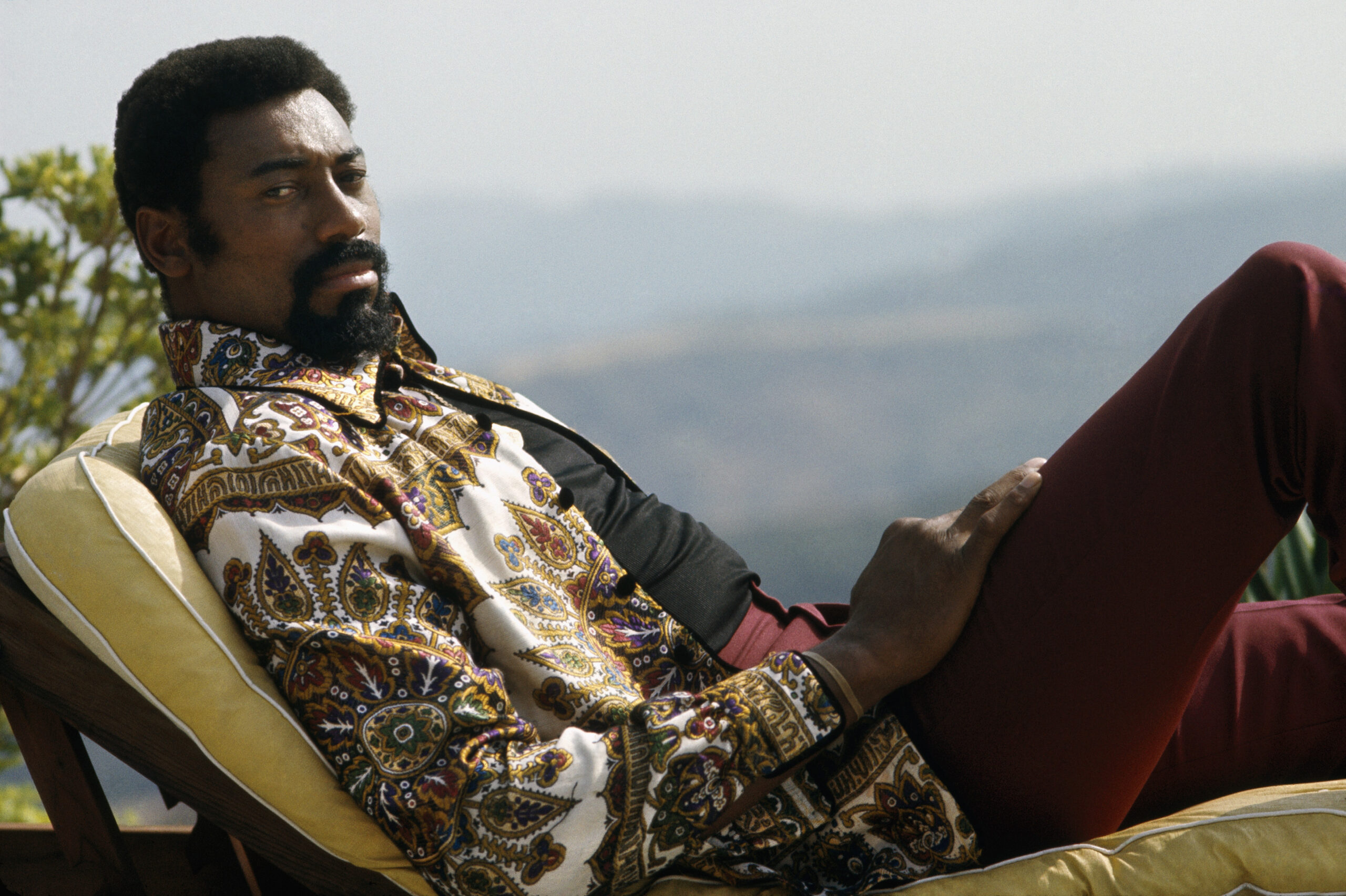
Chamberlain’s 100-point game in 1962 remains one of the most staggering individual feats in NBA history. Off the court, his style was just as commanding. Chamberlain favored sharp, tailored suits that amplified his 7’1” frame, often pairing them with wide lapels, silk shirts and bold prints that reflected his larger-than-life persona.
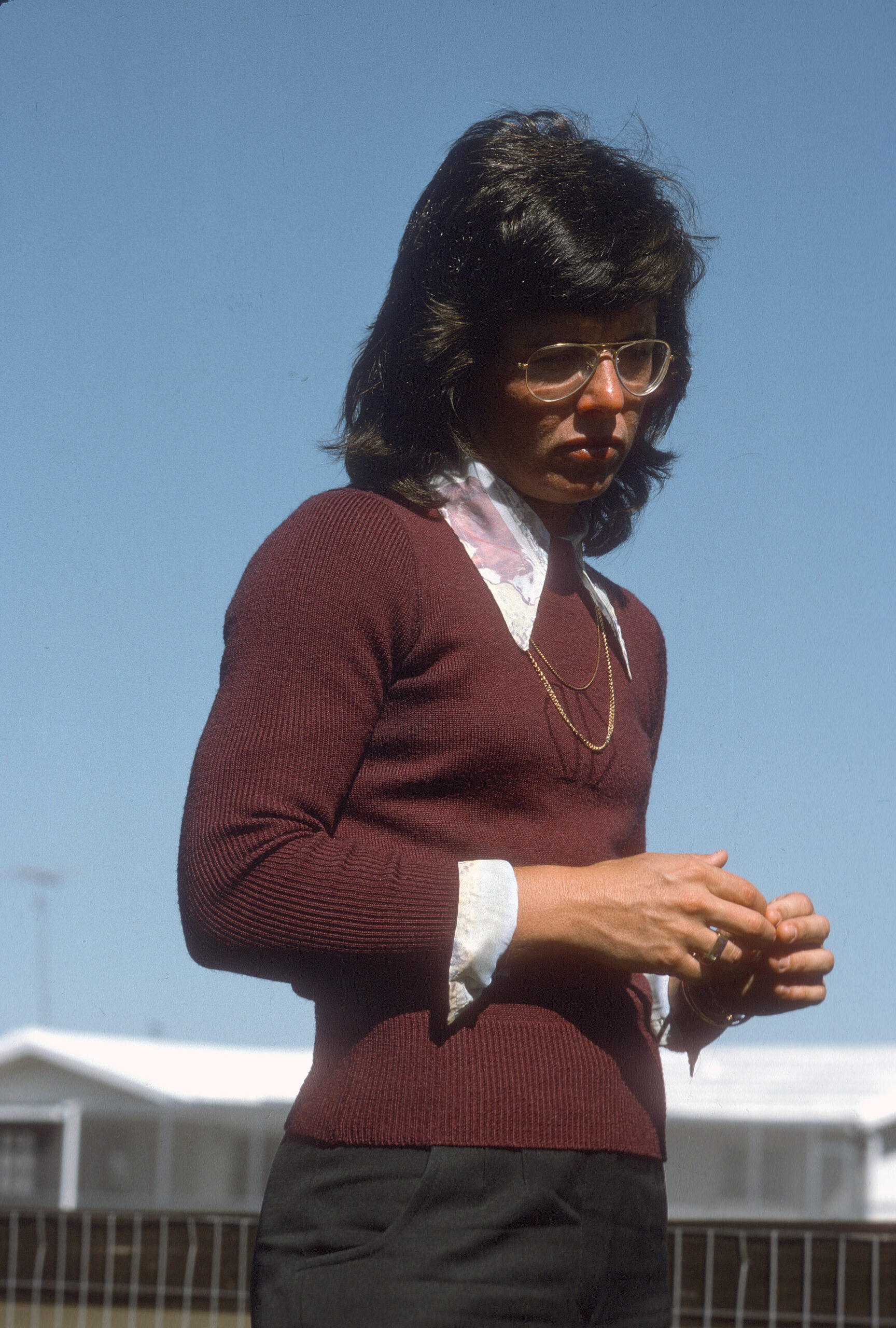
Billie Jean King, Tennis
Years Active: 1959–’83
King’s victory over Bobby Riggs in the “Battle of the Sexes” became a cultural milestone for gender equality. A women’s rights activist, the bespectacled star had the quintessential 1960s style. But it was smart and approachable with collared shirts, pleated skirts and practical footwear that emphasized professionalism over flash.
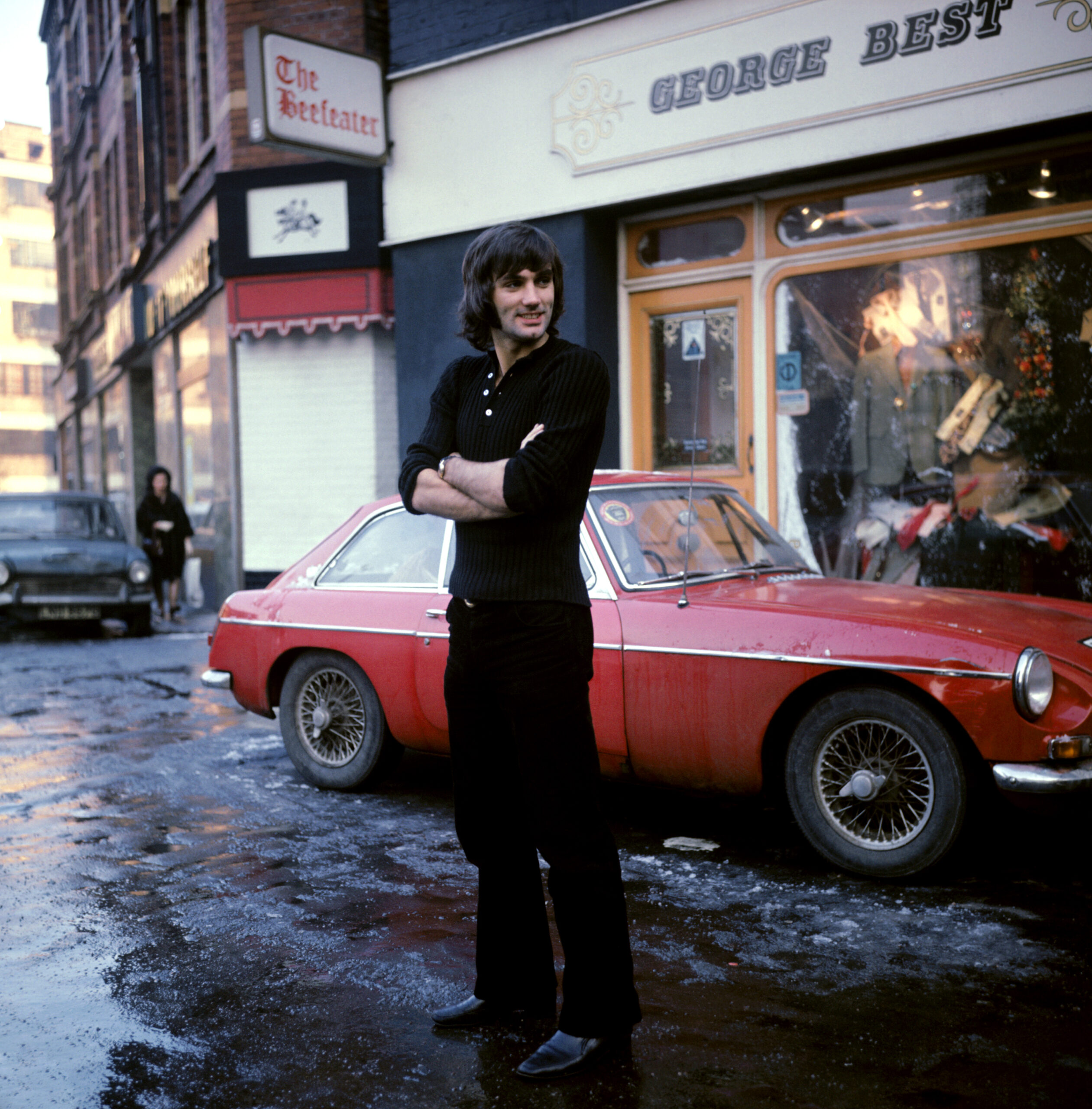
George Best, Soccer
Years Active: 1963–’83
By blending rockstar flair with elite athleticism, he was jokingly nicknamed the “Fifth Beatle.” On the field, he dominated with quick stop-and-go moves and precise ball control, all while bringing a carefree attitude and signature long hair to the game. When he was not playing, he embraced the same effortless cool, often spotted in leather jackets and boots, looking more like a music icon than a soccer player.
Joe Namath, Football
Years Active: 1965–’77
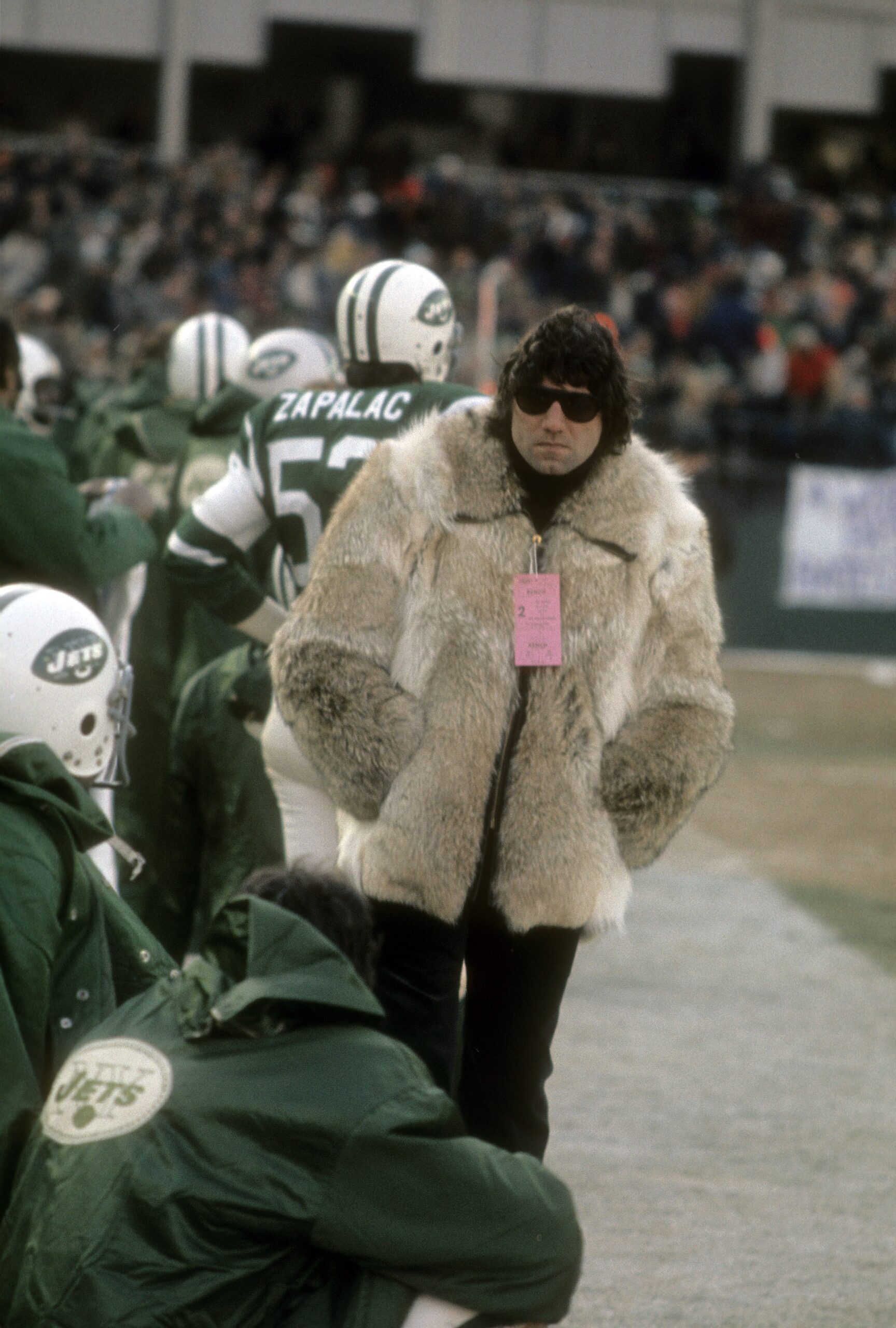
Super Bowl III champion Namath — better known as “Broadway Joe” — was the NFL’s first true pop culture icon. With his mutton chops, tinted aviators, chunky gold jewelry and signature floor-length fur coats, Namath brought rockstar swagger to the gridiron.
Walt “Clyde” Frazier, Basketball
Years Active: 1967–’79
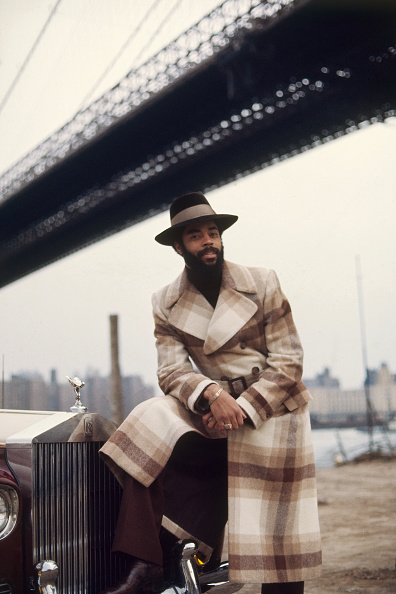
Frazier’s two NBA championships with the Knicks solidified his legacy on the court, but it was his off-court flair that crowned him a Harlem style icon. Known for flashy custom suits in electric colors, wide-brimmed hats and perfectly coordinated boots, Frazier turned hallways into runways long before today’s tunnel fits became a thing.
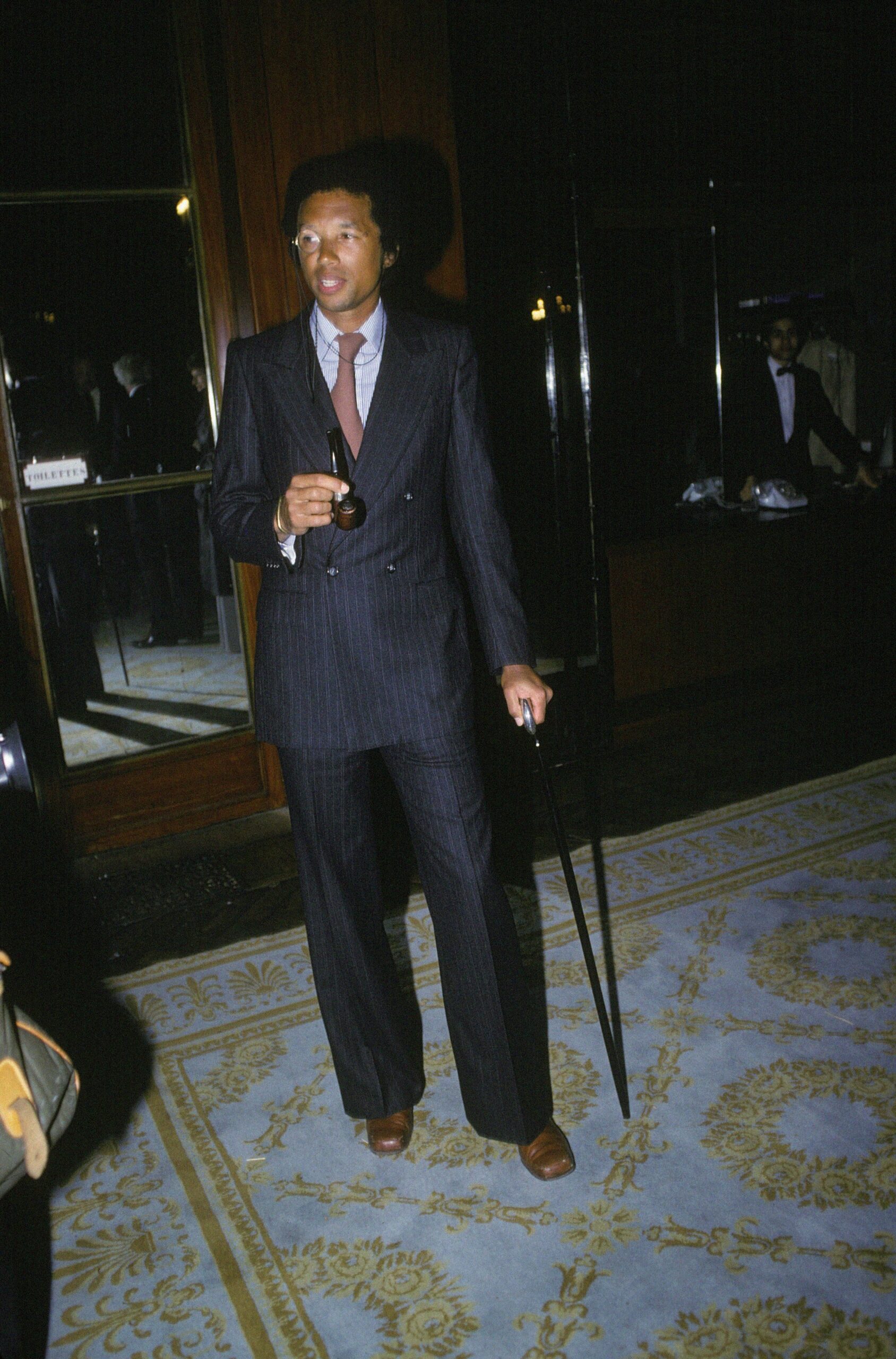
Arthur Ashe, Tennis
Years Active: 1969–’80
The first Black man to win the US Open, Australian Open and Wimbledon, Ashe not only broke racial barriers but, on the court, outsmarted his opponents with precision hitting. His sharp and refined style of dressing extended beyond tennis, as he championed civil rights and AIDS activism.
Stan Smith, Tennis
Years Active: 1969–’85
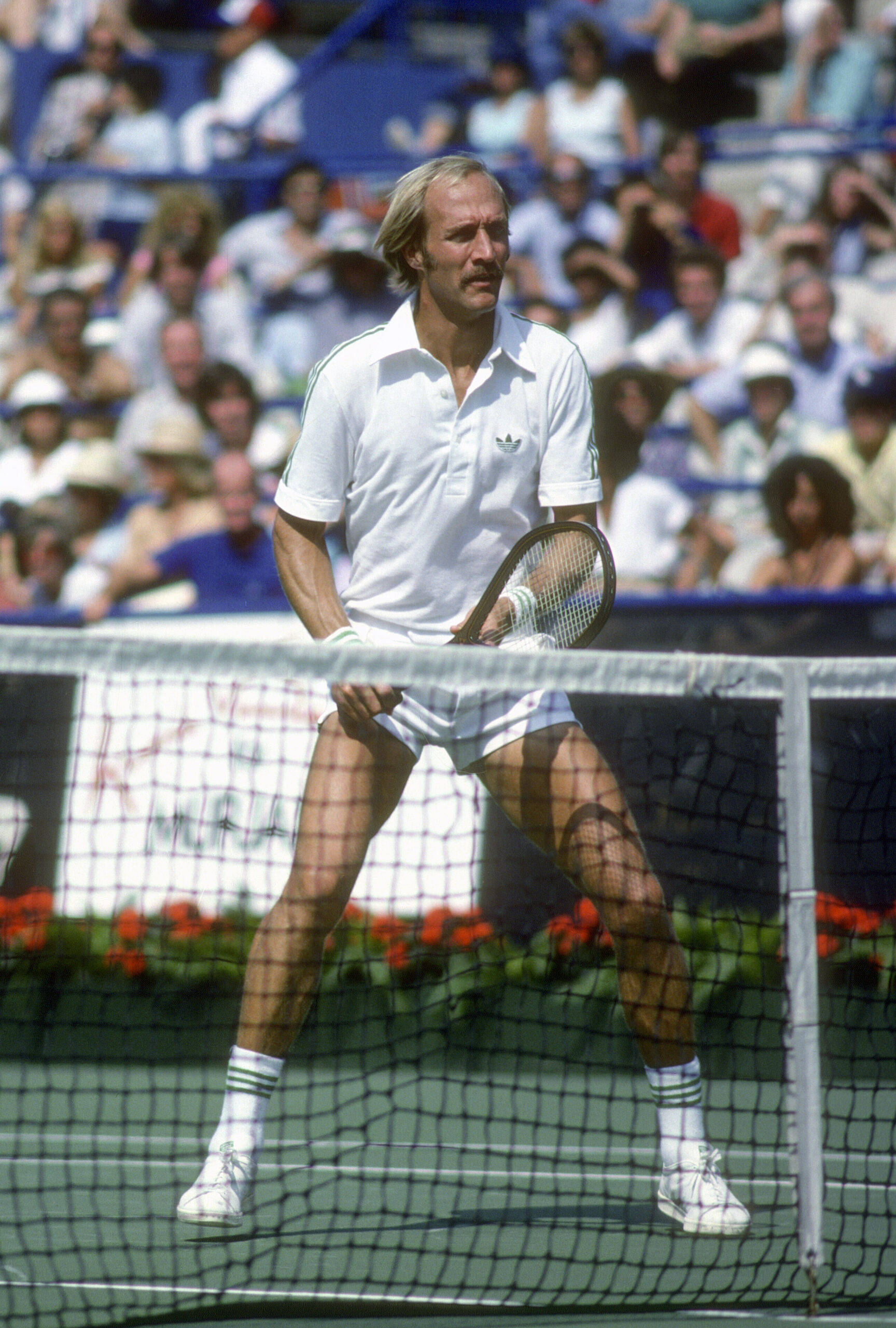
A two-time Grand Slam singles champion, Smith let his game do the talking with a booming serve and impeccable volleying skills. His all-white attire and clean-cut mustache made him the ideal face for Adidas’ minimalist white leather tennis shoe, which in 1978, was officially renamed the “Stan Smith,” complete with his portrait on the tongue. It was one of the earliest and most successful athlete-branded shoes, now standard practice for many athletes.
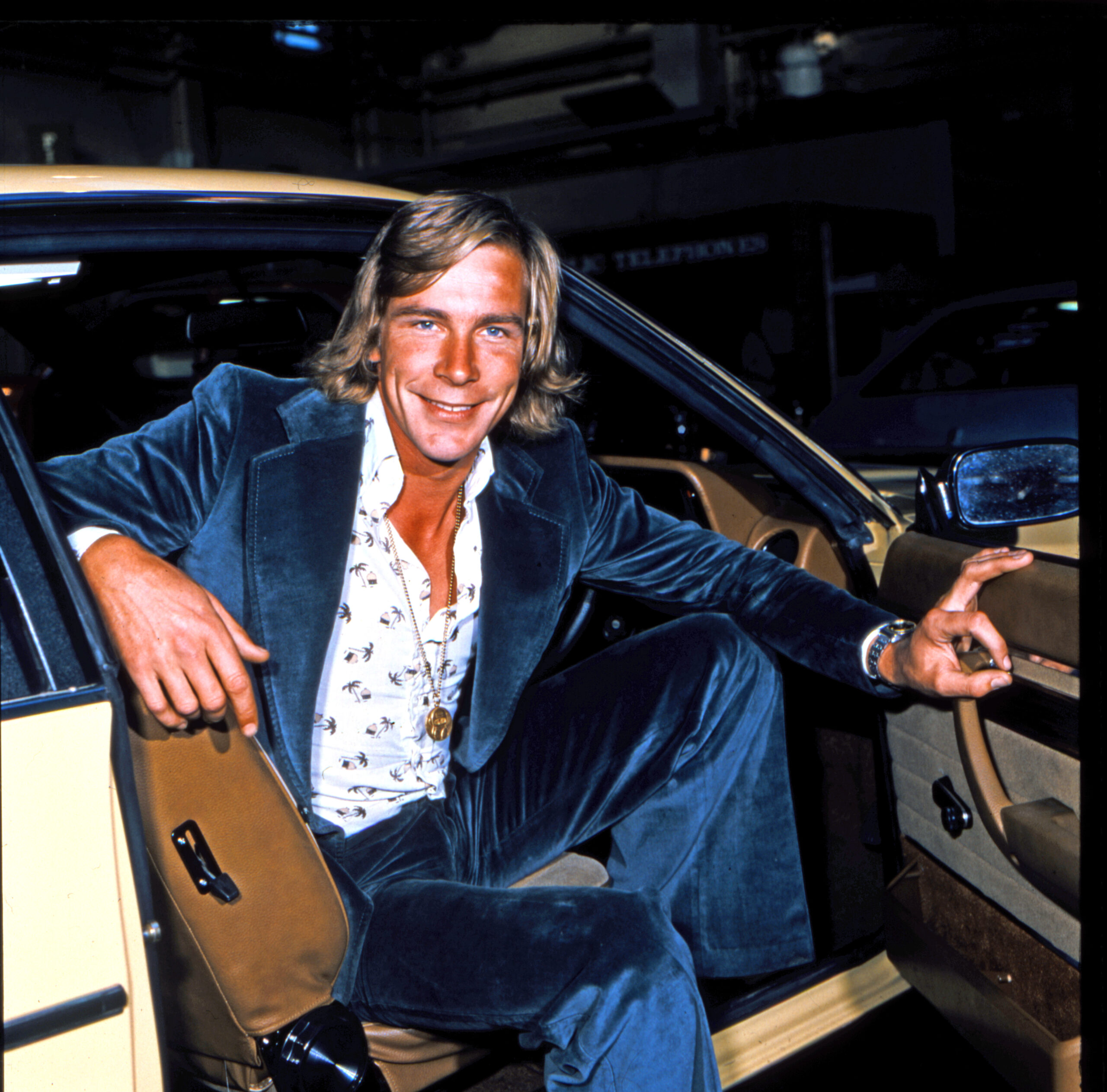
James Hunt, Formula 1
Years Active: 1973–’79
A 10-time Grand Prix winner, Hunt thrived under pressure, going wheel-to-wheel with rivals in nail-biting races. His daredevil spirit carried into his off-track style — shaggy blonde hair, tight graphic tees, unzipped racing suits and worn-in trucker hats — a look that captured the rebellious, devil-may-care energy of 1970s motorsport.
Björn Borg, Tennis
Years Active: 1973–’83
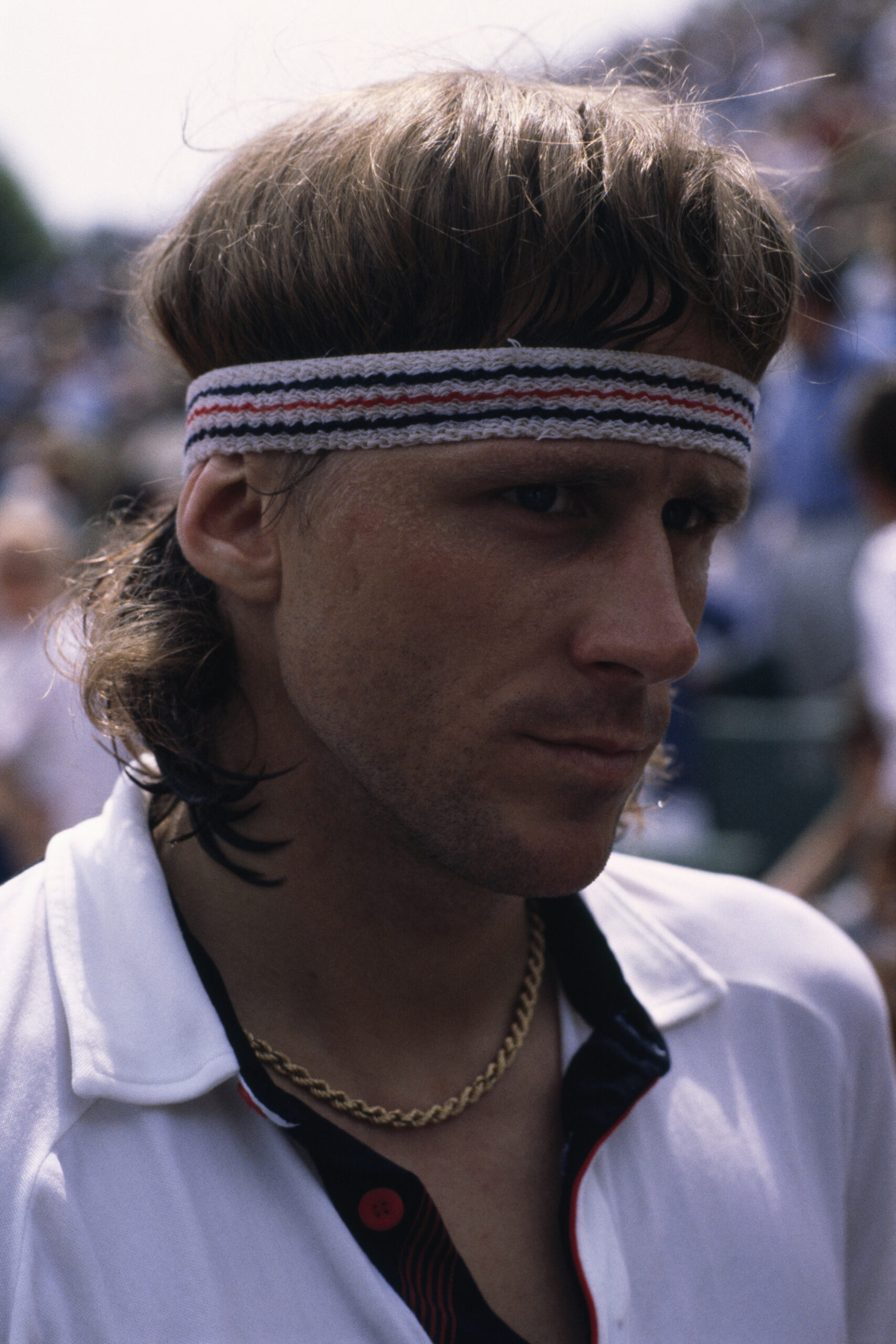
In the late 1970s, Borg’s five consecutive Wimbledon titles made him a tennis legend, but his style left a lasting mark, too. Nicknamed “The Iceman” for his calm under pressure, Borg’s shaggy blonde hair, anchored with headbands and fitted short shorts, created a recognizable aesthetic that mirrored his steely game play in contrast with his fiery rival John McEnroe.
Diego Maradona, Soccer
Years Active: 1976–’97
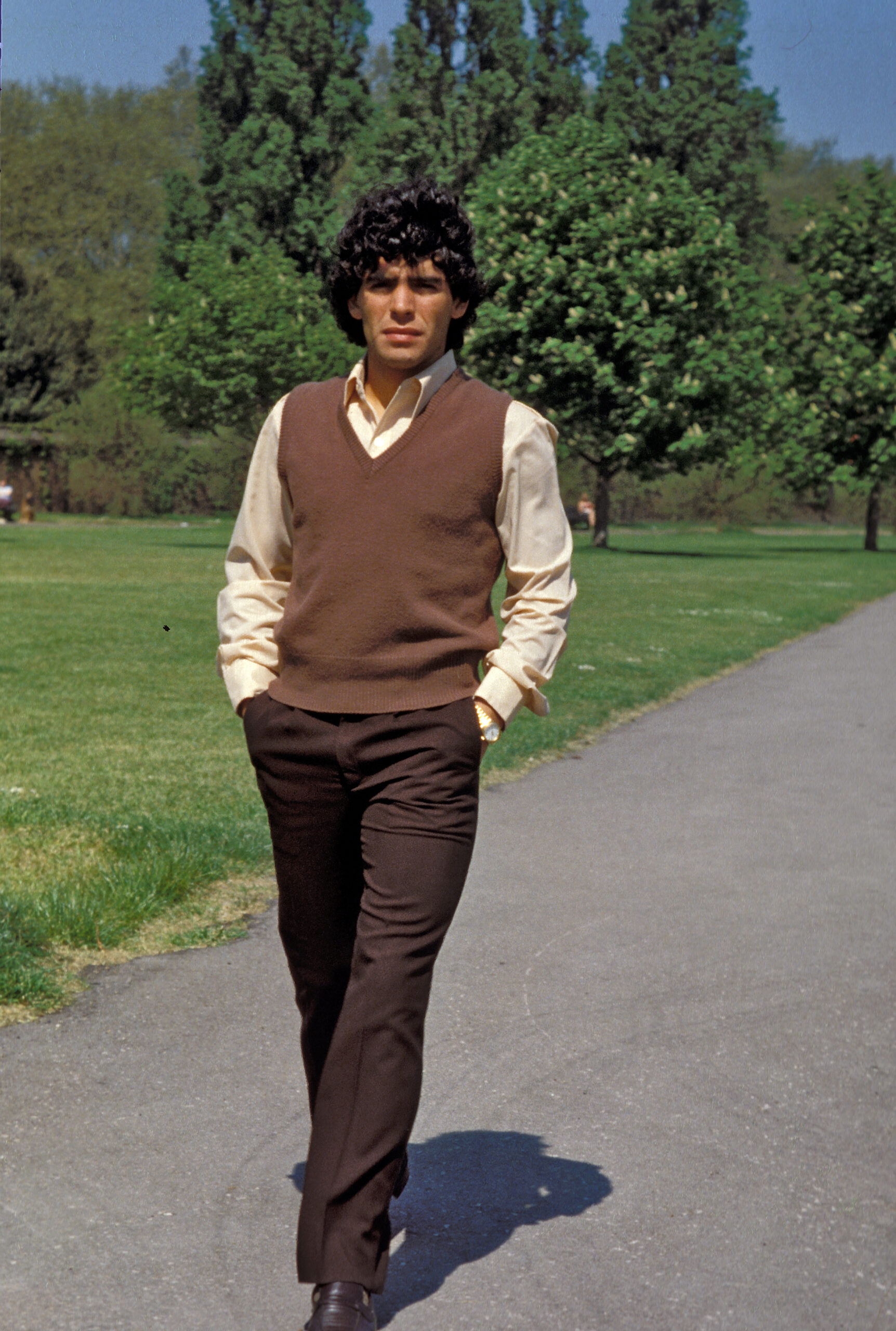
Maradona’s “Goal of the Century” sealed Argentina’s victory over England in the second half of the 1986 World Cup quarter final — a moment of pure audacity and genius that left defenders frozen in his wake. At Napoli, he wasn’t just a soccer player, but a cultural savior carrying the hopes of a city long overlooked. His off-pitch look — oversized tracksuits, chunky gold chains and unruly curls — was as unapologetically bold as his game.
Yannick Noah, Tennis
Years Active: 1977–’96
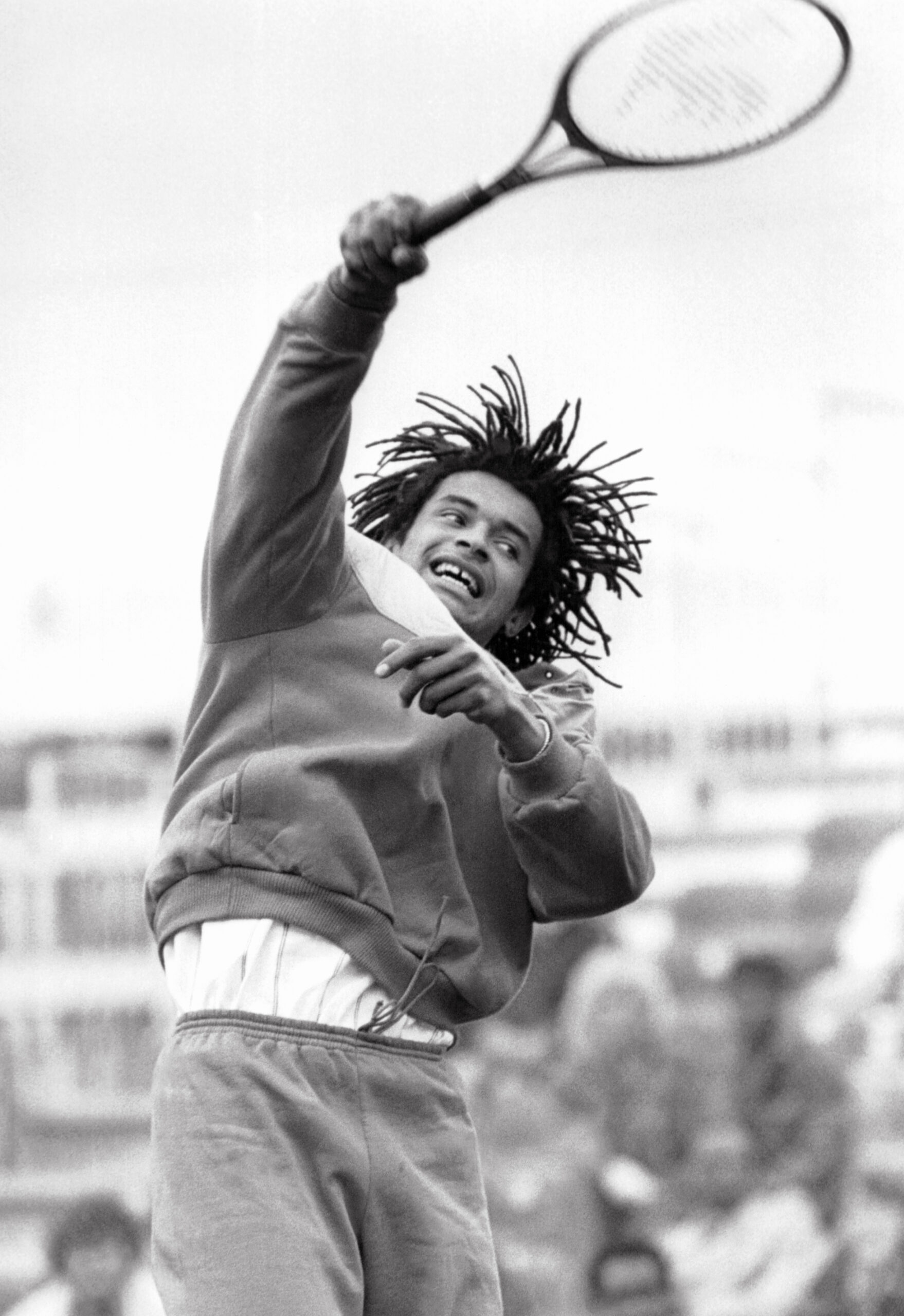
The last Frenchman to win the French Open in 1983, Noah was known for his flowing dreads that moved with every sharp backhand and intricate step. On court, the charismatic player brought a laid-back energy to the game, famously wearing a David Bowie tee and breaking the mold of tennis’s buttoned-up image.
Hulk Hogan, Wrestling
Years Active: 1977–’12
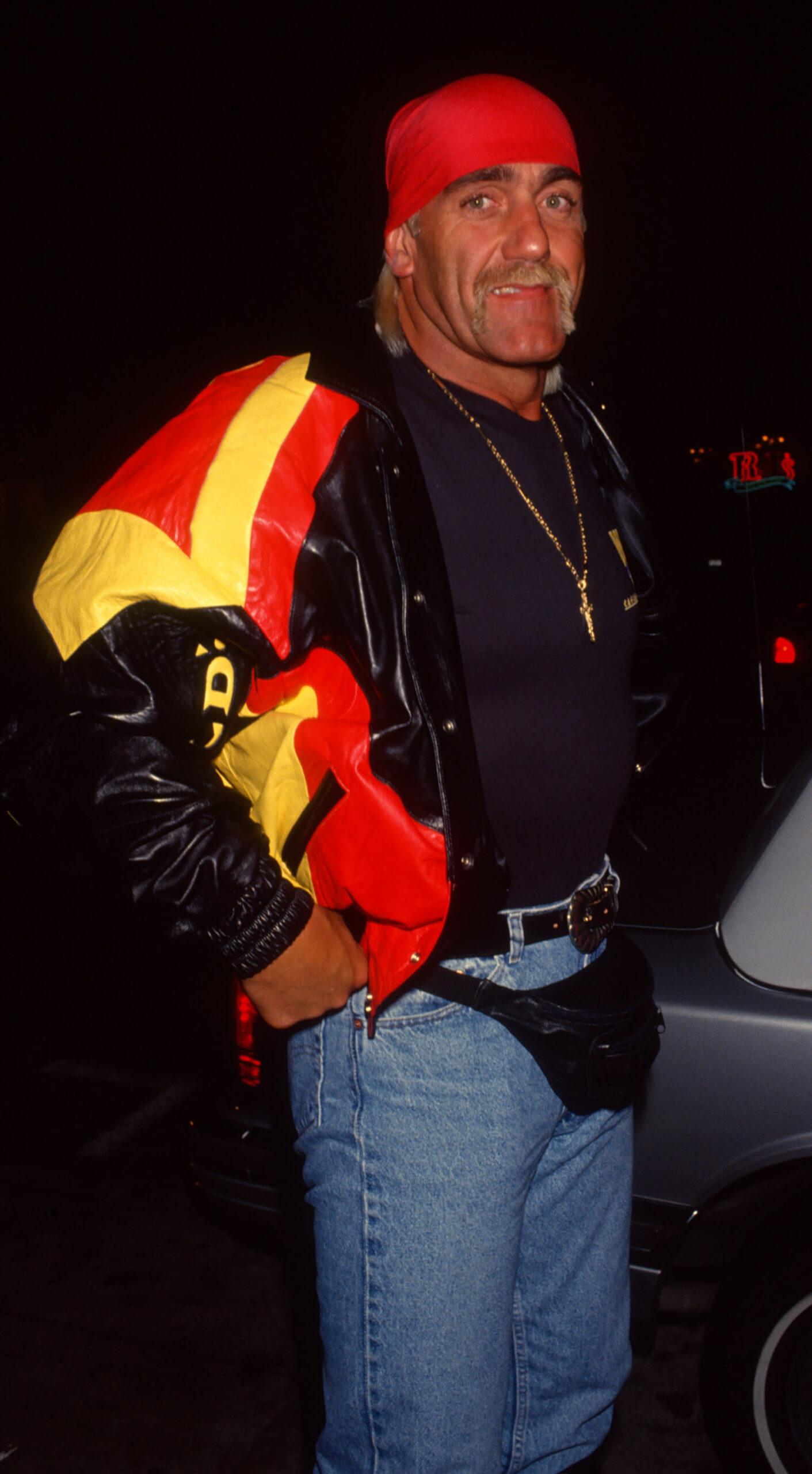
Originally known as “The Super Destroyer,” Hulk Hogan won over audiences with his charisma and signature moves, including the Atomic Leg Drop, which was a bounce off the ropes and a leg drop into his opponent, resulting in a pin. Similar to his showmanship, his style featured bright colors, a bandana tied around his head, sunglasses, leather jackets and tank tops, epitomizing ’80s Hollywood glamour.
John McEnroe, Tennis
Years Active: 1978–’92
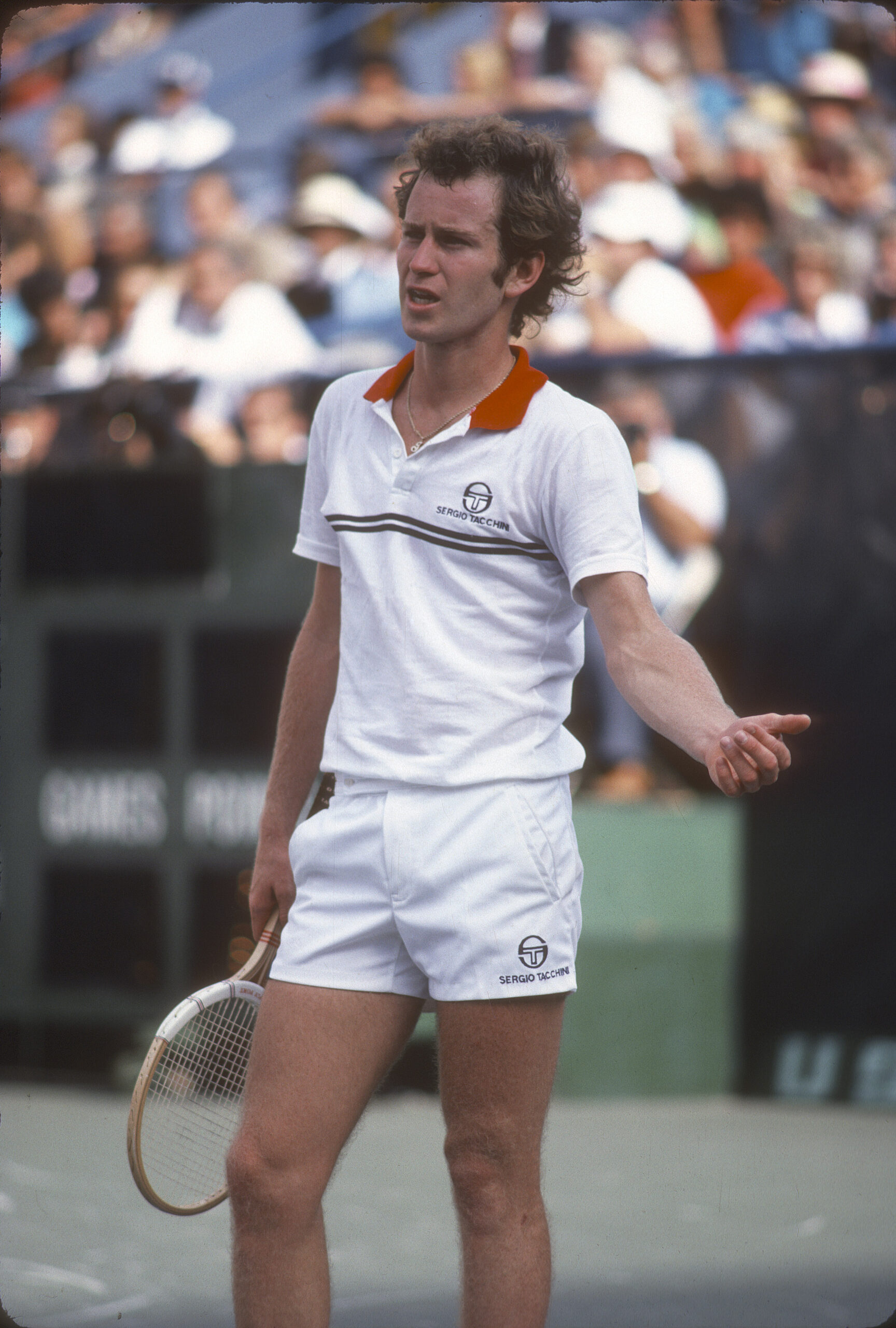
McEnroe won seven singles Grand Slam titles and nine doubles Grand Slam titles throughout his career. At the 1979 US Open, he became the youngest male champion at 20 years old. Throughout the ’80s, he defined retro streetwear with sweatbands, short shorts and rebellious energy. Decades later, in 2023, he bridged eras by reworking his 1984 Nike Mac Attack in a modern collaboration with rapper Travis Scott
Ruud Gullit, Soccer
Years Active: 1979–’98
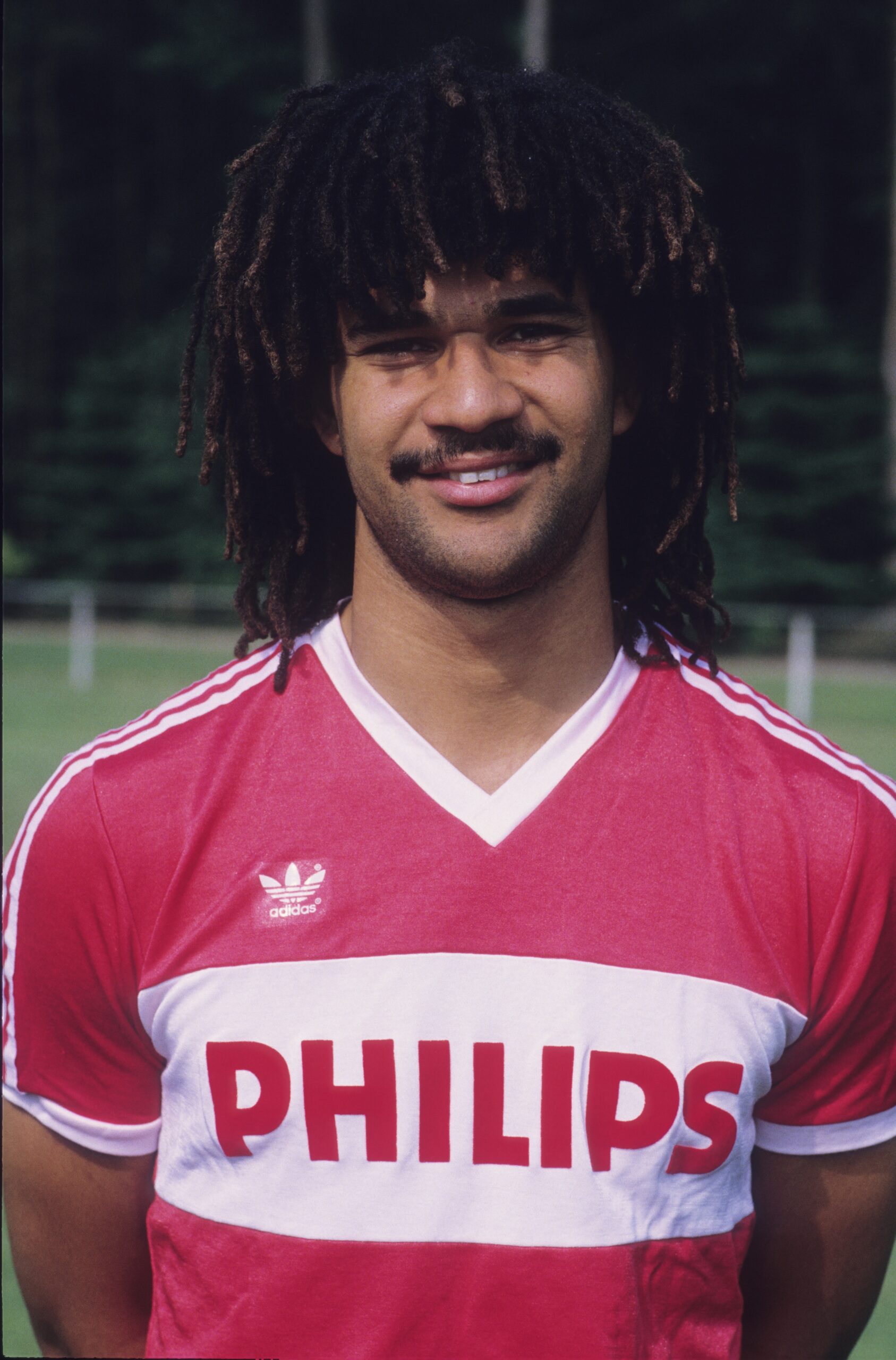
1987 Ballon d’Or winner Ruud Gullit was the ultimate football package—versatile enough to play midfielder, forward, or sweeper, with the size, skill, and intelligence to lead any team. His iconic dreadlocks made him instantly recognizable, reflecting his Dutch-Surinamese roots. He famously wore a shirt that read “Stop Apartheid,” a statement that reflected his style, his passion for social justice, and his dual identity as both a musician and admirer of Rastafarian culture.
Wayne Gretzky, Hockey
Years Active: 1979–’99
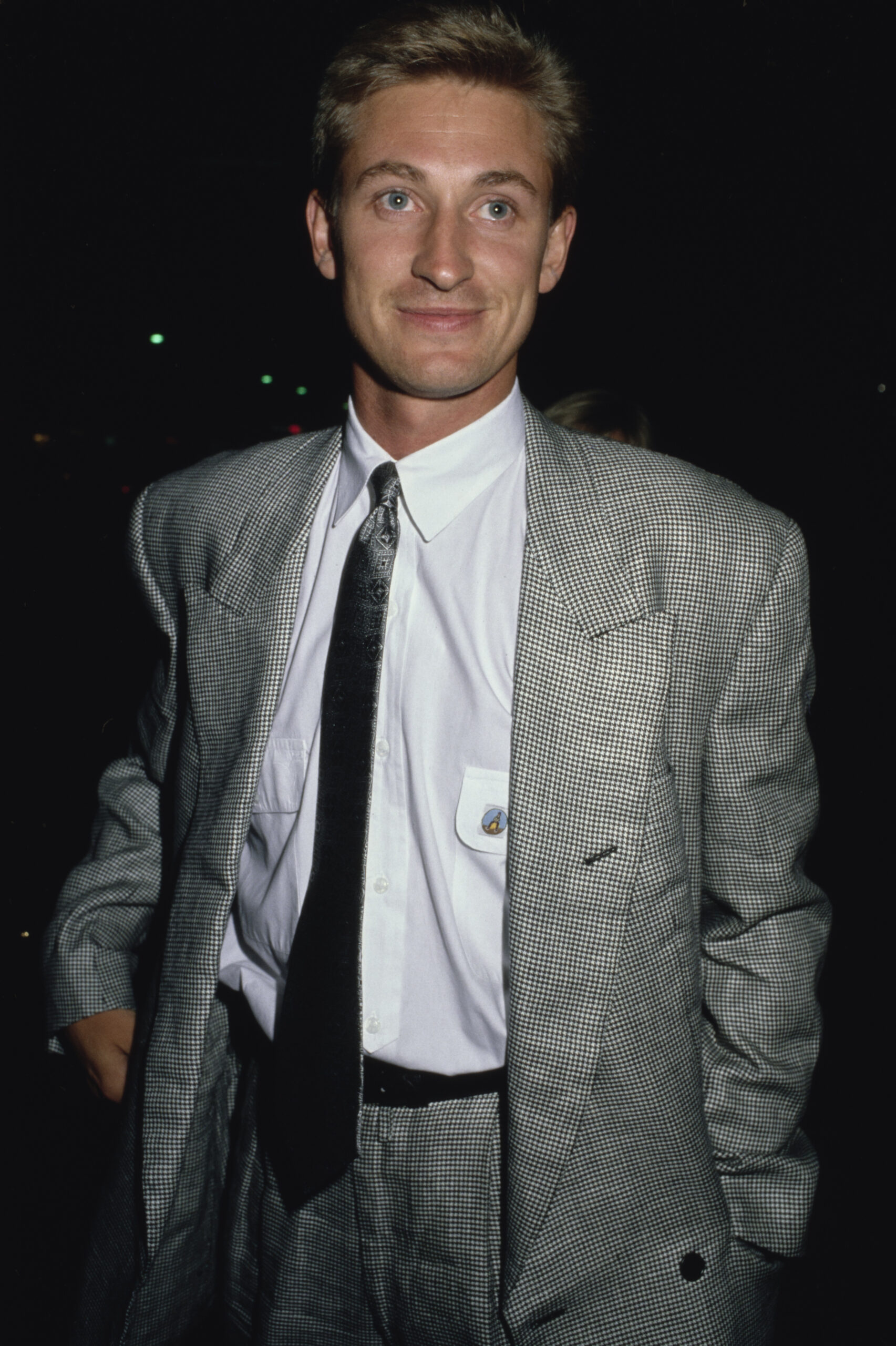
Gretzky’s five-goal performance against the Philadelphia Flyers in 1981 showcased the vision and skill that earned him the nickname “The Great One.” Off the ice, he kept his style classic and understated — tailored blazers, wool sweaters and feathered, movie star hair — all reflecting the quiet authority he carried everywhere.
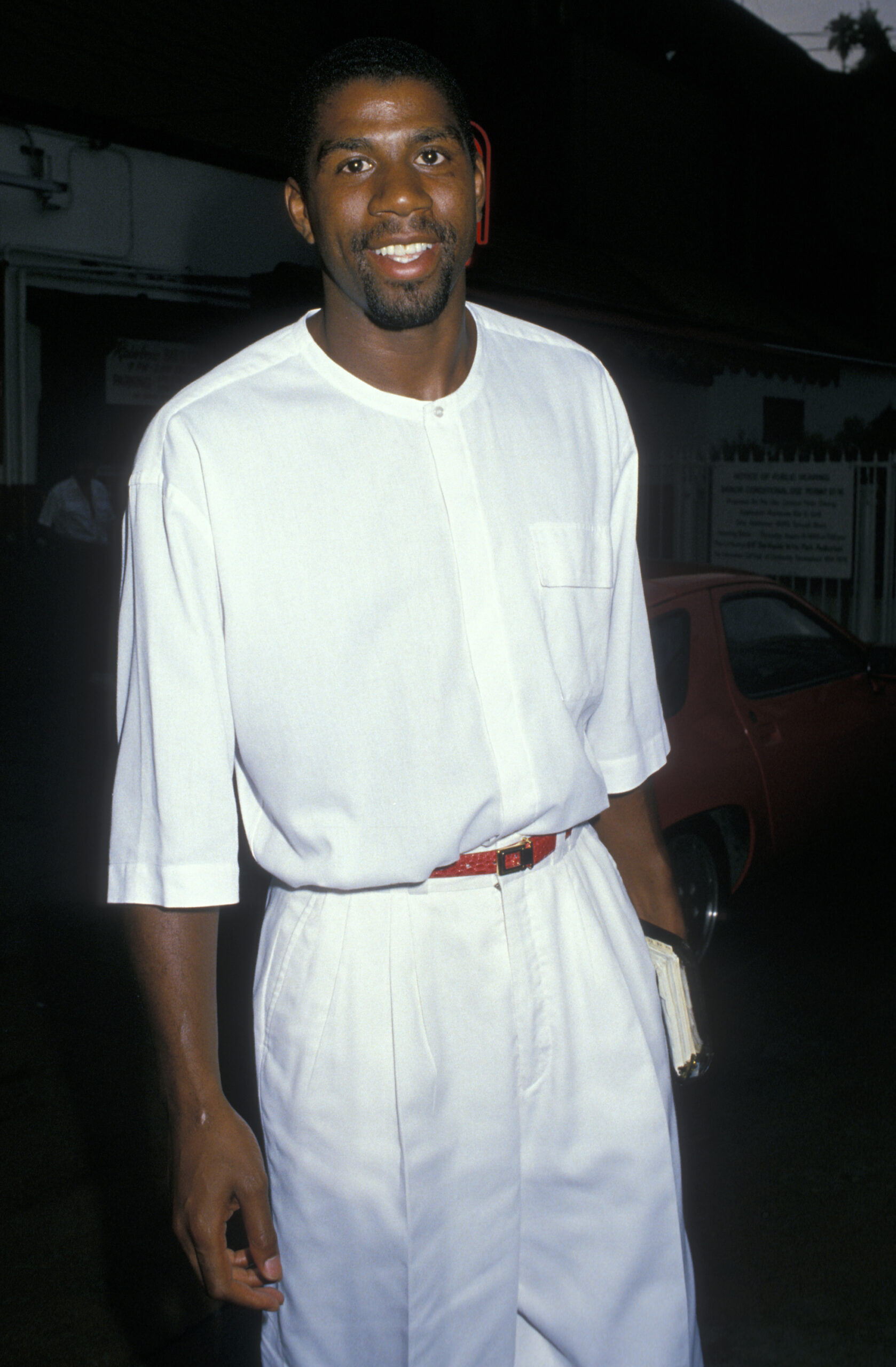
Magic Johnson, Basketball
Years Active: 1979–’91; 1995–’96
Leading the Lakers’ “Showtime” era of fast-paced, flashy basketball, the five-time NBA champ matched his game with colored well-tailored suits — and when not in a suit, he favored tracksuits, leather jackets and designer sportswear.
Florence Griffith Joyner, Track and Field
Years Active: 1981–’89
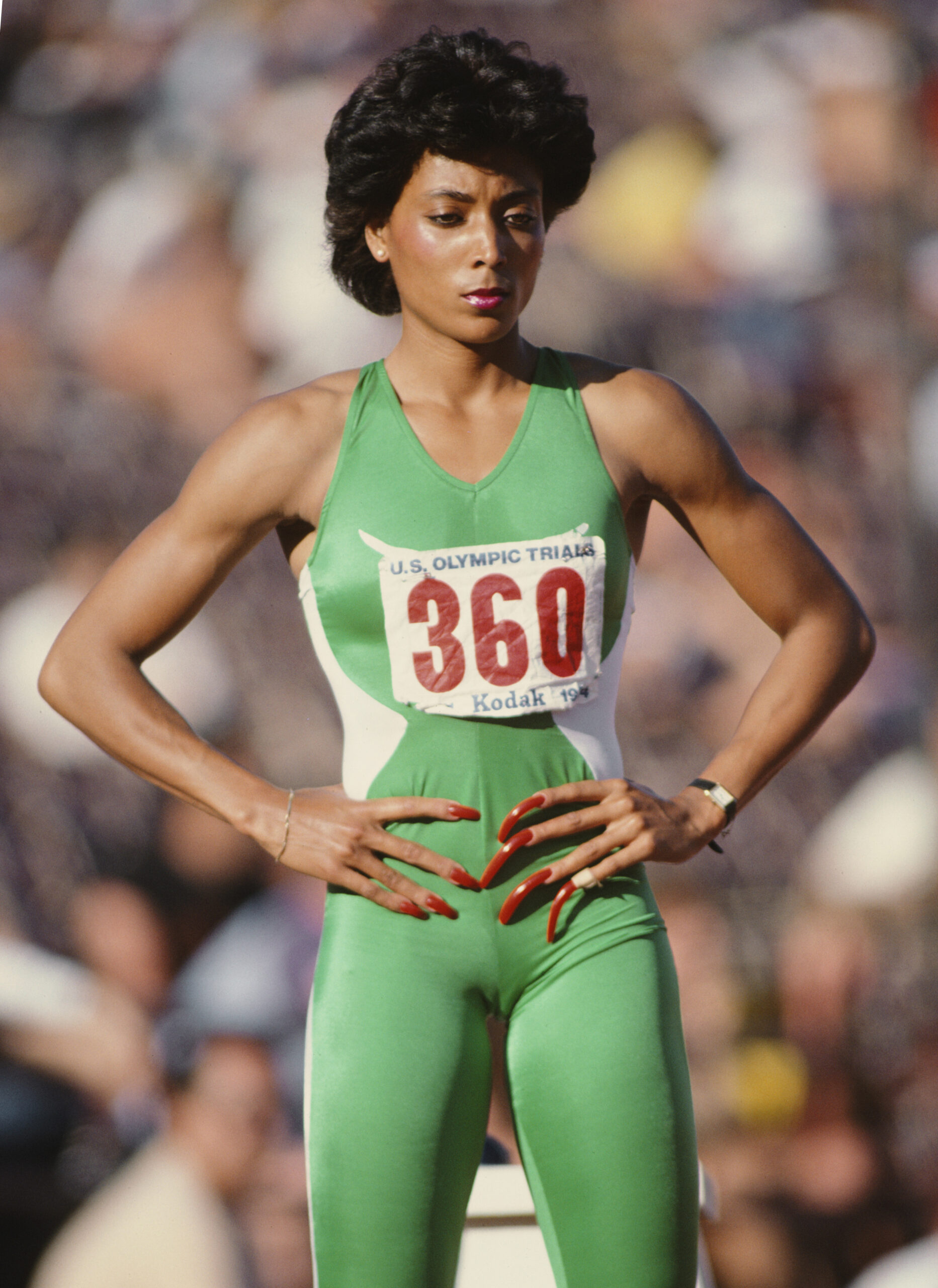
World record holder in the 100m and 200m, Joyner dominated the track with lightning speed and unapologetic style — from lace tights to one-legged jumpsuits. Her blistering times made history, but so did her four-inch nails, flowing hair and electric makeup.
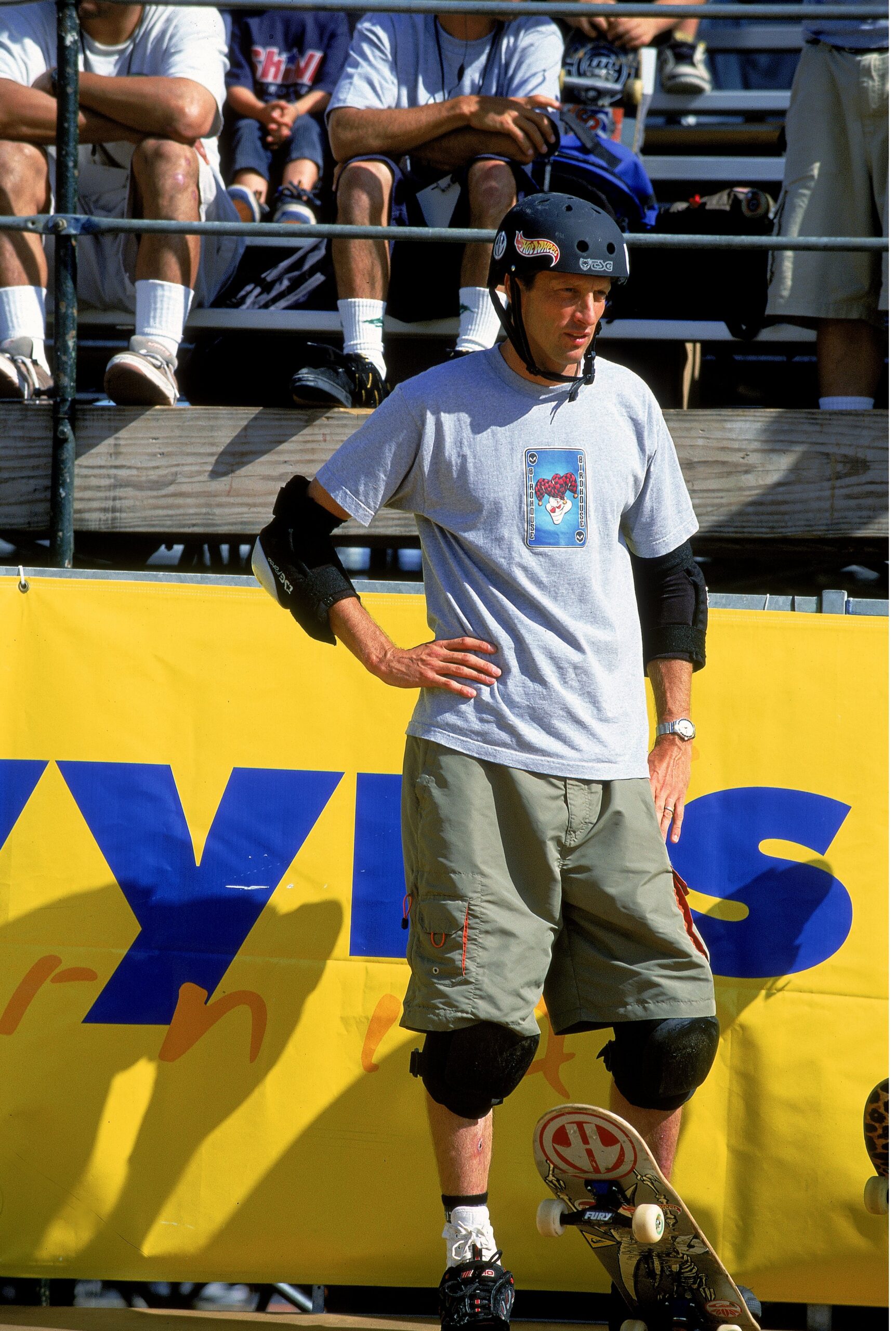
Tony Hawk, Skateboarding
Years Active: 1982–’03
Hawk’s first 900-degree spin at the 1999 X Games made him a skateboarding legend. Off the ramp, his style was casual skater cool — hoodies, loose jeans and sneakers. Hawk’s aesthetic wasn’t just functional for his daring tricks — it helped codify the subculture, influencing skate brands and streetwear long before skate fashion hit mainstream retail.
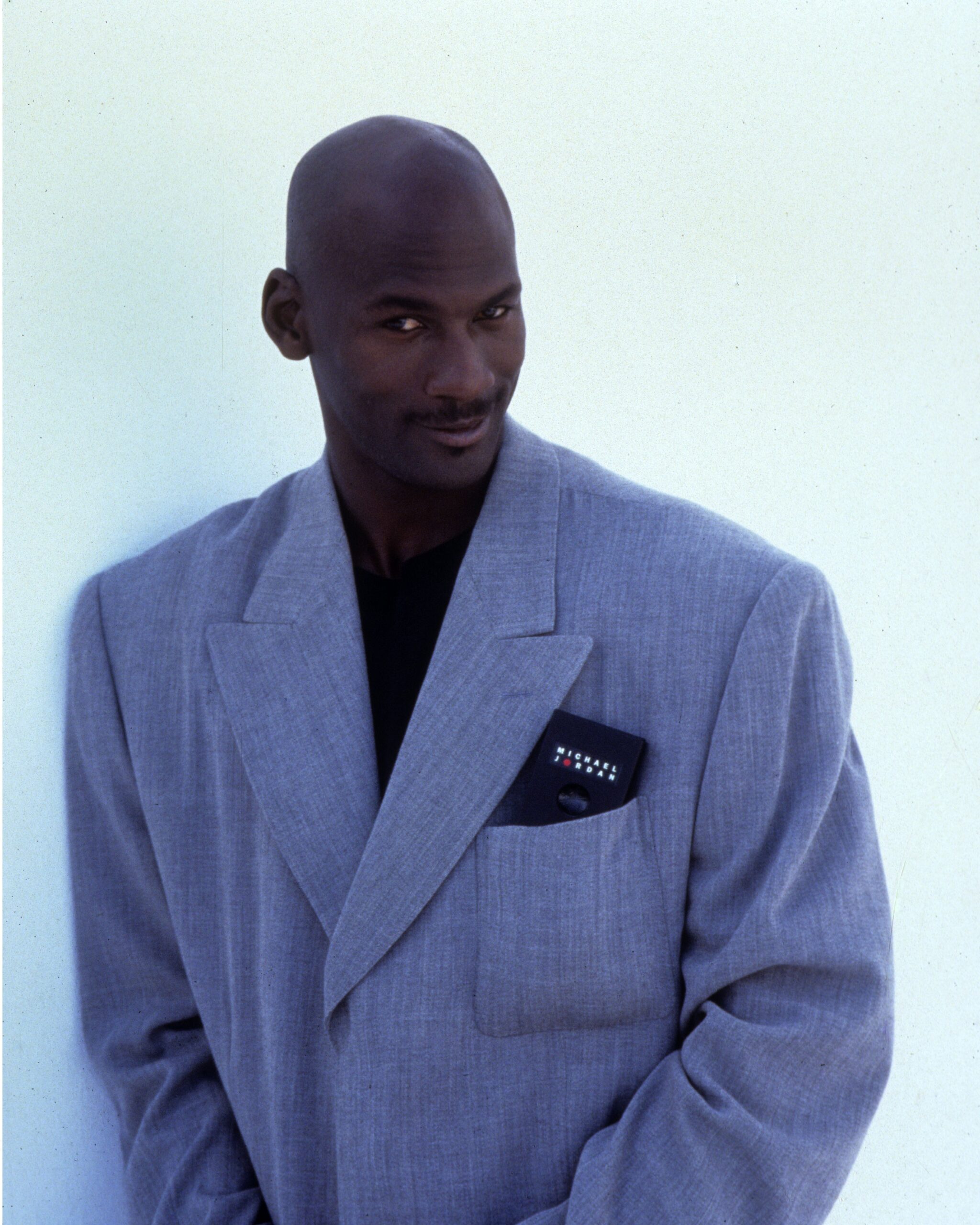
Michael Jordan, Basketball
Years Active: 1984–’03
The only six-time NBA Finals MVP, Jordan made basketball a global sensation with his unmatched scoring, lockdown defense and killer instinct. His first sneaker dropped in 1985 — famously “banned” by the NBA — and Nike capitalized on the controversy. By 1997, Air Jordan had become a standalone division of Nike, as the Jordan Brand. He treated the game like a business, arriving in oversized suits, suspenders, pocket squares and a single hoop earring — a look that became as iconic as his fadeaway jumper.
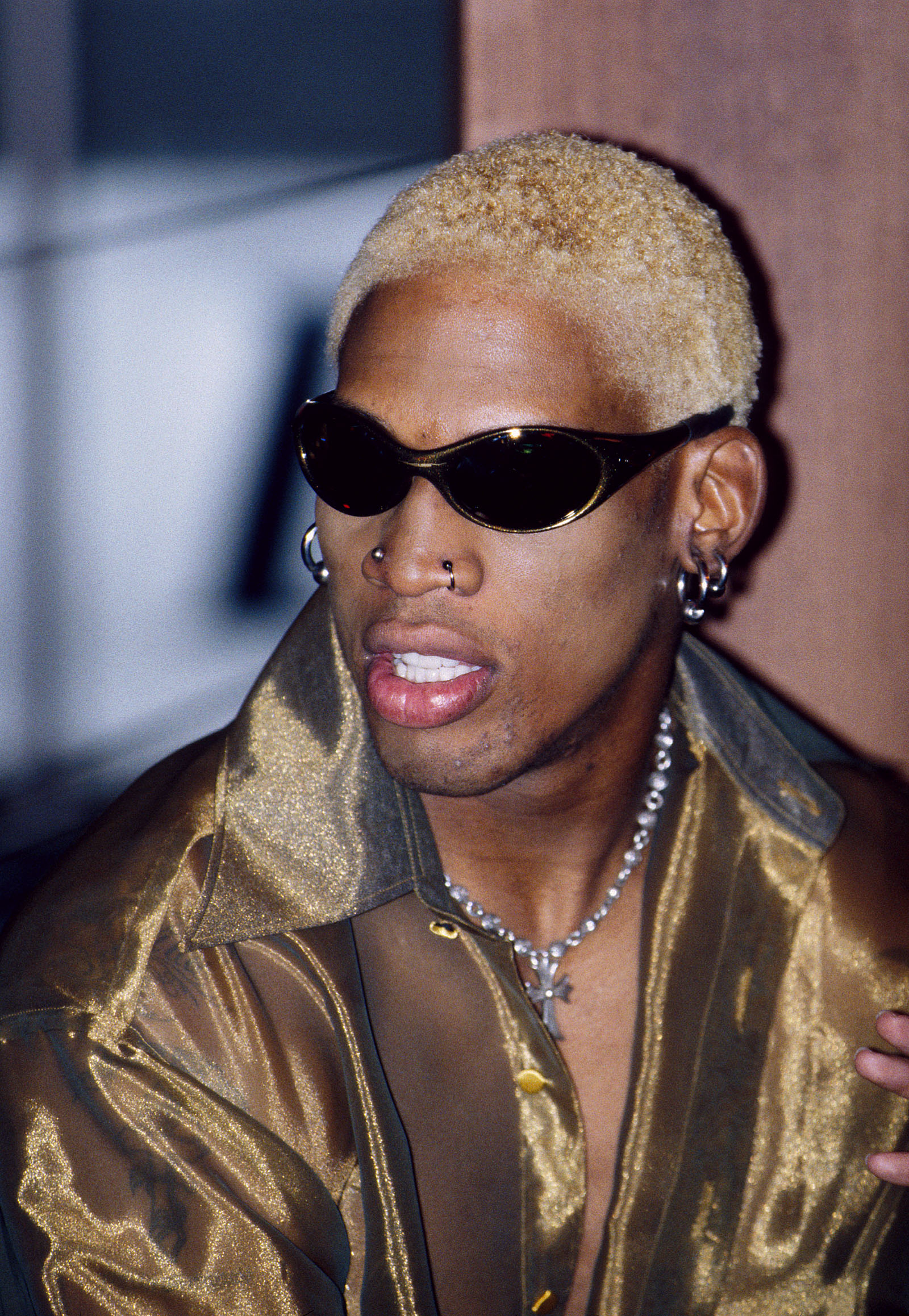
Dennis Rodman, Basketball
Years Active: 1986–’00
Once the NBA’s black sheep, this ’90s outcast is now hailed as a style icon. The five-time champion’s androgynous look defied conservative norms, with his face piercings, sparkly crop tops, colored hair and even wearing a wedding dress. However, his fashion has transcended eras and continues to inspire a new generation today to embrace individuality.
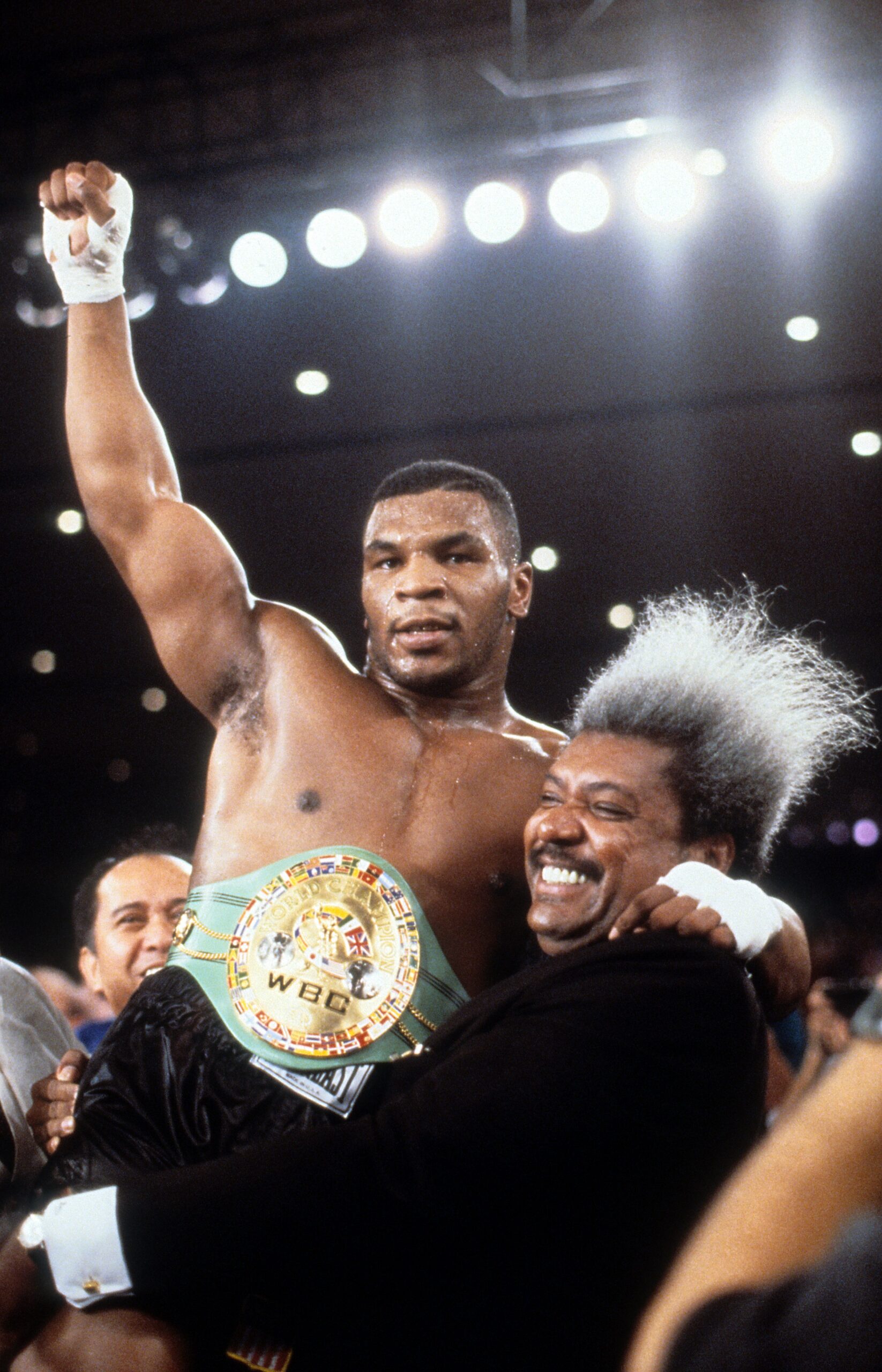
Mike Tyson, Boxing
Years Active: 1985–’05
Tyson became the youngest heavyweight champion at 20 with his 1986 win over Trevor Berbick. Outside the ring, his look combined street toughness with luxury — leather jackets, fitted suits and bold jewelry projected the persona of “Iron Mike” beyond boxing. His style didn’t soften his image — it amplified it, becoming another weapon in the mythology he built around himself.
Bo Jackson, Multi-sport
Years Active: 1986–’94
Jackson didn’t just play two professional sports — he obliterated the idea of limits. His most iconic moment? That 1989 MLB All-Star Game lead-off home run, which electrified fans and aired just before Nike’s legendary “Bo Knows” commercial. The campaign, featuring Jackson attempting various sports with cameos from icons like Michael Jordan and Bo Diddley, catapulted him into pop culture stardom. His charisma helped him transcend the field and turned him into a cultural phenomenon whose every move and outfit became a trend.
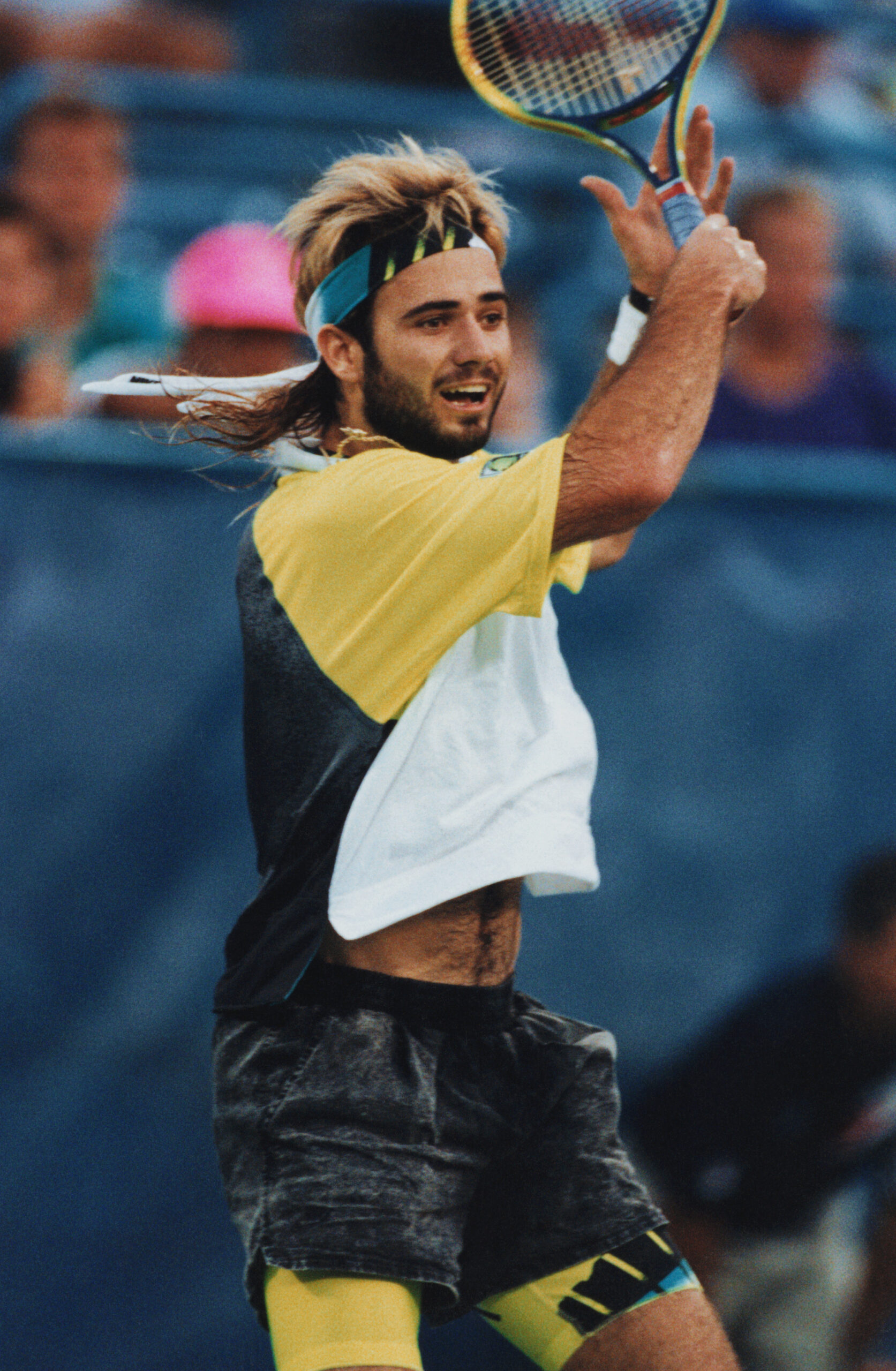
Andre Agassi, Tennis
Years Active: 1986–’06
One of only eight men to win all four majors, Agassi revolutionized tennis with his killer forehand and bad-boy style — think acid-wash shorts, neon graphic tops and headbands. He was the iconoclastic, anti-country club player who turned the sport’s conservatism on its head. Later, he reinvented himself, making a legendary comeback from No. 141 in 1997 to the No. 1 player in the world by 1999.
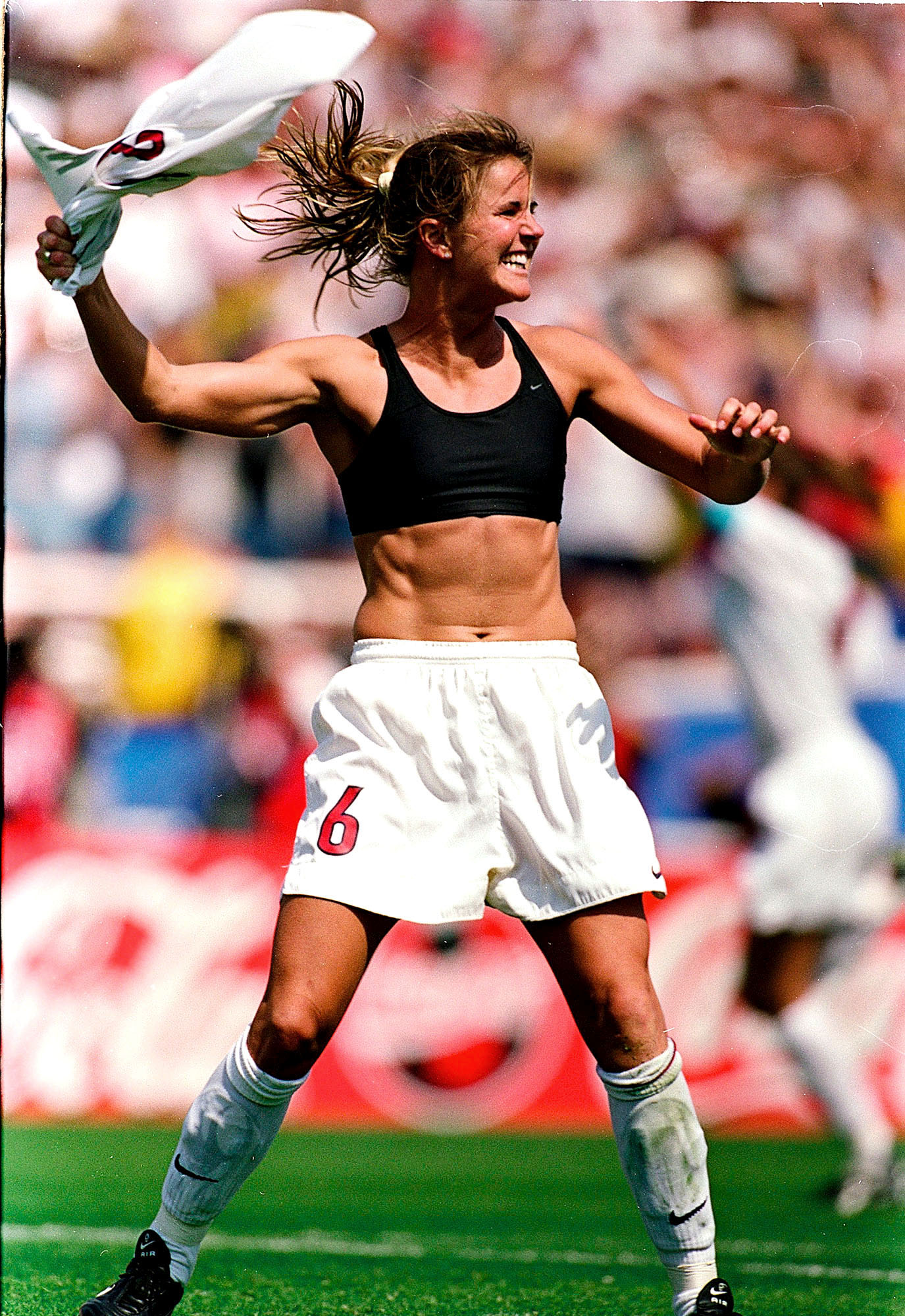
Brandi Chastain, Soccer
Years Active: 1988–’04
A 1996 Olympic gold medalist and 1999 World Cup champion, Chastain earned countless accolades — but she wasn’t known for personal style. That changed in an instant. After scoring the winning penalty in the ’99 final against China, she ripped off her jersey and dropped to her knees in a black Nike sports bra — fists clenched, eyes closed. At a time when women didn’t celebrate in their bras, the moment turned a private garment into a public symbol of liberation.
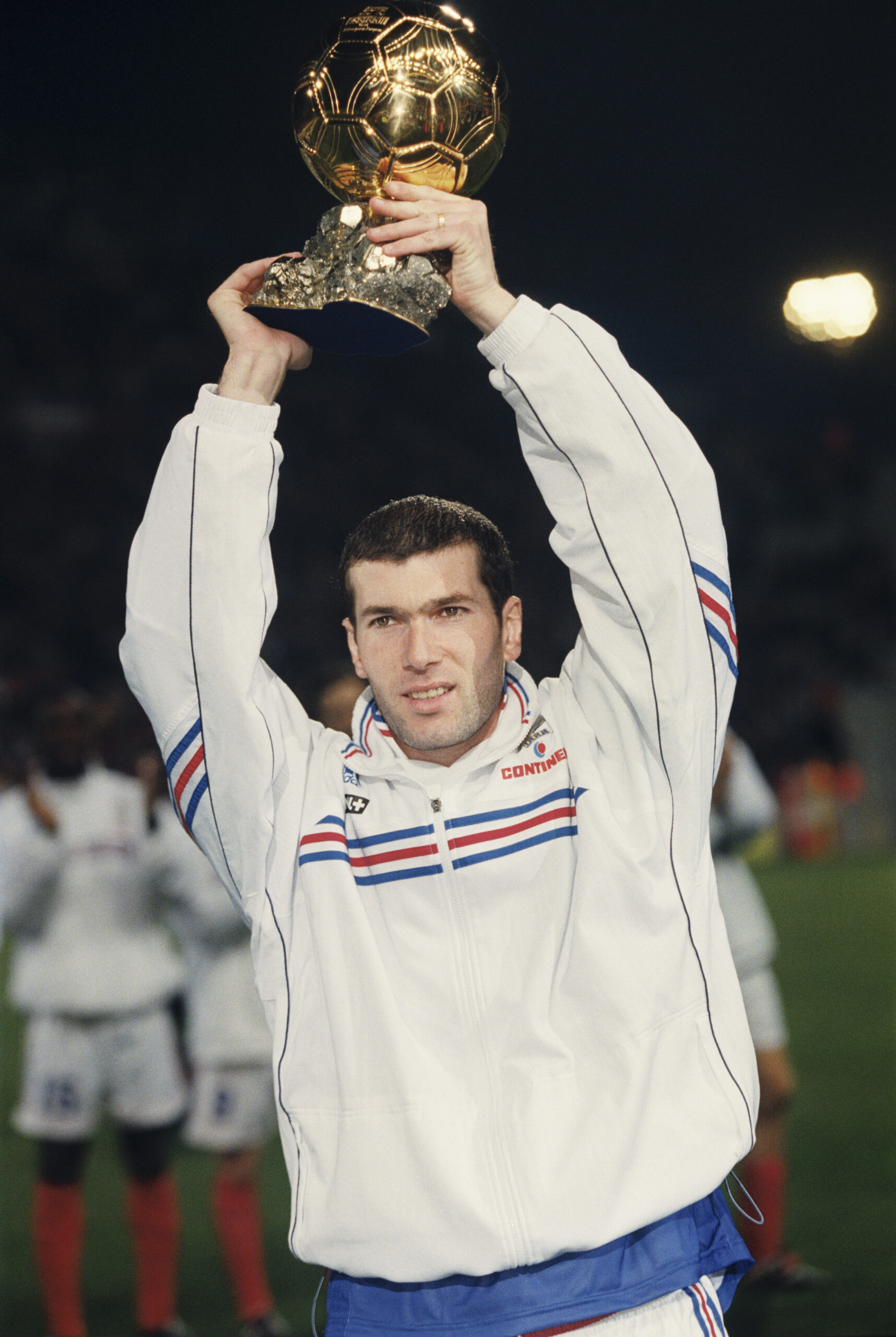
Zinedine Zidane, Soccer
Years Active: 1988–’06
Zidane’s composure in France’s 1998 World Cup final defined him as a midfield maestro. That same quiet authority was reflected in his wardrobe: structured tracksuits, minimalist sneakers and neutral-hued outerwear. Even as a coach, his masculine and dark suits projected effortless command.
Deion Sanders, Football and Baseball
Years Active: 1989–’00; 2004–’05
The only athlete to play in both a Super Bowl and a World Series, Sanders, aka “Prime Time,” was the star of every room he walked into. With unmatched athleticism and rare dual-sport dominance, he also inspired a generation of athletes with his flashy style — jheri curls, gold chains, tailored suits, floor-length mink coats and his signature gold shades.
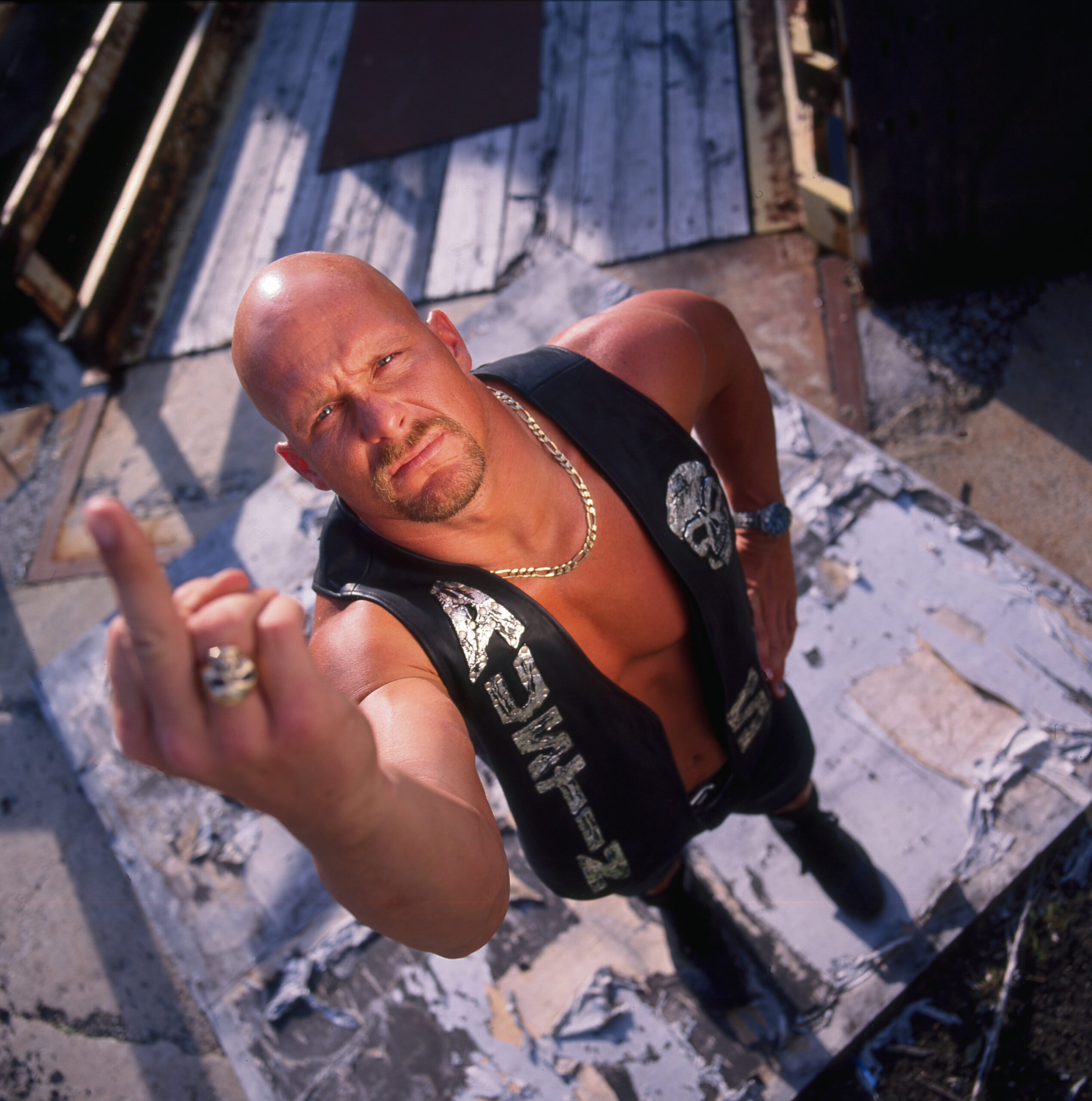
“Stone Cold” Steve Austin, Wrestling
Years Active: 1989–’03
Austin’s 1998 WrestleMania XIV victory over Shawn Michaels defined the “Attitude Era” — WWE’s rebellious, provocative and unapologetic late-’90s boom — cementing him as the face of its new direction. Outside the ring, he used fashion — blue denim jeans and biker-inspired leather vests — to reinforce his antihero persona while making an instant connection with fans.
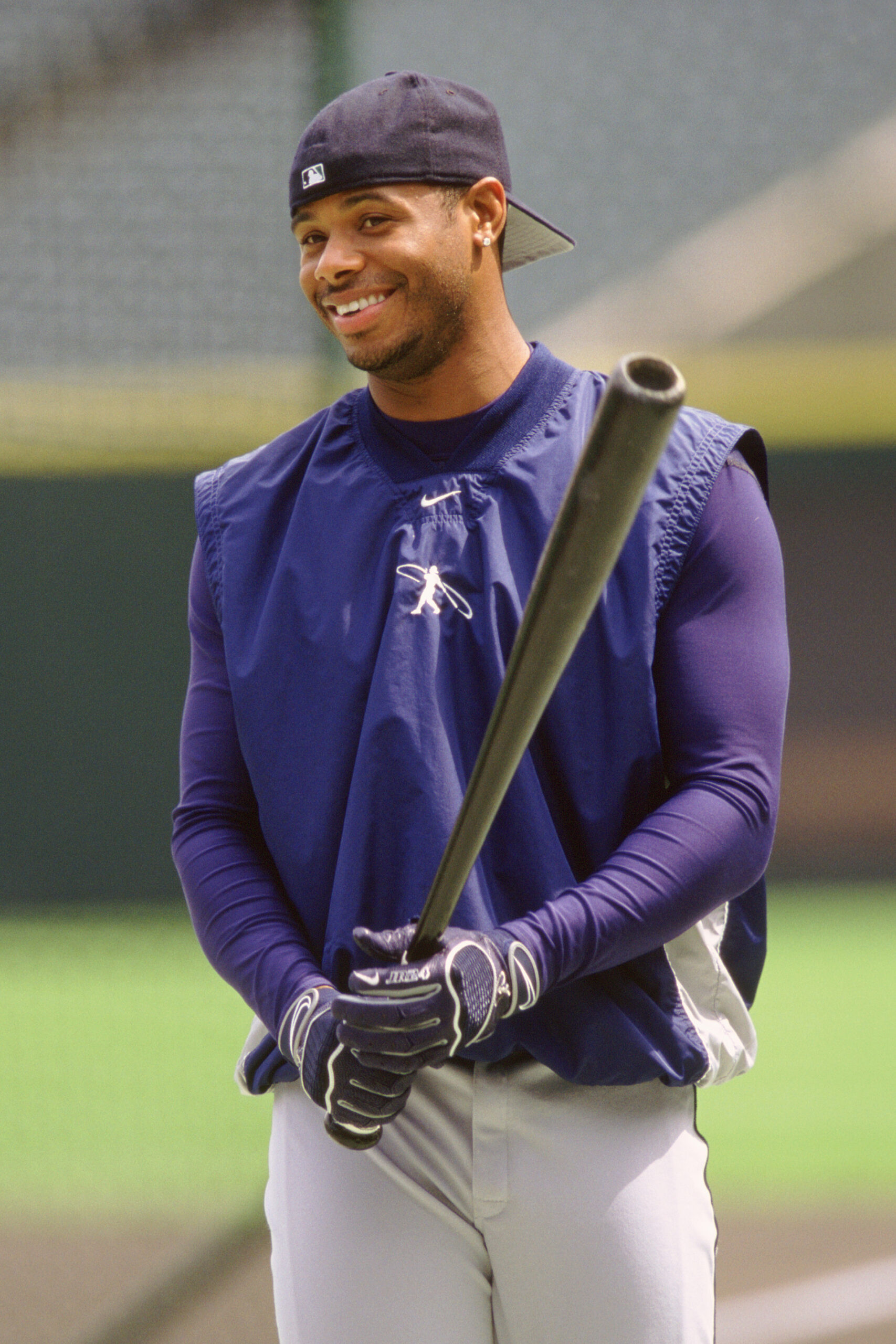
Ken Griffey Jr.
Years Active: 1989–’10
MLB Hall of Famer Griffey enjoyed a 22-season career, earning a 99.3% Hall of Fame vote in 2016. Renowned as one of baseball’s all-time greats, he stood out for his speed on the bases and nearly impossible defensive catches. On the field, Griffey rocked his cap backwards, a look that defined his laid-back off-the-field style and attitude. His baggy jerseys and media appearances helped shape ’90s streetwear culture.
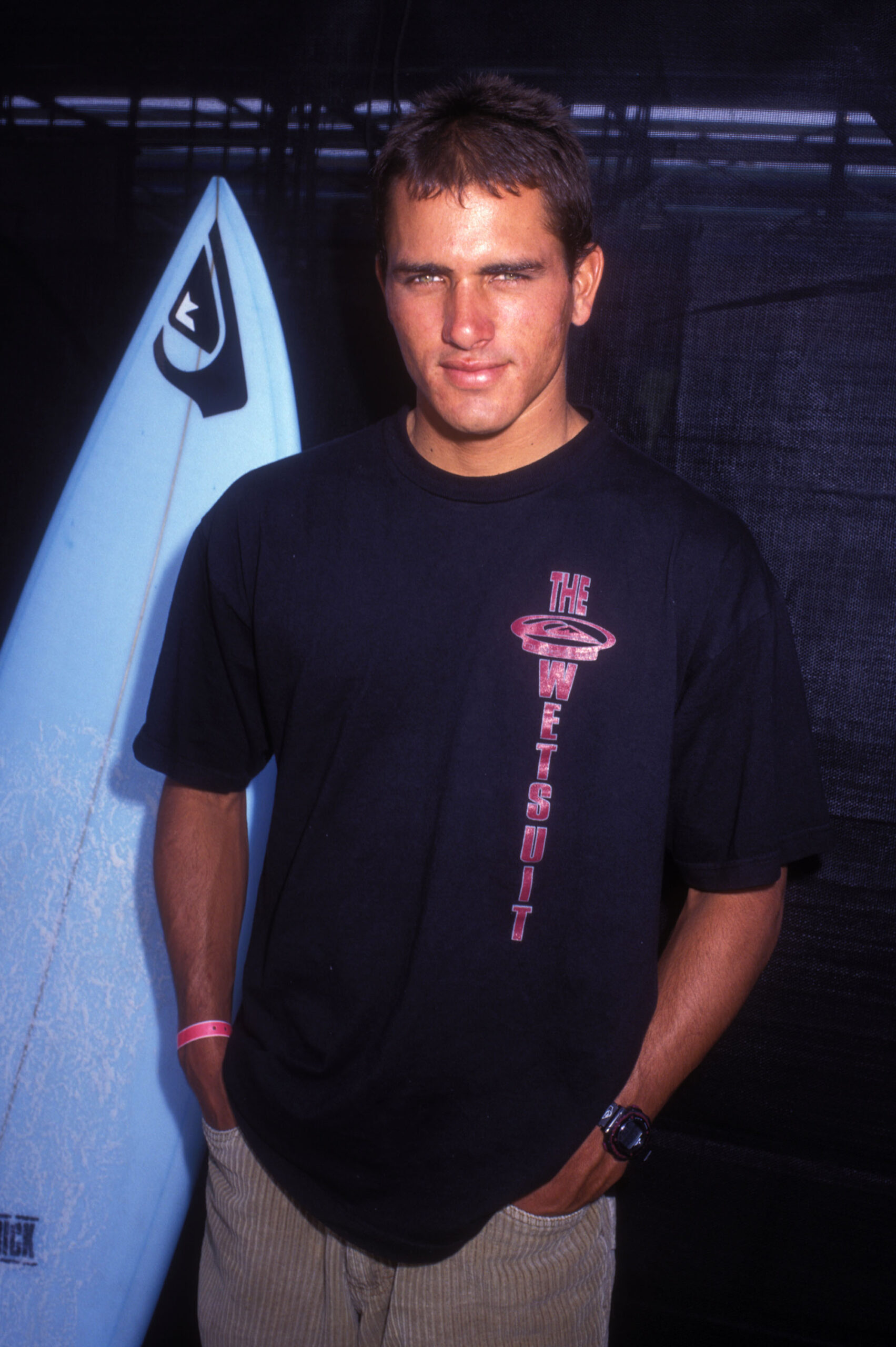
Kelly Slater, Surfing
Years Active: 1990–’20
In 2011, Slater’s 11th World Surf League title made him the most successful competitive surfer ever, a career milestone built on calculated technique and timing. Off the waves, he embraced surf culture fully — oversized hoodies, patterned board shorts and worn-in sneakers. That same laidback aesthetic inspired Outerknown, the sustainable fashion label he co-founded in 2015.
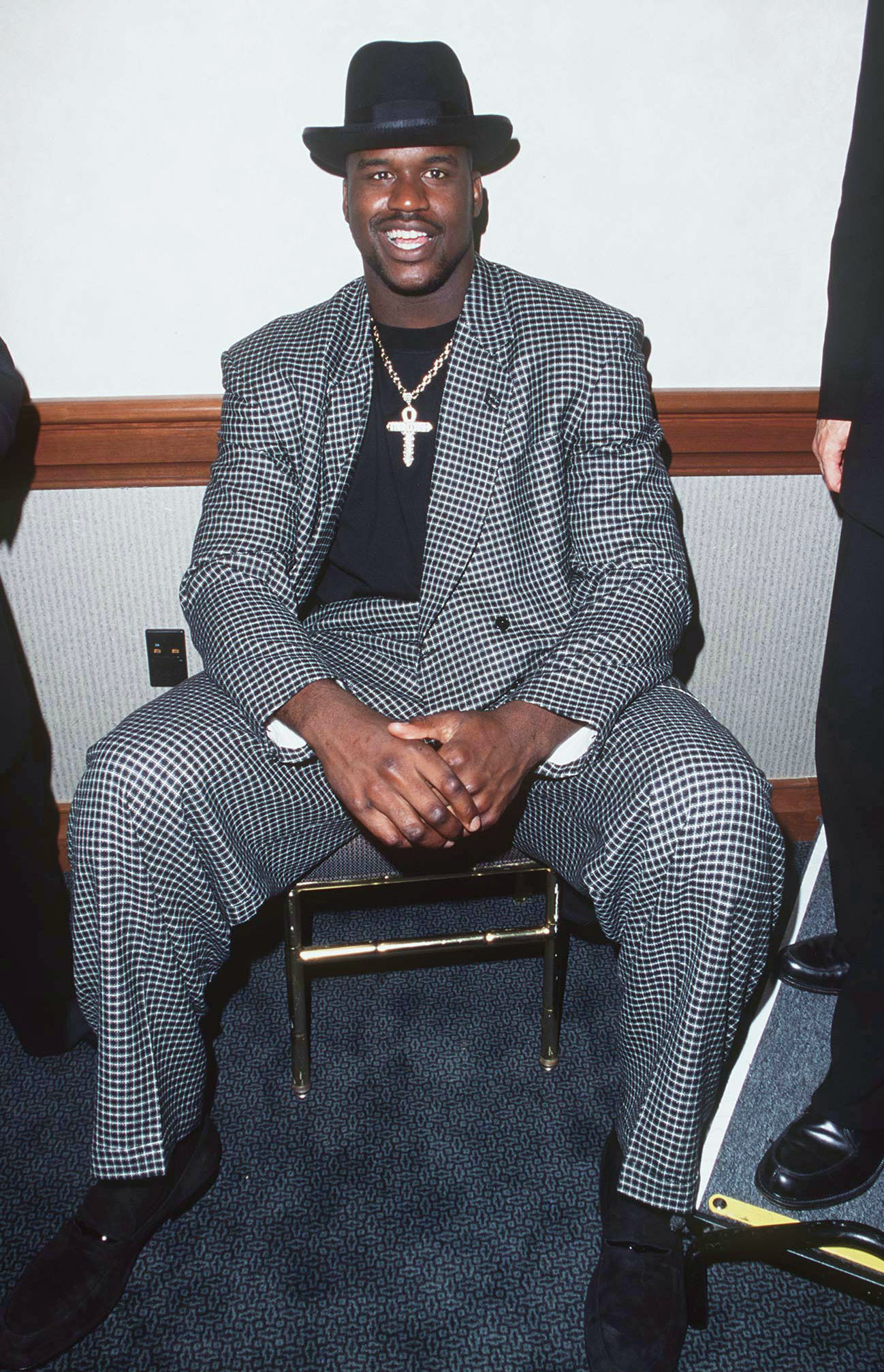
Shaquille O’Neal, Basketball
Years Active: 1992–’11
O’Neal’s dominance in the 2000 NBA Finals showed why he was one of the most commanding centers ever. Shaq, as he is known to fans all over the world, favored ’90s-era suits with oversized jackets, while diamond-encrusted Superman chains and custom jewelry underscored his outsized and charming personality.
David Beckham, Soccer
Years Active: 1992–’13
A Premier League Hall of Famer, Beckham cemented his place as a global star with his free-kick finesse, which inspired the title of the 2002 movie Bend It Like Beckham. But he became a true pop culture phenomenon when he linked up with Victoria Adams — better known as Posh Spice of the Spice Girls — and together they became the ultimate “it couple” of the late ’90s and early 2000s. He was a true fashion icon, fronting luxury campaigns, covering glossy magazines and serving as the poster boy for the “metrosexual” movement — a term coined in the ’90s to describe straight men who embraced grooming and style consciousness once associated mainly with women or gay culture.
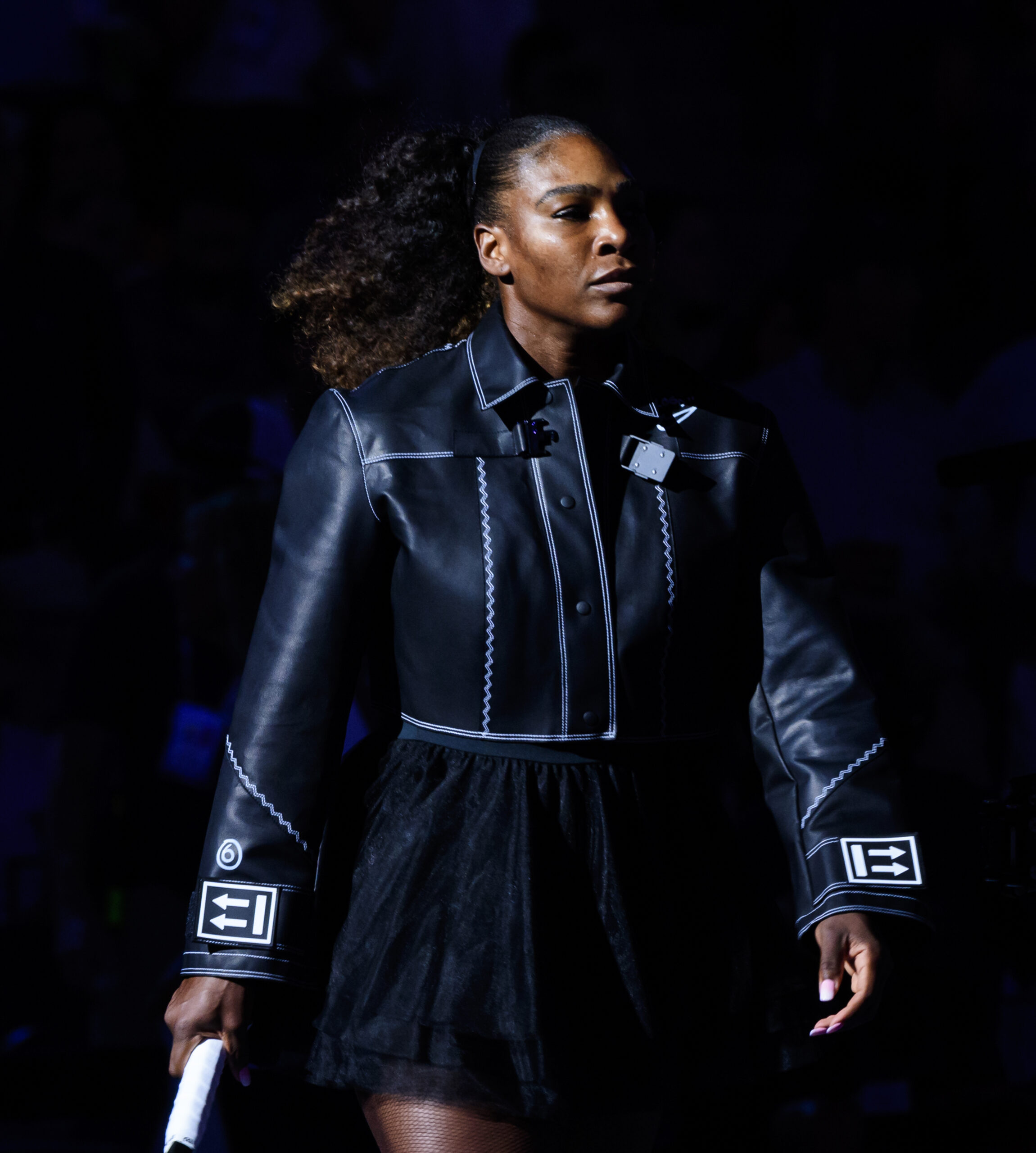
Venus Williams, Tennis
Years Active: 1994–Present
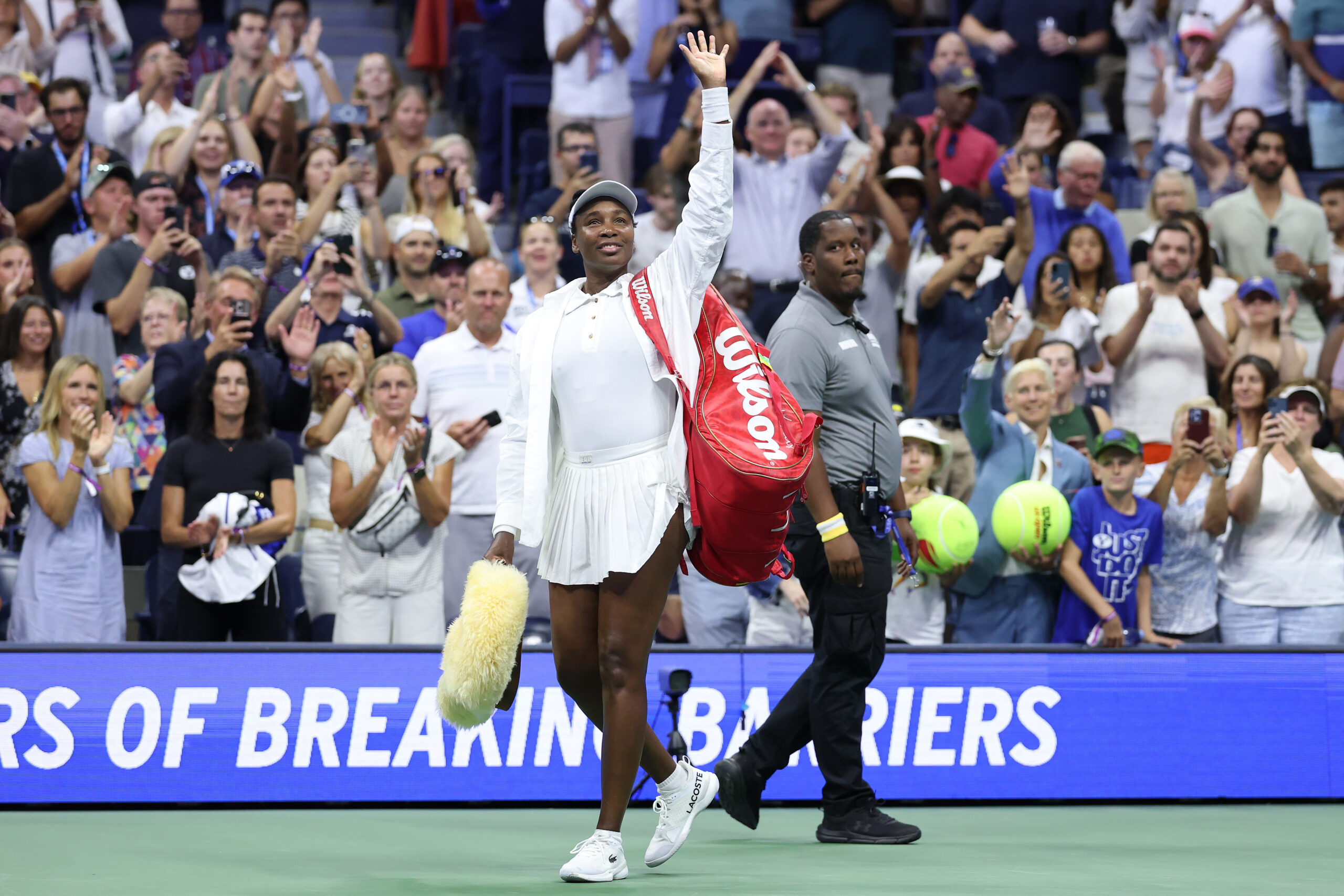
A seven-time Grand Slam champion still competing more than 20 years later, Williams — alongside her sister Serena — disrupted tennis with their beaded box braids and body-hugging gear that highlighted their athletic builds. At the 2025 US Open, Williams broke from her tradition of sticking to one look throughout a tournament, instead debuting a new outfit in each match from labels including Pucci, Luar, Khaite and ERL.
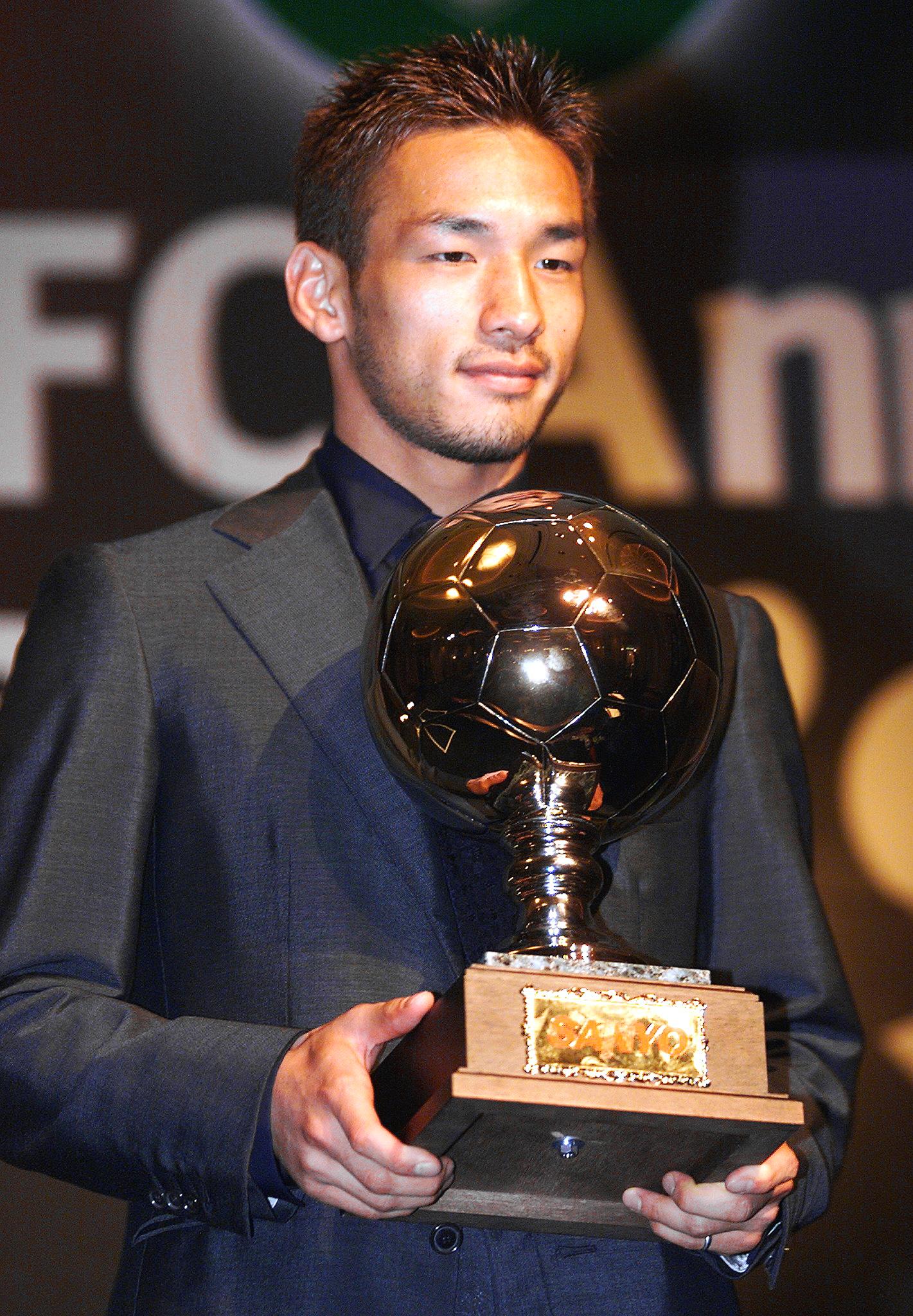
Hidetoshi Nakata, Soccer
Years Active: 1995–’06
After three World Cup appearances with Japan, Nakata shocked fans by retiring at just 29 and fully pivoting to fashion and culture. He modeled for Calvin Klein, sat front row at Paris and Milan Fashion Weeks, and worked with houses like Dolce & Gabbana and LVMH. Known for his ever-changing hair — from bleached buzzcuts to sharp spikes — and avant-garde streetwear looks, Nakata also launched projects promoting Japanese artisanship.
Anna Kournikova, Tennis
Years Active: 1995–’03
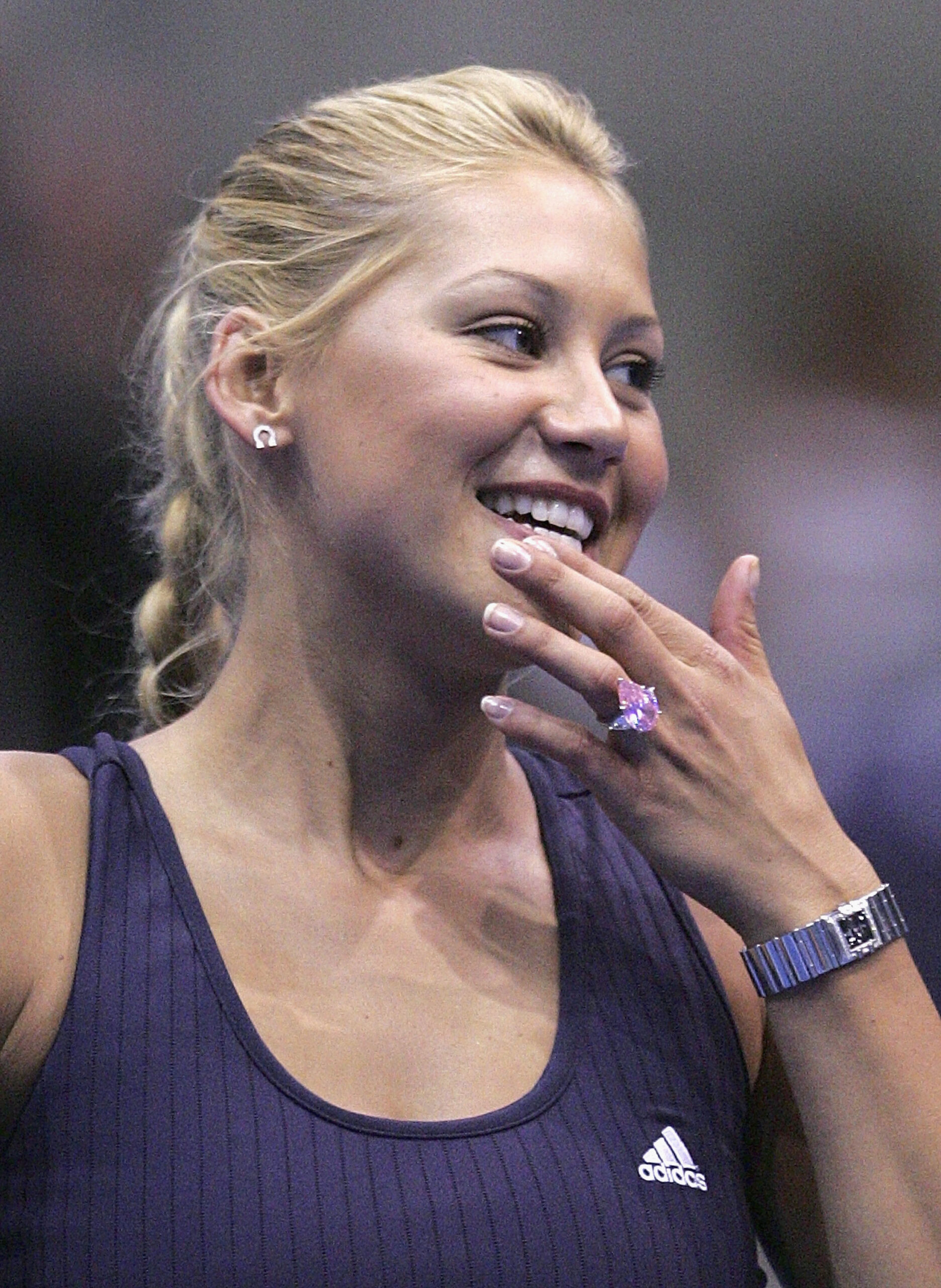
Two-time Grand Slam doubles champions, Kournikova and her partner Martina Hingis were so popular they dubbed themselves the “Spice Girls of tennis.” On the singles court, however, the much-hyped Kournikova never broke through with major titles. But her Lolita-like image — long blonde hair, crop tops and miniskirts — made her one of the most marketable and bankable players of the late ’90s and early 2000s.
Serena Williams, Tennis
Years Active: 1995–’22
As one of the greatest athletes to have ever lived, Williams was the queen of the tennis court. Over a prolific 27-year career, she won 23 Grand Slam singles titles — the most of any woman in the Open Era. In the late ’90s, she burst onto the scene as one-half of an iconic sister duo with Venus, but over time she not only dominated their rivalry but conquered the rest of the women’s game with her powerful groundstrokes and tenacity in high-pressure moments. Along the way, her studded Nike denim skirts, body-hugging catsuits and Virgil Abloh–designed ballerina tutus predated the fashion takeover in tennis, making her both a sporting legend and a cultural icon.
Allen Iverson, Basketball
Years Active: 1996–’10
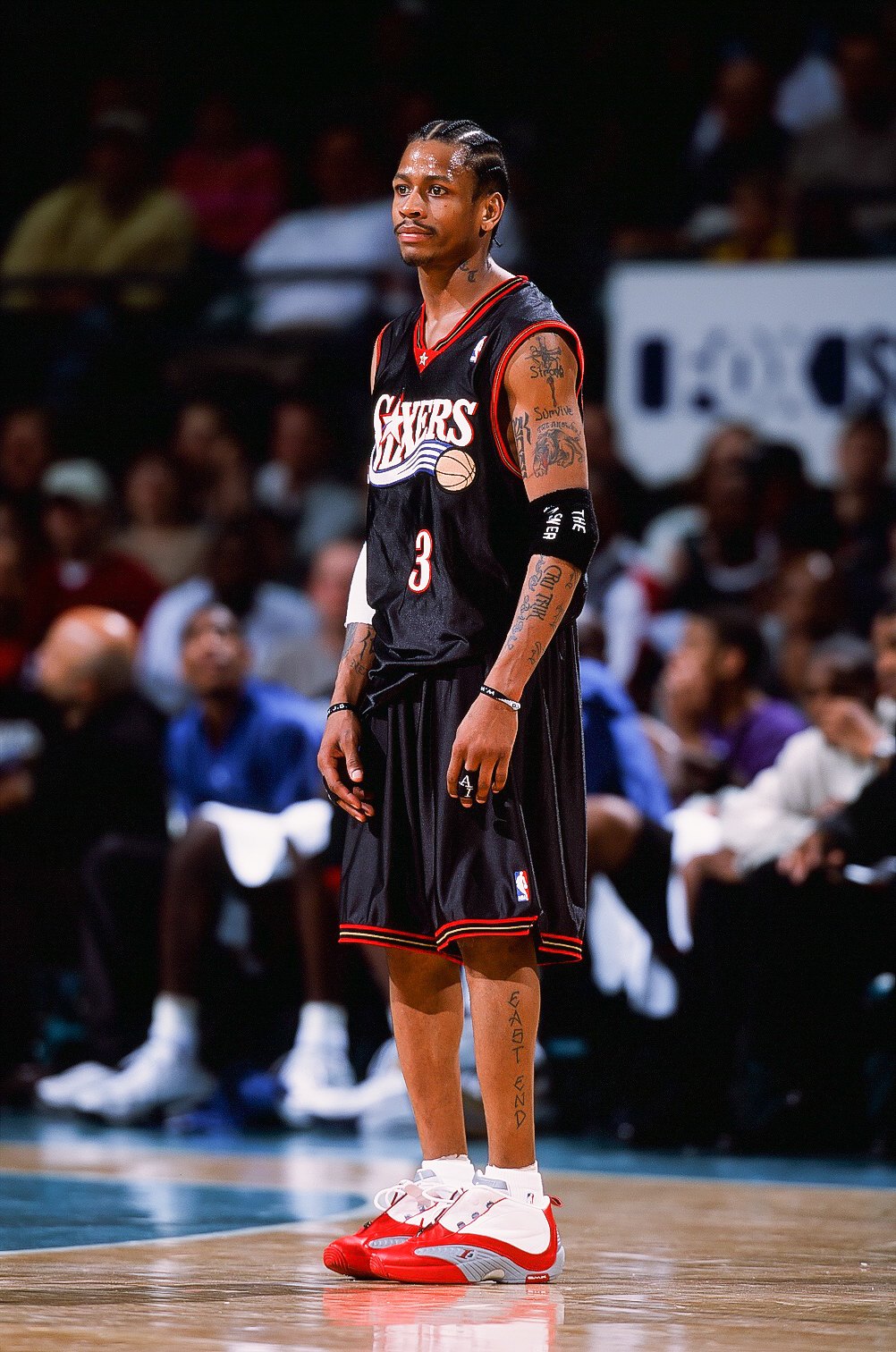
In 2005, the NBA introduced a dress code widely seen as a racist crackdown on Black expression — targeting Iverson’s cornrows, tattoos, baggy clothes and iced-out chains. But the 11-time All-Star never backed down. And his hip-hop style still influences players today.
Terrell Owens, Football
Years Active: 1996–’10
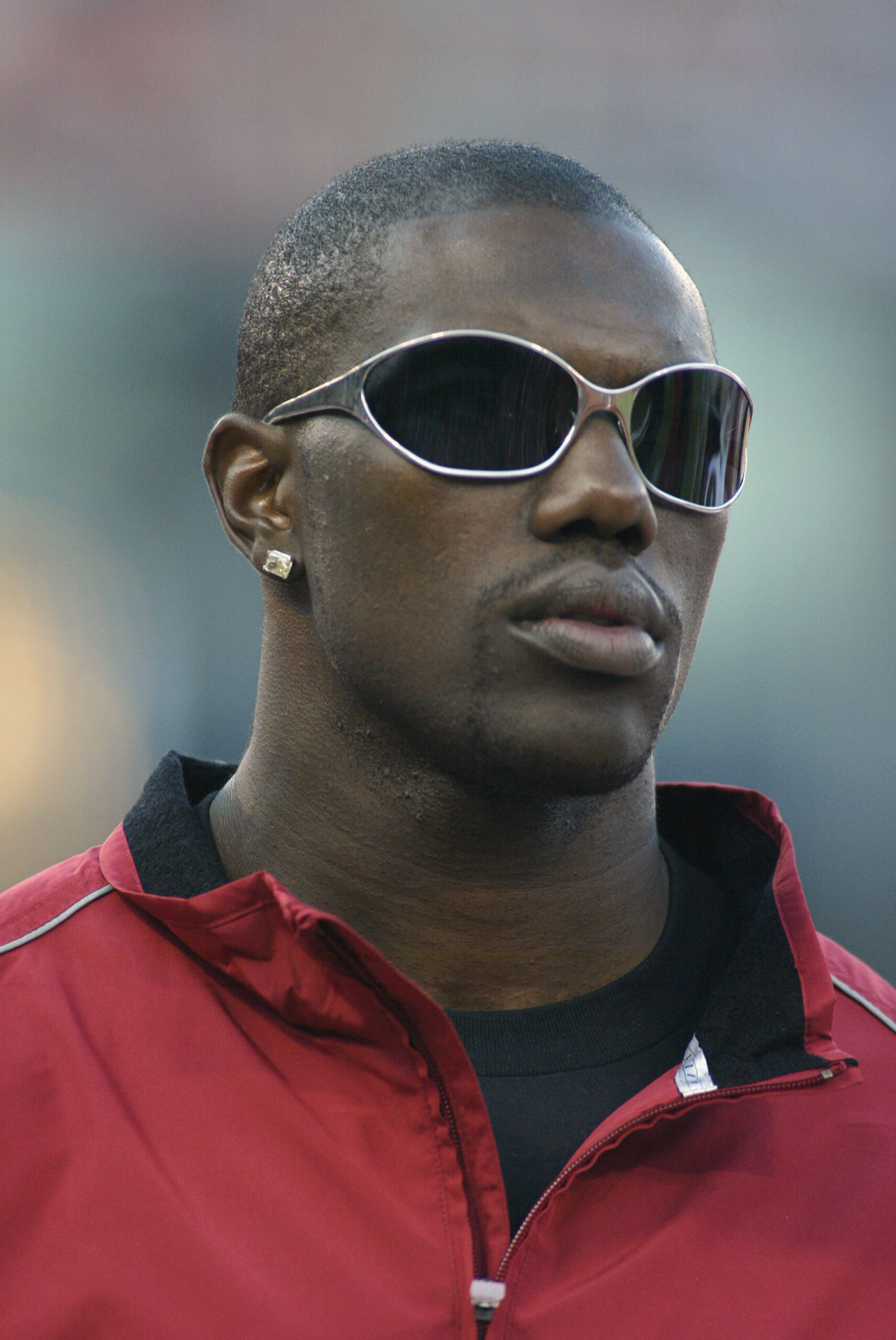
Owens’ jaw-dropping catches and relentless competitiveness made him one of the most electrifying wide receivers the NFL has ever seen. But his style was just as audacious as his play — designer suits, oversized shades and diamond chains turned every entrance into a performance. T.O., as he was known to fans and foes alike, didn’t just play football — he performed everywhere he went.
Tiger Woods, Golf
Years Active: 1996–Present
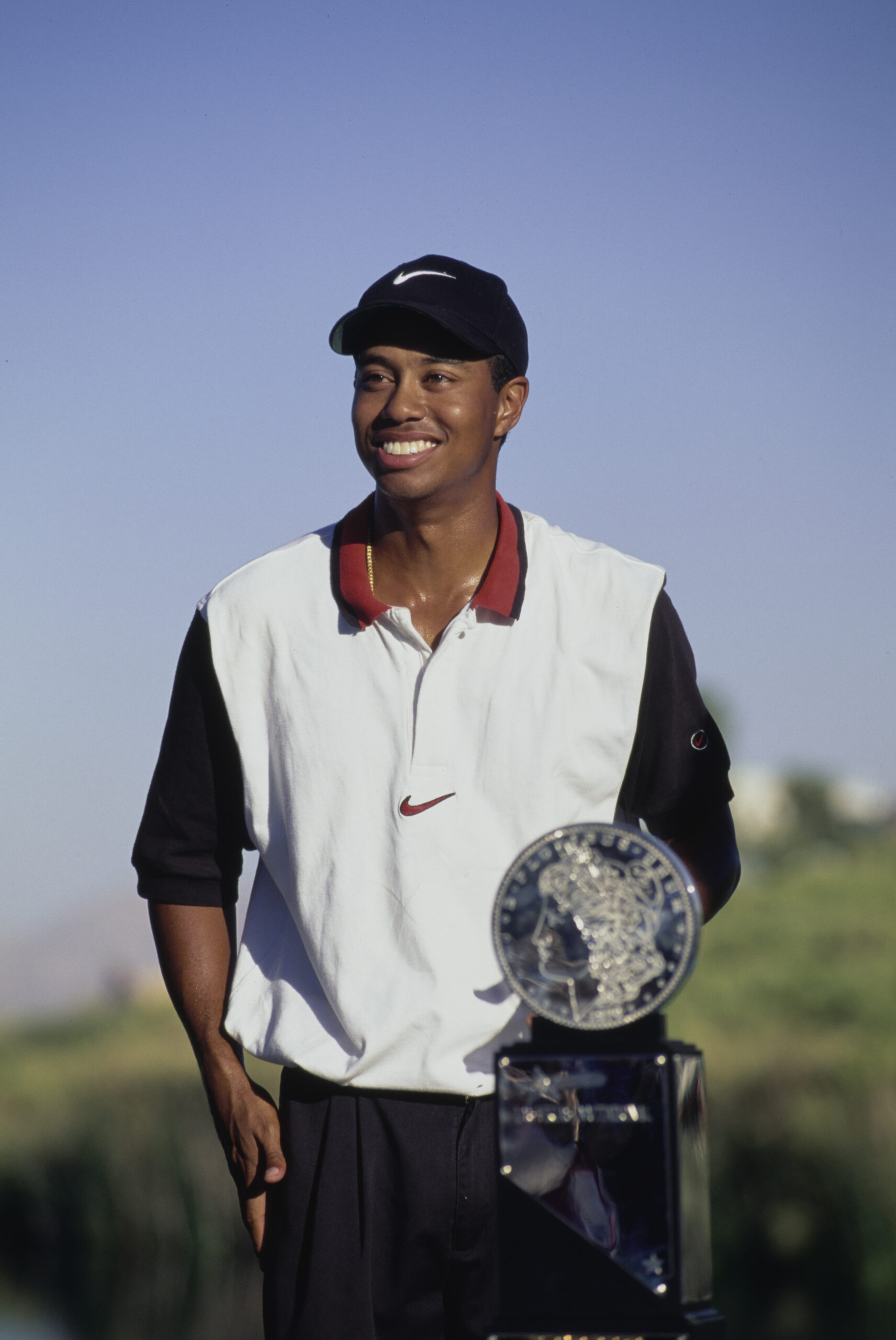
In 2001, Woods completed what became known as the “Tiger Slam” — winning four consecutive majors across two seasons: the 2000 US Open, British Open and PGA Championship and the 2001 Masters. He was only the second player in history to hold all four titles at once, but the first to do it across two calendar years. While his look was far from fashion-forward, his signature Nike red polo and black pants became iconic — as a half-Black, half-Asian athlete dominating a sport long defined by white, country club tradition.
Lisa Leslie, Basketball
Years Active: 1997–’13
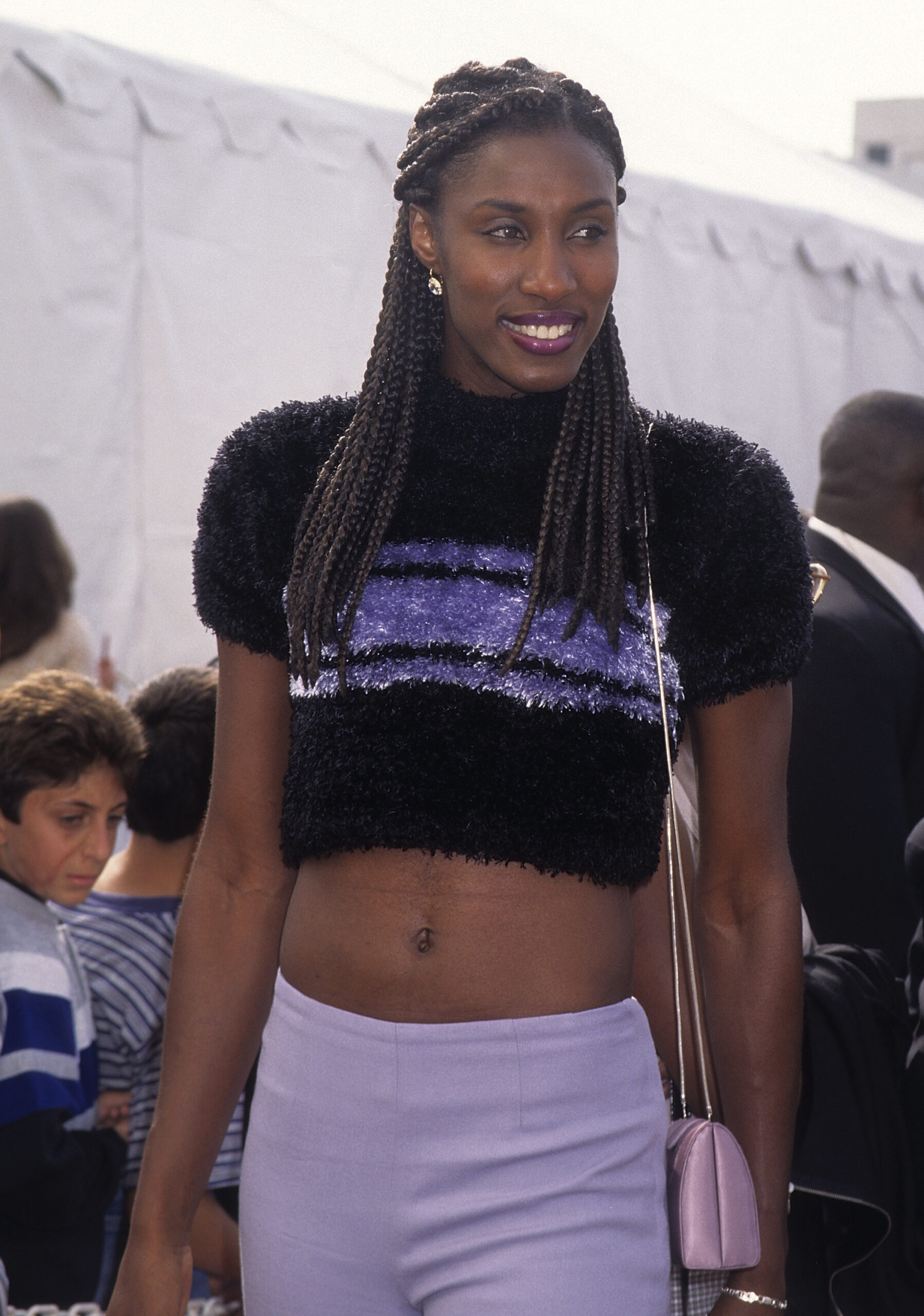
Leslie made WNBA history as the first player to dunk during a game. At 6’5”, Leslie’s athleticism allowed her to be a protector of the rim and possess the ability to also make clutch mid-range shots. Once a model, she never forgot her glamorous past and often wore makeup, heels and long showstopping gowns.
Ronaldinho Gaúcho, Soccer
Years Active: 1998–’15
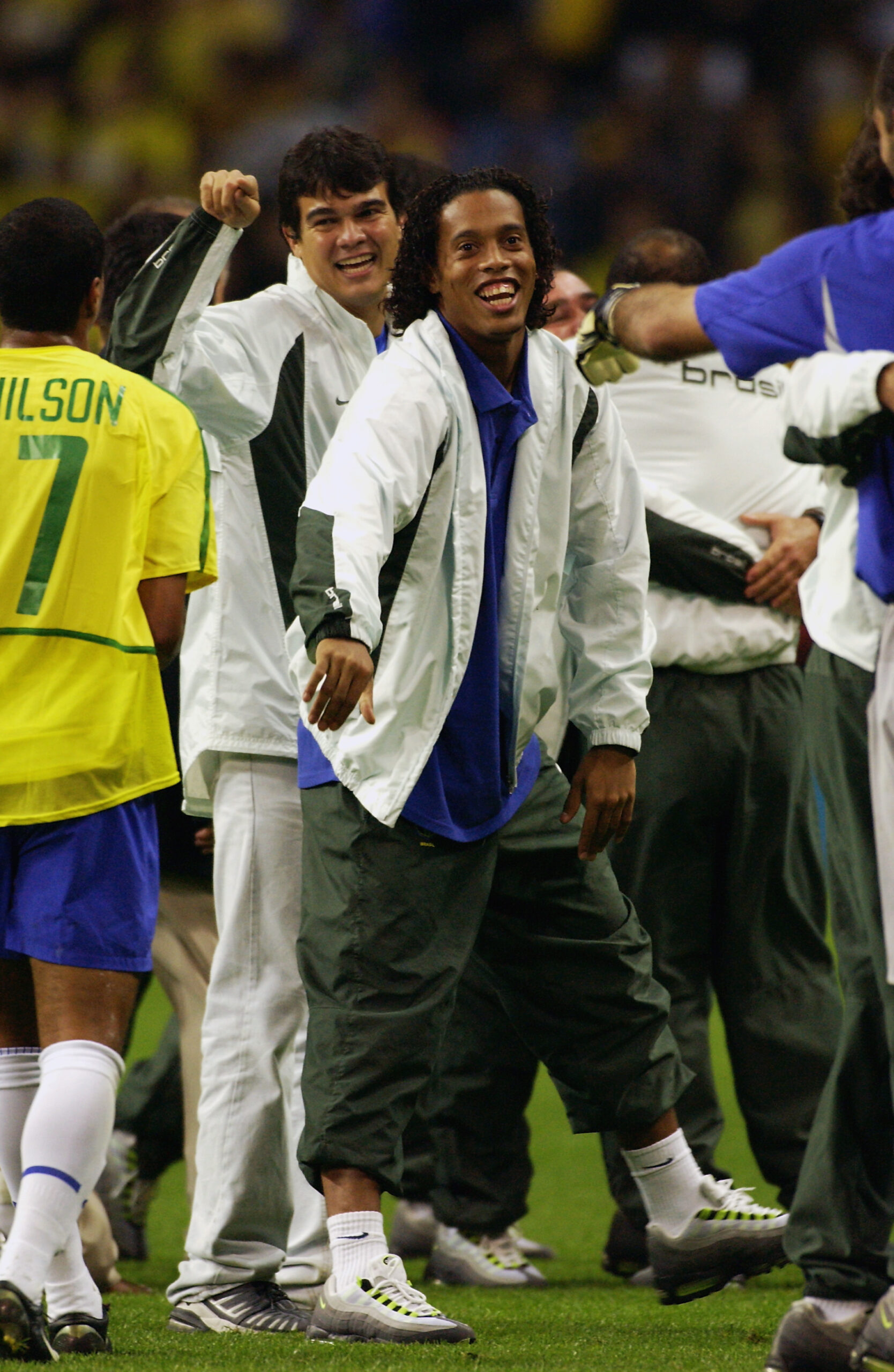
Gaúcho led Brazil to win the 2002 FIFA World Cup, additionally taking Europe by storm with his signature no-look passes and Elastico move, leaving defenders stuck. Although he never dressed in a flashy manner, his style reflected his life in Brazil. By prioritizing comfort, he was often seen in cargo pants, oversized jerseys and track suits, staying authentically true to who he was both on and off the pitch.
Roger Federer, Tennis
Years Active: 1998–’22
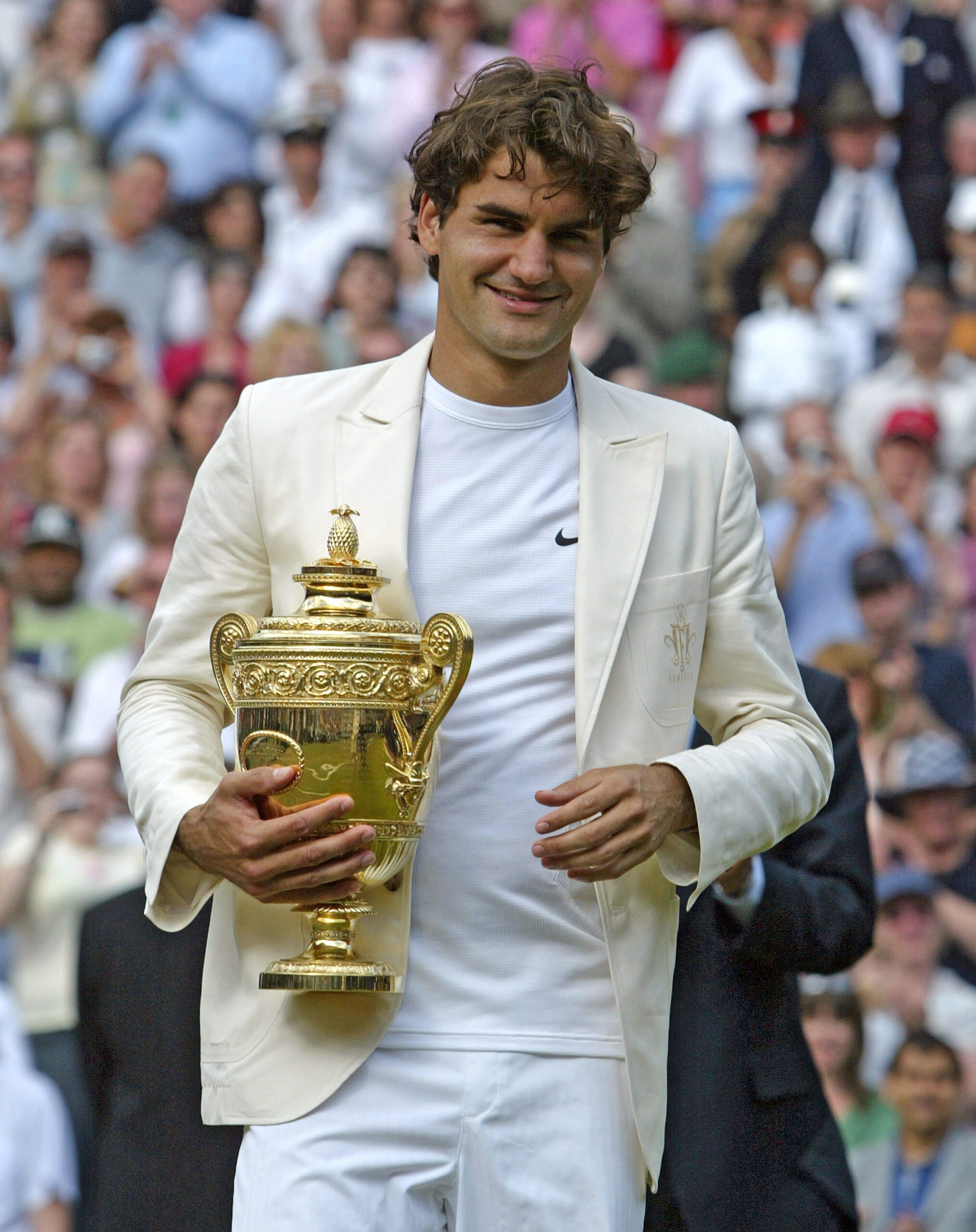
The retired Swiss 20-time Grand Slam champion was as known for his elegance off the court as on it. His graceful game mirrored his stately style — from monogrammed Nike cardigans to tailored Wimbledon blazers in the late 2000s. In 2018, he signed a $300 million, 10-year deal with Uniqlo — a partnership that extended beyond his playing days. He also became an early investor in Swiss running brand On, and when the company went public in 2021 at a $10 billion valuation, his estimated 3% stake surged to around $300 million.
Daunte Culpepper, Football
Years Active: 1999–’09
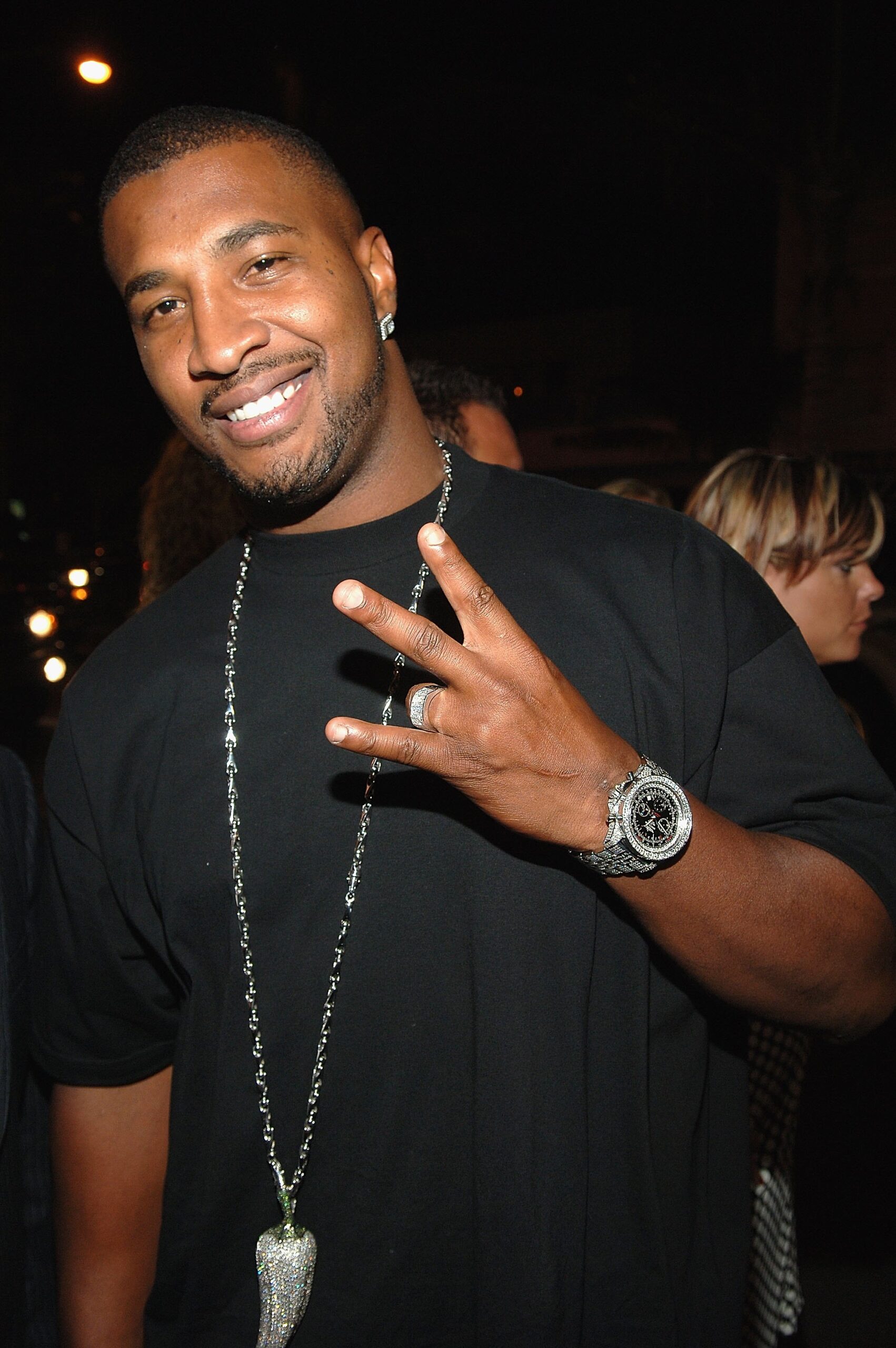
Culpepper’s 2004 MVP- caliber season cemented him as one of the league’s most dynamic quarterbacks. Off the field, his look blended athletic wear with streetwise flair — fitted caps, throwback jerseys and designer kicks that reflected the Minneapolis streets he played near and the swagger he carried everywhere else.
John Cena, Wrestling
Years Active: 1999–’18
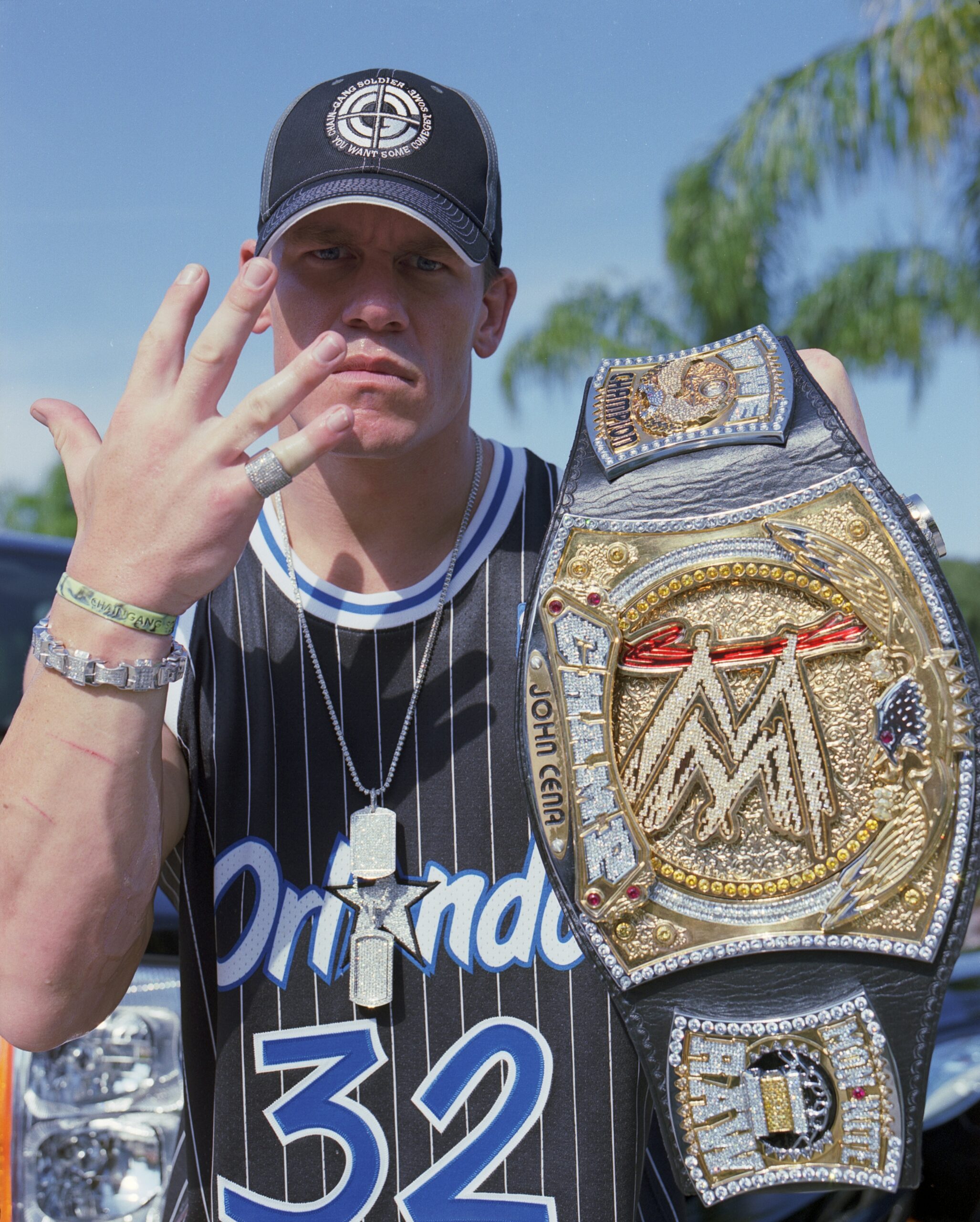
In 2017, Cena’s record-tying 16th WWE Championship win cemented his place as one of the most dominant figures in wrestling history. Outside the ring, he leaned into streetwear staples — fitted hoodies, baseball caps and sneakers — cultivating a friendly, relatable image that resonated with his massive fan base.
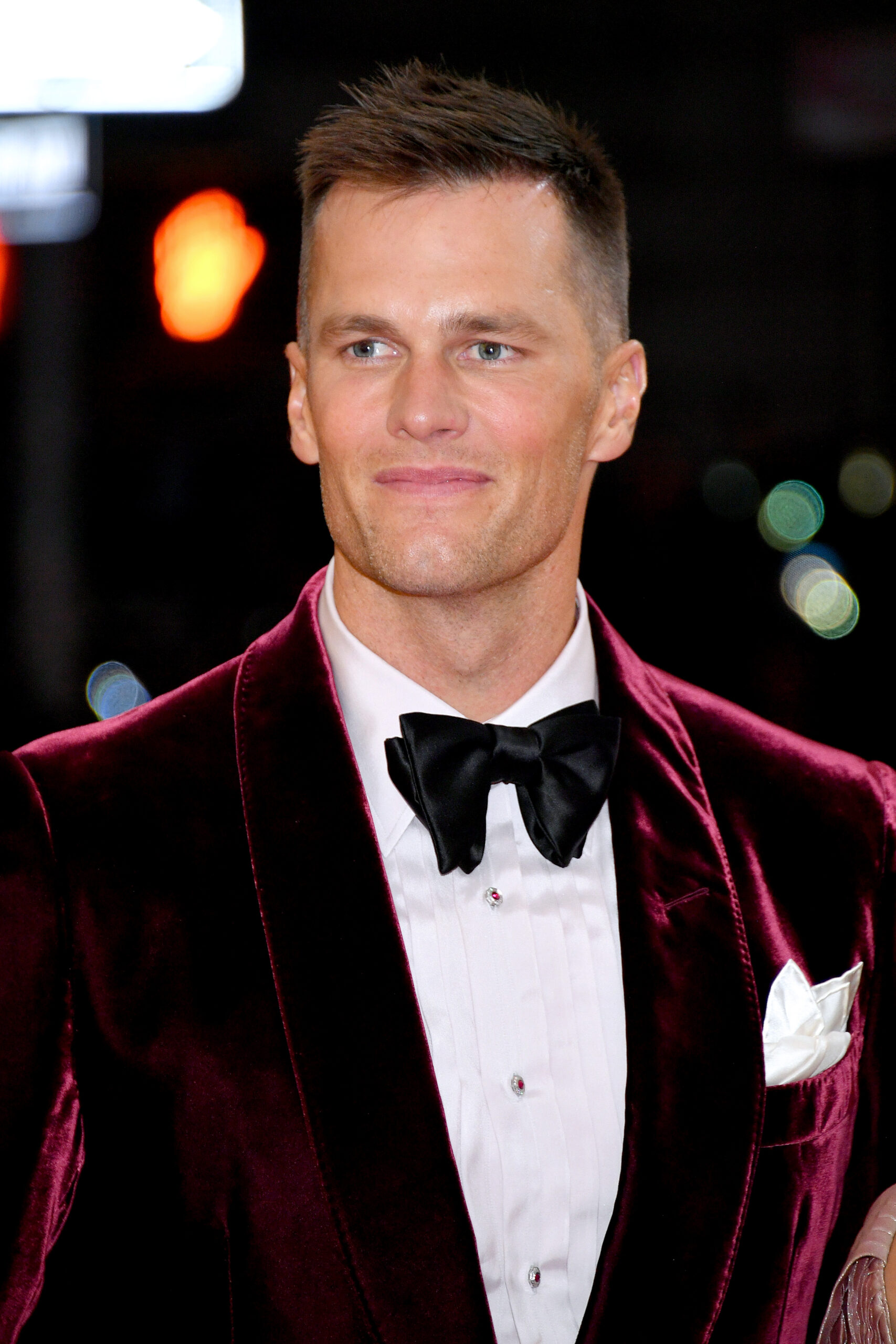
Tom Brady, Football
Years Active: 2000–’22
Brady holds an NFL-record seven Super Bowl titles, becoming the oldest QB to win one. Known for his elite leadership and precision passing, he dominated for over two decades. Off the field, he brought style to the spotlight, featured in GQ, Esquire and Men’s Health and a regular on the Met Gala red carpet. Post-retirement, Brady launched BRADY Brand, a performance-wear line that spotlights rising stars like Shedeur Sanders, quarterback for the Browns.
Shaun White, Snowboarding
Years Active: 2000–’22
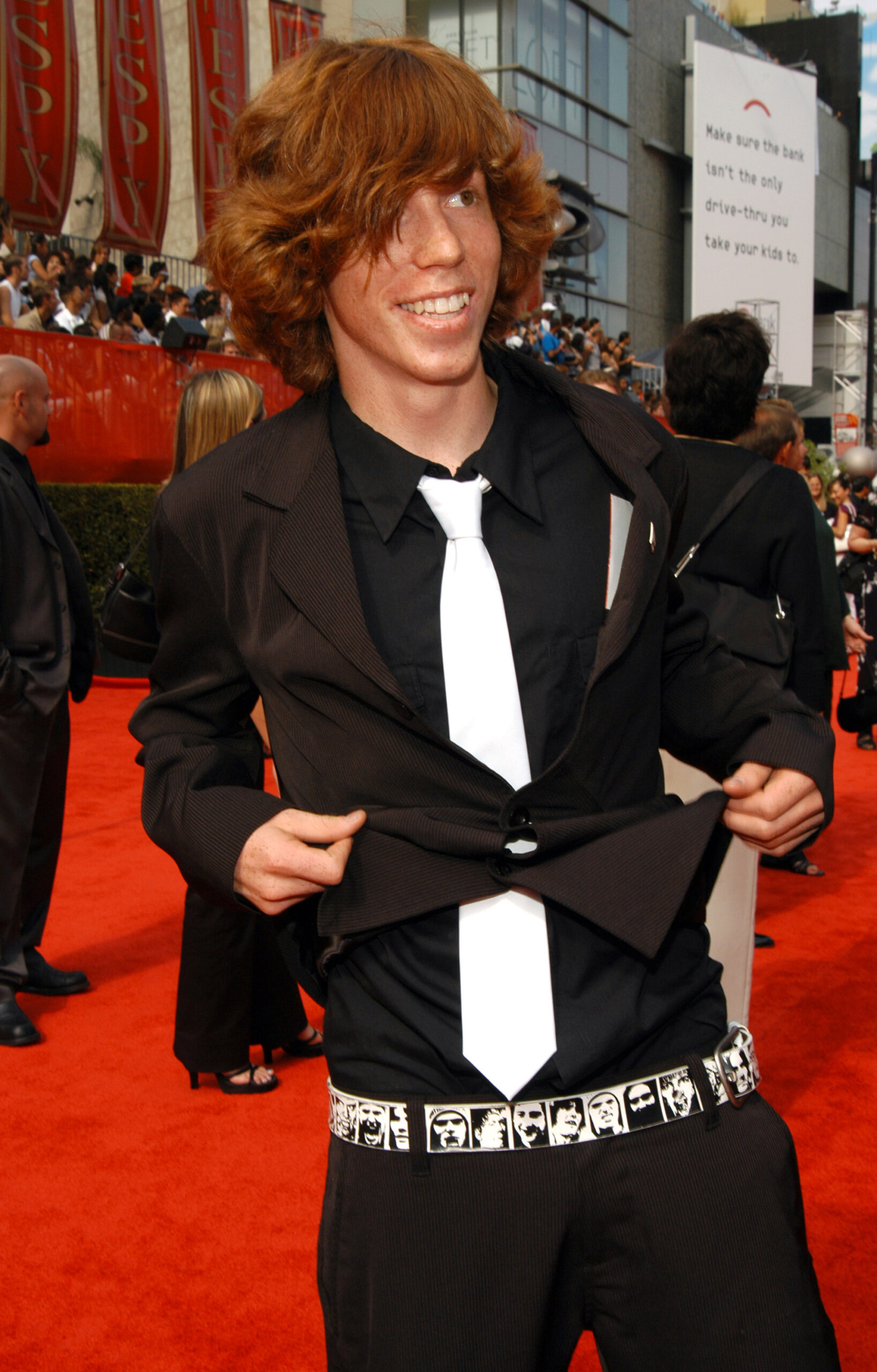
White’s 2006 Olympic halfpipe gold cemented his status as a snowboarding icon. Off the mountain, his look channeled the MTV skate-punk aesthetic of the era — hoodies, ripped jeans, shaggy red hair and bold sunglasses. He became the sport’s most visible ambassador.
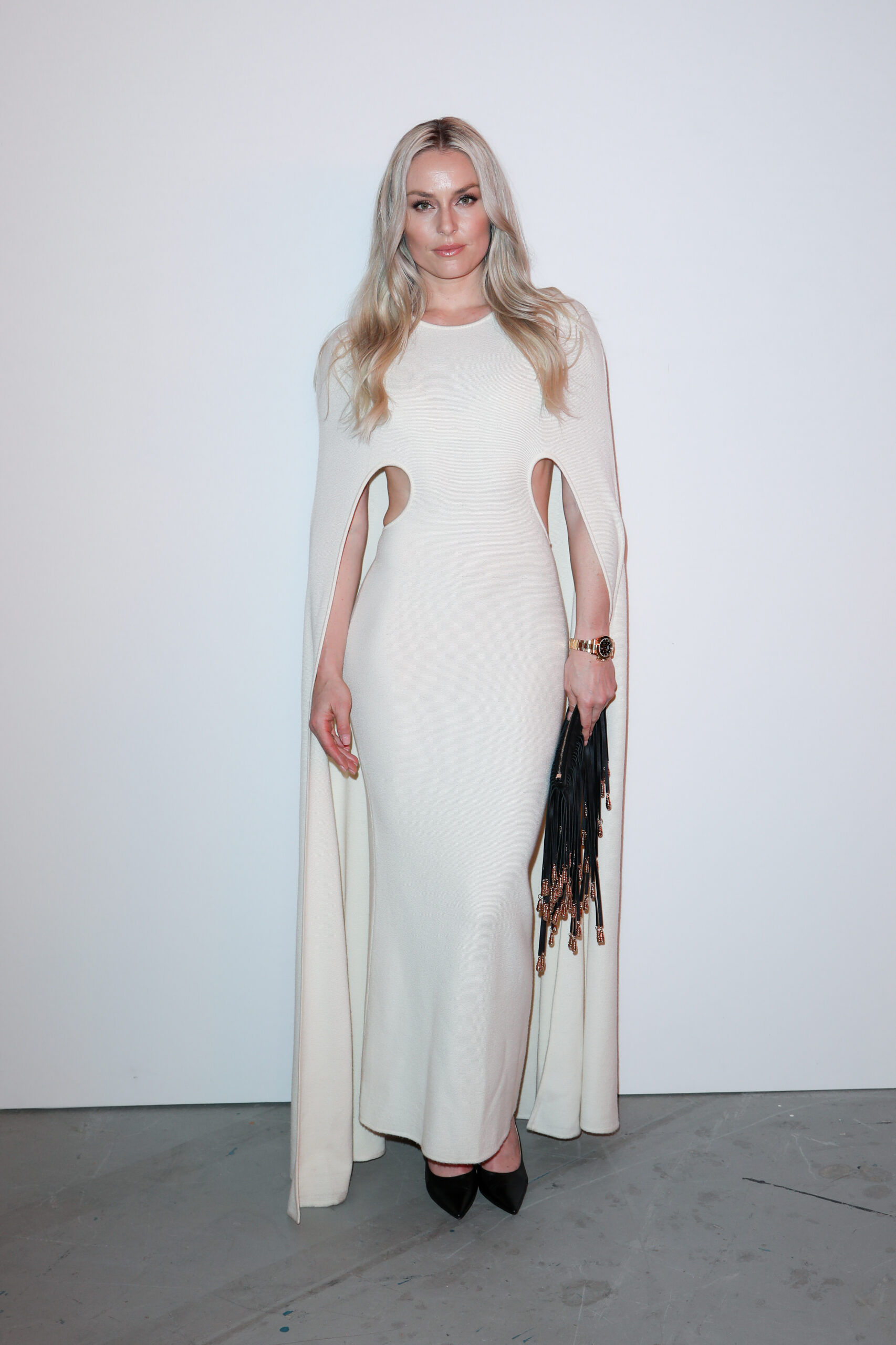
Lindsey Vonn, Skiing
Years Active: 2000–’19
The 2010 Olympic gold medalist, who racked up titles across international skiing competitions, became a pop culture sensation thanks to her charisma, frequent appearances on The Ellen DeGeneres Show and Access Hollywood, and a glamorous red carpet style that consistently landed her on best-dressed lists.
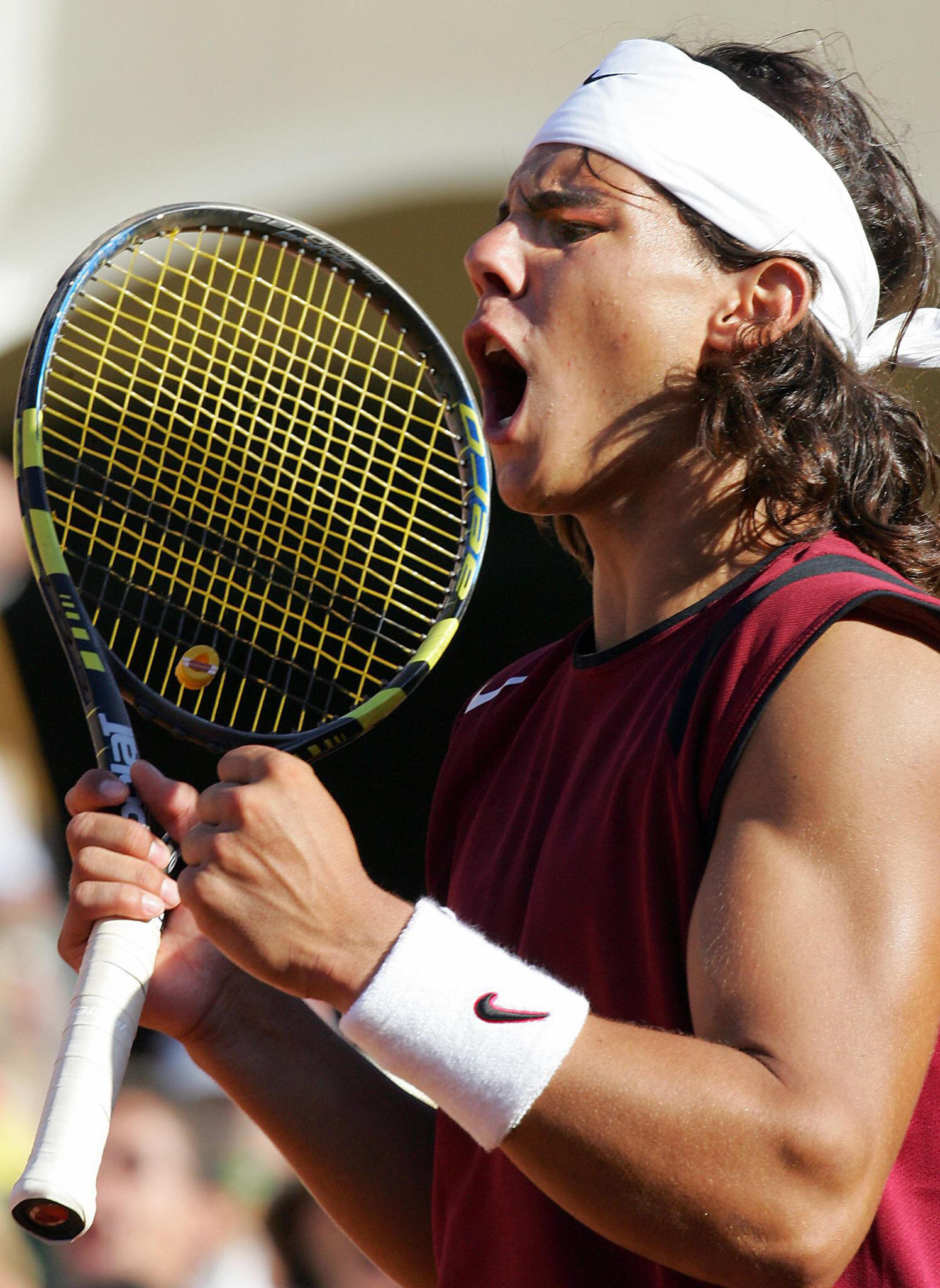
Rafael Nadal, Tennis
Years Active: 2001–’24
The Spanish 22-time Grand Slam champion — including a record 14 titles on the clay of Roland Garros — began his pro career at just 15, quickly making his mark with heavy topspin forehands with relentless RPMs. Just as iconic was his swashbuckling early look: long hair, muscle-baring Nike sleeveless tops and capri pants that upended tennis style in the 2000s.
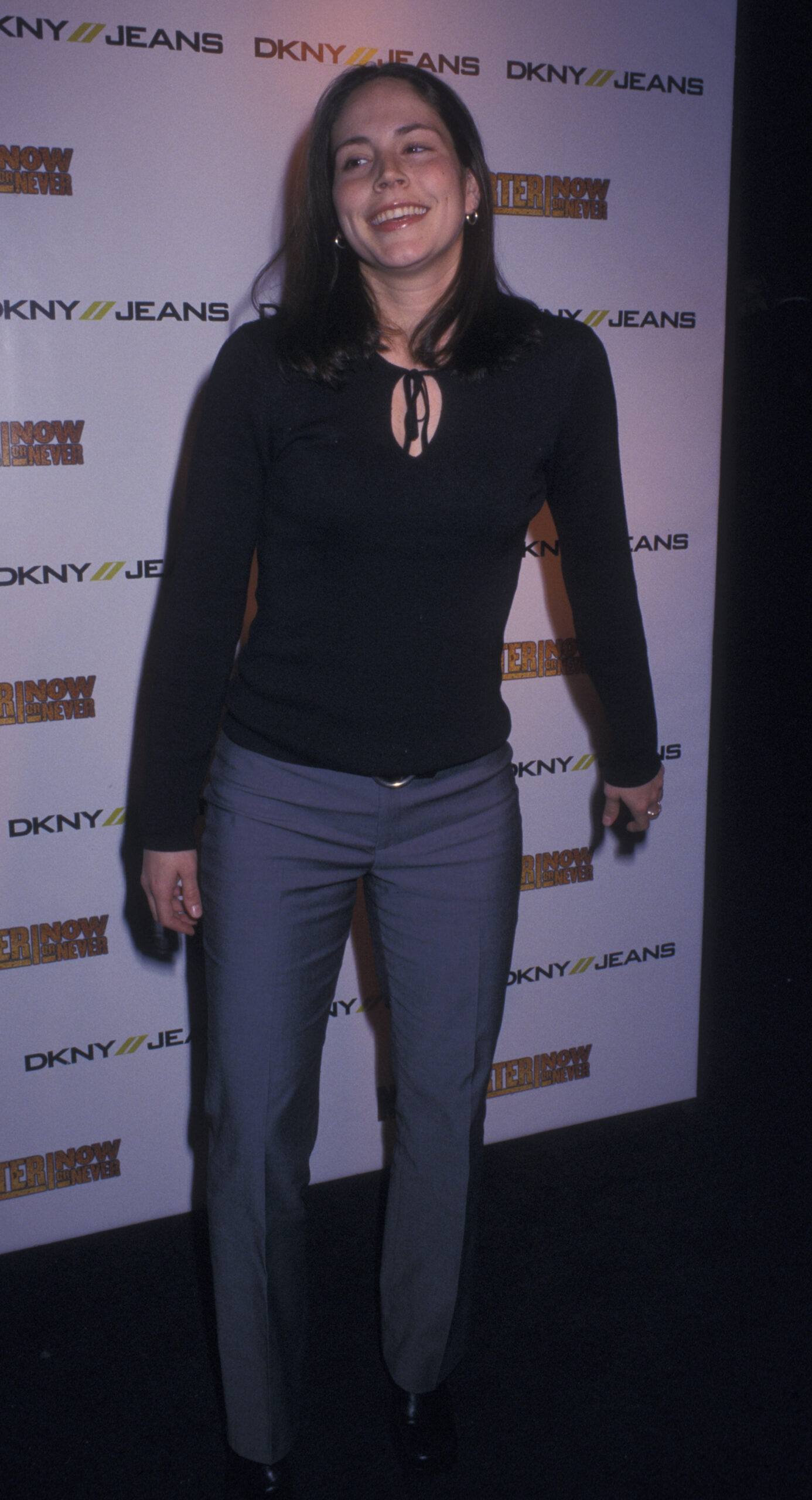
Sue Bird, Basketball
Years Active: 2002–’22
Widely regarded as one of the greatest point guards of all time, Bird’s precision passing and ability to control tempo earned her five Olympic gold medals, four WNBA championships, and 13 All-Star selections — along with the title of the league’s all-time assists leader. Off the court, she brings a sporty edge to streetwear, favoring oversized blazers, bold patterns and graphic tees.
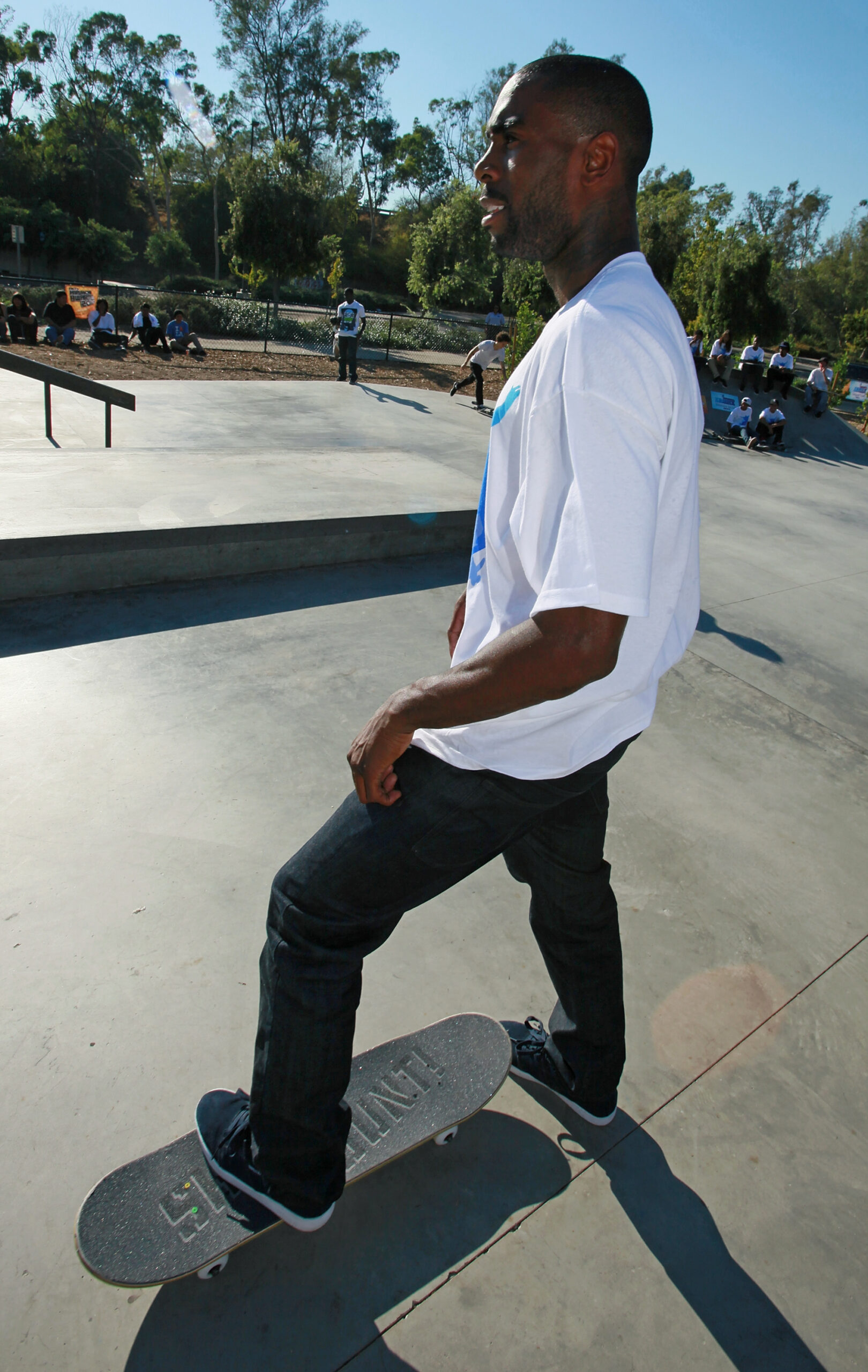
Terry Kennedy, Skateboarding
Years Active: 2003–’18
Kennedy’s signing to Pharrell Williams’ Ice Cream skate team marked his ascent as a skateboarding icon with cultural reach beyond the sport. He fused South Central LA streetwear — bold graphics, fitted caps, designer sneakers — with the looser silhouettes and layered looks of core skate fashion. In doing so, he helped shape the sound and style of a generation, bridging skate culture and urban fashion in a way that still resonates today.
LeBron James, Basketball
Years Active: 2003–Present
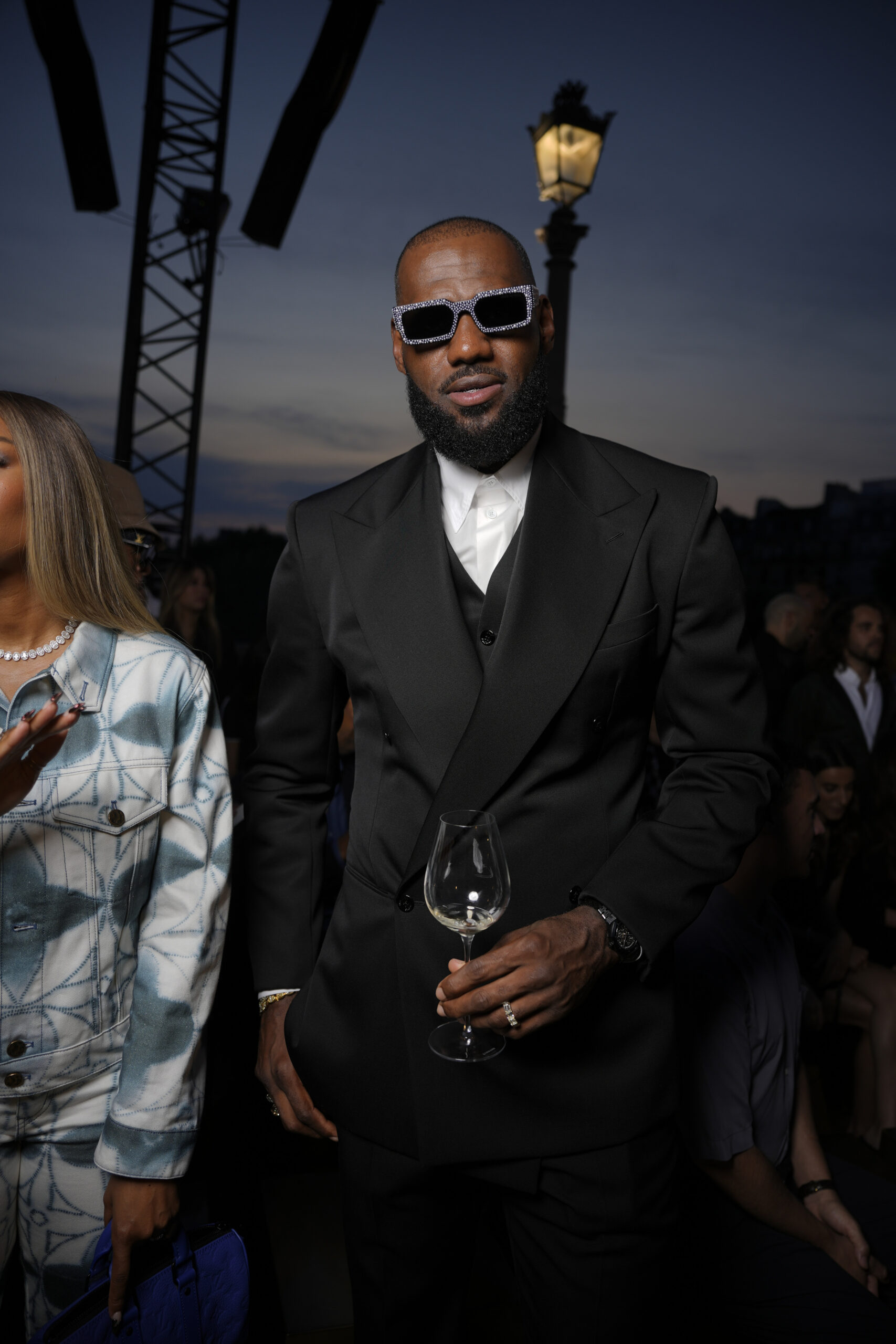
As the NBA’s all-time leading scorer, James has dominated the league for over 20 years with a rare blend of athleticism, power and charisma. Fans around the world fell not just for his on-court brilliance, but for his evolving personal style. In 2018, James and the Cleveland Cavaliers arrived at a first-round playoff Game 3 in custom Thom Browne suits — a viral tunnel walk moment that sparked a new era of personal brand-building for NBA players.
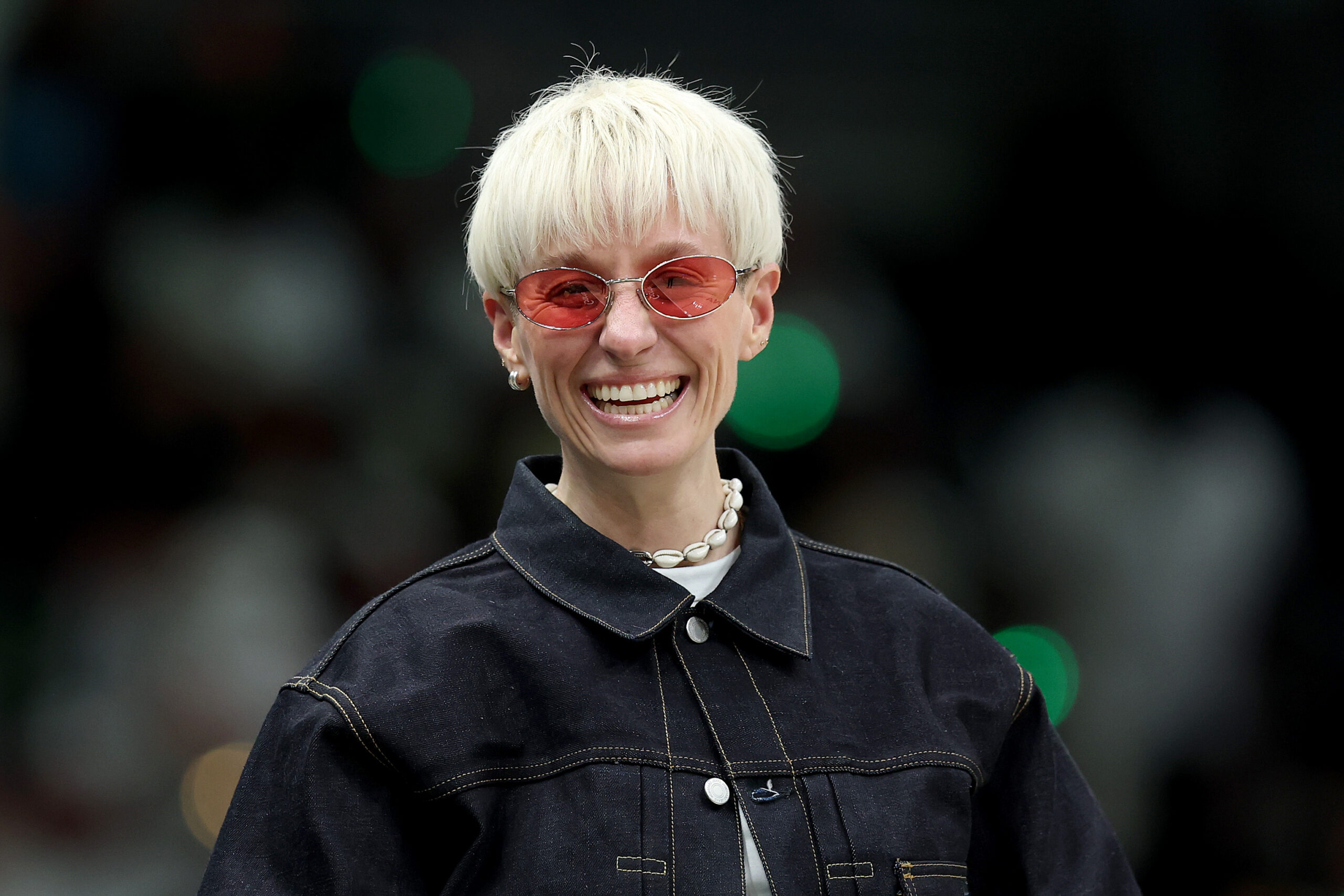
Megan Rapinoe, Soccer
Years Active: 2006–’23